Selecting the right fuel is the foundation of a successful backyard cookout. The perfect sear and that deep, smoky flavor hinge on your choice.
Jonathan Chan, a senior manager of lab operations with ten years of experience, emphasizes that this single decision can elevate a simple meal. It turns routine grilling into a professional-grade culinary event.
Whether you’re a novice or a seasoned pro, understanding your fuel’s nuances is key. Factors like heat retention and consistent burn quality matter most for predictable results.
Top-rated options like Royal Oak Hardwood Lump Charcoal and Kingsford Original are popular for good reason. They offer reliable performance that many enthusiasts trust.
Modern premium choices, such as premium coconut charcoal, push performance further. Independent verification ensures burn times of 90–120 minutes with remarkably low ash content.
Our guide cuts through the clutter. We evaluate the top fuels to help you achieve consistently delicious results every time you fire up the grill.
Key Takeaways
- The fuel you choose directly impacts the flavor and quality of your grilled food.
- Expert insight highlights that consistent heat is more important than the brand name alone.
- Long burn time and low ash content are critical indicators of a high-quality product.
- Rigorous quality control processes, like those used for premium coconut charcoal, ensure reliable performance.
- Understanding the differences between lump charcoal and briquets helps you match the fuel to your cooking style.
- This guide is designed to simplify your selection process for a better outdoor cooking experience.
Understanding the Basics of Charcoal: Briquettes vs. Lump
The story of charcoal begins not in a factory, but in the ancient embers of a Stone Age fire. Early humans found charred wood burned hotter and longer than raw logs. This discovery paved the way for the fuel we use today.
Modern production refines this ancient process. Wood is heated in a low-oxygen environment. This removes water and sugars, leaving behind a carbon-rich material perfect for cooking.
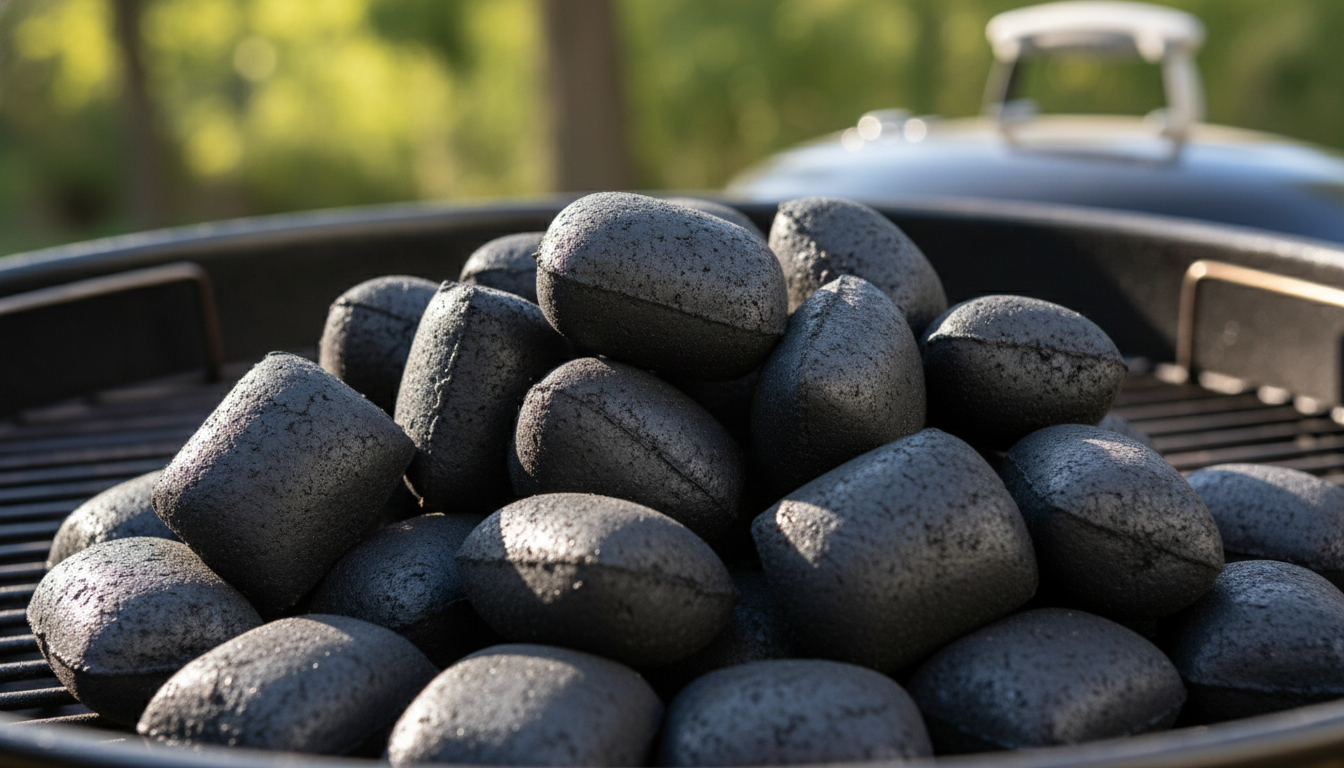
Two primary forms now dominate the market. Lump charcoal is made by burning pieces of hardwood. Briquettes are manufactured by compressing sawdust with binders into uniform shapes.
Knowing their core differences is your first step to grilling mastery. The table below breaks down the key contrasts.
| Feature | Lump Charcoal | Briquettes |
|---|---|---|
| Origin | Pieces of charred hardwood | Compressed sawdust & binders |
| Shape & Consistency | Irregular, varied sizes | Uniform pillows or cubes |
| Heat Profile | Lights faster, burns hotter, less predictable | Slower ignition, steady & consistent heat |
| Best For | High-heat searing, flavor infusion | Long, controlled cooks like smoking |
This fundamental knowledge directly impacts your results on the grill. Both types are sustainable, using scrap wood from the lumber industry.
Your choice depends on the meal you want to create. Modern premium options, like those from Oxicarbon, build on these core principles for enhanced performance.
Benefits of Using the Best Charcoal Briquettes to Buy
Investing in high-grade briquettes transforms your outdoor cooking from a chore into an art. The primary advantage is a steady, reliable temperature. This consistency is ideal for long, slow-cooking sessions in your backyard smoker.
This fuel produces radiant heat that enables superior browning of proteins. Many chefs prefer it over gas-powered grills for this very reason. The savory, smoky taste it imparts creates a delicious aroma synonymous with summer.
Uniform pieces make temperature management easier for beginners. Learning to control a grill’s airflow and heat is simpler with a predictable fuel source. They also burn longer than many lump varieties, making them the preferred choice for pitmasters.
Maintaining steady temperatures for several hours is possible with quality products. Modern premium options, like premium coconut charcoal, are engineered for this enhanced performance. The result is a more controlled and enjoyable grilling experience.
How We Tested Charcoal for Grilling
Our testing process was designed to replicate the unpredictable conditions of a real backyard barbecue. We wanted data you can trust.
Testing Methodology and Tools Used
We gathered eight highly recommended brands. Each was evaluated using a Weber Original Kettle Grill to simulate actual use.
Tests occurred in ambient temperatures from 42°F to 56°F. Wind speeds reached 22 miles per hour, adding a real-world challenge.
For precision, we used ThermoWorks Pro-Series temperature probes. These monitored the internal heat of beef burgers throughout each cook.
Criteria for Long-Lasting Heat and Consistent Flames
Our evaluation focused on performance metrics that matter to you. We looked beyond brand names to measure actual results.
Each bag was inspected for chunk size distribution and foreign debris. We also measured the volume of ash left after a complete burn.
| Testing Criteria | How We Measured It | Why It Matters |
|---|---|---|
| Burn Time & Consistency | Timed how long a full chimney maintained cooking temperature. | Indicates fuel efficiency for longer smoking sessions. |
| Heat Output & Stability | Logged grill temperature fluctuations with data probes. | Ensures even cooking without constant adjustment. |
| Ash Production | Collected and weighed residual ash after cooling. | Less ash means easier cleanup and more efficient combustion. |
| Product Purity | Visually screened for rocks, asphalt, or other contaminants. | Affects flavor, safety, and overall burning quality. |
This rigorous approach separates marketing claims from genuine performance. Modern options like premium coconut charcoal are engineered to excel in these areas.
Exploring Different Types of Charcoal and Their Features
Scientific testing reveals clear performance differences between the two main charcoal categories. Your ideal choice depends entirely on the meal you plan to cook.
Briquette Characteristics and Unique Benefits
Compressed briquettes are engineered for endurance. Research with the Forest Products Laboratory shows a full chimney can reach scorching temperatures between 666°F and 729°F.
This density translates directly into longer cooking sessions. You can expect a reliable burn for 2.5 to 3.5 hours from a single load.
Their uniform shape comes from mixing charred sawdust with natural binders. This process creates predictable burning perfect for low-and-slow barbecue.
Insights on Hardwood Lump and Other Variants
Hardwood lump offers a more natural, irregular form. It lights quickly and can generate intense initial heat for perfect searing.
The same chimney volume, however, yields a lower average temperature range of 546°F to 664°F. Its burn time is also shorter, typically lasting from 40 minutes to two hours.
This makes it a fantastic choice for fast, high-heat cooking but less ideal for lengthy smokes. Modern premium options build on these core principles for enhanced control.
| Performance Metric | Briquettes | Lump Charcoal |
|---|---|---|
| Temperature Range | 666°F – 729°F | 546°F – 664°F |
| Burn Time (per chimney) | 2.5 – 3.5 hours | 40 min – 2 hours |
| Best Use Case | Long, consistent cooks | Fast, high-heat searing |
Understanding this data helps you match your fuel to your grill’s purpose. For those seeking the ultimate in consistency, modern premium options are worth exploring.
Key Features to Look for in Quality Charcoal
Choosing high-quality charcoal starts with a careful inspection of the bag’s contents. Look for large, usable pieces of wood instead of excessive dust or powder.
Research shows a significant issue with some products. About 20 to 50 percent of the lump charcoal in bags can be too small to use, falling right through the grill grate.
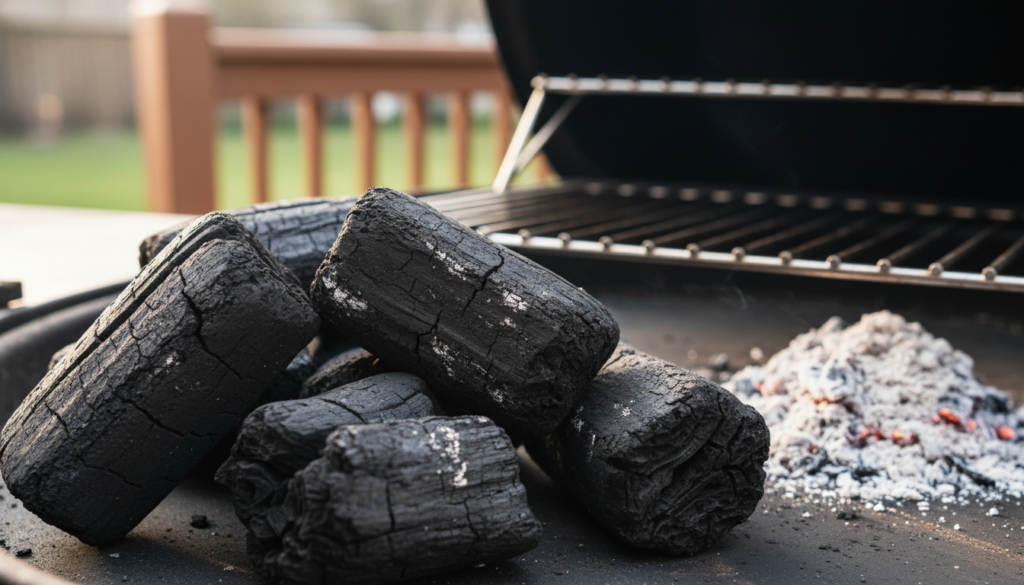
Quality control is a major factor. Some bags have been found to contain foreign objects like rocks or asphalt, which affect performance and safety.
A durable bag is essential for storage. It must survive a full season in a garage or outdoor shed without tearing.
Always check the label for “100% hardwood” claims. This ensures the product is free from unnecessary fillers or chemical additives. For those seeking superior consistency, modern premium options are engineered to meet these high standards.
Detailed Look at Top Charcoal Brands
Evaluating top charcoal brands requires a close look at their real-world performance and user satisfaction. Not all products deliver the same results.
Our rigorous test separated the leaders from the pack. We focused on flavor, burn consistency, and overall value.
Royal Oak Hardwood Lump Charcoal Overview
Royal Oak is a top-tier choice for casual grillers. It offers a pleasant sweet, smoky flavor that enhances a variety of foods.
This hardwood lump product lights easily and provides a clean burn. Many users appreciate its natural composition and reliable heat.
Kingsford Original Charcoal Briquettes Snapshot
Kingsford Original remains the most popular brand in the United States. It accounted for over 62 cents of every dollar spent on charcoal in 2022.
These briquettes are known for their steady, predictable heat. They are a go-to for backyard cooks seeking consistency.
“Market dominance often reflects widespread trust, but independent testing reveals the nuances behind each brand’s performance.”
Other notable brands performed exceptionally well in our evaluation. The table below summarizes key findings from our hands-on test.
| Brand | Rating (Out of 10) | Key Feature | Noted Burn Time |
|---|---|---|---|
| B&B Charcoal | 10 | Best hardwood lump for long-lasting performance | Longest |
| Jealous Devil | 9 | Briquettes 50% larger, no fillers or additives | Extended |
| Cowboy | 7 | Good performance, shorter burn vs. premium | Moderate |
| Royal Oak Lump | 8 | Sweet smoky flavor, ideal for casual use | Varies |
Choosing between these options depends on your specific grilling needs. Royal Oak hardwood lump excels for flavor, while other brands prioritize endurance.
The Role of Additives and Natural Burn Quality
What’s inside the bag matters as much as how the contents burn. Many common briquettes include binders like limestone or starch. These ingredients are generally considered safe for standard outdoor cooking and are not expected to pose a health risk.
However, purity can be a real concern. During our inspections, we discovered an 11-ounce rock in one bag of lump charcoal and a piece of asphalt in another. This highlights why a visual check before use is always a good idea.
Safety extends beyond physical contaminants. The Environmental Protection Agency notes that smoke from all burning charcoal contains fine particles. Experts recommend avoiding the immediate area for 15 to 20 minutes after ignition to limit exposure.
Clean-burning fuel is a top priority for many grillers. A product that combusts efficiently leaves behind significantly less ash. This makes post-meal cleanup much quicker and simpler.
For the purest flavor, always prioritize brands that are free of unnecessary additives. This ensures your food retains its natural taste without chemical interference. Exploring additive-free options can lead to a cleaner fire and a better grilling experience.
Using a Chimney Starter for Optimal Ignition
The difference between a good cookout and a great one often lies in how you start your fire. A chimney starter is the most effective tool for this task. It lights both lump and briquette fuel evenly, without any chemical lighter fluids.
This simple metal cylinder ensures all pieces ignite uniformly before you transfer them. You begin by placing a couple of newspaper sheets in the bottom chamber. Then, fill the top section with your chosen fuel.
For optimal airflow, arrange larger pieces at the bottom of the chimney. Place smaller pieces on top. This setup helps the fire catch quickly and spread.
Avoid petroleum-based lighter fluids. They can leave a chemical taste on your food. These fluids are also harmful to the environment.
After about 10 to 15 minutes, the coals in the center will glow a deep orange. This means they are truly ready. Dump the hot coals into your grill and begin cooking immediately.
This method guarantees a clean, hot fire every time. For those interested in modern ignition tools, the principle remains the same: consistent heat starts with a perfect light.
Tips for Achieving High Heat and Consistent Temperature
Mastering your grill‘s temperature is a skill that separates novice cooks from backyard experts. It requires a clear understanding of how airflow and fuel interact.
Optimizing Airflow and Heat Distribution
Your grill‘s vents are the primary control for heat. Managing them properly regulates the oxygen feeding the fire. This keeps your coals burning at the desired intensity.
Weather plays a huge role. During our tests, ambient conditions between 42°F and 56°F affected how quickly the fuel reached its peak. Wind can also accelerate or disrupt combustion.
For steady temperature, uniform pieces are your friend. They burn predictably over long sessions. If you use natural lump wood, plan to add more fuel for cooks lasting beyond 45 minutes.
Always monitor the internal environment with a reliable probe. Tools like the ThermoWorks models ensure your food cooks evenly and safely. This simple step prevents under or overcooking.
For the ultimate in control, explore modern fuel options engineered for consistent performance. They help minimize variables for a more reliable fire.
Maximizing Flavor and Smoke in Your Backyard BBQ
Our blind taste tests challenged common assumptions about charcoal and food flavor.
While many grillers believe lump charcoal provides more taste, participants could not reliably tell the difference. Food cooked over various types or brands tasted equally good.
The process of making this fuel removes most volatile compounds. The smoky aroma comes primarily from aromatic wood components that remain in the char.
To truly enhance your meal’s flavor, consider adding wood chunks or chips to the fire. This introduces more complex aromatic notes to your proteins.
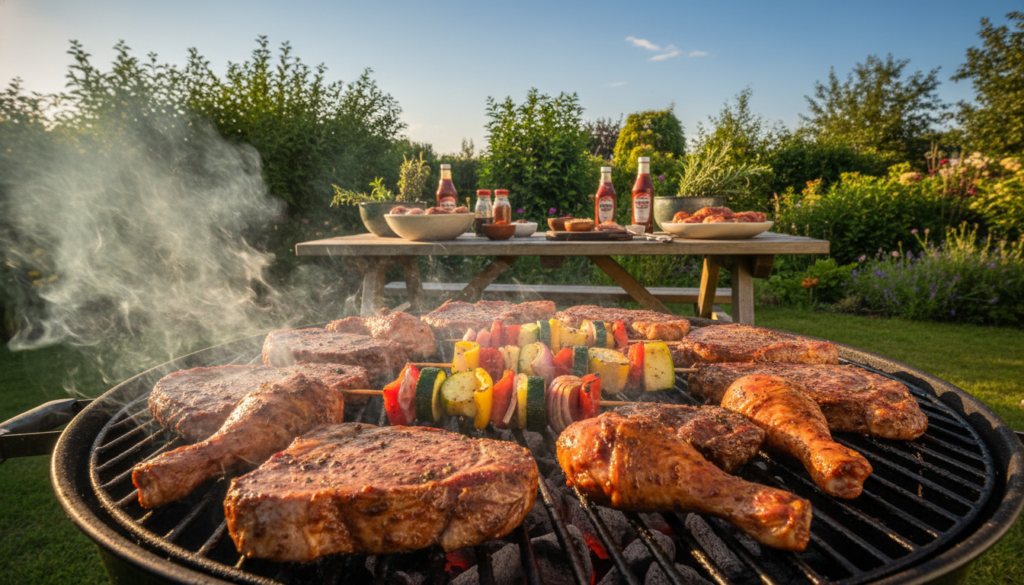
Everything we cooked, from chicken thighs to chuck-eye roasts, resulted in delicious, mildly smoky food. It was more than acceptable for any backyard gathering.
Focus on using high-quality, additive-free options to ensure the smoke produced is clean. It contributes positively to the overall flavor of your grilled dishes. Explore additive-free options for a purer fire.
How the Best Charcoal Briquettes to Buy Enhance Your Grilling Experience
A predictable fuel source is the secret weapon for turning a stressful cookout into a relaxing culinary event. It shifts your focus from managing flames to mastering recipes.
High-quality, uniform pieces create a steady, long-lasting fire. This reliable heat minimizes the need for constant monitoring and vent adjustments.
For newcomers, this predictability is invaluable. It simplifies learning fire control, building confidence with each session.
Seasoned cooks also benefit. They can concentrate on technique, knowing the temperature will hold steady for burgers, chicken, or longer smokes.
The result is a more productive and enjoyable grilling experience. Your time yields perfectly cooked meals, every time. For the ultimate in reliability, explore modern fuel options designed for this precise control.
Side-by-Side Comparison: Briquettes versus Lump Charcoal Performance
The debate between these two fuel types centers on trade-offs between longevity and intense heat.
A direct comparison reveals one option offers superior burn time. It typically provides 2.5 to 3.5 hours of cooking per chimney load.
Lump charcoal, in contrast, lasts from 40 minutes to two hours. This makes it less ideal for lengthy smoking sessions.
For high-temperature searing, many grillers choose lump charcoal. It reaches peak levels quickly, creating a perfect crust on steaks.
However, this fuel requires more frequent replenishment during long cooks. The compressed alternative maintains a stable output for low-and-slow barbecue.
Cost is another differentiator. The compressed form is economical, often costing 62 to 79 cents per pound.
Premium lump charcoal can cost up to $1.87 per pound. The price reflects its natural composition and faster ignition.
Performance stems from density and composition. Dense briquettes burn slowly and evenly. Porous lump creates a hotter, faster fire.
Your choice hinges on the meal. Quick burgers benefit from lump’s rapid intensity. Smoking a large brisket demands the endurance of briquettes.
For those seeking optimized performance, modern fuel options blend these characteristics.
Practical Advice for Both Beginners and Grilling Pros
Grilling safely and efficiently requires a blend of preparation and regular upkeep. This ensures your outdoor cooking remains enjoyable and hazard-free.
Safety, Handling, and Maintenance Tips
Beginners should always keep a fire extinguisher nearby. Place your grill on a stable, non-flammable surface before lighting any fuel.
If you notice small sparks or popping sounds when using lump wood, do not be alarmed. This is caused by residual moisture in the wood and is normal.
Cleaning Your Grill and Managing Ash
Managing ash is a critical part of grill maintenance. Excessive buildup can block airflow and prevent your fuel from reaching the desired cooking temperature.
Regular cleaning of your grill grates after every use prevents carbonized food buildup. This ensures your next meal tastes fresh and clean.
Pros often use a dedicated ash tool to clear the bottom of the grill. This helps maintain consistent airflow and improves the efficiency of the next burn. For optimized performance, explore modern fuel options designed for clean burns.
Addressing Common Charcoal Grilling Concerns
Let’s tackle some of the most persistent questions surrounding charcoal grilling. Many cooks wonder about health, safety, and performance.
People often ask if lump charcoal is healthier. Current research from the USDA Forest Products Laboratory suggests there is insufficient evidence for a definitive claim.
The best charcoal grilling results come from understanding your equipment. Choose a fuel that matches your desired cooking time and temperature.
For specialized tasks like yakitori, Binchotan is highly prized. This Japanese lump charcoal, made from ubame oak, offers intense heat and a clean burn. It is significantly more expensive.
Concerns about chemical additives in briquettes are common. Most reputable manufacturers use food-safe binders that do not negatively impact your food.
If you worry about environmental impact, look for brands that source their wood from sustainable, managed forests. This supports responsible industry practices. For reliable performance, explore modern fuel options designed with these principles in mind.
Conclusion
Great outdoor cooking results from matching your fuel to your culinary goals. Both compressed briquettes and natural lump charcoal offer distinct benefits.
Your choice depends on the meal. Long, slow cooks benefit from steady heat. Quick sears need intense, fast-burning fuel.
Selecting a high-quality brand is crucial for consistent results. Look for uniform pieces and clean combustion. Practice and patience will refine your grilling technique over time.
Our expert-tested advice helps you make an informed decision. You can achieve delicious, smoky food every time you fire up the grill.
For those seeking optimized performance, explore modern fuel options. They are engineered for long burn times and minimal ash.
FAQ
What is the main difference between briquettes and lump hardwood?
The key difference is their composition and shape. Briquettes are compressed uniform blocks made from charcoal dust and binders, offering steady, predictable heat for hours. Hardwood lump is made from pure, irregular chunks of charred wood, which ignites faster and provides intense, direct flames with a more natural smoke profile.
Why should I consider using briquettes for my cookout?
Briquettes are prized for providing a reliable, long-lasting bed of coals. They maintain a stable temperature, making them excellent for longer cooking sessions like smoking a roast or cooking several batches of burgers. Their uniform shape also promotes even heat distribution across your grill grate.
How did you test the products for performance?
Our tests measured real-world performance. We timed how long each fuel burned at cooking temperature, monitored heat consistency with probes, and noted ash production. We also evaluated ignition ease with a chimney starter and observed the flavor impact on simple foods like chicken and vegetables.
What features define a high-quality bag of fuel?
Look for dense, sturdy pieces that don’t crumble easily. Minimal dust at the bottom of the bag is a good sign. For briquettes, a simple ingredient list is ideal. For lump, large, solid chunks from named hardwoods like oak or hickory indicate better quality and a longer burn.
How do Royal Oak and Kingsford compare?
Royal Oak Hardwood Lump is known for its pure wood composition, delivering high heat and a clean smoke flavor favored for direct grilling. Kingsford Original Briquettes are famous for their consistency and long burn time, making them a versatile choice for everything from quick weeknight meals to long, slow cooks.
Do additives in the fuel affect my food?
Some briquettes include additives to aid lighting or burn consistency. While generally safe, these can sometimes produce a chemical-like odor during ignition. Many grillers prefer brands with natural binders like starch for a purer smoke taste that lets the natural flavor of your food stand out.
Is a chimney starter necessary for lighting?
While not strictly necessary, a chimney starter is highly recommended. It lights your coals quickly and evenly without needing lighter fluid, which can impart an unwanted taste. You get a full bed of hot, ashed-over coals ready for cooking in about 15-20 minutes.
What’s the best way to achieve and maintain a high temperature?
Start with a full chimney of fully lit coals. Spread them in an even layer and ensure all air vents on your grill are fully open to maximize oxygen flow. For sustained high heat, be prepared to add a dozen fresh, pre-lit coals every hour or so to replenish the energy.
How can I get more smoky flavor on my food?
For enhanced smoke, use hardwood lump or add a few wood chunks to your briquette fire. Soak the chunks in water for 30 minutes first to slow their burn and create more smoke. Cooking with the lid on traps that flavorful smoke around your meat and vegetables.
What are some common mistakes new grillers make?
Two major ones are not letting the fuel get hot enough before cooking and not managing the air vents. Always wait until your coals are covered in gray ash. Also, remember that vents control temperature—open them up for more heat, close them down to cool the fire. Finally, empty old ash regularly to maintain proper airflow.

fmyrvovqsldkfestmuhmpovvvdpizh