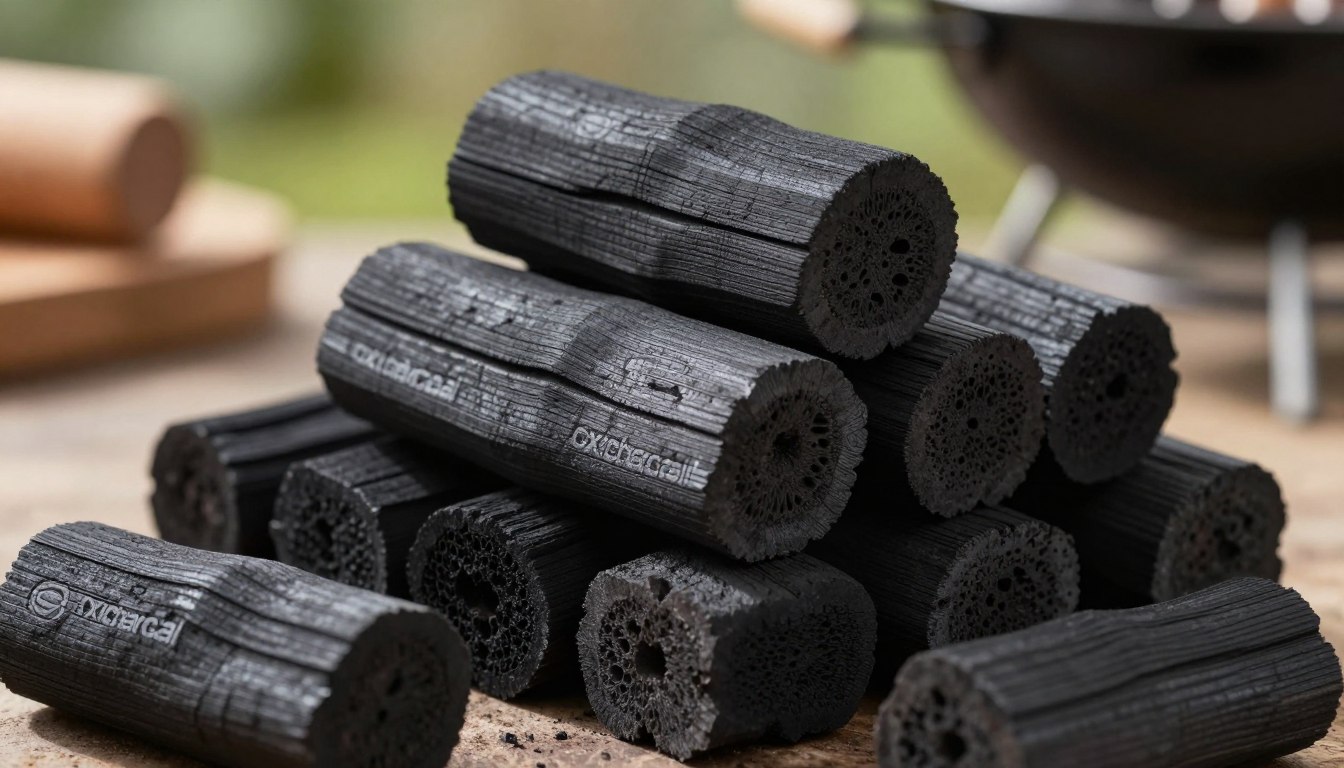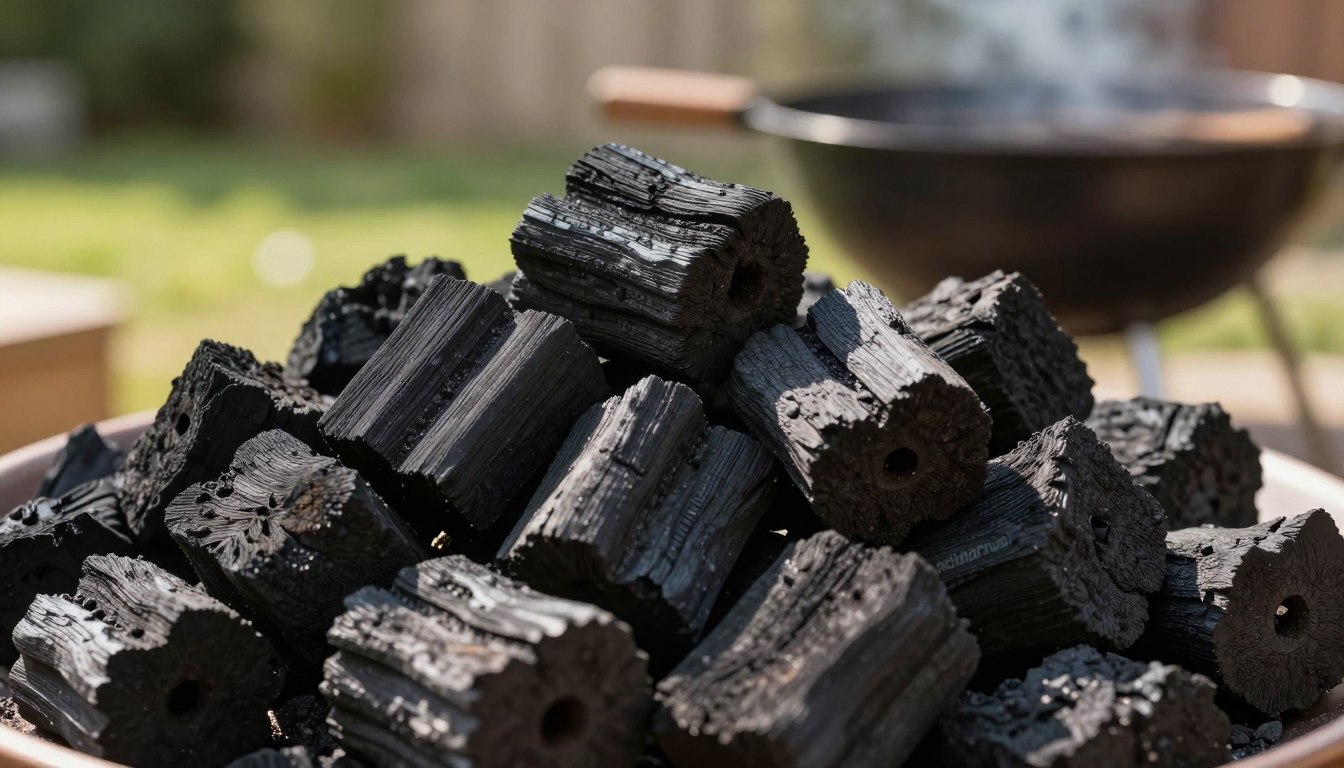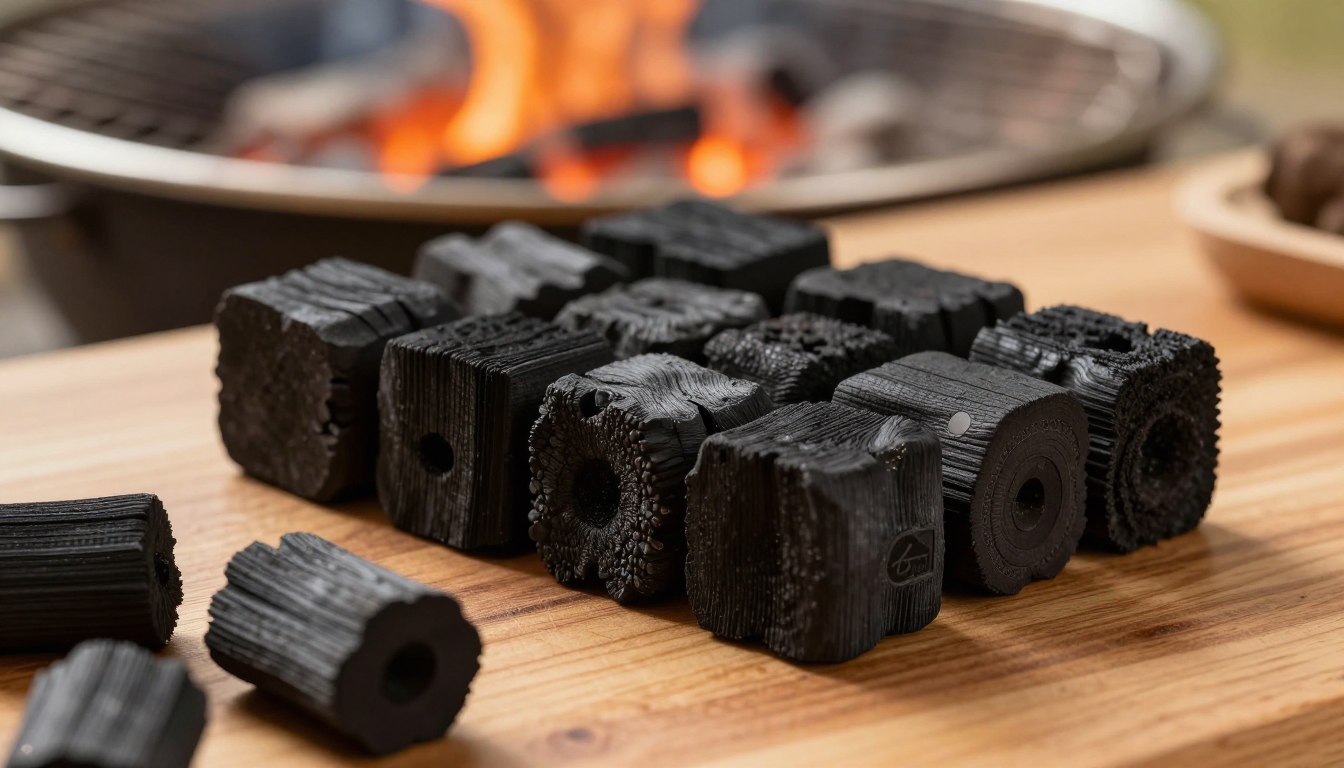
Outdoor cooking enthusiasts across the globe rely on charcoal briquettes to achieve that perfect, smoky flavor. These fuel sources have become a staple for backyard chefs who demand consistent heat and reliable performance during every cookout.
Many families choose this option because it balances convenience with high-quality results. By providing a steady burn, they ensure your food cooks evenly without constant monitoring. This makes them an incredibly practical choice for both casual weekend meals and large social gatherings.
Finding affordable charcoal briquettes is easier than ever, allowing home cooks to enjoy professional-grade grilling without breaking the bank. For those seeking sustainable and high-performance fuel, exploring options like premium coconut charcoal can elevate your grilling game significantly. Understanding why these tools remain a favorite helps you master the art of the flame while keeping your outdoor kitchen running smoothly.
Key Takeaways
- Consistent heat output makes these fuel sources ideal for all types of outdoor cooking.
- They offer a perfect balance of convenience and performance for backyard chefs.
- Choosing the right fuel is an affordable way to improve the flavor of your grilled meals.
- Sustainable alternatives are gaining popularity among environmentally conscious families.
- Reliable grilling media simplify the cooking process for both beginners and experts.
What Exactly Are Charcoal Briquettes?
Charcoal briquettes are more than just compressed dust; they are a marvel of modern combustion technology. Most people toss them into a grill without a second thought, yet these fuel sources undergo a precise manufacturing process to ensure a consistent and reliable burn.
By combining wood byproducts with natural binders and additives, manufacturers create a fuel that performs far more predictably than raw lump charcoal. This engineering allows for a uniform shape and density, which is essential for maintaining steady temperatures during long cooking sessions.
Definition and Composition
At their core, charcoal briquettes consist of pulverized wood fibers, charcoal fines, and a binding agent like cornstarch. This mixture is compressed under high pressure to form the familiar pillow-like shapes you see in the bag.
“The secret to a perfect barbecue is not just the meat, but the steady, controlled heat provided by high-quality fuel.”
The addition of specific ingredients, such as limestone or sawdust, helps control the ignition speed and ash production. This carefully balanced composition ensures that the fuel lights easily and maintains a steady heat output throughout your entire cook.
Types of Charcoal Briquettes
Not all fuel is created equal, and understanding the different varieties can elevate your grilling game. Standard briquettes are designed for general use, offering a long, slow burn that is perfect for indirect heat cooking.
On the other hand, instant-light charcoal briquettes are pre-treated with a lighter fluid coating for convenience. While these are popular for quick setups, many enthusiasts prefer the natural variety to avoid any chemical aftertaste in their food.
Choosing the right type depends on your specific needs, whether you are searing a steak or smoking a brisket. By selecting the correct variety, you ensure that your grill operates at peak efficiency every time.
The History of Charcoal Briquettes
The history of charcoal briquettes is a fascinating tale of human ingenuity and the quest for better cooking fuel. For centuries, humanity relied on raw wood to provide the heat necessary for preparing meals. While effective, this method was often unpredictable and difficult to manage in a consistent manner.
As societies grew, the need for a more reliable and portable heat source became apparent. This shift paved the way for the development of processed fuels that could offer a steady burn for both industrial and domestic purposes.
Early Uses in Cooking
In the early days, cooking was primarily done over open wood fires or basic charcoal pits. These methods required constant attention to maintain the right temperature, as raw wood burns at varying rates depending on its moisture content and density. Culinary traditions across the globe were built around these limitations, requiring skilled cooks to master the art of fire management.
The transition toward using charcoal briquettes began as people sought a cleaner, more uniform alternative to raw timber. By compressing wood scraps and sawdust into standardized shapes, early innovators created a product that burned longer and provided a more predictable heat output for grilling and roasting.
Modern Inventions and Innovations
The 20th century marked a turning point for fuel technology, largely thanks to industrial pioneers like Henry Ford. He famously utilized wood scraps from his automotive factories to produce the first mass-marketed charcoal briquettes. This innovation turned a waste product into a household essential, forever changing the landscape of outdoor cooking in the United States.
Modern advancements have since refined the process even further. Today, manufacturers focus on faster ignition times and significantly reduced smoke production, making the grilling experience more enjoyable for everyone. These improvements ensure that modern charcoal briquettes remain a dominant force in the global market, balancing tradition with high-performance technology.
| Fuel Type | Burn Consistency | Ease of Use | Smoke Level |
|---|---|---|---|
| Raw Wood | Low | Difficult | High |
| Lump Charcoal | Medium | Moderate | Low |
| Modern Briquettes | High | Very Easy | Low |
Advantages of Using Charcoal Briquettes
The secret to a perfect backyard feast often lies in the consistency provided by high-quality charcoal briquettes. Whether you are a seasoned pitmaster or a weekend hobbyist, these fuel sources offer a level of predictability that makes every cooking session more enjoyable. By choosing reliable products from experts like Oxicarbon, you ensure that your equipment performs at its peak every time you light the fire.
Consistent Heat Output
One of the primary reasons people choose charcoal briquettes for grilling is their uniform shape and density. Because each piece is manufactured to be the same size, they burn at a steady, predictable rate. This allows you to maintain a stable temperature inside your grill without constant adjustments.
You will find that this reliability is a game-changer for recipes that require long, slow cooking times. Unlike irregular fuel sources that can cause sudden temperature spikes, these briquettes provide a steady heat flow that helps you achieve that perfect sear or tender finish. Consistency is truly the hallmark of a great barbecue experience.
Easy to Use and Store
Beyond their performance, these briquettes are incredibly user-friendly. Their compact, uniform shape makes them much easier to stack and store in your garage or shed compared to bulky bags of irregular lump charcoal or firewood.
Consider these practical benefits for your next outdoor gathering:
- Simplified lighting: They ignite quickly and evenly, reducing your prep time.
- Space efficiency: The uniform blocks fit neatly into storage containers.
- Predictable burn time: You can easily estimate how many charcoal briquettes you need for a specific recipe.
By streamlining the preparation process, you can spend less time managing the fire and more time enjoying the company of your guests. It is this combination of convenience and performance that makes them a staple for any modern grill setup.
Charcoal vs. Wood: What’s the Difference?
Understanding the fundamental differences between charcoal briquettes and natural wood is key to mastering your grill. While both fuels provide the heat necessary for cooking, they offer vastly different experiences for the home chef. Choosing the right fuel depends largely on your goals for flavor and your patience for managing the fire.
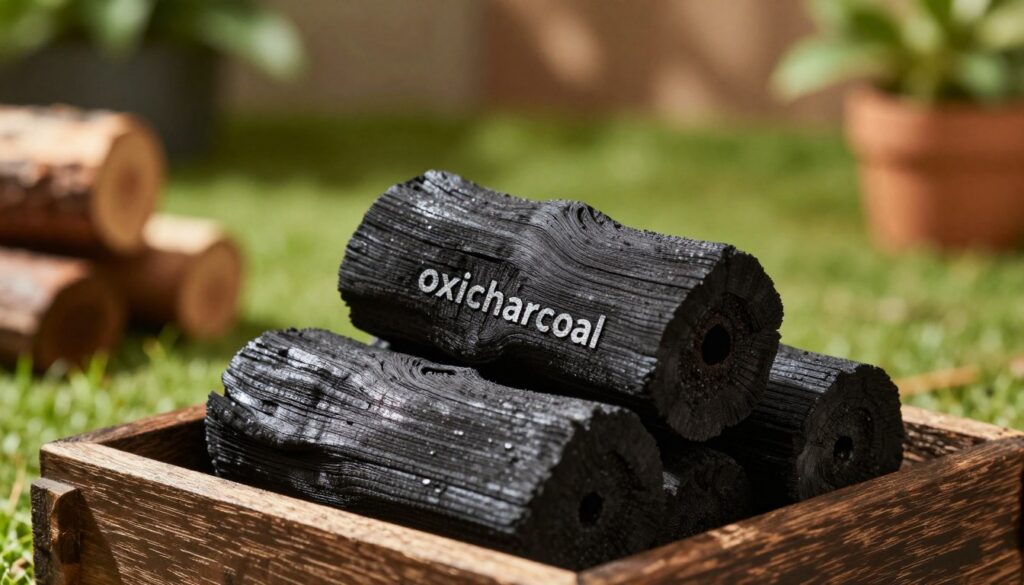
Flavor Profiles
Natural wood is often prized for the distinct, aromatic smoke it imparts to food. Depending on the species, such as hickory or mesquite, you can achieve a deep, complex flavor profile that is hard to replicate. However, this requires careful management to avoid bitter or overwhelming smoke.
In contrast, high-quality charcoal briquettes offer a cleaner, more neutral smoke. This allows the natural taste of your meat or vegetables to shine through without being masked by heavy wood resins. Many enthusiasts prefer this consistent flavor base, especially when using rubs or marinades.
Burn Time and Temperature Control
One of the primary advantages of using charcoal briquettes is their predictable performance. Because they are manufactured to a uniform size and density, they burn at a steady rate for an extended period. This makes them ideal for long, slow cooking sessions where maintaining a constant temperature is essential.
Raw wood logs can be unpredictable, as moisture content and density vary from piece to piece. You may find yourself constantly adjusting vents or adding more fuel to keep the heat stable. Briquettes remove much of this guesswork, providing a reliable heat source that lets you focus on your culinary technique.
| Feature | Charcoal Briquettes | Natural Wood |
|---|---|---|
| Burn Consistency | High | Low |
| Flavor Intensity | Mild/Neutral | Strong/Distinct |
| Ease of Use | Very Easy | Moderate |
| Temperature Control | Excellent | Requires Skill |
Environmental Impact of Charcoal Briquettes
Understanding the environmental footprint of your backyard grill is a vital step toward sustainable outdoor cooking. While many people focus solely on the flavor of their food, the materials used to generate heat also play a significant role in our overall ecological impact.
Sustainability Issues
The production of charcoal briquettes often involves the carbonization of wood waste or sawdust. When sourced responsibly, this process can be a way to repurpose biomass that might otherwise go to waste. However, concerns arise when production leads to deforestation or relies on non-renewable resources.
Manufacturing also requires energy, which contributes to the total carbon emissions of the product. Choosing high-quality options from reputable suppliers like natural charcoal briquettes can help ensure that the wood used is harvested in a way that respects forest health. Being mindful of the supply chain is a great way to support greener grilling practices.
Comparisons with Other Fuels
When comparing fuel sources, it is helpful to look at the full lifecycle of the product. While propane and natural gas are fossil fuels that release stored carbon into the atmosphere, natural charcoal briquettes are often viewed as a more circular option because they utilize organic material.
“True sustainability in the kitchen starts with understanding the origin of our energy, whether it is for the stove or the backyard grill.”
The following table highlights how different fuel types compare in terms of their environmental profile and general usage characteristics:
| Fuel Type | Source | Carbon Impact | Renewability |
|---|---|---|---|
| Charcoal Briquettes | Biomass/Wood | Moderate | High |
| Propane | Fossil Fuel | High | Low |
| Natural Gas | Fossil Fuel | High | Low |
Ultimately, the choice of fuel depends on your personal priorities regarding flavor and environmental stewardship. By selecting charcoal briquettes that are produced with sustainability in mind, you can enjoy your favorite meals while minimizing your impact on the environment.
How to Choose the Right Charcoal Briquettes
Selecting the right charcoal briquettes is the secret ingredient to achieving that authentic smoky flavor every pitmaster craves. While many options line the shelves of your local hardware store, understanding the nuances of fuel quality will significantly improve your grilling results. Whether you are a weekend warrior or a seasoned pro, choosing the right product ensures a consistent and enjoyable cooking experience.
Brand Recommendations
When you decide to buy charcoal briquettes, it is wise to stick with reputable manufacturers known for their commitment to consistency. Many enthusiasts prefer brands like Kingsford or B&B Charcoal, which offer reliable performance across various cooking styles. For those seeking a more specialized experience, premium charcoal briquettes often provide a cleaner burn with fewer chemical additives.
“The quality of your fire is the foundation of every great meal; never compromise on the fuel that brings your food to life.”
Quality Indicators to Look For
To identify the best charcoal briquettes, you should pay close attention to a few key performance metrics. First, consider the ignition speed; high-quality fuel should light quickly and reach cooking temperature without excessive smoke. You should also look for low ash production, as excessive residue can block airflow and interfere with your temperature control.
Another factor to consider is the burn duration. The best charcoal briquettes are designed to maintain a steady, long-lasting heat, which is essential for slow-cooking meats or searing steaks. By prioritizing these indicators, you ensure that your next BBQ event is a resounding success with perfectly cooked results every time.
Best Ways to Use Charcoal Briquettes
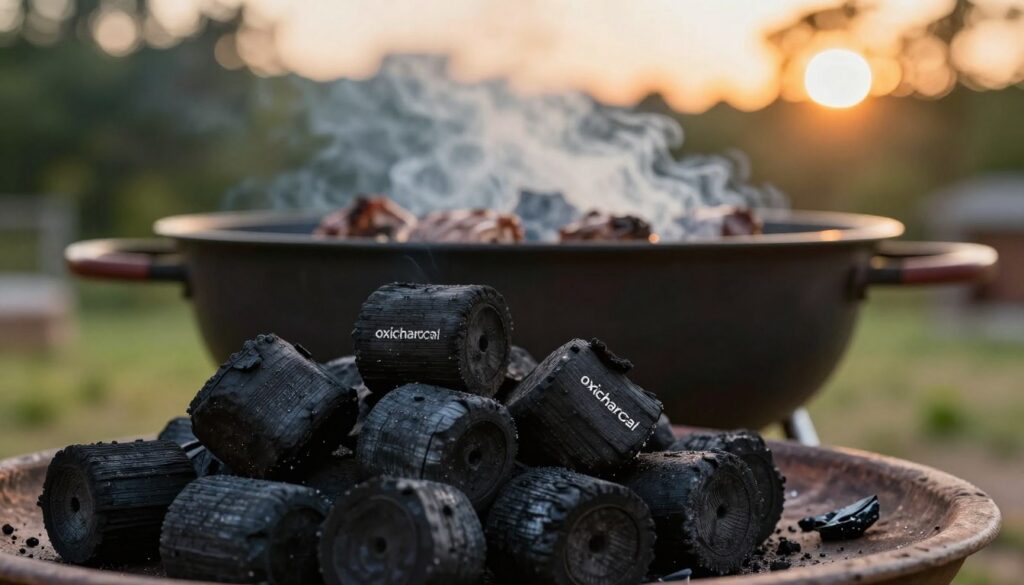
Elevating your backyard barbecue game requires a deep dive into the best ways to use charcoal briquettes. Whether you are a weekend warrior or a seasoned pitmaster, the way you arrange your coals changes everything about your final dish. By mastering these simple heat management strategies, you can achieve professional-level results right in your own backyard.
Grilling Techniques for a Perfect Cook
To get the most out of your charcoal briquettes for grilling, you must understand the difference between direct and indirect heat. Direct heat is perfect for searing steaks or burgers quickly over the coals. Simply spread the briquettes in an even layer across the bottom of your grill to create a high-temperature zone.
For larger cuts of meat like whole chickens or roasts, indirect heat is your best friend. Arrange the coals on one side of the grill and place your food on the opposite side. This method allows the meat to cook slowly without burning, ensuring a juicy and tender result every time you use charcoal briquettes.
Using Briquettes for Smoking
If you want to infuse your food with deep, smoky flavors, learning how to use charcoal briquettes for smoking is essential. The key is to maintain a consistent, low temperature for an extended period. You can achieve this by using the “minion method,” where you light only a few coals and let them slowly ignite the rest over several hours.
“The secret to great barbecue is not just the fire, but the patience to let the smoke do the work.”
Maintaining steady airflow is vital when you are smoking meat. Keep your vents partially closed to restrict oxygen, which prevents the fire from getting too hot. With practice, you will find that high-quality charcoal briquettes for smoking provide the reliable burn time needed for those long, slow cooking sessions that define authentic barbecue.
Charcoal Briquettes in Different Cultures
Culinary traditions around the world have long relied on the steady, reliable heat of charcoal to transform simple ingredients into masterpieces. While modern technology has changed many aspects of our lives, the primal connection to fire-cooked food remains a constant. Using high-quality charcoal briquettes allows home cooks and professional chefs alike to achieve that signature smoky depth that defines authentic cuisine.
Popular Dishes Around the World
Many iconic dishes owe their distinct character to the consistent heat provided by charcoal briquettes for BBQ. In the Middle East, skewers of marinated meat are grilled over hot coals to create tender, flavorful kebabs. Similarly, in Southeast Asia, street vendors rely on this method to sear satay, ensuring a perfect balance of charred edges and juicy centers.
These cooking methods highlight the versatility of the fuel source. Whether it is the slow-roasting of whole fish in coastal regions or the quick searing of vegetables, the results are consistently superior. Flavor is truly elevated when the fuel burns clean and steady.
Charcoal BBQ Traditions by Region
Regional BBQ traditions showcase how different cultures have mastered the art of fire. In the United States, the focus often shifts toward low-and-slow smoking, where the longevity of the fuel is essential for breaking down tough cuts of meat. Conversely, many South American cultures utilize open-pit grilling techniques that emphasize high-heat searing.
- American Style: Focuses on long, indirect heat to achieve a smoky, tender finish.
- Argentinian Asado: Emphasizes the social aspect of grilling, often using large amounts of coals for a communal feast.
- Japanese Yakitori: Requires precise temperature control to cook small, delicate skewers to perfection.
Regardless of the specific technique, the reliance on reliable fuel remains a shared thread. By choosing the right materials, enthusiasts can honor these time-honored traditions while creating memorable meals in their own backyards.
Safety Tips for Using Charcoal Briquettes
Mastering the art of outdoor cooking requires more than just good recipes; it demands a deep respect for fire safety. When you choose to use charcoal briquettes for your next meal, prioritizing a secure environment ensures that your focus remains on the food rather than potential hazards. By following basic protocols, you can enjoy a worry-free grilling experience every single time.
Proper Storage Practices
To maintain the quality of your fuel, you must store your charcoal briquettes in a cool, dry location. Moisture is the enemy of a good burn, as damp fuel becomes difficult to light and produces excessive smoke. Always keep bags sealed tightly or transfer the contents into a weather-resistant container to prevent humidity from affecting the performance.
Furthermore, keep your storage area away from any open flames or heat sources. Even though these products are designed for burning, storing them near a garage heater or a pilot light can create an unnecessary risk. Organization is key to keeping your grilling area tidy and safe for everyone in the household.
Fire Safety Measures
When you are ready to cook, always place your grill on a flat, non-flammable surface at least ten feet away from your home or low-hanging branches. Never leave a lit grill unattended, as wind gusts can easily carry embers to nearby dry grass or wooden structures. If you use lighter fluid, apply it carefully and never add more once the fire has already started.
Having a fire extinguisher or a bucket of sand nearby is a smart precaution for any grill master. When you finish cooking, ensure the coals are completely extinguished by closing the vents and allowing them to cool for at least 48 hours before disposal. Following these steps helps you maintain a secure environment while enjoying the smoky flavor of your favorite dishes.
| Safety Category | Action Required | Frequency |
|---|---|---|
| Storage | Keep in dry, sealed bins | Always |
| Placement | 10 feet from structures | Before lighting |
| Extinguishing | Close vents fully | After cooking |
| Disposal | Wait 48 hours to cool | Before discarding |
The Future of Charcoal Briquettes
Looking ahead, the charcoal briquettes market is poised for a major transformation in sustainability and efficiency. As global awareness regarding environmental impact grows, manufacturers are actively seeking ways to modernize traditional production methods. This shift ensures that outdoor cooking remains a beloved tradition while aligning with modern ecological standards.
Innovations in Production
The industry is currently witnessing a surge in research focused on cleaner-burning formulas. Engineers are developing new, eco-friendly binders that reduce smoke and particulate emissions during the ignition process. These advancements allow for a more pleasant grilling experience without sacrificing the high heat output that users expect from quality charcoal briquettes.
Beyond the chemical composition, production facilities are adopting automated technologies to ensure consistency. These innovations help in creating uniform shapes that burn more evenly. Key areas of development include:
- Renewable raw materials sourced from agricultural waste.
- Advanced compression techniques to minimize dust and breakage.
- Improved carbonization processes that capture and reuse heat energy.
Market Trends and Consumer Preferences
Today’s consumers are increasingly prioritizing transparency and sustainability when choosing their fuel sources. There is a clear trend toward products that are labeled as carbon-neutral or sourced from responsibly managed forests. This demand is pushing brands to refine their supply chains and provide clearer information on their packaging.
Furthermore, convenience remains a top priority for the modern griller. We are seeing a rise in instant-light charcoal briquettes that do not require chemical starters, catering to those who value speed and ease of use. As the market evolves, the focus will continue to balance high-performance cooking with the growing need for environmentally conscious products.
Cooking Tips for Maximum Flavor with Charcoal Briquettes
Achieving restaurant-quality results at home is easier than you think when you know how to use charcoal briquettes effectively. While the fuel provides the foundation for your heat, the secret to a memorable meal lies in how you prepare your ingredients. By mastering a few simple techniques, you can turn every backyard cookout into a culinary event.
Seasoning and Marinades
The high, consistent heat produced by charcoal briquettes allows for beautiful searing and crust development. To maximize this, apply your dry rubs at least thirty minutes before cooking to allow the flavors to penetrate the meat. Consistency is key when balancing salt, sugar, and spices to ensure a balanced profile.
For longer cooks, consider using wet marinades to keep proteins moist. Acidic ingredients like citrus or vinegar help tenderize tougher cuts, while oil-based marinades prevent sticking. Always pat your meat dry before placing it over the hot coals to ensure a perfect, flavorful sear.
Using Wood Chips for Added Flavor
You can easily introduce complex, smoky notes by incorporating wood chips into your grilling setup. Simply soak your chips in water for thirty minutes, then toss them directly onto the glowing charcoal briquettes to create aromatic smoke. This simple addition adds a professional depth that elevates standard grilled dishes into something truly special.
Different woods offer unique profiles that pair well with various foods. Experimenting with these combinations allows you to customize your cooking style to suit your personal preferences. The following table provides a quick reference for pairing common woods with your favorite proteins.
| Wood Type | Best For | Flavor Profile |
|---|---|---|
| Hickory | Beef and Pork | Strong, bacon-like smoke |
| Apple | Poultry and Fish | Sweet, mild, and fruity |
| Mesquite | Steak and Lamb | Intense, earthy, and bold |
| Cherry | Vegetables and Pork | Subtle, sweet, and rosy |
By combining high-quality charcoal briquettes with the right wood smoke and seasoning, you gain total control over your grill. These small adjustments ensure that every meal you prepare is packed with flavor and character.
Maintenance and Cleaning of Charcoal Grills
Keeping your grill in top shape guarantees that every meal tastes its best. Proper care extends the life of your equipment while ensuring your charcoal briquettes perform at their peak. You should remove leftover ash after every session to maintain proper airflow.
A clean grill prevents grease buildup that can cause unwanted flare-ups. Use a stiff wire brush to scrub the grates while they remain warm. This simple habit keeps your cooking surface ready for the next round of grilling.
Seasonal maintenance involves a deeper inspection of your hardware. Check the vents and lid seals to ensure they function correctly. High-quality fuel options like those found at Oxicarbon provide consistent heat with minimal ash output, making your cleanup process much faster.
Consistent care allows you to focus on the joy of cooking rather than the mess. Treat your grill with respect to enjoy years of delicious outdoor meals. Your dedication to maintenance will pay off with every perfect sear you achieve.
FAQ
Why are charcoal briquettes a favorite choice for backyard chefs around the world?
The global appeal of charcoal briquettes stems from their incredible reliability and performance. Backyard chefs love them because they provide a predictable cooking environment, making them the go-to affordable charcoal briquettes for families who want professional results without a massive price tag. Whether you are hosting a small family dinner or a large neighborhood gathering, they offer the convenience and steady heat needed for a successful cookout.
What materials are used to manufacture charcoal briquettes?
Most charcoal briquettes are made by compressing wood byproducts, such as sawdust and wood chips, with natural binders like cornstarch. While standard versions may include additives to help with lighting, many enthusiasts prefer natural charcoal briquettes which avoid chemical fillers. This specific composition ensures that every piece has a uniform shape and density, leading to the consistent burn that makes them so popular for long cooking sessions.
Who played a major role in the history and commercialization of the charcoal briquette?
While the concept of compressed charcoal has existed for centuries, the modern briquette was revolutionized by Henry Ford and E.G. Kingsford. In the early 20th century, Ford sought a way to utilize the wood scraps from his automobile plant. This led to the creation of the Kingsford brand, which transformed charcoal from an industrial byproduct into a household staple for outdoor cooking, paving the way for the modern BBQ culture we enjoy today.
What are the primary advantages of using charcoal briquettes for grilling?
One of the biggest perks of using charcoal briquettes for grilling is the consistent heat output. Unlike lump charcoal, which comes in irregular sizes, briquettes are uniform, allowing for even heat distribution across your grill grate. They are also remarkably easy to store and handle, staying compact and dry in their packaging, which makes them a reliable fuel source for both novice grillers and seasoned pitmasters.
How do charcoal briquettes differ from using raw wood for cooking?
The main difference lies in temperature control and burn time. While raw wood provides a heavy smoke flavor, it can be difficult to manage and burns through quickly. In contrast, charcoal briquettes offer a much longer burn time and superior temperature stability. For those who want the best of both worlds, using premium charcoal briquettes as a base and adding a few wood chunks provides the perfect balance of steady heat and authentic smoky flavor.
Are there sustainable options available for environmentally conscious grillers?
Yes! If you are concerned about your carbon footprint, you can look for natural charcoal briquettes made from sustainably sourced hardwoods or coconut shells. These options often use eco-friendly binders and produce less ash and smoke. When you buy charcoal briquettes that are certified by organizations like the Forest Stewardship Council (FSC), you are supporting responsible forestry practices while still enjoying a great BBQ.
Which brands are considered the best charcoal briquettes on the market today?
When looking to buy charcoal briquettes, brands like Kingsford, Royal Oak, and Weber consistently rank as top performers. For those seeking premium charcoal briquettes, B&B Charcoal and Jealous Devil offer high-density options that burn hotter and longer. When choosing, look for quality indicators such as low ash production and a high percentage of carbon to ensure you’re getting the best value for your money.
Can I use charcoal briquettes for smoking meat over long periods?
Absolutely. Using charcoal briquettes for smoking is a preferred method for many “low and slow” experts because of their steady burn rate. By using techniques like the “Minion Method” or the “Snake Method,” you can keep your smoker at a constant temperature for 12 hours or more without needing to constantly refill the fuel. This makes them ideal for smoking large cuts of meat like brisket or pork shoulder.
How do different cultures incorporate charcoal briquettes for BBQ traditions?
A: Charcoal briquettes for BBQ are a universal language. In the United States, they are the backbone of the classic backyard burger and hot dog session. In other regions, similar fuel types are used for various traditions, such as South African Braais or Australian Barbies. Even in Japanese Yakitori cooking, while traditional Binchotan is prized, many modern home cooks use high-quality briquettes to achieve the high, clean heat necessary for perfect skewers.
What are the most important safety tips for handling charcoal?
Safety is vital when dealing with high-heat fuels. Always store your charcoal briquettes in a cool, dry place, away from any open flames or moisture. When lighting your grill, avoid using excessive lighter fluid; instead, consider a chimney starter for a cleaner, safer light. Ensure your grill is placed at least ten feet away from your home or any flammable structures like wooden fences or overhanging branches.
What does the future hold for the charcoal briquette industry?
The industry is moving toward even more “green” innovations. We are seeing a rise in premium charcoal briquettes made from alternative biomass, such as coffee grounds or agricultural waste. Manufacturers are also focusing on creating cleaner-burning formulas that reduce particulate emissions, catering to a new generation of consumers who prioritize both high performance and environmental responsibility.
How can I maximize the flavor of my food when using charcoal?
To get restaurant-quality results, pair your charcoal briquettes for BBQ with high-quality seasonings and marinades. You can also “boost” the flavor by tossing a handful of soaked wood chips—like hickory, mesquite, or applewood—directly onto the hot coals. This creates a flavor-packed smoke that penetrates the meat, giving you that deep, complex taste that only charcoal cooking can provide.
What is the best way to maintain a charcoal grill for longevity?
Proper maintenance ensures your charcoal briquettes perform at their peak. After every use, once the coals are completely extinguished, clear out the spent ash to ensure proper airflow for your next cook. Periodically scrub the grates with a high-quality grill brush and check for any signs of rust. Keeping your grill clean and covered when not in use will extend the life of your equipment and keep your food tasting its best.