Every backyard grilling enthusiast eventually faces the same dilemma: choosing the right fuel for their next cookout. Whether you are a weekend warrior or a seasoned pitmaster, your choice of heat source dictates the success of your meal. Understanding the nuances between fuel types is essential for mastering temperature control and achieving that perfect sear.
Many grillers find themselves debating the merits of traditional lump wood versus uniform charcoal briquettes. While lump options offer a natural burn, manufactured alternatives provide consistent heat that many chefs prefer for long, slow smoking sessions. If you are looking for a reliable, high-quality fuel source, you might consider exploring premium coconut shell options that offer a clean, long-lasting burn for your outdoor kitchen.
Selecting the right fuel is not just about heat; it is about the overall experience of your barbecue. By comparing these two popular options, you can make an informed decision that elevates your outdoor cooking game. Let’s dive into the primary characteristics of these fuels to help you prepare for your next culinary adventure.
Key Takeaways
- Fuel selection directly impacts your ability to manage grill temperatures effectively.
- Uniformity in fuel size leads to more predictable cooking times and results.
- Natural lump wood provides a unique flavor profile but can burn inconsistently.
- High-quality alternatives like coconut-based products offer superior burn times and low ash.
- Consistency in your heat source is the secret to professional-grade barbecue results.
What Are Charcoal Briquettes?
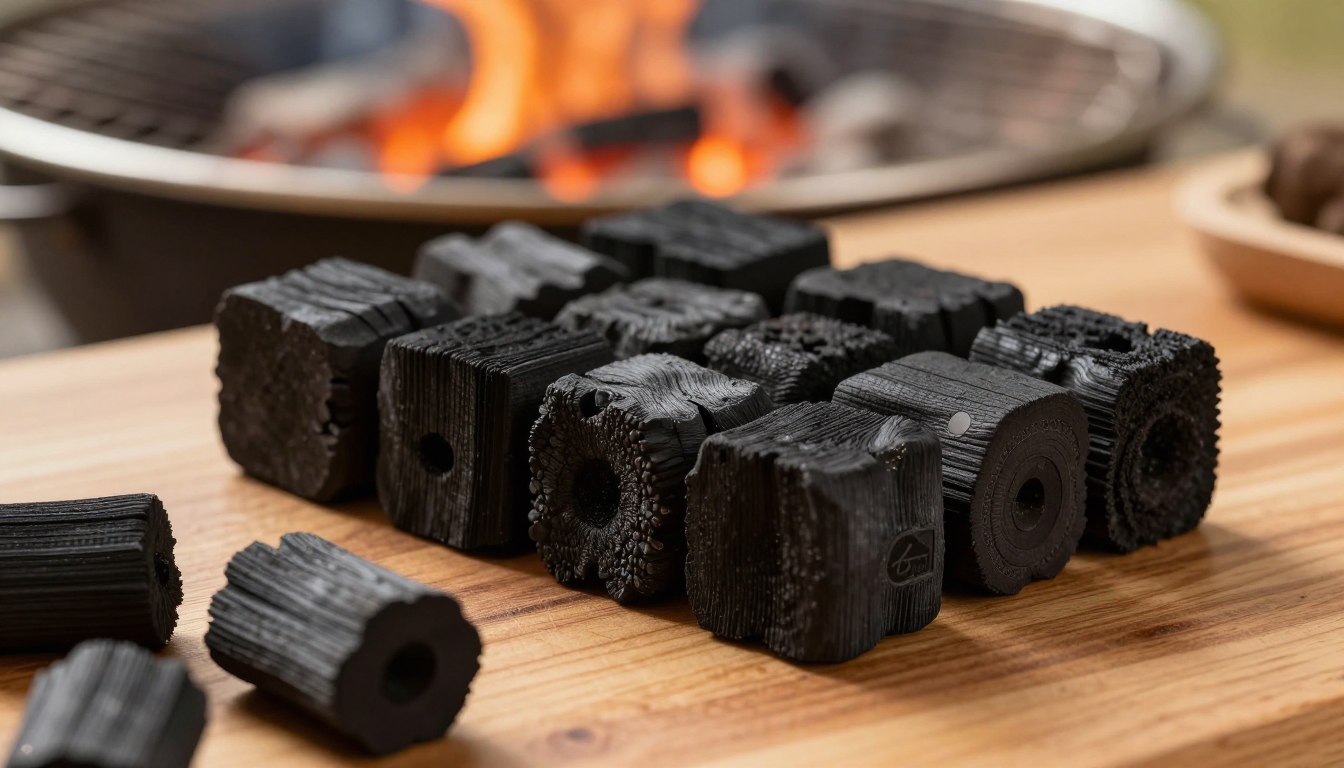
If you have ever wondered what makes your backyard barbecue so consistent, the answer often lies in the humble charcoal briquette. These manufactured fuel sources are designed to provide a steady, reliable heat source for grilling enthusiasts across the United States. By compressing wood byproducts into uniform shapes, manufacturers ensure that every piece burns at a predictable rate.
Composition of Charcoal Briquettes
The secret to the performance of charcoal briquettes lies in their specific blend of ingredients. Producers typically combine sawdust and wood scraps with natural binders, such as cornstarch, to hold the shape together. This mixture is then pressed into molds to create the iconic pillow shape that many grillers recognize instantly.
Some varieties also include additives like limestone or mineral char to help with ignition and heat retention. These components work together to ensure that your fire starts quickly and maintains a steady temperature throughout your cooking session. For those interested in high-quality fuel options, exploring resources like premium charcoal solutions can provide deeper insights into how these materials impact your final dish.
Common Brands of Charcoal Briquettes
The market is filled with various charcoal briquette brands that cater to different cooking styles and preferences. While some focus on rapid lighting, others prioritize long-lasting heat for slow-cooking sessions. Popular names you will frequently find on store shelves include:
- Kingsford Original
- Royal Oak
- Weber Briquettes
- B&B Charcoal
Best Charcoal Briquettes
Identifying the best charcoal briquettes often comes down to your specific needs for ignition speed and ash production. High-quality options are engineered to light with minimal effort, saving you time before the food even hits the grate. They also tend to produce less ash, which makes the cleanup process much easier after a long afternoon of grilling.
Consistency is the hallmark of a superior product. When you choose a reliable brand, you can expect a uniform burn that prevents hot spots and flare-ups. This predictability allows you to focus on your culinary technique rather than constantly managing the fire.
What Is Lump Charcoal?
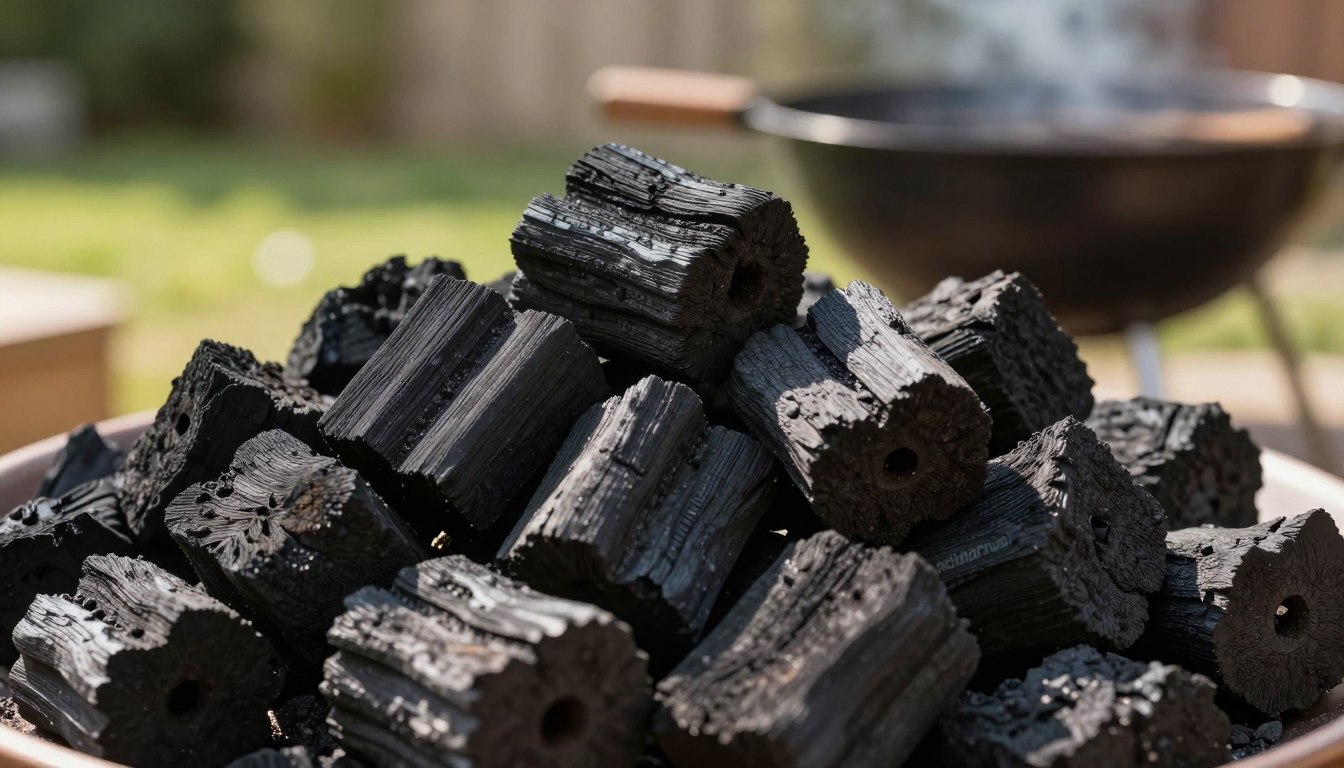
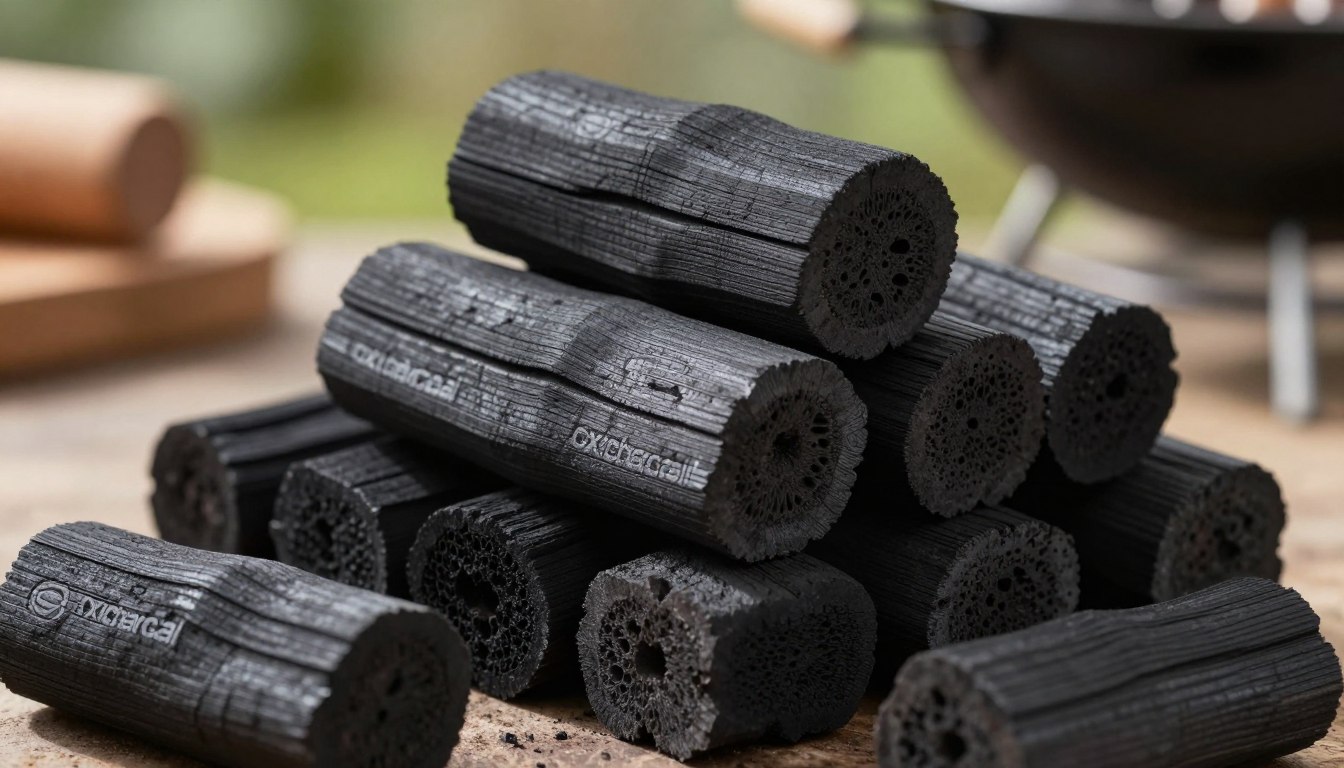
Many grilling enthusiasts prefer lump charcoal because it is essentially charred wood in its most natural form. Unlike other fuel sources, these pieces retain the original shape of the timber from which they were harvested. This results in a highly authentic cooking experience that many professional chefs and backyard cooks crave.
Composition of Lump Charcoal
The composition of this fuel is remarkably simple. It is created by burning wood in a low-oxygen environment, which removes moisture and impurities while leaving behind a pure carbon source. Because it lacks chemical binders, fillers, or accelerants, you are left with nothing but the essence of the wood itself.
This lack of additives is a major advantage for those who prioritize clean-burning fuel. When you use high-quality products like those found at oxicarbon.com, you ensure that your food is not tainted by synthetic chemicals. The result is a cleaner burn that produces less ash and provides a more consistent heat profile.
Popular Lump Charcoal Brands
Choosing the right brand can significantly impact your grilling success. Several manufacturers have earned a reputation for excellence by sourcing high-density hardwoods that burn longer and hotter. Brands such as Fogo, Jealous Devil, and Rockwood are frequently cited by experts for their reliability and minimal sparking.
These premium brands often select specific wood species to provide distinct aromatic profiles. Whether you prefer the mild smoke of fruitwoods or the intense heat of oak, there is a variety to suit your needs. Investing in a reputable brand ensures that your charcoal is free from debris and construction waste.
Uses of Lump Charcoal
Lump charcoal excels in culinary applications that require intense, high-heat searing. Because it can reach much higher temperatures than standard briquettes, it is the ideal choice for locking in juices on a thick ribeye steak. The rapid heat response allows you to achieve a perfect crust while keeping the interior tender.
Beyond searing, this fuel is also favored for its versatility in long-duration smoking sessions. It responds quickly to airflow adjustments, giving you precise control over your grill’s temperature. Whether you are slow-cooking a brisket or firing up a quick weeknight meal, the natural properties of lump charcoal make it a superior choice for flavor-focused cooking.
Key Differences Between Charcoal Briquettes and Lump Charcoal
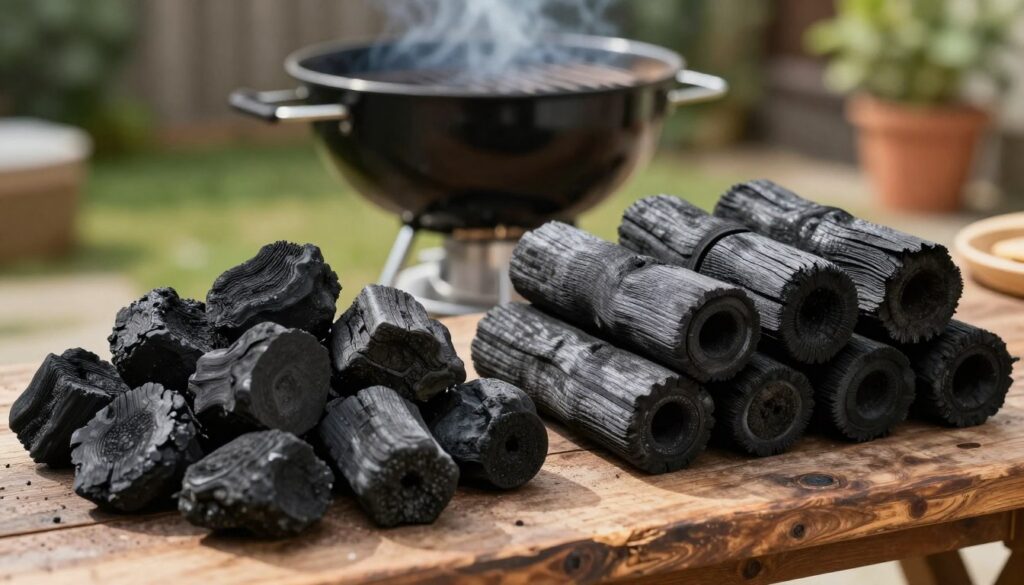
Choosing the right fuel for your grill requires a clear understanding of how different materials perform under heat. Comparing lump charcoal vs briquettes reveals distinct traits that influence everything from your cooking temperature to the final flavor of your meal.
Burn Time and Heat Output
Charcoal briquettes are engineered for consistency. Because they are uniform in size and density, they provide a steady, predictable burn that is perfect for long, slow cooking sessions. You can rely on them to maintain a stable temperature for hours without constant adjustment.
In contrast, lump charcoal burns hotter and faster. It reaches high temperatures quickly, making it an excellent choice for searing steaks or grilling vegetables. However, because the pieces vary in size, you may need to monitor your grill more closely to manage the heat output effectively.
Ease of Use and Availability
If you are looking for convenience, charcoal briquettes are widely available at almost every grocery store and hardware shop across the United States. Their uniform shape makes them easy to stack in a chimney starter, ensuring an even light every time.
Lump charcoal is often favored by enthusiasts who prioritize performance over pure convenience. While it might be slightly harder to find in some local markets, high-quality options like those found at Oxicarbon offer a superior experience for those who enjoy the art of fire management. Mastering the airflow is key when using this natural fuel.
Additives in Charcoal Briquettes vs. Natural Lump
A major technical difference lies in the manufacturing process. Briquettes are made from compressed sawdust and wood scraps, held together by chemical binders and additives to ensure they light easily and burn evenly.
Natural lump charcoal is produced by burning wood in a low-oxygen environment, leaving behind pure carbonized wood. This makes it a cleaner, more natural option for those concerned about chemical additives. When deciding between these fuels, consider the following summary:
- Briquettes: Consistent heat, longer burn, contains binders.
- Lump Charcoal: High heat, fast ignition, 100% natural wood.
- Availability: Briquettes are easier to find in standard retail outlets.
Flavor Profiles: Charcoal Briquettes vs. Lump Charcoal
Your choice between briquettes and lump charcoal creates a distinct sensory experience for your guests. While many focus solely on heat, the fuel you select acts as a primary seasoning agent for your grilled meats and vegetables. By choosing high-quality options like those found at premium charcoal suppliers, you ensure a better foundation for your culinary creations.
Impact on Food Flavor
Lump charcoal is widely celebrated for providing a clean, authentic wood-fired taste. Because it consists of pure carbonized wood, it imparts a natural, smoky aroma that enhances the flavor of your food without overpowering it. This makes it a favorite for those who want the essence of the wood to shine through in every bite.
In contrast, charcoal briquettes often contain binders and additives that can introduce subtle, distinct notes to your cooking. These ingredients are necessary to hold the shape of the briquette, but they may leave a slight chemical undertone if not allowed to burn off completely. Patience is key when using briquettes to ensure your food absorbs only the desired smoky essence.
“The secret to a perfect barbecue is not just the marinade, but the soul of the fire itself.”
Best Uses for Each Type
Matching your fuel to the specific dish you are preparing will elevate your grilling game significantly. Consider these guidelines when deciding which charcoal to light for your next meal:
- Lump Charcoal: Ideal for high-heat searing of steaks and quick-cooking vegetables where a clean, intense wood flavor is desired.
- Charcoal Briquettes: Perfect for low-and-slow smoking or long grilling sessions, as they provide a consistent, steady temperature over several hours.
- Hybrid Approach: Many professionals use a base of briquettes for heat stability while adding a few pieces of lump charcoal to boost the smoky profile.
Ultimately, the best fuel depends on your personal preference and the time you have available. Whether you prioritize the pure, rustic taste of lump or the reliable, long-lasting burn of briquettes, understanding these profiles helps you master the art of the flame.
Health and Safety Considerations
Understanding what goes into your charcoal is a vital step toward a healthier outdoor cooking experience. While convenience is often a priority, the quality of your fuel directly impacts the air you breathe and the food you serve. Choosing natural charcoal briquettes can significantly reduce your exposure to unwanted synthetic substances.
Chemical Additives in Briquettes
Standard briquettes often contain binders, accelerants, and even coal dust to ensure they light quickly and burn evenly. These additives may release unpleasant odors or chemical residues when ignited. If you are sensitive to smoke or concerned about additives, opting for natural charcoal briquettes is a much safer alternative.
These cleaner options rely on wood scraps and organic binders rather than petroleum-based starters. By avoiding synthetic chemicals, you ensure that your grilled meals maintain their pure, smoky flavor without any chemical aftertaste. Prioritizing clean fuel is a simple change that yields significant health benefits for your household.
Hearth and Home Safety Tips
Maintaining a secure grilling area is essential for preventing accidents during your backyard gatherings. Always place your grill on a flat, non-flammable surface at least ten feet away from your home or low-hanging branches. Keeping a fire extinguisher or a bucket of sand nearby provides peace of mind in case of flare-ups.
Regular maintenance of your grill is equally important for long-term safety. Clean out old ash after every use to prevent buildup that could restrict airflow or cause uneven heating. Following these basic guidelines ensures that your focus remains on enjoying delicious food with friends and family.
| Feature | Standard Briquettes | Natural Charcoal Briquettes |
|---|---|---|
| Chemical Additives | High (Binders/Accelerants) | None (Pure Wood) |
| Smoke Quality | May contain chemical odors | Clean, wood-fired aroma |
| Safety Profile | Requires careful handling | Generally safer for food |
| Residue | Higher ash content | Minimal, organic ash |
Cost Comparison: Charcoal Briquettes vs. Lump Charcoal
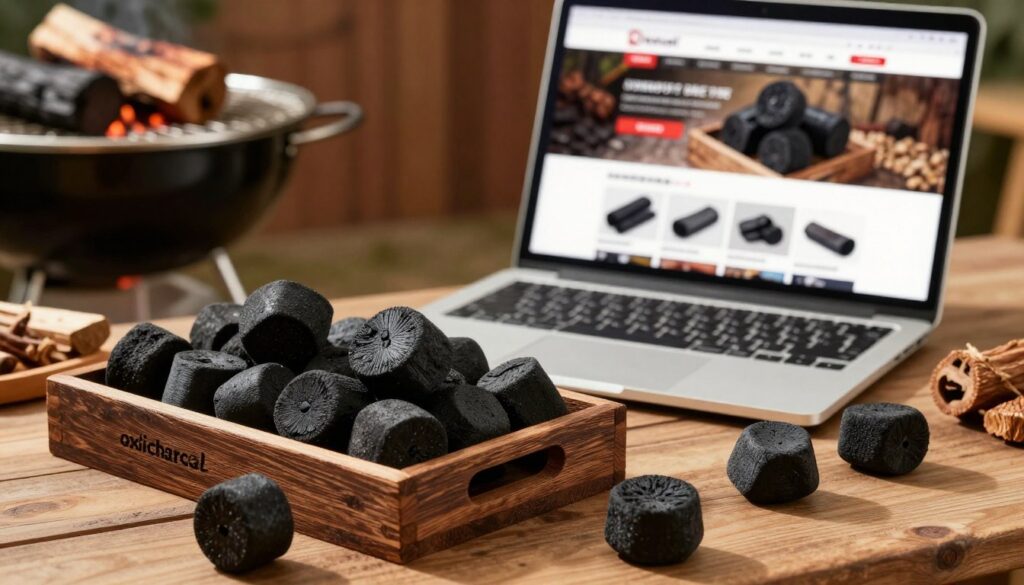
When you stand in the charcoal aisle, the price tag on the bag is only part of the story. While lump charcoal often carries a higher upfront cost, charcoal briquettes are frequently viewed as the more budget-friendly option for casual grillers. Understanding these differences helps you make a smarter choice for your backyard cooking needs.
Pricing Overview
Briquettes are generally mass-produced, which keeps their retail price consistently low. If you are looking to save money, you can often buy charcoal briquettes online in large quantities to secure a better price per pound. This accessibility makes them a staple for families who grill on a regular basis.
In contrast, natural lump charcoal is typically more expensive due to the labor-intensive manufacturing process. It is often marketed as a premium product, appealing to those who prioritize authentic wood flavor over cost savings. You can find high-quality options at oxicarbon.com to compare how these premium fuels perform against standard alternatives.
Long-Term Cost Analysis
Your total expenditure depends heavily on how often you fire up the grill. If you grill several times a week, the cumulative cost of premium lump charcoal can add up quickly. Because briquettes burn longer and more steadily, they often provide better value for high-frequency users who need consistent heat for extended periods.
However, if you only grill occasionally, the higher price of lump charcoal might not significantly impact your annual budget. You might find that the ability to buy charcoal briquettes online in bulk is the most efficient way to manage your expenses if you host large gatherings frequently. Ultimately, balancing your cooking style with your budget will lead you to the most economical fuel choice for your home.
Environmental Impact of Charcoal Types
Understanding the environmental footprint of your charcoal is a vital step toward greener outdoor cooking. Whether you prefer lump charcoal or briquettes, the way these products are made significantly influences their ecological impact. By making informed choices, you can enjoy your summer barbecue while minimizing your carbon footprint.
Manufacturing Processes
The production of charcoal begins with the carbonization of wood, a process where organic material is heated in a low-oxygen environment. This method transforms raw timber into the dense, energy-rich fuel we use for grilling. While traditional lump charcoal is often made from hardwood scraps, briquettes undergo a more complex manufacturing journey.
Briquettes typically combine charcoal dust with binders like starch or sawdust to create a uniform shape. Efficient manufacturing is essential to ensure that these binders are natural and non-toxic. When producers prioritize clean, renewable energy during this phase, the overall environmental impact of the final product is greatly reduced.
Sustainability Practices
Sustainability in the charcoal industry often centers on how raw materials are sourced. Responsible brands focus on using wood waste from furniture manufacturing or sustainable forestry operations rather than cutting down healthy, old-growth trees. This approach helps preserve vital ecosystems while providing high-quality fuel for your grill.
Consumers looking to make a positive change should seek out eco-friendly charcoal briquettes that utilize natural binders and sustainably harvested wood. Choosing products with clear environmental certifications ensures that your grilling habits support healthy forest management. By opting for these greener alternatives, you contribute to a more sustainable future for outdoor cooking enthusiasts across the United States.
Cooking Methods: Which Charcoal Is Best?
Whether you are a weekend griller or a pitmaster, your choice of charcoal dictates your success. Selecting the right fuel is essential for achieving that professional-grade flavor in your backyard. By understanding how different fuels react to heat, you can elevate your culinary results significantly.
Grilling vs. Smoking
When you need high, direct heat for searing steaks or burgers, you want a fuel that ignites quickly and burns hot. Lump charcoal is often the go-to for these fast-paced sessions because it reaches high temperatures rapidly. However, for long, low-temperature cooks like brisket or pork shoulder, consistency is the most important factor.
This is where charcoal briquettes for BBQ truly shine. Their uniform shape and density allow for a steady, predictable burn that lasts for several hours without constant monitoring. If you are looking for reliable performance, you can find high-quality charcoal briquettes for BBQ that provide the steady heat needed for perfect results.
Choosing the Right Charcoal for Your Equipment
Your grill or smoker design plays a major role in how fuel performs. Ceramic kamado-style grills are highly efficient and often work well with lump charcoal, as they hold heat exceptionally well. Conversely, standard kettle grills often benefit from the controlled burn of briquettes to maintain a steady temperature throughout the cooking process.
Efficiency is key when managing your airflow and vents. If you use a large offset smoker, using charcoal briquettes for BBQ can help you maintain a stable firebox temperature with less effort. Always consider the size of your firebox and the ventilation capacity of your equipment before choosing your fuel source. By matching your charcoal to your specific setup, you ensure that your grill operates at peak efficiency every time you cook.
Conclusion: Which Charcoal Should You Choose?
Choosing between briquettes and lump charcoal depends on your specific cooking goals and flavor preferences. Your decision impacts everything from heat consistency to the final aroma of your grilled dishes.
If you prioritize steady, long-lasting heat for slow cooking, high-quality charcoal briquettes offer the reliability you need. These products provide a controlled burn that simplifies temperature management during extended sessions.
Making Informed Choices
Look for brands that prioritize clean manufacturing processes. Premium options often utilize natural binders and sustainable materials to ensure a pure cooking experience. Evaluating the ash content and burn duration helps you identify the best fuel for your backyard setup.
Mastering Your Grilling Technique
Proper storage keeps your fuel dry and ready for use. Always store your supplies in a cool, moisture-free environment to maintain optimal performance. Lighting your fire with a chimney starter ensures an even glow without the need for chemical starters that might alter the taste of your food.
Consistent results come from understanding your equipment and selecting the right fuel grade. Whether you are searing steaks or smoking ribs, investing in high-quality charcoal briquettes elevates your culinary results. Enjoy the process of perfecting your craft with every meal you prepare.
FAQ
When comparing lump charcoal vs briquettes, which is the better choice for my grill?
The choice between lump charcoal vs briquettes really depends on your specific cooking goals! If you are looking for a consistent, long-lasting burn for a slow-cooked brisket, charcoal briquettes are usually the way to go. However, if you want to sear a steak at a very high temperature with a natural wood aroma, lump charcoal is often preferred by enthusiasts.
What are the best charcoal briquettes for consistent heat?
Some of the best charcoal briquettes on the market come from established names like Kingsford and Royal Oak. These brands are known for their uniform shape and density, which ensures that your grill maintains a steady temperature throughout your entire cooking session without the “hot spots” often found in other fuel types.
Which charcoal briquette brands should I look for?
There are several high-performing charcoal briquette brands available today. For traditional backyard grilling, Kingsford Original is a staple. If you are looking for professional-grade performance, B&B Charcoal and Jealous Devil offer premium options that produce less ash and higher heat than standard grocery store varieties.
Are there natural charcoal briquettes that don’t use chemical binders?
Yes! If you are concerned about additives, you should look for natural charcoal briquettes. Brands like Weber and Jealous Devil Jax produce briquettes using 100% hardwood and natural vegetable starch as a binder, providing a cleaner burn that focuses on the pure flavor of the wood rather than chemicals.
Where is the best place to buy charcoal briquettes online?
You can buy charcoal briquettes online through major retailers like Amazon, Home Depot, or Lowe’s, which often offer bulk shipping right to your door. Buying online is a great way to access specialty brands or stock up on high-quality charcoal briquettes before the peak summer grilling season begins.
Why should I choose charcoal briquettes for BBQ smoking?
Using charcoal briquettes for BBQ smoking is a favorite technique for many pitmasters because of their predictable burn rate. Unlike lump charcoal, which can vary in size and heat output, briquettes allow you to “set it and forget it,” making it much easier to manage the low-and-slow temperatures required for perfect ribs or pulled pork.
Are there any eco-friendly charcoal briquettes available?
Absolutely. Many manufacturers are now producing eco-friendly charcoal briquettes made from repurposed wood scraps or invasive species. Brands like Green Olive focus on sustainability, ensuring that your outdoor cooking has a smaller environmental footprint while still delivering excellent heat and flavor.
How can I tell if I am using high-quality charcoal briquettes?
You can identify high-quality charcoal briquettes by how much ash they leave behind and how long they stay lit. Premium briquettes, such as those from Fogo or Kingsford Professional, are designed to burn hotter and cleaner, meaning you’ll spend less time cleaning out your grill and more time enjoying your meal.
Does the flavor of my food change when using lump charcoal versus briquettes?
It can! Lump charcoal is essentially pure charred wood, so it often imparts a more distinct, smoky, wood-fired flavor. While charcoal briquettes provide a very neutral and consistent heat source, choosing a high-end brand like Royal Oak ensures you still get a great grilled taste without any off-flavors from harsh chemical additives.
Is it safe to use briquettes in a ceramic grill like a Big Green Egg?
While you can use them, most manufacturers of ceramic grills recommend lump charcoal over briquettes. This is because briquettes produce more ash, which can clog the air vents in a Kamado-style cooker. However, if you use high-quality charcoal briquettes with low ash production, such as those from B&B, you can still achieve great results in most equipment.