In the U.S., young adults aged 18–24 are most into hookah. This fact has health agencies keeping a close eye.
The hookah world is more than just a product. It includes waterpipes, shisha, charcoal, and more. It’s also about the lounge experience, which offers time, service, and atmosphere.
This article dives into the U.S. hookah market. We aim to understand its future. We’ll explore what people buy, how lounges compete, and why designs keep evolving.
Hookah is a social ritual for many. Yet, tobacco laws, taxes, and new studies are changing the game. This affects brands and lounge owners.
Key Takeaways
-
The hookah industry in the U.S. includes products, accessories, and lounge services.
-
This hookah industry analysis focuses on trends, not a “how-to” smoking guide.
-
Social use helps drive demand, specially in group settings and nightlife.
-
Regulation and health scrutiny can shift pricing, flavors, and access.
-
Innovation shows up in heat control, materials, and lounge business models.
-
Consumer behavior and local policy often decide which markets grow fastest.
Overview of the Hookah Industry Landscape
In the U.S., the hookah world meets tobacco, hospitality, and lifestyle. It’s helpful to see the “industry” as a network of channels, not just one. Many statistics focus on one part, so understanding the whole picture is key.
When people talk about “market size,” they might mean different things. It could be shisha, charcoal, or accessories sold in shops. Or it could be the money made in lounges. Online sales and wholesale deals also play a role.
These different areas can make statistics seem confusing, even if they’re all correct in their own way.
Historical Context of Hookah Use
Hookah has a long history in the Middle East, North Africa, and South Asia. It was a social activity. In the U.S., it became popular through immigration, travel, and café culture.
It spread to college towns and nightlife areas. Flavored shisha made it easier for new users to try it. This change affects how menus and prices are set today.
Current Market Size and Growth Rates
Because the hookah world includes products and places, growth is tracked in different ways. It’s important to look at lounge licenses, retail sales, and premium items. Small changes can make a big difference.
- Lounge openings and closures, including license activity and local enforcement patterns
- Shisha, charcoal, and disposable accessory sales moving through retail and wholesale
- Premiumization, such as higher-end glass bases and stainless steel stems
- Modern “session” add-ons, including heat management devices and prepacked bowls in some venues
Good measurement combines several sources. Research firms estimate sales, health studies track use, and licensing records show venue activity. Together, they give a clearer view of the market without relying on one number.
| What gets measured | What it captures | What it can miss | Why it matters for hookah market trends |
|---|---|---|---|
| Retail shisha and charcoal sales | Pack movement in smoke shops and specialty stores; brand rotation and flavor demand | Lounge consumption and house-brand inventory that never hits retail shelves | Shows flavor cycles and price sensitivity that often lead broader hookah market trends |
| Lounge revenue and traffic | Session pricing, table turnover, and add-on sales like beverages and upgrades | Off-premise sales and online purchases made by the same customers | Helps explain shifts in the social side of demand that many hookah industry statistics don’t reflect |
| Online direct-to-consumer activity | Accessory demand, replacement parts, and niche product discovery | Cash-and-carry retail and local distribution deals | Signals how quickly new designs spread, from heat management to premium builds |
| Wholesale and distribution volume | Supply flow into shops and venues; regional expansion patterns | Consumer preference details, like which flavors actually get reordered | Adds a supply-side layer that supports more grounded hookah industry statistics |
| Public health prevalence studies | Who is using hookah, how often, and in what settings | Sales value, product mix, and venue economics | Explains demand drivers behind hookah market trends, specially in younger adult segments |
| State and local licensing data | Counts and categories of permitted venues; changes in compliance requirements | Revenue levels and actual session volume inside each venue | Offers a reality check for hookah industry statistics tied to the lounge footprint |
Key Players in the American Hookah Market
In the U.S., the top brands mix taste, build quality, and what shops can stock. The hookah world changes fast. People follow what lounges serve and what shops can restock quickly.
Popular brands are shaped by distribution and hype. Online stores, wholesalers, and smoke shops shape what’s seen as national. Rules vary by state and city.
Leading Brands and Manufacturers
For shisha, Al Fakher is known for familiar flavors. Starbuzz and Fumari offer bold aromas and smooth sessions. Tangiers is loved for strong blends and heat-sensitive setups.
Nakhla and Social Smoke are also talked about, but availability can change. In many places, what’s popular is what a trusted distributor can deliver regularly.
Hardware is important too. Khalil Mamoon is known for traditional styles, and MYA for classic and compact designs. Modern stainless-steel designs are also popular for easy cleaning and consistent draw.
Accessories can make a session feel premium or frustrating. Coconut charcoals like Coco Nara are common. Heat management affects flavor, ash, and how well lounges run.
| Category | Well-known examples in U.S. retail | What buyers usually value | Where it shows up most |
|---|---|---|---|
| Shisha | Al Fakher, Starbuzz, Fumari, Nakhla, Tangiers, Social Smoke | Flavor selection, nicotine strength range, heat tolerance, cut and moisture level | Lounges, smoke shops, online specialty stores |
| Hookah hardware | Khalil Mamoon, MYA | Build quality, draw feel, cleaning ease, long-term parts fit | Retail shelves, lounge back bars, premium starter bundles |
| Charcoal and heat control | Coco Nara-style coconut charcoals, common heat management approaches | Session consistency, low odor, steady burn, faster setup for staff | High-volume lounges and frequent home users |
| Distribution and retail | Regional wholesalers, online specialty retailers, local smoke shops | Reliable restock, compliant labeling, stable pricing, wider SKU access | State-by-state markets with different demand patterns |
Emerging Startups and Innovations
New brands often focus on engineering and practicality. They use design-forward materials and modular parts. This makes lounges run smoother and upkeep easier at home.
Innovation is about consistent results. Brands work on better draw pathways and heat control. These changes are key for lounges that need consistent quality.
Startups also work on the behind-the-scenes stuff. They focus on supply chain, brand identity, and packaging. Retail education is important, as advertising is limited and flavor scrutiny is high.
Consumer Demographics and Preferences
In the U.S., people have different reasons for buying hookah. Some like the social scene, others want the best equipment, and some just enjoy the tradition. Hookah culture shows in where people meet, how they share, and what they expect from their sessions.
Hookah industry stats show demand, but it’s the preferences that guide daily choices. People look for a smooth draw, thick clouds, and flavors that last. In lounges, cleanliness and staff skills are as important as the brand.
Age Groups and Hookah Popularity
Young adults often see hookah as part of their nightlife. Lounges near universities focus on groups, quick setups, and photo-ready tables. The glass base, lighting, and fruit-heads are big draws.
As people get older, their hookah use changes. They might plan sessions more and focus on heat control, bowl style, and stronger tobacco. For them, it’s about quality over quantity.
Venue style also changes with age and purpose. Upscale lounges compete on ambiance and service, while cafes offer tea, food, and a relaxed vibe. The split between these spaces affects what products sell best.
| Consumer cluster | Common age range | Typical venue | What they ask for | What keeps them coming back |
|---|---|---|---|---|
| Younger social smokers | 21–29 | Campus-adjacent lounges, nightlife rooms | Sweet or icy flavors, fast setups, group hoses | Instagrammable presentation, music, easy seating |
| Premium gear enthusiasts | 25–40 | Specialty lounges, home sessions | Heat management, bowl packing, stronger mixes | Smooth draw, dense smoke, reliable flavor clarity |
| Cultural and traditional users | 30+ | Café-style spaces with tea/food, family gatherings | Classic profiles, steady sessions, familiar rituals | Cleanliness, comfort, respectful atmosphere |
Gender Differences in Hookah Consumption
In many cities, gender patterns show up in preferences more than who participates. Some prefer fruit or dessert flavors, while others like deeper, spiced notes. The lounge’s vibe, like lighting and seating, is also important.
Comfort and safety shape where people go and how long they stay. Good lounges have clear rules, attentive staff, and clean stations. This makes the experience welcoming, not pushy.
Hookah industry stats summarize the market, but the real experience is personal. Guests remember a session that pulls smoothly, tastes strong, and looks good. These details often decide if someone returns with friends or keeps it as an occasional treat.
Trends and Innovations Shaping the Industry
In the U.S., lounges and retailers are quick to adapt to new trends in the hookah market. They focus on consistency and variety. This includes menu updates, hardware improvements, and stricter session standards to keep guests coming back.
Flavor Evolution in Hookah Products
Flavor options are expanding beyond the usual double apple, mint, and grape. Now, dessert and candy flavors are gaining popularity. Also, “ice” blends are trending, adding a cool finish without changing the flavor too much.
Lounges are also experimenting with mixology-style pairings. These pairings aim for a balanced taste from start to finish. This shift is important for sales, as it encourages repeat visits and easy upsells to premium lines.
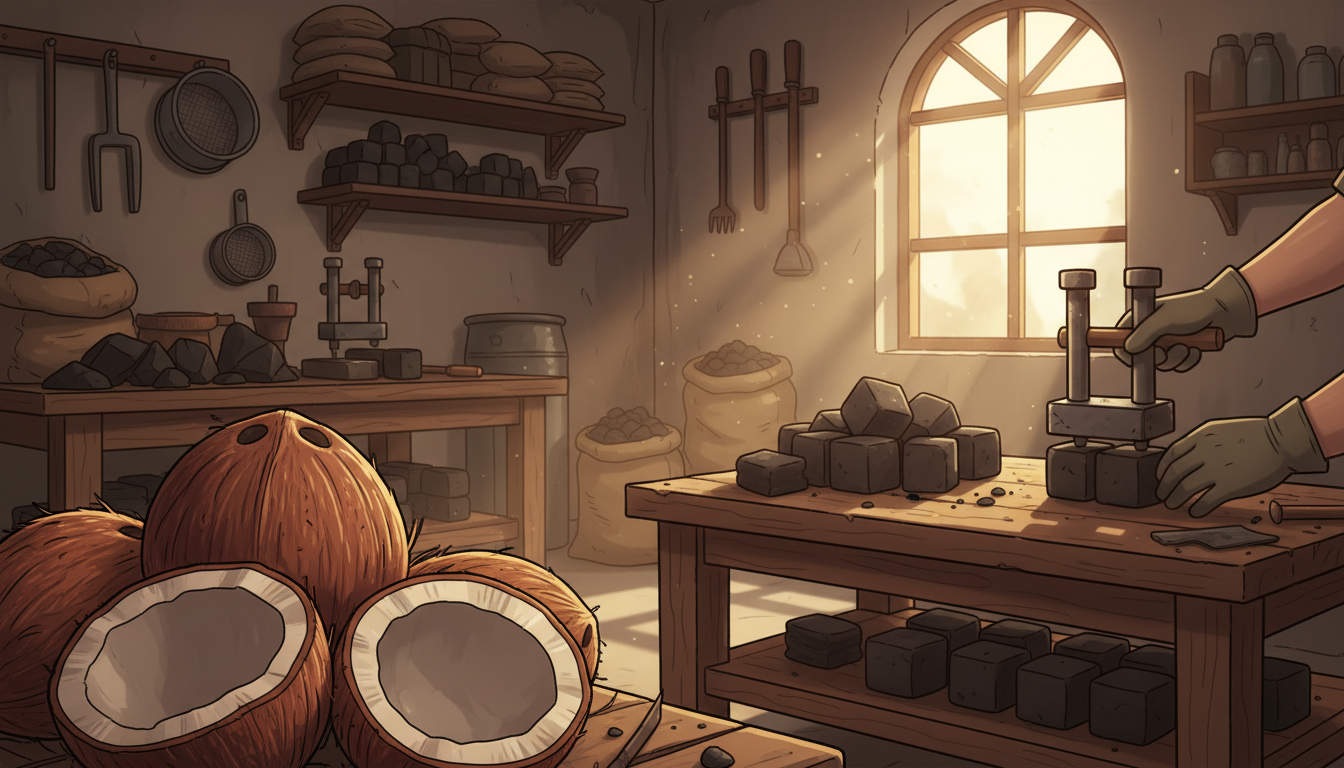
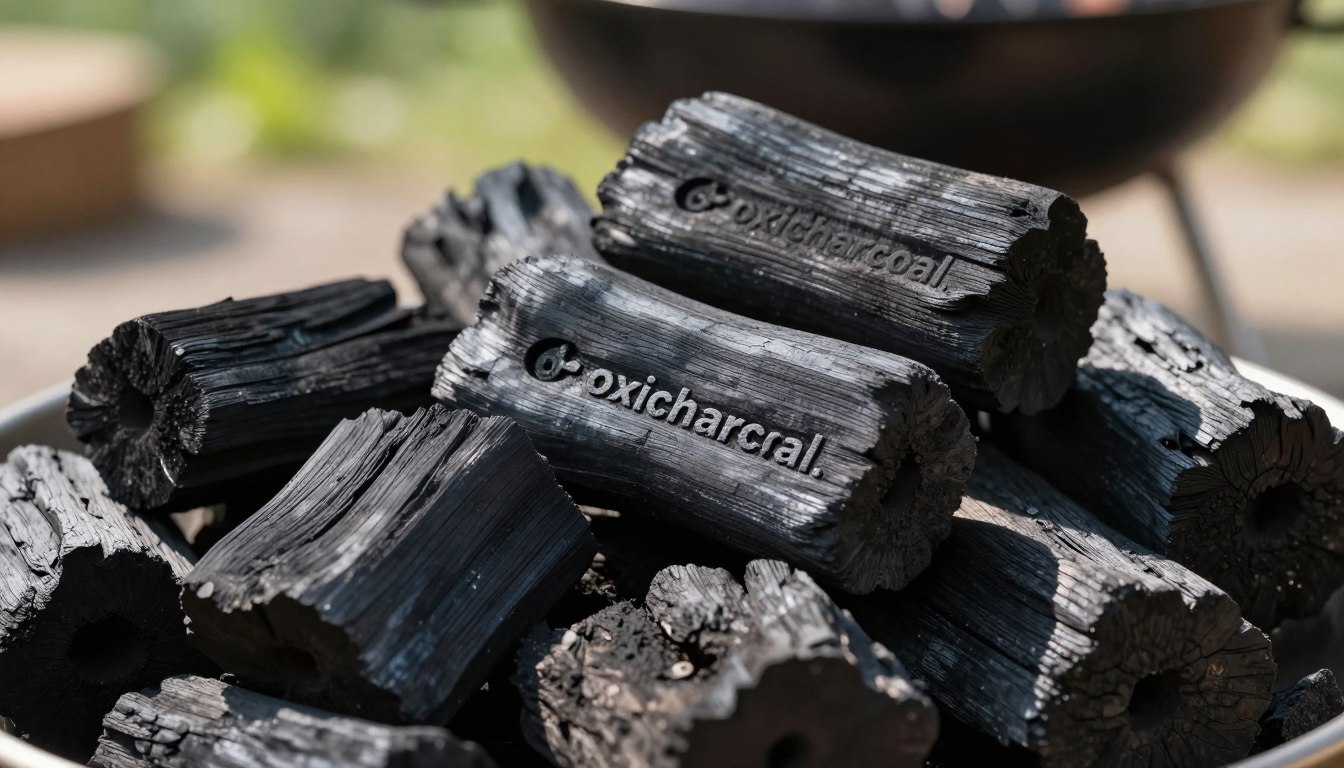
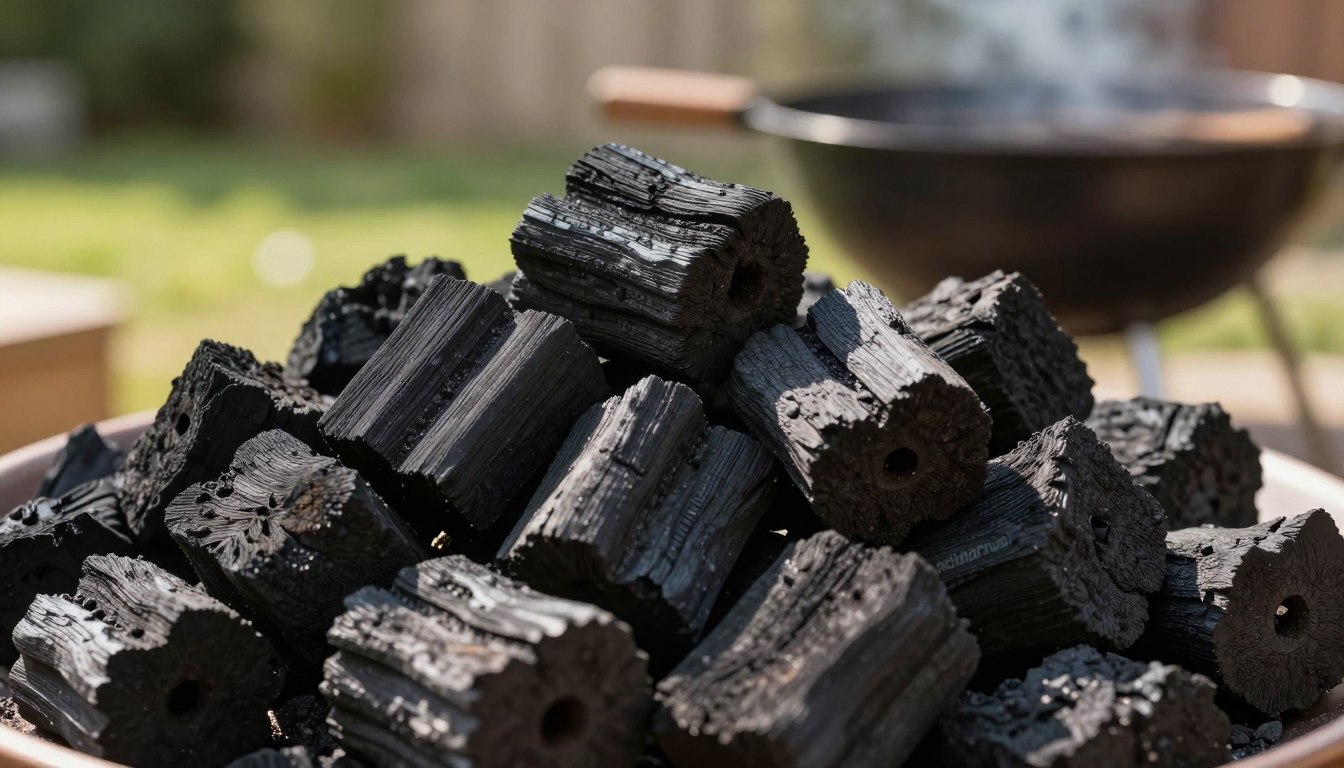
The choice of fuel is also a topic of discussion. Charcoal can affect the heat and aftertaste. Many are turning to dense coconut-shell briquettes for a neutral burn. This choice is influenced by Indonesian coconut charcoal export quality.
Technological Advances in Hookah Design
On the hardware side, the focus is on durable materials like stainless steel and anodized aluminum. These materials resist corrosion, helping lounges protect their investment and keep rigs looking good.
Engineering upgrades aim to improve airflow and sealing. A tighter fit and smoother draw make sessions more predictable. This reduces complaints and saves staff time on troubleshooting leaks.
Modular parts are another trend, making cleaning between sessions faster. Many lounges use standardized packing methods and heat management devices. They also follow simple checklists to minimize bad sessions and negative reviews.
| Innovation Focus | What’s Changing | Why It Matters for Lounges | Guest-Facing Impact |
|---|---|---|---|
| Flavor direction | From classic anise/mint/grape to dessert, candy, “ice,” and layered blends | Faster menu refresh cycles and more mix add-ons per ticket | More variety and a clearer reason to try a new bowl |
| Material upgrades | Greater use of stainless steel and anodized aluminum for stems and connectors | Less corrosion, fewer replacements, easier sanitation routines | Cleaner look, fewer off-notes from worn parts |
| Airflow and sealing | Improved grommets, ports, and tighter tolerances for steadier pull | Fewer leak checks during rush hours and more consistent sessions | Smoother draw and more even smoke output |
| Modular maintenance | Replaceable downstems, diffusers, hoses, and valves | Quicker turnover between tables and simpler staff training | More consistent experience from visit to visit |
| Session consistency | Standard packing, heat management devices, and burn-time targets | Lower waste, fewer re-makes, steadier operating costs | Fewer harsh starts and fewer sudden flavor drops |
Regulatory Environment and Legal Considerations
The rules for the hookah industry keep changing. It’s a mix of tobacco laws, clean air rules, age checks, flavor debates, and business licenses. Knowing who makes the rules for each issue is key for a good analysis.
Even with federal rules, following them is up to each business. They use training, ID scanners, signs, and records to stay compliant. Consistency is important because inspections can happen anytime.
State-by-State Regulations
Customers often notice the rules when they enter a lounge. But, the real changes come from permits and local codes. Cities might limit where you can sell tobacco, how many licenses you can have, or when you can operate.
- Minimum age enforcement: 21+ is the new rule, with venues checking IDs and refusing service if needed.
- Indoor smoking rules: Some places let tobacco shops or lounges smoke indoors, while others ban it.
- Tax structure: Shisha can be taxed by price, weight, or type, affecting what you pay at the counter.
- Packaging and labeling: Rules might require health warnings, ingredient lists, and tamper-evident packaging.
| Regulatory variable | What it controls in a lounge or retail shop | How it can show up for customers | Common compliance pressure point |
|---|---|---|---|
| Age verification (21+) | Entry checks, point-of-sale process, staff training | ID required at the door, wristbands, declined service | Failure-to-check citations and repeat-offense penalties |
| Clean indoor air rules | Whether on-site smoking is allowed and under what exemption | Outdoor-only setups, ventilation expectations, designated areas | Misuse of “tobacco retail” exemptions during food service |
| Excise tax on shisha | Wholesale costs, menu pricing, inventory planning | Higher bowl prices, smaller portions, promo limits | Tax reporting errors and audit risk |
| Licensing and zoning | Where a lounge can operate and what permits it needs | Fewer lounges in certain districts, earlier closing times | Permit renewals tied to inspections and neighborhood complaints |
| Packaging and labeling | Product presentation, warning visibility, retail storage | More prominent warnings, sealed containers, limited sampling | Non-compliant inventory that must be pulled from shelves |
Impact of Tobacco Control Policies
Policy changes can quickly affect demand and operations. Flavor restrictions, for example, can limit menu options and push customers to what’s left. This is where price sensitivity and brand switching are most noticeable.
Licensing and zoning crackdowns can also reduce the number of lounges. Businesses might focus more on food, mocktails, or events to stay afloat. The legal landscape often determines if a business can grow or stay small.
Social and Cultural Influences on Hookah Use
In many U.S. cities, hookah is a shared experience, not just a solo habit. People come together, share flavors, and enjoy the moment. This group aspect makes hookah unique compared to other nicotine products.

The global hookah industry is growing, changing what Americans expect. New heat systems, clean glass, and premium hoses are seen as quality. Yet, the heart of the experience remains in the conversation, laughter, and passing the hose.
Hookah in Social Settings
A great session focuses on small details. Music volume, lighting, and table space are important. Many lounges offer food and drinks, keeping groups together longer.
Social media influences what people think lounges should be like. A clean coal tray, dramatic cloud shots, and a variety of flavors look good on camera. This feedback loop makes lounges more curated, perfect for nightlife.
| Setting cue | What guests often expect | How lounges typically deliver it |
|---|---|---|
| Group seating | Room to share one hookah and eat | Sectionals, larger tables, and dedicated tray space |
| Sound and mood | Conversation first, music second | DJ sets early, quieter playlists later, softer lighting |
| Service rhythm | Quick coal changes without interrupting | Floor staff rounds, timers, and heat checks by request |
| Menu design | Easy flavor picks and clear strength cues | Flavor families, mix suggestions, and “house blend” options |
Cultural Significance Among Different Communities
U.S. hookah culture draws from Middle Eastern, North African, South Asian, and Eastern Mediterranean traditions. It’s often linked to hospitality—welcoming guests, serving sweets, and enjoying time together. These traditions are carried forward, even as settings change.
Across the global hookah industry, there’s a mix of authenticity and fusion. Some venues stick to traditional décor and flavors. Others blend cocktail-lounge style with premium hardware, keeping the communal aspect central to hookah culture.
The Rise of Hookah Lounges in the U.S.
In major U.S. cities, lounges are now a big part of the nightlife. Over 2,500 lounges are registered across the country. They are most common in California, Texas, Florida, and New York.
This growth fits with wider trends in the hookah market. The U.S. market value is near USD 163 million. It’s expected to grow by 5.2% each year until 2030.
Hookah lounge owners face strict rules. The FDA watches them closely. Local taxes can be as high as 90%.
States like California and New York have strict indoor smoking laws. These rules affect how lounges are set up and run.
Characteristics of Popular Hookah Lounges
Good lounges seem simple but are well-run. They focus on ventilation, clean glassware, and consistent quality. This sets the tone before the first coal is lit.
Teams that do well have trained staff. They check IDs and manage seating well. Guests expect quick help, like swapping hose tips or adjusting heat.
- Cleanliness in hoses, tongs, and prep areas
- Safe coal use and disposal
- A variety of flavors, with staff to help choose
- Rules that make things easy: ID checks, table pacing, and seating limits
The Experience Offered by Lounges
Customers love the “third place” feel. They enjoy comfy seating, nice lighting, and music that lets them talk. Wi-Fi and outlets are important, too, for groups staying late in downtown areas.
Lounges make money from hookah prices, upgrades, and extras. Food and drinks can be key, along with table minimums and special events. These choices reflect the trend of lounges becoming more than just places to smoke.
Product choices also matter. Most hookahs sold are mass-produced. But handmade items, making up 25% of revenue, are growing faster. Guests often ask about the origin and design of their gear. This shows a shift in American hookah market trends.
| Operational Focus | What Guests Notice | How It Affects the Business | Common Pressure Point |
|---|---|---|---|
| Ventilation & air flow (where permitted) | Less smoke haze, easier conversation | Longer stays and better comfort ratings | Local rules and landlord constraints |
| Session consistency (heat, draw, bowl setup) | Flavor stays steady; fewer harsh pulls | Higher repeat visits and fewer comps | Peak-night throughput without shortcuts |
| Staff training and floor timing | Fast setup, proactive coal management | More premium upgrades and smoother table turns | Hiring, retention, and busy-weekend staffing |
| Compliance and community relations | Clear ID checks and calm entry process | Lower risk of fines and fewer neighbor complaints | Changing enforcement and local sentiment |
| Charcoal handling and safety | Clean stations, no lingering burnt smell | Reduced incidents and stronger insurance posture | Storage, disposal, and staff routines |
Behind the scenes, the hookah lounge industry is all about tight operations. They deal with insurance, careful charcoal use, and keeping neighbors happy. On the floor, the goal is to keep the pace up on busy nights without sacrificing quality. This is where market trends meet real-world service decisions.
Health Concerns Associated with Hookah Smoking
Health questions affect how people see the hookah industry. This includes rules in lounges and labels on products. In a detailed analysis, how we talk about risks is key. It can change how people trust the industry and what rules are made for hookah use.
Many think the water in hookah filters out dangers. But, water only cools the smoke, making it feel smoother. It doesn’t remove the risks. This smoother smoke can also make people want to smoke for longer.
Misconceptions About Hookah and Health Risks
Some believe hookah is just flavored steam. But, the smoke can have nicotine, leading to addiction. Health messages also warn about carbon monoxide from charcoal.
The place where you smoke matters, not just the pipe. In places like lounges or parties, smoke can build up. This is why health concerns are important for the hookah industry.
- Cooling changes the feel of smoke, not the full mix of toxicants.
- Charcoal heat can add carbon monoxide exposure to the session.
- Secondhand smoke can affect friends and staff in the same space.
Research Findings on Hookah Use vs. Cigarettes
Comparing hookah to cigarettes is tricky. Cigarettes are often quick and frequent. Hookah sessions, on the other hand, can last long with breaks. This can mean more smoke overall, so saying “one session equals one cigarette” is not accurate.
Research talks about the amount of smoke in typical sessions. It also looks at the social setting. These points are important in industry analysis. They can influence policies, lounge rules, how people see hookah, and marketing limits.
| Factor | Typical Hookah Use | Typical Cigarette Use |
|---|---|---|
| Session length | Often 45–90 minutes in a social setting | Often 5–10 minutes per cigarette |
| Smoke volume | Can be high due to long sessions and repeated draws | Lower per cigarette, but may add up across a day |
| Heat source | Commonly charcoal, which can increase carbon monoxide concerns | Burning tobacco in the cigarette itself |
| Use pattern | More occasional for some users, but sessions can be extended | More likely daily for frequent smokers |
| Shared environment | Often group use, raising secondhand exposure in enclosed spaces | May be solo, though secondhand smoke can affect nearby people |
For operators and brands, this is not just a medical debate. It shapes compliance plans, staff training, and how risk statements are handled in-store. The hookah industry will keep feeling these pressures as standards and local enforcement evolve.
Sustainability and Eco-Friendly Practices
Sustainability in hookah is about making real choices, not just talking about it. In the U.S., people and business owners are focusing on waste, where things come from, and how long they last. These changes reflect bigger trends in the hookah world.

Shifts Towards Organic and Natural Ingredients
Many brands now highlight simpler ingredients and cleaner flavors. You’ll see more natural flavors, fewer additives, and plant-based options. This appeals to those who want to know what they’re getting.
But, it’s important to remember that natural doesn’t always mean safe. Heat, smoke, and aerosols can be risks. This balance is part of the conversation in the hookah world.
Eco-Conscious Brands in the Hookah Market
Eco-friendly practices start with reducing waste. Brands are making boxes smaller, using recyclable paper, and cutting down on plastic. They’re also focusing on coconut-shell charcoal for its sustainability.
Lounges can also make a difference. Some use washable parts and smart inventory to cut down on waste. They also focus on safe handling and energy-efficient ventilation.
| Eco focus | What it can look like in practice | What customers tend to notice |
|---|---|---|
| Packaging reduction | Smaller cartons, less filler, paper-based inserts where feasible | Less trash at home, cleaner “premium” presentation |
| Material choices | Recyclable components when allowed, durable metals and glass built to last | Heavier feel, fewer replacements, better long-term value |
| Charcoal sourcing | Coconut-shell charcoal positioned around steadier burn and lower odor | Less lingering smell, less ash on tables, more consistent sessions |
| Lounge waste and airflow | Clear coal disposal routines, foil cleanup plans, efficient ventilation maintenance | Cleaner rooms, less haze, smoother overall experience |
Eco-friendly branding is also on the rise. You’ll see minimalist labels, refill-friendly formats, and durable hookahs. As these trends grow, they’re becoming more common worldwide, from product design to lounge setups.
Marketing Strategies in the Hookah Industry
In the U.S., hookah marketing is mostly online, but it’s regulated. Websites and sign-up forms must check age, and many platforms limit tobacco ads. Brands must use clean language that doesn’t make health claims, even when talking about trends.
Despite these rules, smart marketing can grow interest in hookah brands. The best strategy is to educate, not just advertise. By answering real questions, content can grab attention without making false promises.
Digital Marketing Campaigns
SEO articles can draw in traffic by matching search terms. Topics like bowl packing and flavor notes are easy to read and trust. But, language must stay factual and avoid claims about safety.
Email and SMS can work well if customers sign up and local laws allow it. Short messages, back-in-stock alerts, and event reminders are good. Loyalty programs also help, rewarding repeat visits without broad ads.
- Educational hubs that explain care, setup, and flavor profiles in plain terms
- Opted-in email/SMS for new arrivals, event nights, and limited releases
- Loyalty perks that encourage return visits and referrals
- Community touchpoints like tastings, DJ nights, and brand-led lounge takeovers
Utilizing Influencers and Social Media
Influencers can help, but they must fit well. Lifestyle creators and lounge staff often do best. Partnerships need clear disclosure, and posts must follow platform rules to avoid issues.
For lounges, reviews and short videos drive discovery. Google and Yelp ratings make a quick first impression. TikTok and Instagram can boost foot traffic with a single clip. Good service, quick replies, and calm service recovery are also marketing tools.
| Channel | What It Does Well | Compliance-Friendly Angle | Best-Fit KPI |
|---|---|---|---|
| SEO content | Captures high-intent searches for lounges, setups, and flavors | Educational tone, product care, no prohibited claims | Organic sessions and time on page |
| Email/SMS (opted-in) | Drives repeat purchases and event turnout with direct messages | Age-gated lists, clear consent, localized messaging | Return rate and redemption rate |
| Loyalty programs | Encourages regulars and builds predictable visits | Rewards behavior, not claims; simple terms and age checks | Member visit frequency |
| Influencers & lounge partners | Adds social proof and expands reach in nightlife circles | Disclosure rules, platform-safe creative, venue-first storytelling | Profile visits and in-store mentions |
| Reviews (Google/Yelp) | Boosts local discovery and decision confidence | Consistent responses, honest follow-ups, service recovery | Rating trend and direction requests |
Future Outlook for the Hookah Industry
The U.S. hookah scene is expected to grow in nightlife spots. Lounges are becoming a big part of social plans. Hookah industry statistics show a steady demand for premium setups and new flavors.
Customers also want a better in-store experience. But, growth will be uneven due to changing local rules.
Predictions for Market Growth and Trends
Operators will focus on compliance, with better ventilation and air quality. They will add more hospitality touches, like strong food programs and high-end hardware. Emerging trends include app-linked controls, natural charcoal, and herbal blends.
Potential Challenges Ahead for the Industry
The biggest risks are policy and perception changes. Flavor limits, higher tobacco taxes, and stricter air rules can increase costs. Health research may also change how people view smoking.
Brands and lounge owners should keep an eye on local laws. They should also watch for innovations that improve the experience without triggering new rules. Businesses that stay flexible and invest in the experience will thrive under tighter rules.
FAQ
What counts as “hookah” in the U.S. market?
In the U.S., “hookah” includes the waterpipe, shisha, charcoal, and bowls. It also includes hoses and heat management devices. The hookah lounge industry is a big part of it, with venues, staff, and service standards.
How is the U.S. hookah industry different from the global hookah industry?
The global hookah industry is rooted in social traditions. In the U.S., it blends those traditions with nightlife and café culture. American growth depends on local laws and tobacco control policies.
What are the biggest hookah market trends right now?
Big trends include premium hardware and consistent sessions. Lounges are refreshing menus faster and investing in better airflow. They also focus on easier-clean materials and tighter service processes.
Which popular hookah brands are most common in the U.S.?
Popular shisha brands in the U.S. include Al Fakher, Starbuzz, and Fumari. Nakhla, Tangiers, and Social Smoke are also well-known. For hardware, Khalil Mamoon and MYA are classics, with modern designs available too.
How do hookah lounges make money in today’s hookah lounge industry?
Lounges make money from per-head pricing and premium upgrades. They also focus on food and beverage sales. Event nights and fast table turnover are important, but cleanliness and coal management are key to repeat visits.
What consumer preferences are shaping hookah smoking culture in the U.S.?
U.S. hookah culture values social settings and group rituals. Customers look for a smooth draw, clear flavor, and clean setups. They also appreciate staff recommendations and consistent sessions.
How have flavors changed, and why do they matter for business?
Flavors have evolved from mint and double apple to desserts and “ice” blends. This evolution drives repeat purchases and premium sales. Lounges and retailers benefit from seasonal menus and premium lines.
What are the most important emerging trends in hookah industry design and technology?
New trends include stainless steel parts, modular builds, and improved seals. Better heat management devices reduce bad sessions and speed up cleaning. These upgrades help lounges deliver consistent results.
Why is hookah regulation so complicated in the United States?
Hookah regulation is complex due to Tobacco 21, indoor air laws, and tobacco taxation. Local business licensing varies, affecting lounges differently than bars or cigar shops.
How do flavor restrictions and tobacco control policies affect the hookah industry analysis?
Flavor restrictions impact product sales and menu building. Policy changes lead to pricing pressure, fewer lounge openings, and tighter compliance costs. Concepts focus more on food and hospitality.
Is hookah “safer” because the smoke passes through water?
Water cools the smoke but doesn’t remove all harmful substances. Public health messaging warns about nicotine and carbon monoxide risks. The idea that water makes it safe is a misconception.
How does hookah compare to cigarettes in research findings?
Research compares hookah to cigarettes based on session length and smoke volume. Studies highlight exposure risks for users and bystanders. This scrutiny shapes regulations and consumer attitudes.
What do hookah industry statistics typically measure?
Statistics cover shisha and accessory sales, lounge revenue, and online sales. They also include wholesale distribution volume. Reliable data combines market research, public health data, and licensing information.
What does sustainability look like in the hookah space?
Sustainability involves using coconut-shell charcoal, reducing packaging, and making durable hookahs. Some lounges focus on waste handling and ventilation system upgrades.
How do hookah brands and lounges market themselves under platform restrictions?
Brands and lounges use age-gated websites, email lists, and educational content. Reviews and social media help drive traffic. Consistent service and clear policies are more effective than ads.
What should investors or operators watch next in the U.S. hookah industry?
Watch for legislative changes, enforcement patterns, and flavor limits. Follow premium hardware adoption and lounge upgrades. Consumer expectations around cleanliness and consistency are also key.