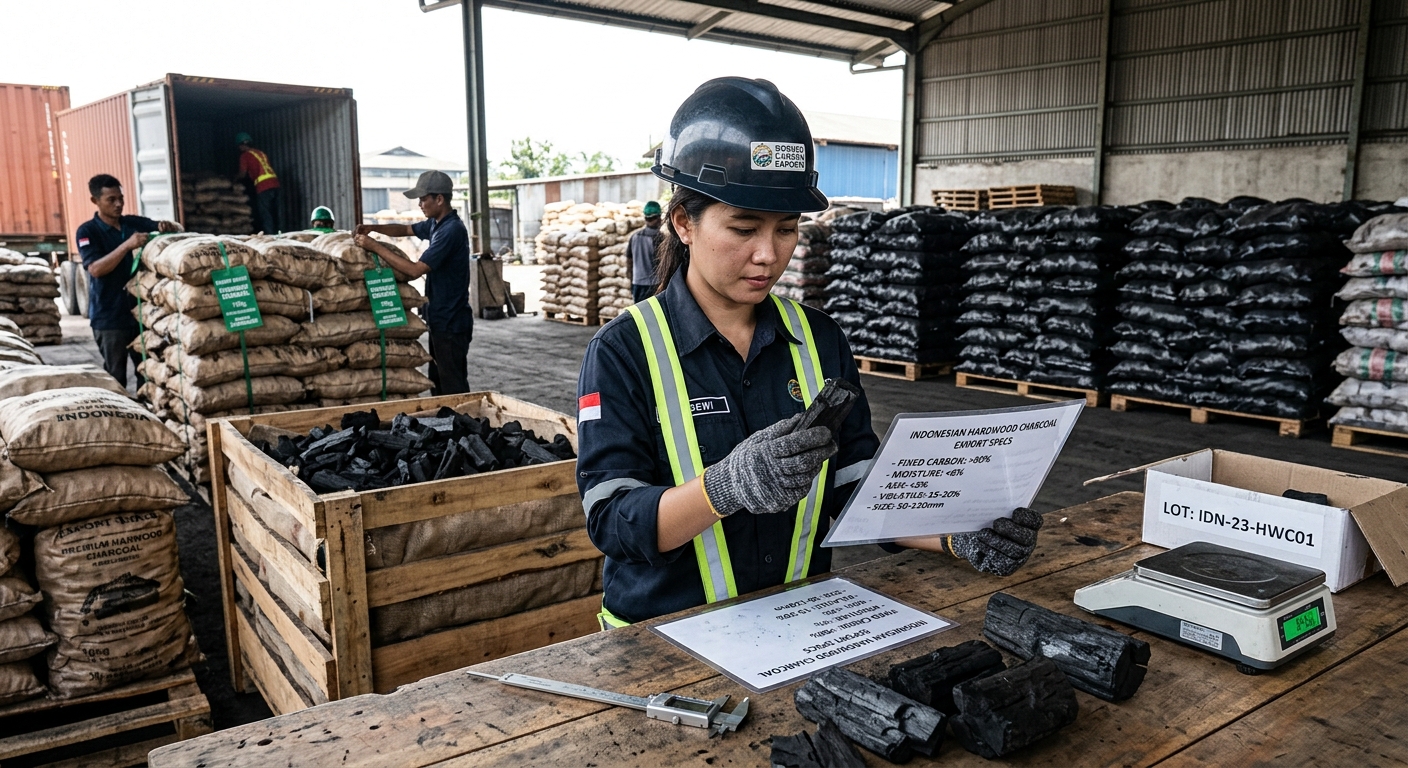
Introduction to Indonesian Charcoal Exports
Indonesia is one of the world’s leading exporters of charcoal, particularly coconut shell charcoal briquettes. The global demand for high-quality charcoal is driven by various industries, including metallurgy, culinary, and the shisha/hookah market. Understanding Indonesian charcoal export specifications is crucial for both buyers and suppliers to ensure smooth international trade, maintain quality standards, and comply with international shipping regulations. This comprehensive guide will delve into the essential specifications, quality grades, and requirements for exporting Indonesian charcoal.
Understanding Charcoal Quality Grades
When dealing with Indonesian charcoal exports, it is vital to understand the different quality grades available. The grading system primarily depends on the raw materials used, the manufacturing process, and the intended end-use of the charcoal. The most sought-after type is coconut shell charcoal, known for its high heat output, low ash content, and lack of smoke or odor.
Key Quality Parameters
The specifications of exported charcoal are typically determined by laboratory analysis. The following are the most critical parameters evaluated:
- Fixed Carbon: This is the most crucial indicator of charcoal quality. Higher fixed carbon means a longer burning time and higher heat value. Premium export-grade charcoal usually has a fixed carbon content of 75% to 85% or higher.
- Moisture Content: Excessive moisture makes charcoal difficult to ignite and reduces its heating value. Export specifications generally require moisture levels to be below 5% to 8%.
- Ash Content: Low ash content is highly desirable, especially for shisha and culinary uses. Premium grades often boast an ash content of under 2.5%, while standard grades may range up to 5%. If you are looking for a Premium Shisha Charcoal Supplier in Bulk: The Ultimate Guide, ensuring low ash content is a top priority.
- Volatile Matter: This refers to the components that vaporize when the charcoal is heated. High volatile matter can cause smoke and odors. Export specifications usually limit volatile matter to 10% to 15%.
- Calorific Value (Heating Value): This measures the energy output of the charcoal. High-quality Indonesian charcoal typically offers a calorific value between 7,000 and 7,500 kcal/kg.
Types of Exported Charcoal
Indonesia exports various types of charcoal, each catering to different market needs. The specifications will vary depending on the product type.
1. Coconut Shell Charcoal Briquettes
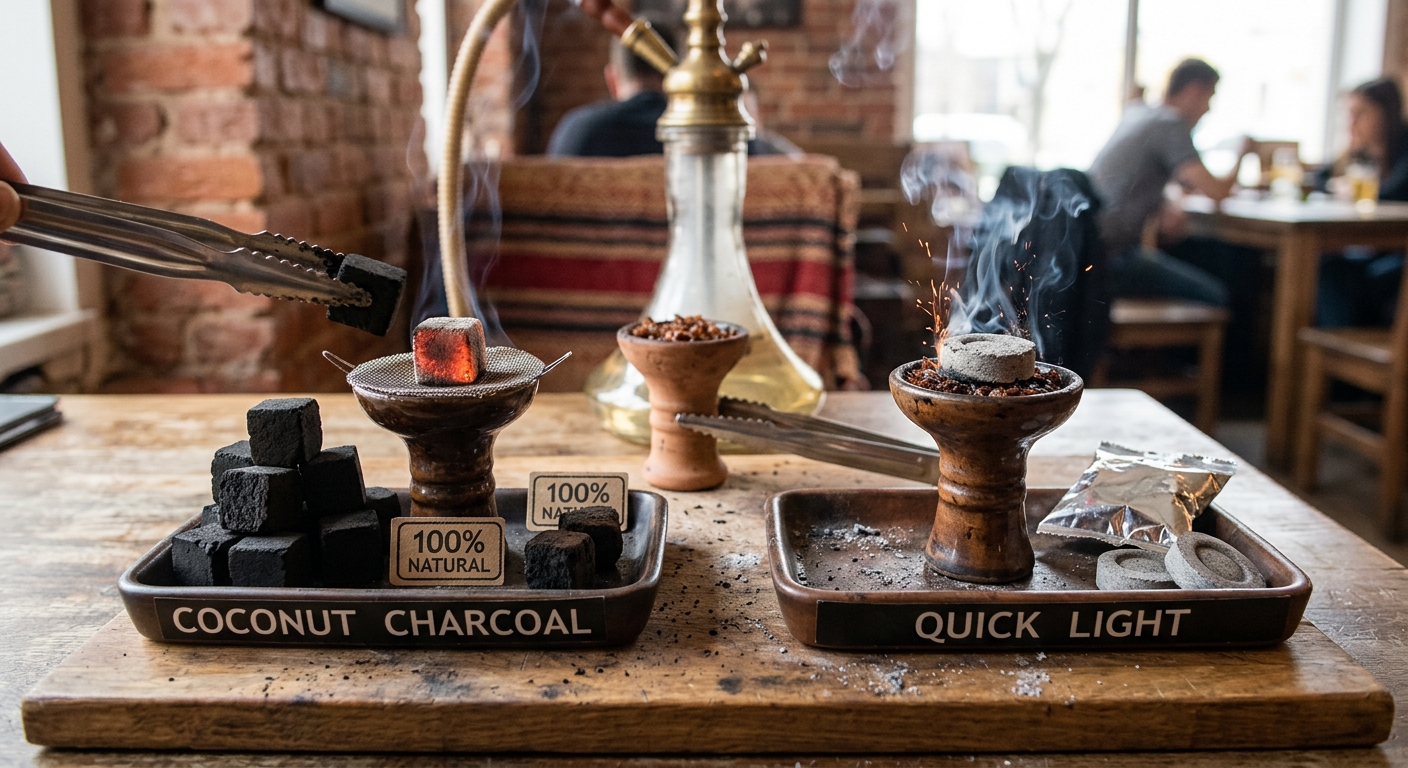
These are the premium products of the Indonesian charcoal industry. They are predominantly used for shisha/hookah and high-end BBQ. They are manufactured by crushing carbonized coconut shells, mixing them with a natural binder (like tapioca starch), and extruding or pressing them into specific shapes (cubes, fingers, hexagons). Working with a reliable Coconut Charcoal Briquettes Wholesale Supplier: A Comprehensive Guide ensures you get consistent quality tailored to these specific needs.
2. Hardwood Charcoal
Hardwood charcoal, such as Halaban or mangrove charcoal, is widely used for industrial applications, metallurgy, and traditional barbecues. It is known for its high heat and long burning time. The specifications for hardwood charcoal often differ slightly from coconut briquettes, particularly regarding ash content and shape.
3. Sawdust Charcoal Briquettes
Made from compressed sawdust, these briquettes are popular in the culinary industry (especially in Japanese and Korean BBQ restaurants). They are characterized by their hexagonal shape with a hollow center, offering excellent heat consistency and a very low ash profile.
Standard Export Specifications Table
To provide a clearer picture, here is a general table outlining the typical export specifications for premium Indonesian coconut shell charcoal briquettes used for shisha:
| Parameter | Specification (Premium Grade) |
|---|---|
| Fixed Carbon | Minimum 80% |
| Moisture Content | Maximum 5% |
| Ash Content | Maximum 2.5% |
| Volatile Matter | Maximum 15% |
| Ash Color | White / Silver Light |
| Ignition Time | 10 – 15 Minutes |
| Burning Time | Minimum 90 Minutes |
| Drop Test | Pass (No breakage from 1 meter) |
Packaging and Shipping Regulations
Meeting quality specifications is only half the battle; adhering to packaging and shipping regulations is equally important for Indonesian charcoal exports. Charcoal is classified as a hazardous material under certain conditions (Class 4.2 – Spontaneously Combustible) by the International Maritime Dangerous Goods (IMDG) Code. Therefore, strict compliance is mandatory.
Packaging Requirements
Proper packaging is essential to prevent moisture absorption and ensure safe transit. For bulk shipments, buyers often consult a Natural Coconut Charcoal Bulk Supplier: The Complete Guide to understand the best packaging options. Common packaging methods include:
- Inner Box: Usually 1kg, 2kg, or 3kg printed cardboard boxes, often lined with plastic to prevent moisture ingress.
- Master Carton: Typically 10kg, 15kg, or 20kg corrugated cardboard boxes containing the inner boxes.
- Bulk Bags: For industrial charcoal, woven polypropylene (PP) bags (e.g., 20kg or 50kg) are common.
Shipping and Documentation
To export charcoal from Indonesia, suppliers must provide several critical documents, including:
- Material Safety Data Sheet (MSDS): Details the physical and chemical properties of the charcoal and handling instructions.
- Self-Heating Test Report (SHT): This is a crucial laboratory test to prove the charcoal is not spontaneously combustible under normal shipping conditions. Passing this test often allows the charcoal to be shipped as non-hazardous cargo.
- Certificate of Analysis (COA): A laboratory report confirming the physical and chemical specifications (fixed carbon, moisture, ash, etc.).
- Bill of Lading, Commercial Invoice, and Packing List.
- Certificate of Origin (COO).
The Importance of Consistent Quality
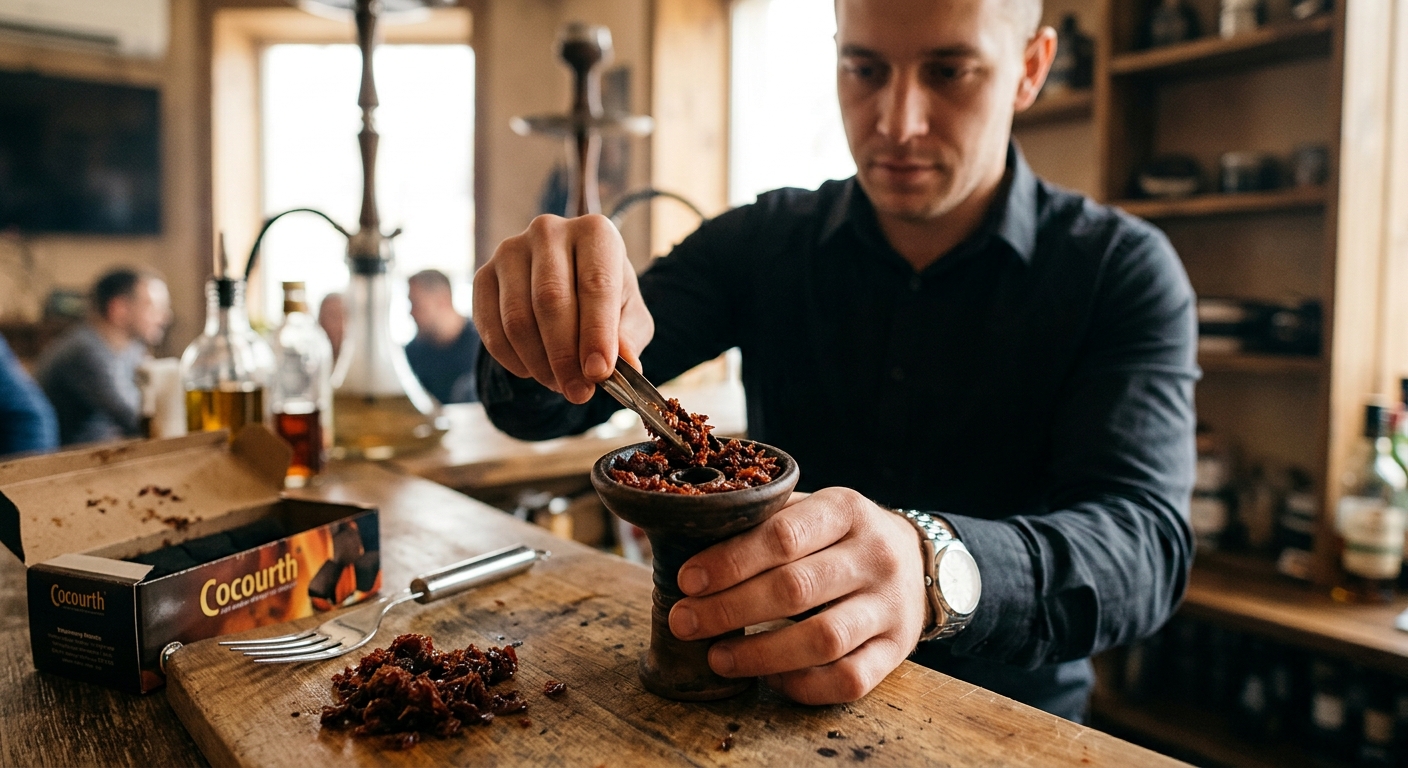
For end-users, especially in the shisha community, consistent quality is paramount. A sudden change in ash content or burning temperature can ruin the experience. For instance, knowing How to Pack a Hookah Bowl: A Comprehensive Guide is only useful if the charcoal applied provides consistent, clean heat. Therefore, maintaining strict adherence to export specifications is the hallmark of a reliable Indonesian supplier.
Conclusion
Indonesian charcoal export specifications are stringent, ensuring that only the highest quality products reach the international market. From fixed carbon and moisture content to rigorous shipping documentation like the SHT and MSDS, every step of the export process is designed to guarantee safety and performance. Whether sourcing premium coconut briquettes for shisha or hardwood charcoal for industrial use, understanding these specifications is essential for a successful import-export relationship. By adhering to these standards, Indonesia continues to solidify its position as a premier global supplier of top-tier charcoal products.
Frequently Asked Questions (FAQ)
What is the most important specification for shisha charcoal?
The most important specifications for shisha charcoal are low ash content (typically under 2.5%), high fixed carbon (over 80%), and zero odor or smoke during burning. This ensures a clean taste and long-lasting heat.
Why is a Self-Heating Test (SHT) required for exporting charcoal?
Charcoal can be prone to spontaneous combustion under certain conditions. The SHT is a mandatory laboratory test to determine the charcoal’s stability. If it passes, it proves the charcoal is safe for marine transport and can often be shipped as non-hazardous cargo.
What is the typical burning time for export-grade coconut charcoal briquettes?
Premium export-grade Indonesian coconut charcoal briquettes typically have a burning time of 90 to 120 minutes, depending on the size and shape of the briquette and the environmental conditions.
Can I request custom specifications for my charcoal order?
Yes, many reputable Indonesian charcoal manufacturers allow buyers to request custom specifications, including specific shapes, sizes, ash colors, and packaging designs, provided they order in sufficient bulk quantities.

One thought on “Indonesian Charcoal Export Specifications: A Complete Guide”