Introduction to Indonesia Coconut Charcoal Briquettes
When it comes to premium, eco-friendly fuel sources, Indonesia coconut charcoal briquettes wholesale stands out as the gold standard in the global market. Derived from the abundant coconut shells produced across the Indonesian archipelago, these briquettes have revolutionized both the shisha (hookah) and barbecue industries. Unlike traditional wood charcoal or chemically treated alternatives, coconut shell briquettes offer a natural, clean, and highly efficient burn that appeals to environmentally conscious consumers and demanding professionals alike.
Indonesia’s geographical advantage, coupled with extensive coconut plantations, allows for a consistent year-round supply of high-quality raw materials. As the demand for sustainable energy alternatives grows, understanding the nuances of sourcing these briquettes becomes crucial for wholesalers, distributors, and retailers worldwide. This comprehensive guide delves into everything you need to know about purchasing Indonesia coconut charcoal briquettes wholesale.
The Manufacturing Process
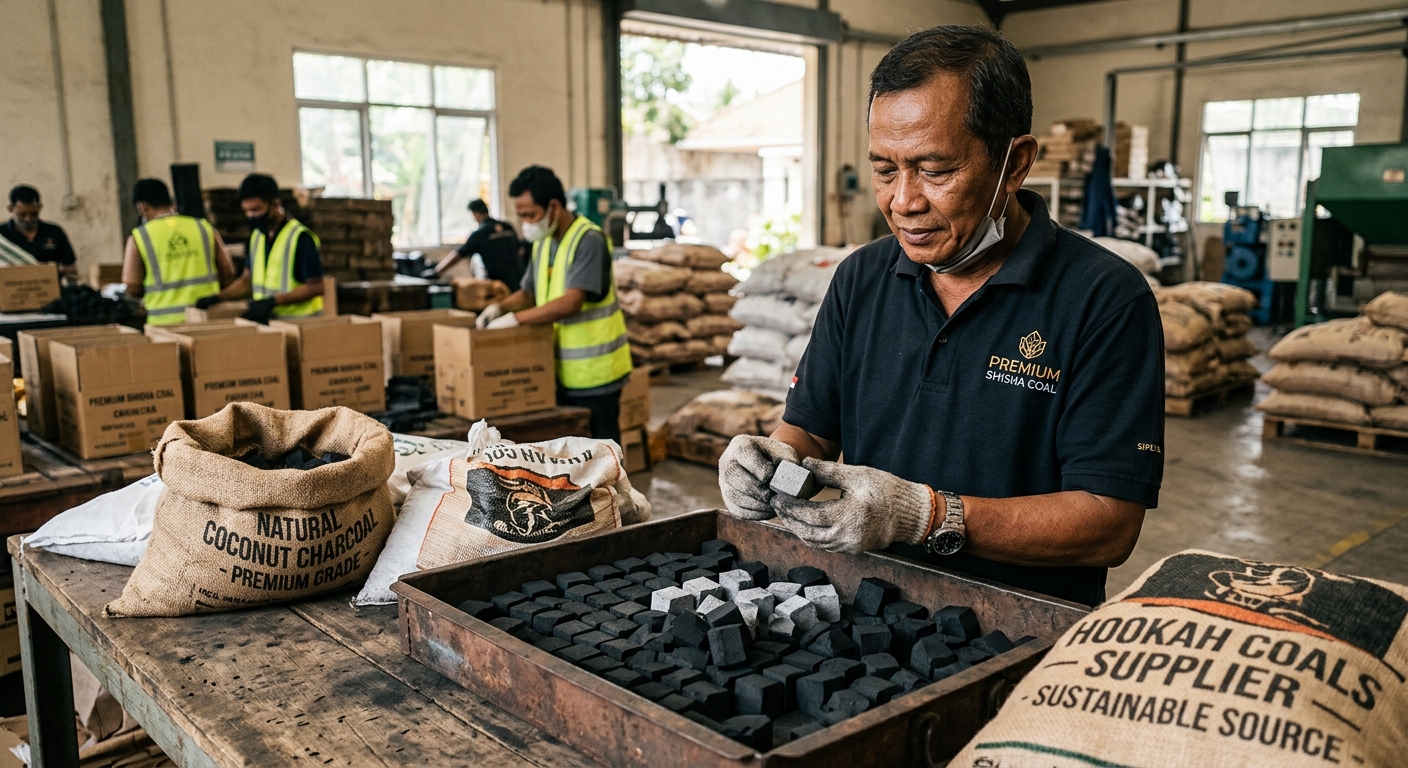
The journey from a discarded coconut shell to a premium briquette is a testament to sustainable manufacturing. The process begins with the careful selection of mature coconut shells, which yield the highest carbon content. These shells are first cleaned and dried before undergoing a carbonization process. During carbonization, the shells are burned in a controlled, low-oxygen environment to remove moisture and volatile compounds, leaving behind high-purity carbon.
Once carbonized, the shells are crushed into a fine powder. This powder is then mixed with a natural binder, usually tapioca starch, which ensures the briquettes hold their shape without introducing harmful chemicals or affecting the taste of the smoke. For those interested in the sheer scale and precision of this operation, reading about a Coconut Charcoal Factory in Indonesia: The Ultimate Guide provides deep insights into the meticulous quality control protocols employed by leading manufacturers.
The mixture is subsequently pressed into various shapes—such as cubes, hexagons, or fingers—using high-pressure machinery. Finally, the briquettes undergo a rigorous drying process in large ovens to reduce the moisture content to below 5%. This low moisture level is critical for ensuring a quick lighting time and a sustained, high-temperature burn.
Why Choose Indonesian Coconut Charcoal?
Unmatched Burn Time and Heat
One of the primary reasons buyers seek Indonesia coconut charcoal briquettes wholesale is the product’s exceptional performance. Due to the high density of the briquettes and the superior carbon content of Indonesian coconut shells, these briquettes burn significantly hotter and longer than traditional wood charcoal. A standard cube can burn consistently for over two hours, making it incredibly cost-effective for both hookah lounges and barbecue enthusiasts.
Eco-Friendly and Sustainable
Coconut charcoal is a 100% renewable resource. It is made entirely from coconut shells, a byproduct of the coconut oil and copra industries. No trees are felled to produce these briquettes, positioning them as a zero-deforestation alternative to hardwood lump charcoal. Furthermore, the ash produced is minimal (typically under 2.5%) and entirely biodegradable, meaning it can be safely disposed of or used as a soil amendment in gardens.
Odorless and Tasteless
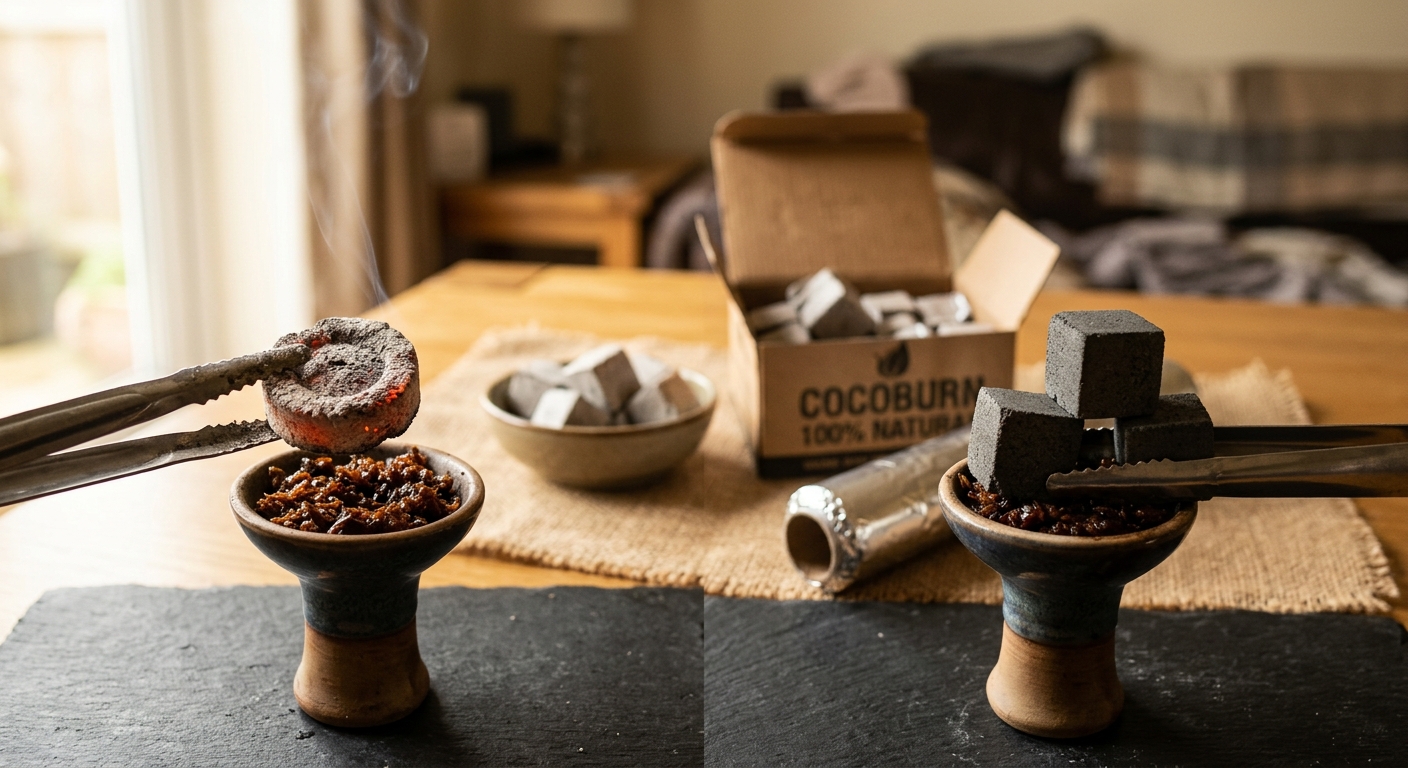
For shisha smokers and culinary experts, the purity of the heat source is paramount. Because they are manufactured without chemical accelerants like sulfur or nitrate, Indonesian coconut briquettes are completely odorless and tasteless once fully lit. This ensures that the intricate flavors of hookah tobacco or the natural seasoning of grilled meats are not overpowered by acrid smoke. To understand the specific requirements for different applications, exploring BBQ Charcoal vs Hookah Charcoal: A Comprehensive Guide to the Differences is highly recommended for buyers looking to cater to specific market segments.
Understanding Specifications and Grades
When purchasing Indonesia coconut charcoal briquettes wholesale, it is vital to understand the specifications that dictate quality. To help you navigate the different tiers available in the market, the following table compares the typical specifications of Premium (Hookah Grade) and Standard (BBQ Grade) coconut charcoal briquettes.
| Grade Level | Ash Content | Carbon Content | Burn Time | Primary Application |
|---|---|---|---|---|
| Premium Grade | 1.5% – 2.5% | 80% – 85% | 100 – 120 minutes | Shisha / Hookah |
| Standard Grade | 3.0% – 5.0% | 70% – 75% | 80 – 100 minutes | Barbecue / Grilling |
Premium Grade (Hookah/Shisha)
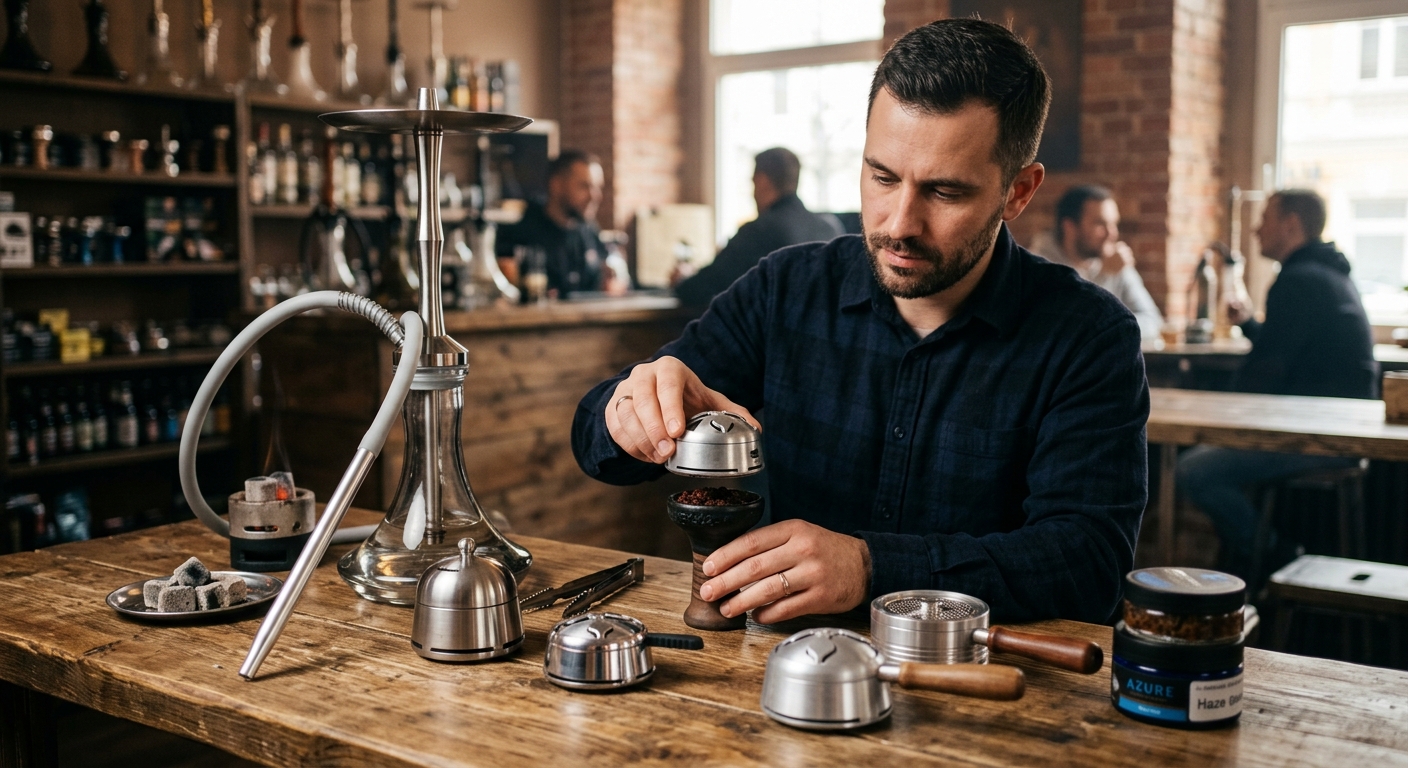
Premium grade briquettes require the tightest tolerances. The ash content must be exceptionally low, and the color of the ash is often a key indicator of quality (pure white or light silver is preferred). The cubes must be perfectly uniform to ensure stable heat management on top of a hookah bowl. Moreover, they must not crack or produce sparks during the lighting process.
Standard Grade (BBQ)
Standard grade briquettes are designed for high-heat cooking. While still superior to standard wood charcoal, they may have a slightly higher ash content and lower carbon density. These briquettes are usually manufactured in larger hexagonal shapes with a hollow center to facilitate airflow, generating the intense heat required for searing meats and sustaining long smoking sessions.
How to Source Wholesale from Indonesia
Verifying the Manufacturer
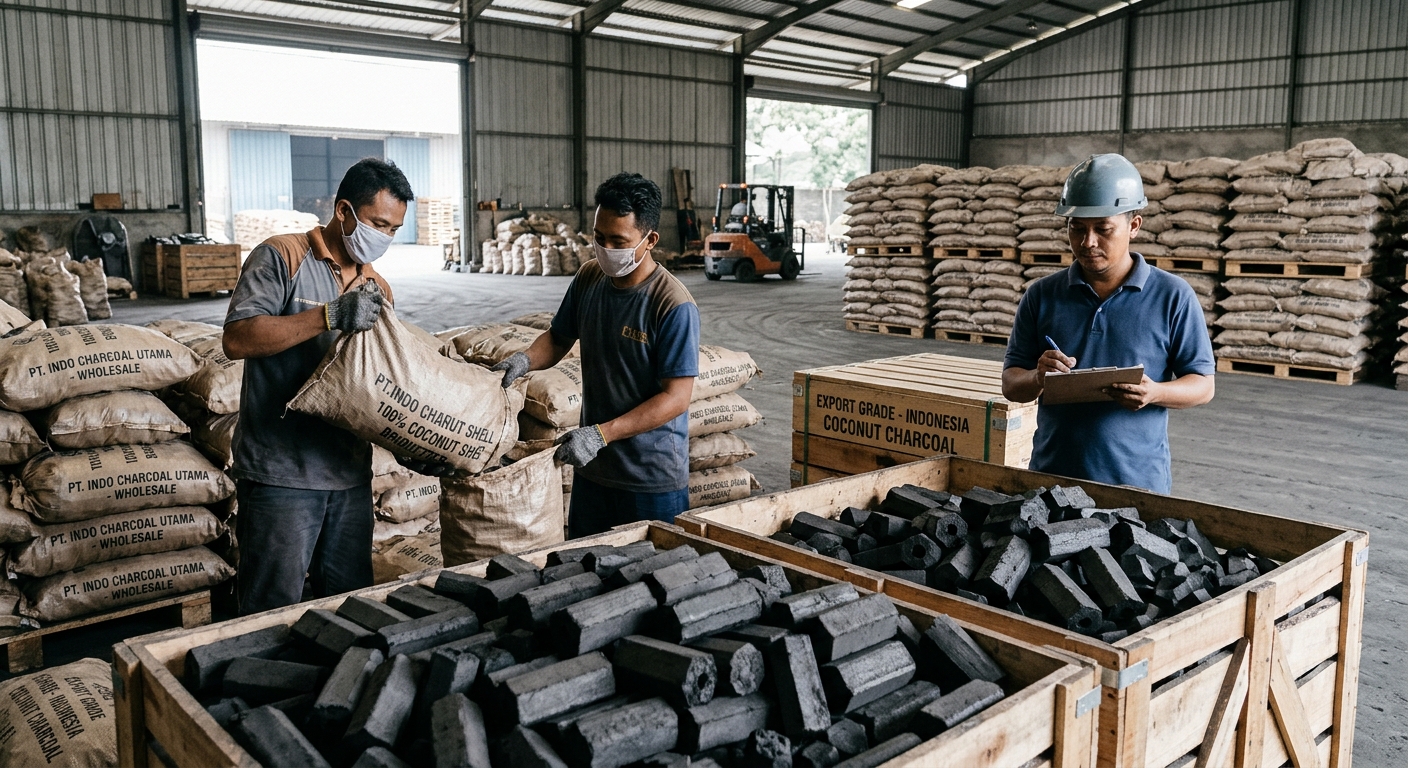
The booming demand for coconut charcoal has led to a proliferation of suppliers. When engaging with a wholesaler or factory, due diligence is critical. Request laboratory test reports (often provided by independent agencies like SGS) to verify the ash, moisture, volatile matter, and carbon contents. A reputable supplier should be transparent about their production capacity, lead times, and factory location.
Packaging and Private Labeling (OEM)
Most top-tier Indonesian factories offer Original Equipment Manufacturer (OEM) services. This allows wholesalers to create their own branded packaging. When negotiating wholesale contracts, discuss packaging options such as inner plastic liners (crucial for preventing moisture absorption during transit), printed master cartons, and custom box designs. Standard packing for hookah charcoal is typically 1kg inner boxes packed into a 10kg master carton, whereas BBQ charcoal is often shipped in 5kg to 10kg craft paper bags.
Shipping and Logistics
Charcoal is considered a hazardous material by many shipping lines due to its combustible nature, typically classified under UN 1361. Therefore, shipping Indonesia coconut charcoal briquettes wholesale requires careful logistical planning. Suppliers must provide a Material Safety Data Sheet (MSDS) and a Self-Heating Test certificate to clear customs and secure cargo space on vessels. Working with a supplier experienced in export logistics is essential to avoid delays at ports like Tanjung Priok or Tanjung Perak.
Conclusion
Indonesia coconut charcoal briquettes wholesale represents a lucrative and sustainable opportunity for businesses operating in the hospitality, retail, and outdoor cooking sectors. By leveraging the natural abundance of Indonesian coconut shells and combining it with advanced manufacturing techniques, producers deliver a product that is cleaner, hotter, and longer-lasting than traditional alternatives. As you venture into sourcing these premium briquettes, prioritize transparent communication, stringent quality verification, and an understanding of the specific grades required by your target audience. With the right supplier partnership, you can confidently supply your market with the highest quality charcoal available globally.
Frequently Asked Questions
Why are Indonesian coconut shells considered the best for charcoal?
Indonesian coconut shells, particularly those from regions like Sulawesi and Sumatra, have a naturally higher density and thickness compared to coconuts from other countries. This high density translates directly into a higher fixed carbon content during the carbonization process, which results in briquettes that burn hotter and longer.
What is the minimum order quantity (MOQ) for wholesale coconut charcoal from Indonesia?
Most reputable Indonesian factories require a minimum order quantity of one 20-foot shipping container. This typically holds roughly 18 to 20 metric tons of charcoal, depending on the packaging and the specific shape of the briquettes.
Can coconut charcoal briquettes expire or go bad?
Coconut charcoal briquettes do not have an expiration date in the traditional sense. However, they are highly hygroscopic, meaning they easily absorb moisture from the air. If not stored in a cool, dry place and kept in moisture-proof packaging, they will become difficult to light and produce less heat. Proper storage ensures they last indefinitely.
Is coconut charcoal safe to use indoors for hookah?
Yes, premium grade coconut charcoal is completely safe to use indoors for hookah, provided there is adequate ventilation. Because it is free from sulfur, chemical binders, and volatile matter, it produces virtually zero smoke or toxic fumes once fully lit, ensuring a clean and safe session.