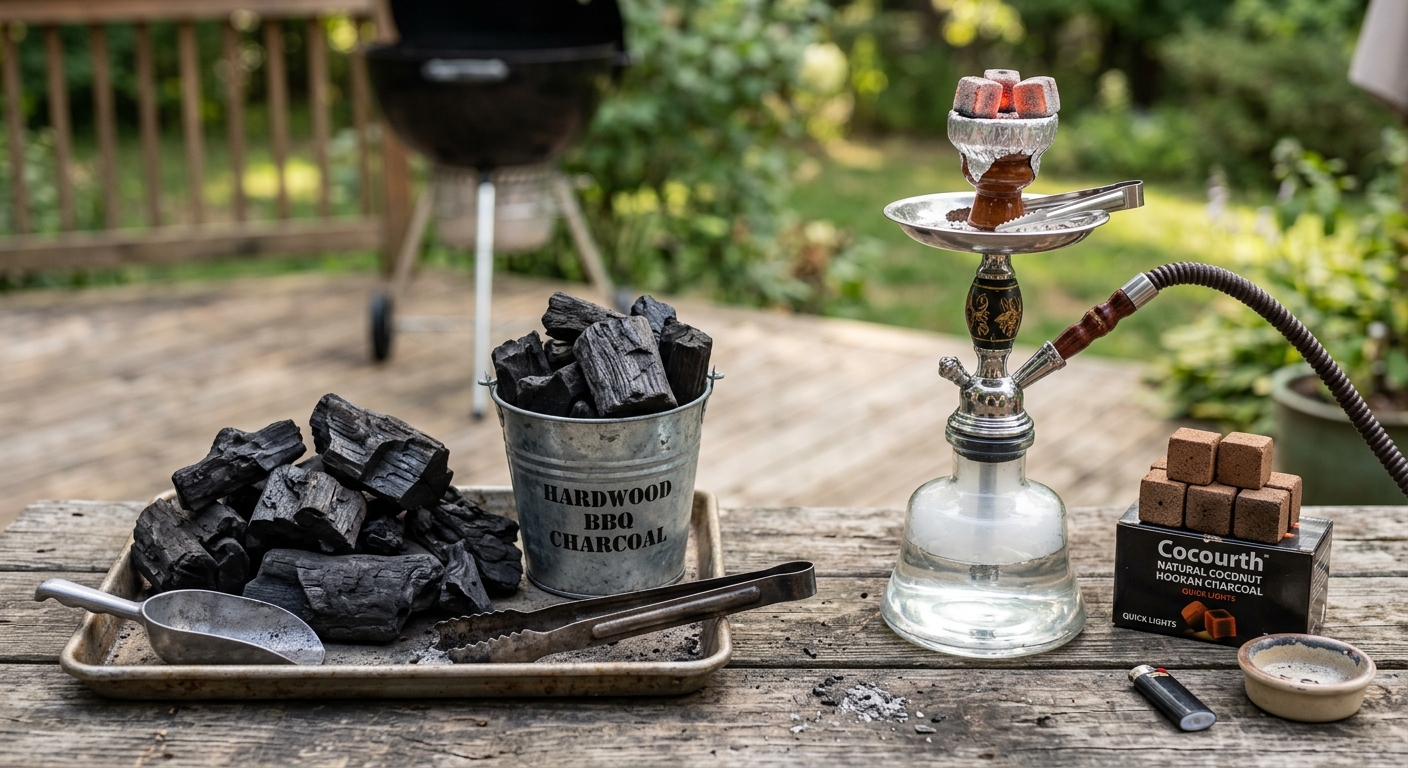
Understanding the Basics: BBQ Charcoal vs Hookah Charcoal
Charcoal has been used for centuries, serving as a reliable fuel source for everything from industrial applications to backyard cooking and cultural smoking traditions. While charcoal may seem like a straightforward product, the specific requirements for different uses have led to the development of highly specialized types of charcoal. When comparing BBQ charcoal versus hookah charcoal, the differences are significant. Understanding these distinctions is crucial for anyone looking to optimize their grilling experience or enjoy a smooth, flavorful shisha session.
Both types of charcoal begin with a similar premise: carbonizing organic material in an oxygen-deprived environment. However, the source materials, the manufacturing processes, and the final chemical and physical properties diverge sharply to meet the distinct needs of food preparation and shisha smoking.
The Composition and Manufacturing Process
The manufacturing process and the raw materials used are the primary factors that separate BBQ charcoal from hookah charcoal.
BBQ Charcoal: Built for Heat and Flavor
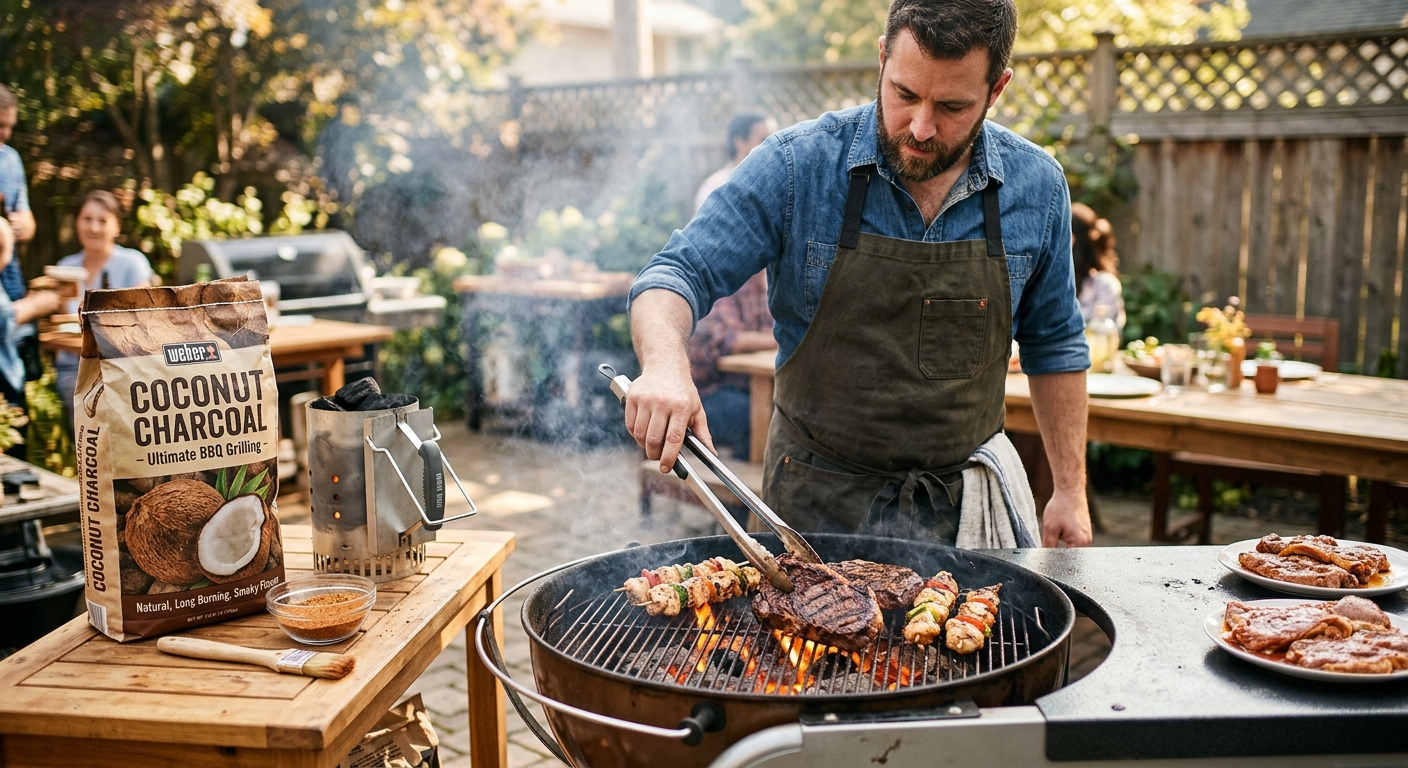
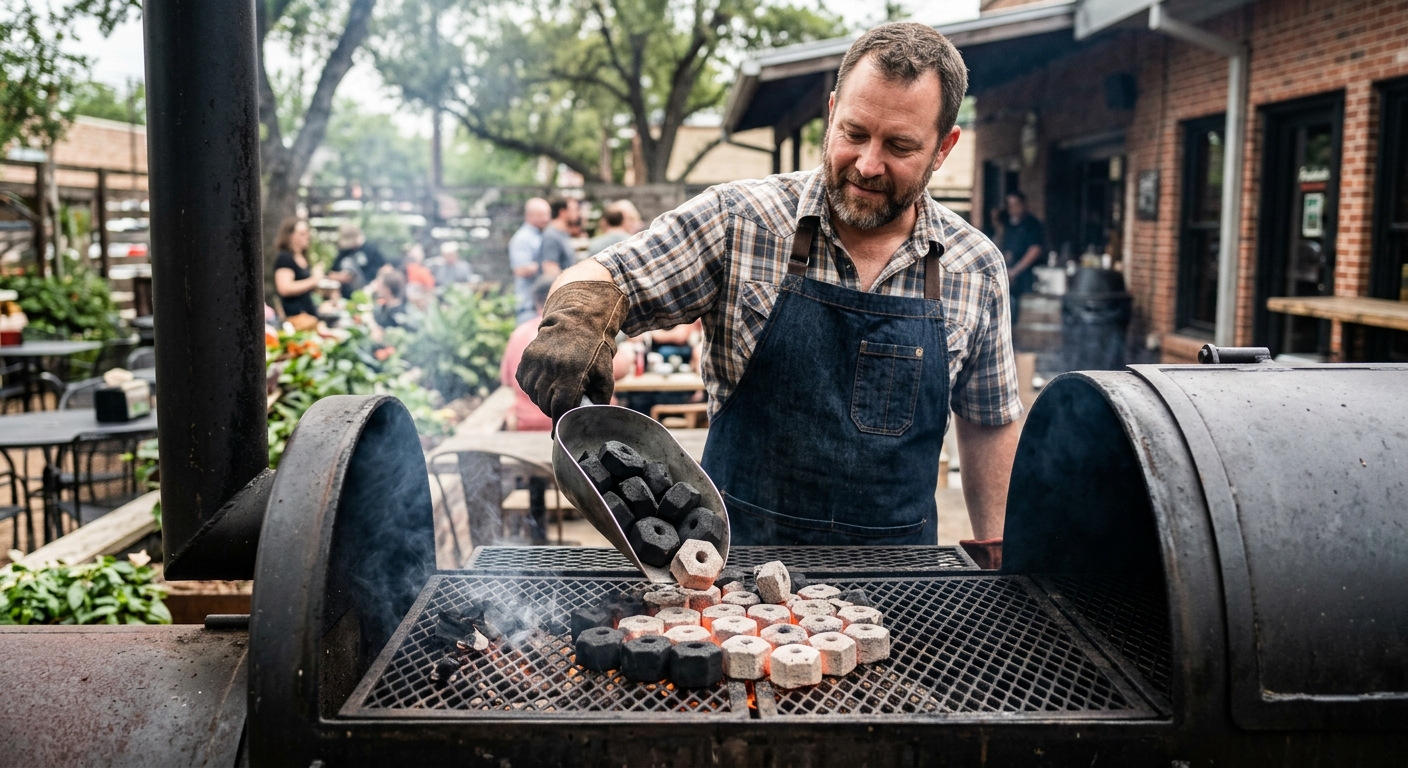
BBQ charcoal is primarily designed to generate high heat and impart a desirable smoky flavor to food. It generally comes in two forms: lump charcoal and charcoal briquettes. Lump charcoal is made directly from pieces of hardwood (such as hickory, oak, or mesquite) that have been carbonized. It burns hot and fast, leaving behind very little ash. Briquettes, on the other hand, are manufactured by compressing charcoal dust with various binders, such as cornstarch, and sometimes additives to help them ignite faster or burn longer. If you are interested in an alternative to traditional wood-based fuels, you might want to read a BBQ Coconut Charcoal Briquettes Review: Are They Worth It? to see how coconut shells perform on the grill.
Hookah Charcoal: Precision and Purity
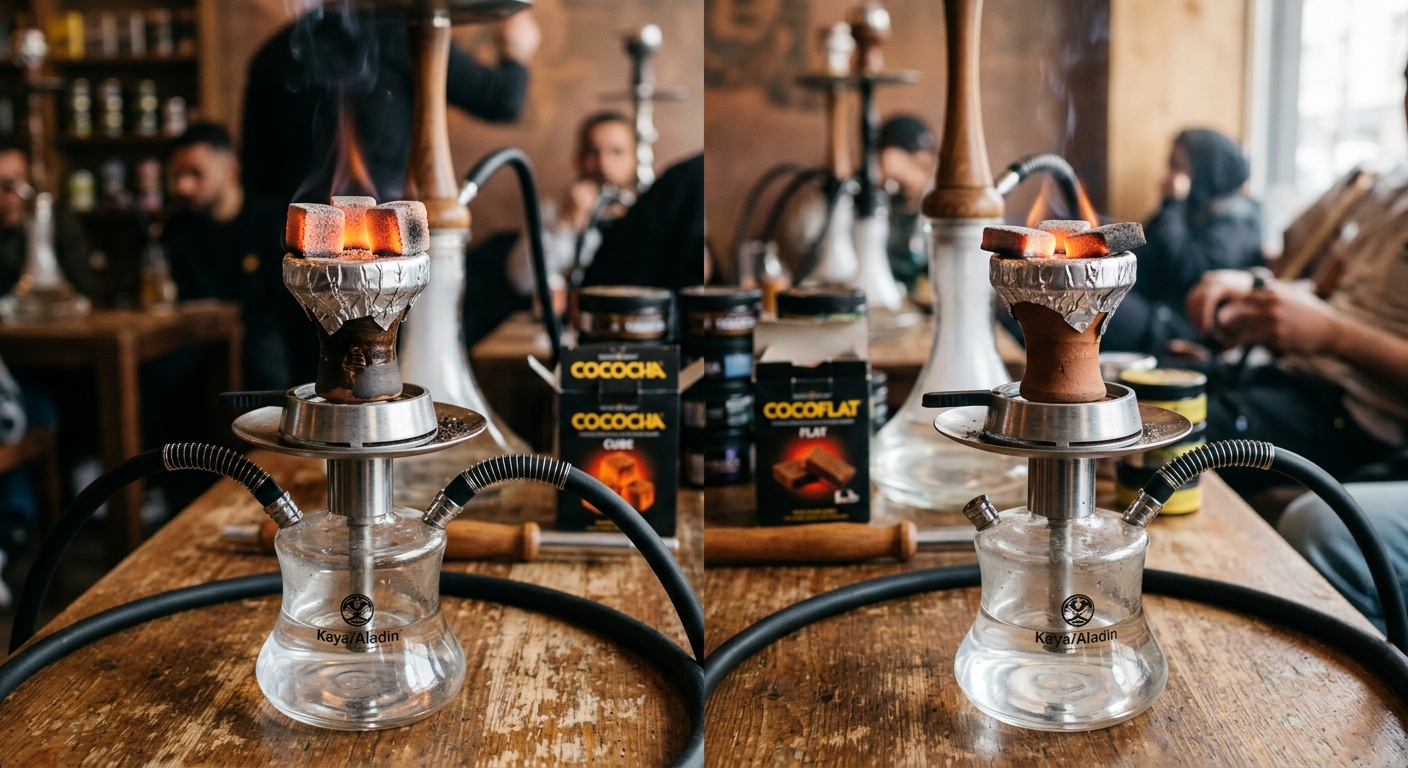
Hookah charcoal requires a much more refined approach. The primary goal of hookah charcoal is to provide a consistent, steady heat without imparting any flavor or odor that would interfere with the taste of the shisha tobacco. Most premium hookah charcoal is made from compressed coconut shells. The coconut shells are carbonized, ground into a fine powder, and mixed with a natural binder (like tapioca starch) before being pressed into uniform cubes or flats. Unlike BBQ briquettes, high-quality hookah charcoal contains no chemical accelerators, fillers, or strong-smelling woods.
Performance: Burn Time, Heat, and Ash Production
The performance metrics of BBQ and hookah charcoal highlight why they are not interchangeable.
Heat Output and Consistency
BBQ charcoal is designed to reach very high temperatures quickly to sear meats. The heat can fluctuate depending on the airflow and the type of lump or briquette used. Hookah charcoal, conversely, is engineered to burn at a lower, steady, and consistent temperature. This controlled heat is vital; if a hookah coal is too hot, it will scorch the shisha tobacco, resulting in a harsh, unpleasant smoke. Before you set up your session, it is also important to consider your equipment, as explained in How to Choose Hookah Size: A Comprehensive Guide, since the size of your hookah can affect how heat is managed.
Ash Production
Ash management is another critical difference. BBQ briquettes often produce a significant amount of ash due to the binders and fillers used in their production. In a grill, this ash falls safely below the grates. In a hookah bowl, excessive ash can block airflow and negatively impact the flavor of the smoke. Therefore, hookah charcoal is formulated to produce minimal ash, keeping the smoking session clean and enjoyable.
The table below summarizes the key differences between standard BBQ briquettes and premium coconut hookah charcoal.
| Feature | BBQ Charcoal (Briquettes) | Hookah Charcoal (Coconut) |
|---|---|---|
| Primary Use | Grilling and smoking food | Heating shisha tobacco |
| Raw Material | Wood char, coal, binders, sawdust | Carbonized coconut shells, natural starch |
| Flavor/Odor | Imparts smoky flavor | Odorless and flavorless |
| Ash Production | High (15% – 20%) | Low (Under 3%) |
| Heat Profile | High heat, variable | Consistent, moderate heat |
Can You Use BBQ Charcoal for Hookah?
A common question among beginners is whether BBQ charcoal can be used in a pinch for a hookah session. The definitive answer is no. Using BBQ charcoal for hookah is highly discouraged for several reasons. First, BBQ charcoal often contains chemical binders and lighting additives (like sodium nitrate or petroleum solvents) that are toxic when inhaled directly. Second, even natural lump BBQ charcoal produces too much carbon monoxide and imparts a strong wood smoke flavor that will completely ruin the taste of the shisha. Finally, the heat output is too aggressive and will instantly burn the tobacco.
Can You Use Hookah Charcoal for a BBQ?
Conversely, while it is technically safe to use natural coconut hookah charcoal on a small grill, it is highly impractical and expensive. Hookah charcoal cubes are small and do not produce the massive, radiant heat required to cook large pieces of meat efficiently. Furthermore, because hookah charcoal is a premium product, using it to fill a BBQ grill would not be cost-effective.
Conclusion
In conclusion, while BBQ charcoal and hookah charcoal share a common ancestry as carbonized biomass, their divergent evolutionary paths have made them specialized tools for very different tasks. BBQ charcoal is built for culinary firepower, bringing high heat and robust flavors to your food. Hookah charcoal is crafted for purity and precision, offering a clean, odorless heat that respects the delicate flavors of shisha tobacco. By understanding these differences and using the correct fuel for your specific need, you ensure both safety and the best possible experience, whether you are firing up the grill or relaxing with a hookah.
Frequently Asked Questions (FAQ)
Why does hookah charcoal cost more than BBQ charcoal?
Hookah charcoal requires higher quality raw materials, such as pure coconut shells, and a more refined manufacturing process to ensure it is odorless, tasteless, and produces minimal ash. This precision manufacturing increases the cost compared to bulk-produced BBQ charcoal.
Are quick-light hookah coals the same as BBQ briquettes?
No. While quick-light hookah coals contain chemical accelerants (usually sulfur or saltpeter) to ignite easily, they are still formulated specifically for smoking, whereas BBQ briquettes contain different fillers and binders meant for cooking. However, natural coconut hookah coals are always recommended over quick-lights for a cleaner smoke.
How should I store my hookah and BBQ charcoal?
Both types of charcoal should be stored in a cool, dry place. Moisture is the enemy of charcoal, making it difficult to light and causing it to burn unevenly. Keeping your charcoal in airtight containers or sealed bags will ensure optimal performance.
One thought on “BBQ Charcoal vs Hookah Charcoal: A Comprehensive Guide to the Differences”