Introduction to Charcoal Briquettes and Burn Time
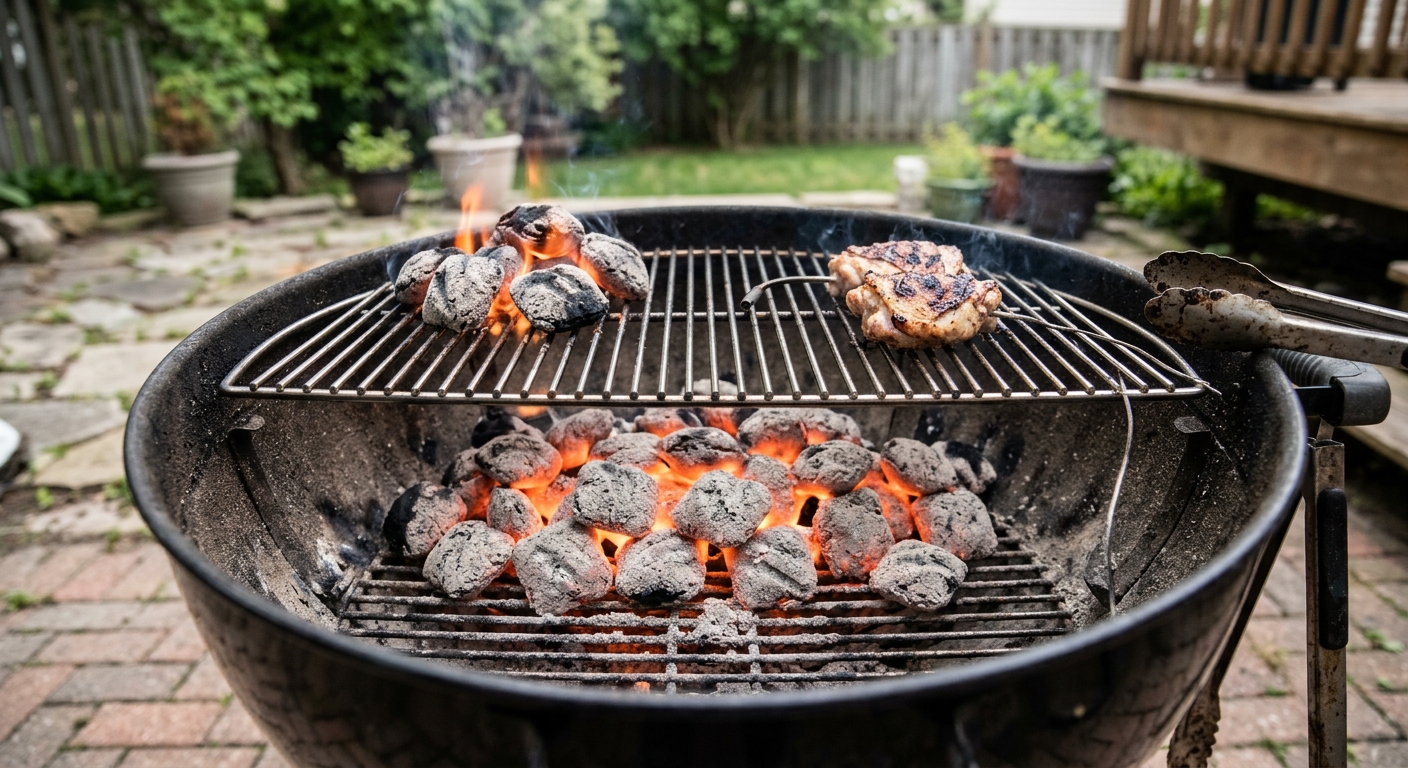
Whether you are a casual backyard griller or a seasoned pitmaster, understanding your fuel source is critical for achieving culinary perfection. One of the most common questions among outdoor cooking enthusiasts is: how long do charcoal briquettes burn? The answer, while not a simple single number, generally falls between 2 to 4 hours, depending on a variety of environmental and physical factors.
Unlike natural lump charcoal, which burns hotter but faster, briquettes are manufactured to provide a steady, consistent burn over a prolonged period. This makes them ideal for roasting, smoking, and long cooking sessions. In this comprehensive guide, we will explore the science behind charcoal briquettes, the variables that influence their longevity, and expert tips to extend your burn time for the perfect barbecue.
The Anatomy of a Charcoal Briquette
To understand why briquettes burn the way they do, it is essential to look at their composition. Traditional charcoal briquettes are made from a blend of wood by-products, coal dust, binders (like cornstarch), and sometimes accelerants to help them light faster. This uniform shape and dense composition are precisely what give briquettes their consistent burn rate.
For those who also enjoy a different kind of smoking experience, understanding charcoal shapes can be quite beneficial. You might find the comparison of Cube Charcoal vs Flats Hookah: Which is Best for Your Session? interesting, as density and shape play massive roles in burn duration across all types of charcoal applications.
Factors That Affect Burn Time
While the average burn time for a standard batch of charcoal briquettes is roughly 3 hours, several variables can either shorten or extend this duration.
1. Airflow and Oxygen Supply
Fire needs oxygen to survive. The vents on your grill (dampers) act as the control valves for your charcoal’s burn rate. Opening the vents wide allows maximum oxygen, creating a very hot fire that will consume the briquettes quickly. Conversely, closing the vents restricts airflow, lowering the temperature and significantly extending the life of your coals.
2. Weather Conditions
Mother Nature plays a significant role in your grilling timeline. Cold temperatures, high winds, and humidity can all sap heat from your grill. In windy conditions, extra oxygen is forced into the grill, making the charcoal burn faster. In cold weather, you may need to burn more fuel to maintain your desired cooking temperature.
3. Quality and Type of Briquettes
Not all briquettes are created equal. Premium briquettes often use higher quality hardwood and fewer fillers, resulting in a cleaner, longer burn. Bargain brands may contain excessive fillers that produce more ash and burn out quicker. For enthusiasts looking into cleaner burning options in other charcoal categories, reading a Comprehensive Low Odor Hookah Charcoal Review: Top Picks for a Cleaner Smoke can shed light on how manufacturing processes affect smoke output and burn quality.
4. Arrangement of the Coals
How you stack your briquettes matters. A tight, condensed pile will burn slower and retain heat longer than coals spread out in a single layer. Techniques like the Minion Method or the Snake Method are specifically designed to maximize burn time for long smoking sessions by allowing unlit coals to catch fire gradually.
Below is a comparison of common charcoal arrangements and their typical burn characteristics.
| Arrangement Method | Airflow Exposure | Burn Speed | Best Used For |
|---|---|---|---|
| Spread Single Layer | High | Fast (1-2 Hours) | Direct Grilling (Burgers, Hotdogs) |
| Pyramid / Piled | Medium | Moderate (2-3 Hours) | Searing and Roasting |
| Minion Method | Low | Slow (6-10+ Hours) | Low and Slow Smoking |
| Snake / Domino | Very Low | Very Slow (8-12+ Hours) | Long Smoking Sessions |
Tips to Maximize Charcoal Briquette Burn Time
If you want to get the most out of your charcoal briquettes, especially for smoking meats like brisket or pork shoulder, follow these professional tips:
- Use a Charcoal Chimney: Avoid lighter fluid. A chimney starter ensures your coals light evenly and prevents chemical residues from affecting your food.
- Master the Vents: Learn to adjust your intake and exhaust dampers. Keep them just open enough to maintain your target temperature without feeding the fire unnecessary oxygen.
- Keep the Lid Closed: “If you’re looking, you ain’t cooking.” Every time you open the grill lid, you let out heat and let in a rush of oxygen, which speeds up the charcoal’s burn rate.
- Store Charcoal Properly: Keep your unlit briquettes in a dry, airtight container. Damp charcoal is hard to light, burns poorly, and produces excessive white smoke.
- Clear the Ash: Excessive ash buildup can block airflow to the bottom of the coals, causing them to suffocate. Tap the side of the grill or use the ash sweep mechanism periodically to keep the airflow clear.
Conclusion
Understanding how long charcoal briquettes burn is essential for mastering outdoor cooking. While the standard burn time is generally 2 to 4 hours, your mastery of grill ventilation, weather management, and coal arrangement can dramatically alter this timeframe. By investing in quality briquettes and employing techniques like the Minion or Snake method, you can keep your fire burning steadily for marathon smoking sessions, ensuring delicious, perfectly cooked barbecue every time.
Frequently Asked Questions (FAQ)
Can I add more unlit briquettes to lit ones?
Yes, you can add unlit briquettes to lit ones to extend your cooking time. For best results, add a few unlit coals before the existing ones turn completely to ash, allowing them time to ignite without dropping the grill’s temperature drastically.
How do I know when charcoal briquettes are ready to cook on?
Briquettes are ready when they are covered in a layer of white-gray ash. This typically takes about 15 to 20 minutes in a charcoal chimney. At this stage, they have stopped smoking heavily and are producing a steady, even heat.
Do charcoal briquettes expire?
Charcoal briquettes do not expire, but they can degrade if exposed to moisture. If kept in a cool, dry place inside an airtight container, they will last indefinitely and burn perfectly whenever you are ready to grill.
Why are my charcoal briquettes burning out so fast?
Fast-burning briquettes are usually the result of too much airflow. Check your grill’s vents; if they are wide open, the fire is getting too much oxygen. High winds and spreading the coals too thin can also cause them to burn out prematurely.