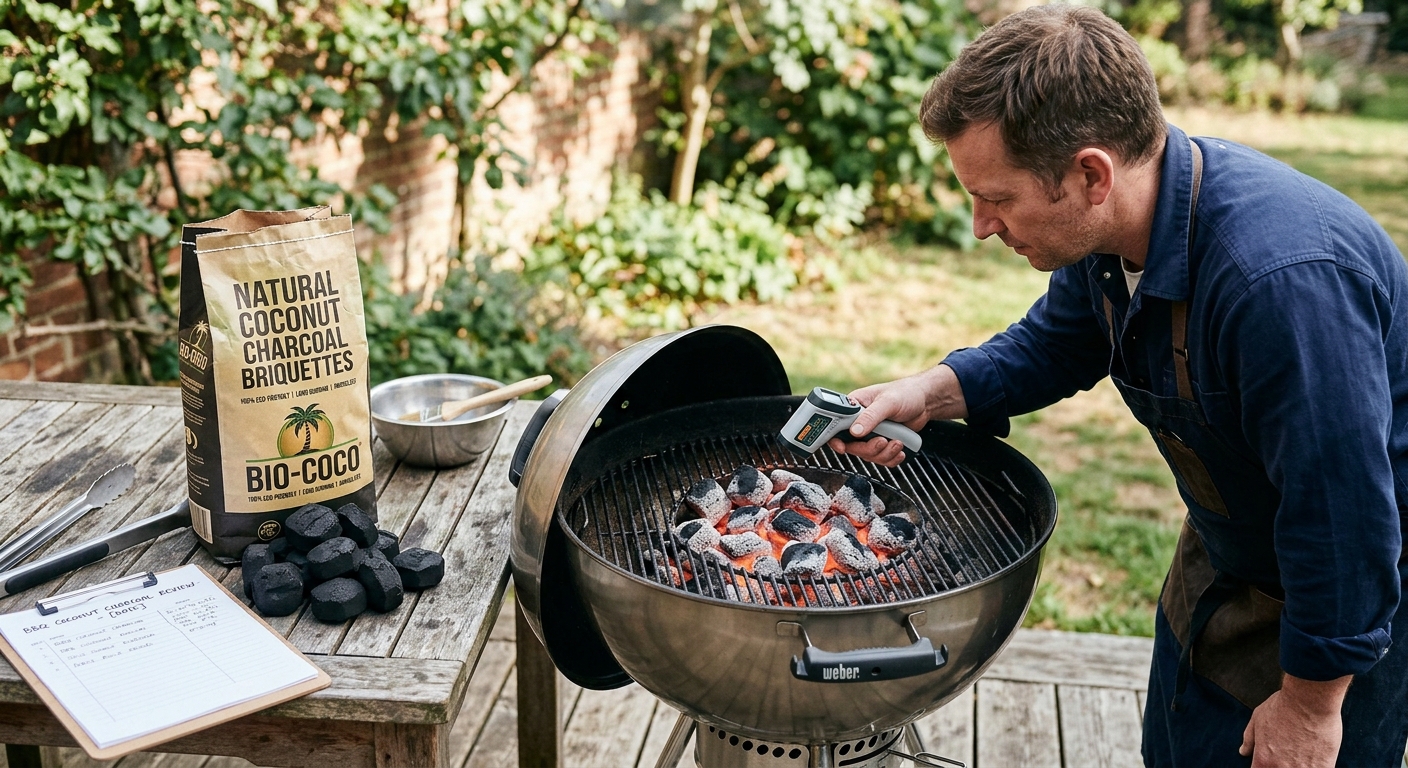
Introduction to BBQ Coconut Charcoal Briquettes
In the world of outdoor cooking and grilling, the choice of fuel can make or break your culinary experience. Enter BBQ coconut charcoal briquettes. These eco-friendly alternatives to traditional lump charcoal and wood-based briquettes have been gaining immense popularity among grill masters and barbecue enthusiasts. In this comprehensive review, we will explore what makes coconut charcoal briquettes unique, their benefits, their performance on the grill, and why you might want to consider making the switch for your next backyard barbecue.
What Are Coconut Charcoal Briquettes?
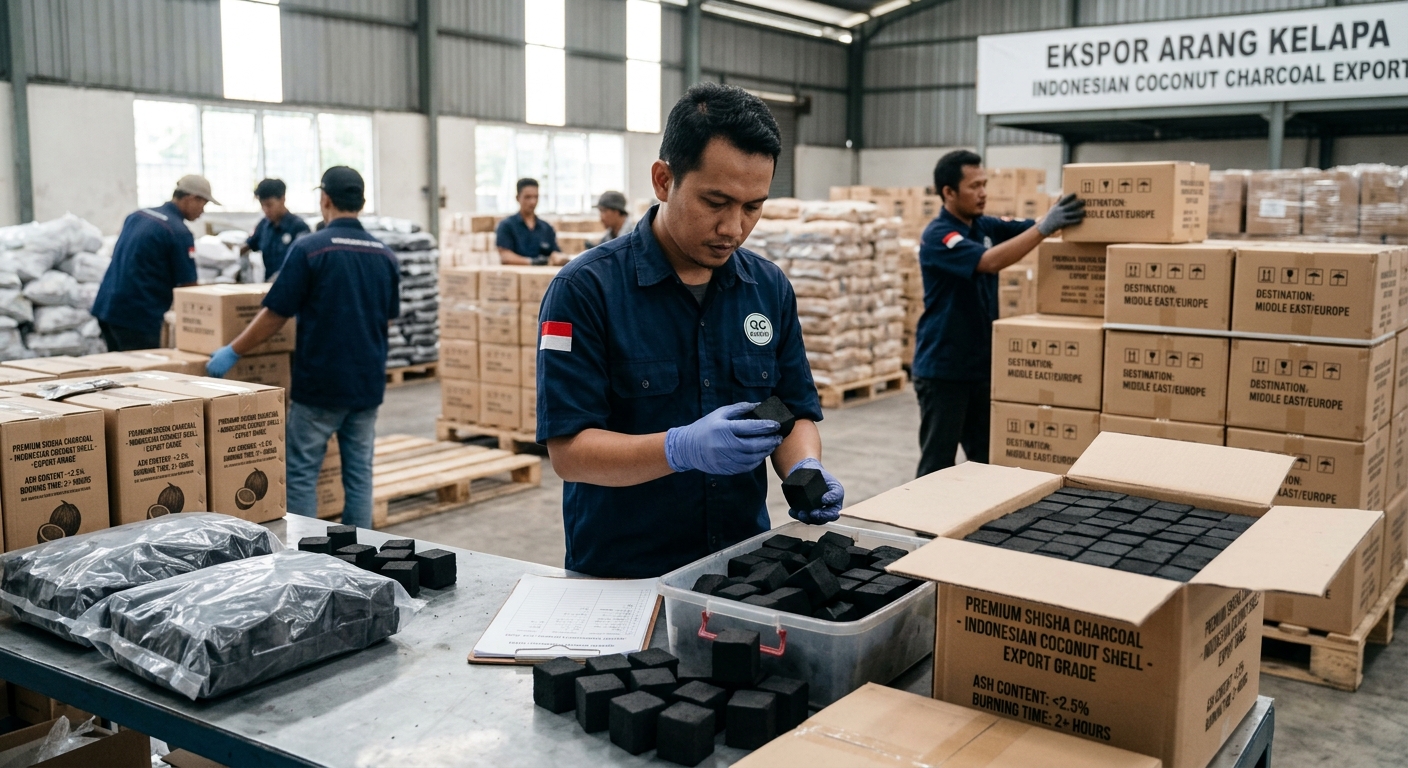
Coconut charcoal briquettes are manufactured using the discarded shells of coconuts. Instead of letting these shells go to waste, they are carbonized, crushed, mixed with a natural binder (such as tapioca starch), and compressed into uniform briquettes. This process creates a dense, highly efficient fuel source that burns hotter and longer than many traditional charcoal options.
Because they are made from agricultural waste, coconut briquettes are a sustainable and renewable resource. They do not require cutting down trees, making them an excellent choice for environmentally conscious consumers. But their appeal goes far beyond just being green; they offer tangible benefits that directly impact the quality of your barbecue.
Key Benefits of Using Coconut Charcoal for BBQ
1. Extended Burn Time
One of the most significant advantages of coconut charcoal briquettes is their incredible burn time. Thanks to their high density, these briquettes can burn up to two to three times longer than traditional charcoal. This means you will spend less time replenishing the fuel during a long, slow cook, making them perfect for smoking brisket, pork shoulder, or ribs.
2. High and Consistent Heat
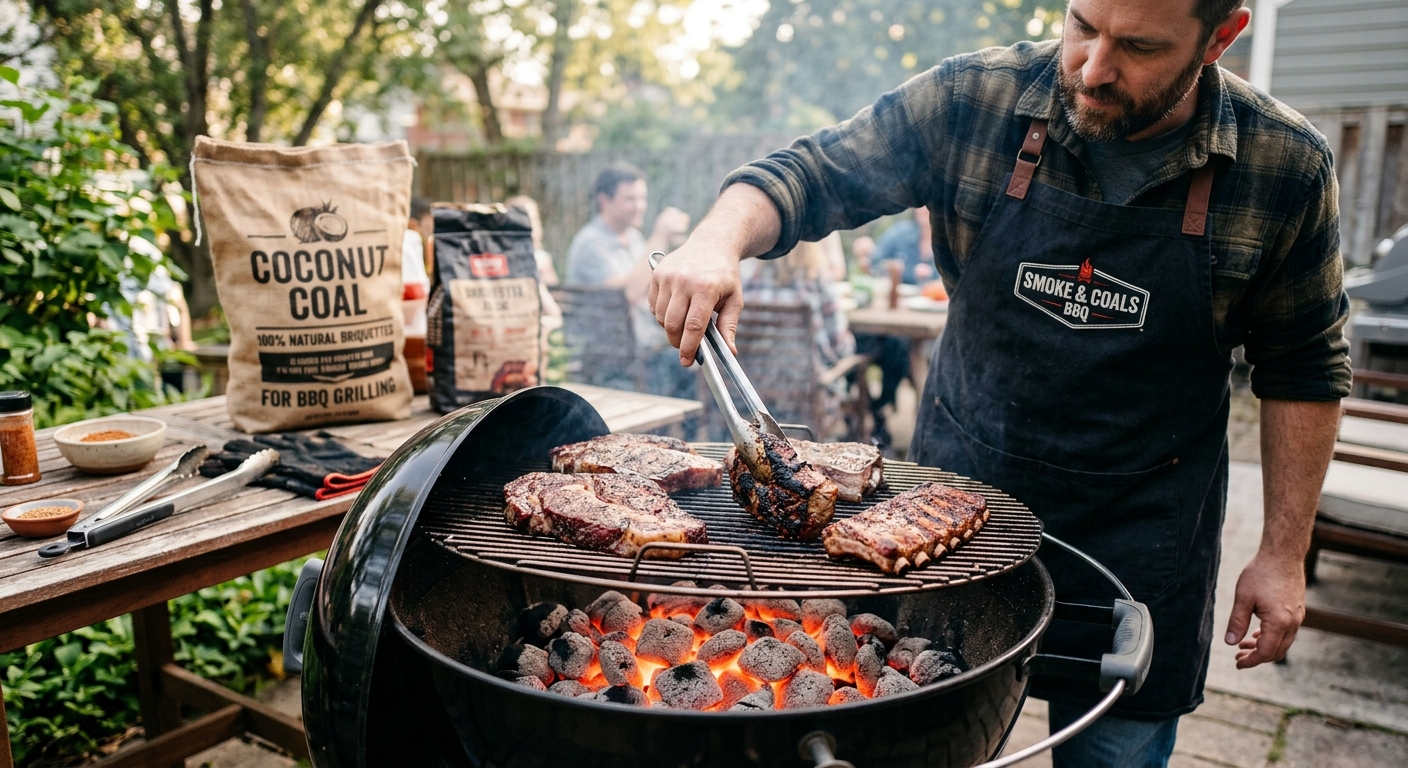
Consistency is key when grilling. Coconut briquettes burn with a very steady, high heat. They do not fluctuate wildly in temperature, allowing for precise control over your cooking environment. Whether you are searing a steak at high temperatures or slow-roasting a chicken, these briquettes deliver reliable results.
3. Minimal Smoke and Odor
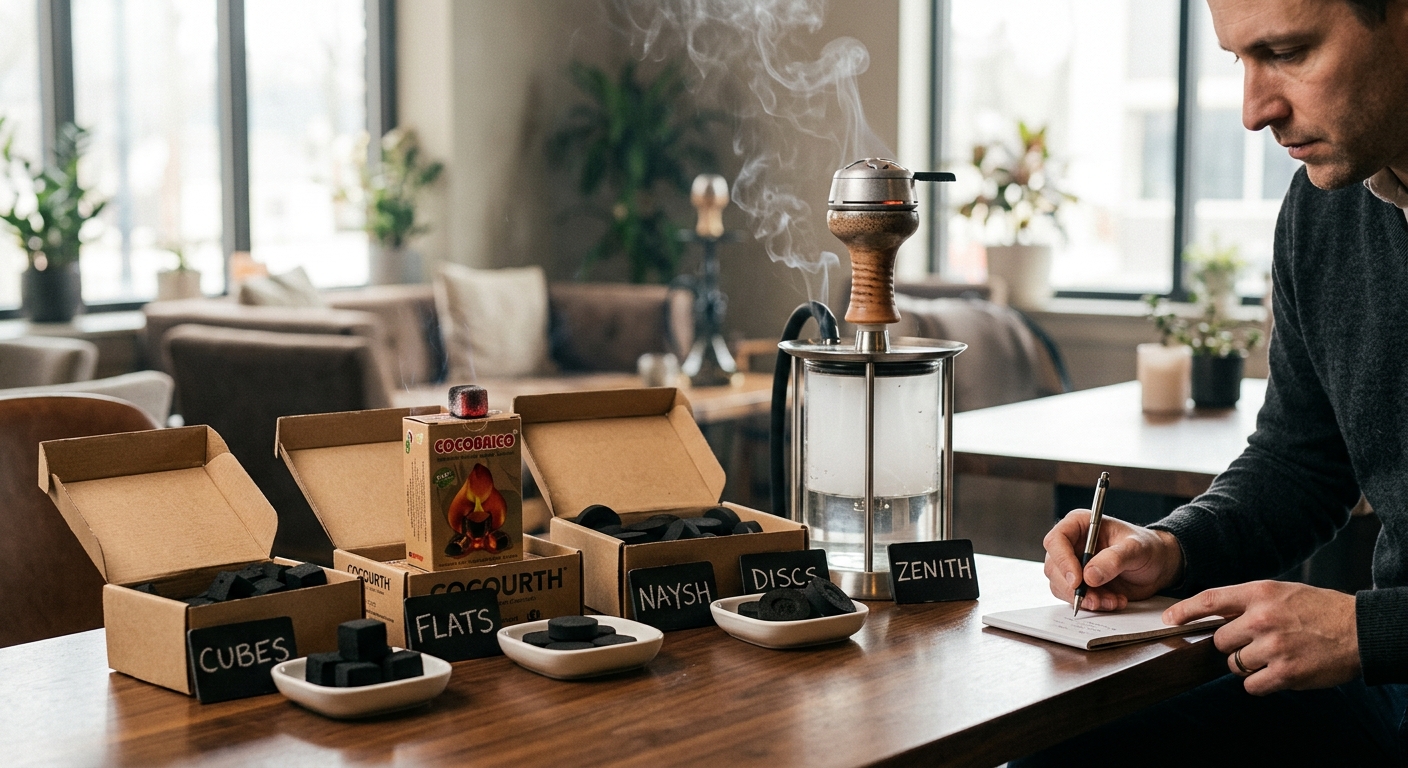
Nobody wants their food to taste like chemical starters or excessive, acrid smoke. Coconut charcoal produces very little smoke once lit and has a neutral odor. This ensures that the natural flavors of your marinades, rubs, and the meat itself shine through, rather than being overpowered by the fuel. This neutral profile is also highly valued in the hookah community, which is why resources like The Best Charcoal for Kaloud Lotus: A Comprehensive Guide often highlight coconut charcoal as the premium choice for clean-tasting sessions.
4. Low Ash Production
Cleaning up after a barbecue is rarely fun. Coconut charcoal briquettes produce significantly less ash compared to traditional wood charcoal—often less than 5% of their original volume. This not only makes cleanup a breeze but also prevents ash from flying up and coating your food during the cook.
Comparing Charcoal Options: Coconut vs. Traditional Wood
To better understand how coconut charcoal briquettes stack up against traditional wood briquettes, let us look at a direct comparison of their key performance metrics.
| Charcoal Type | Burn Time | Ash Production | Maximum Temperature | Environmental Impact |
|---|---|---|---|---|
| Coconut Briquettes | 3 to 4 hours | Low (Under 5%) | High (Up to 800°F) | Sustainable (No trees cut) |
| Wood Briquettes | 1.5 to 2 hours | High (15% – 20%) | Medium (Up to 650°F) | Requires tree harvesting |
How to Use Coconut Charcoal Briquettes Effectively
Getting the most out of your coconut charcoal requires a slight adjustment if you are used to traditional briquettes. Because they are so dense, they can take a bit longer to light. Using a charcoal chimney starter is highly recommended. Simply place your natural fire starters or crumpled newspaper under the chimney, fill it with coconut briquettes, and wait for about 15 to 20 minutes until they are coated in a light layer of gray ash.
Once lit, arrange the briquettes according to your cooking method—spread them out for direct grilling or push them to one side for indirect two-zone cooking. Their stability is much like the stability required when managing heat in other applications, a topic well-covered in Hookah Foil vs Heat Management: The Complete Guide.
Conclusion
In conclusion, our review of BBQ coconut charcoal briquettes reveals a product that is vastly superior to traditional charcoal in many ways. From their eco-friendly origins to their long, hot, and clean burn, coconut briquettes offer exceptional value for any grilling enthusiast. While they may take slightly longer to light, the benefits of minimal ash, neutral flavor, and sustained heat make them a worthwhile investment for your next barbecue gathering.
Frequently Asked Questions (FAQ)
Are coconut charcoal briquettes safe to use for cooking?
Yes, coconut charcoal briquettes are completely safe for cooking. They are made from 100% natural coconut shells and typically use natural binders like tapioca starch, containing no harmful chemicals or synthetic additives.
How long do coconut charcoal briquettes take to light?
Due to their high density, coconut briquettes usually take between 15 to 20 minutes to fully light when using a charcoal chimney starter. They require a bit more time than traditional charcoal but make up for it with a much longer burn time.
Can I use coconut charcoal in any type of grill?
Absolutely. Coconut charcoal briquettes are versatile and can be used in kettle grills, kamado-style grills, smokers, and even open fire pits. Their consistent heat makes them ideal for both high-heat searing and low-and-slow smoking.
3 thoughts on “BBQ Coconut Charcoal Briquettes Review: Are They Worth It?”