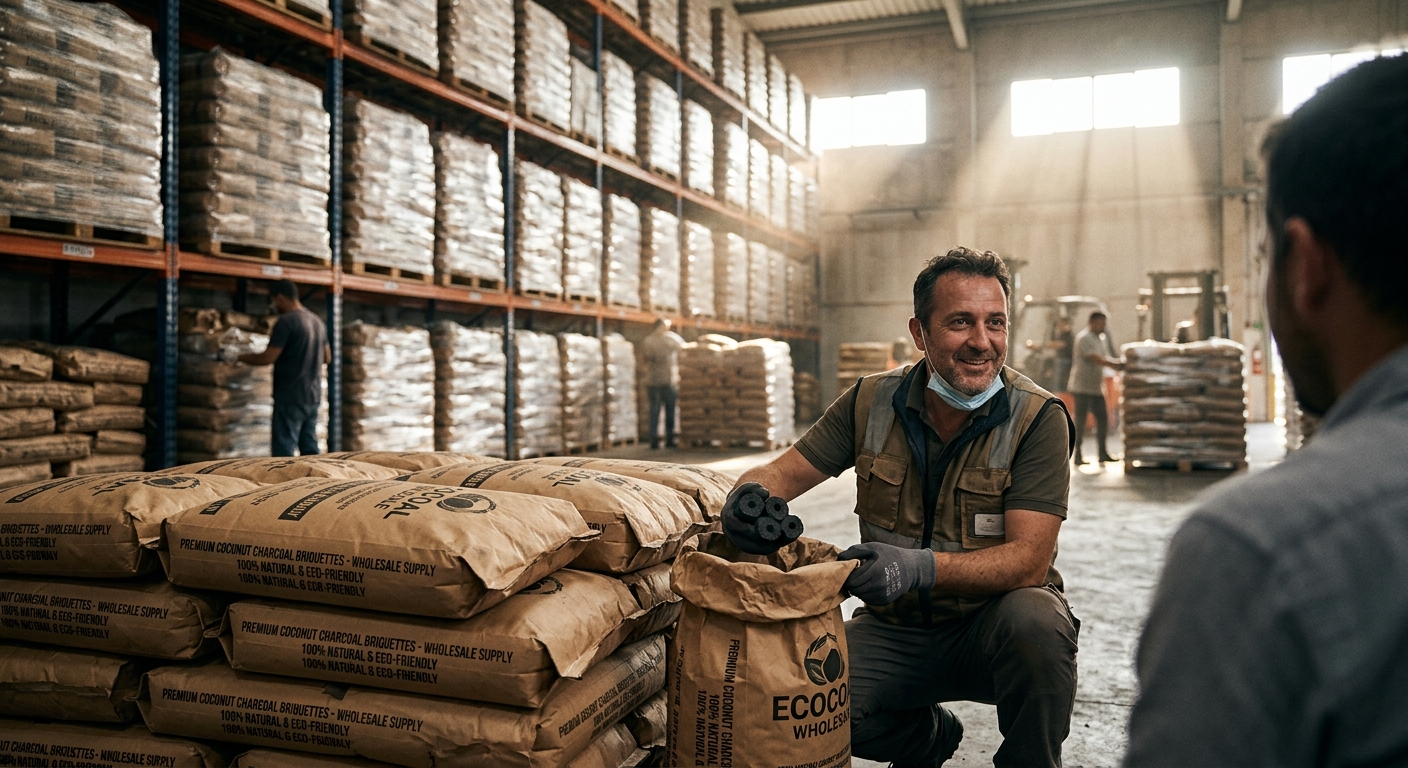
Introduction to Wholesale Coconut Charcoal Briquettes
As the demand for sustainable and high-quality fuel sources continues to rise, coconut charcoal briquettes have emerged as a leading choice for both culinary and recreational purposes. Derived from coconut shells, an agricultural byproduct, these briquettes offer a clean, eco-friendly, and highly efficient burn. Understanding the wholesale coconut charcoal briquettes price is crucial for businesses looking to import, distribute, or utilize this premium product. In this comprehensive guide, we will explore the factors influencing prices, the benefits of using coconut charcoal, and essential tips for sourcing the best deals in the market.
The Rising Popularity of Coconut Charcoal Briquettes
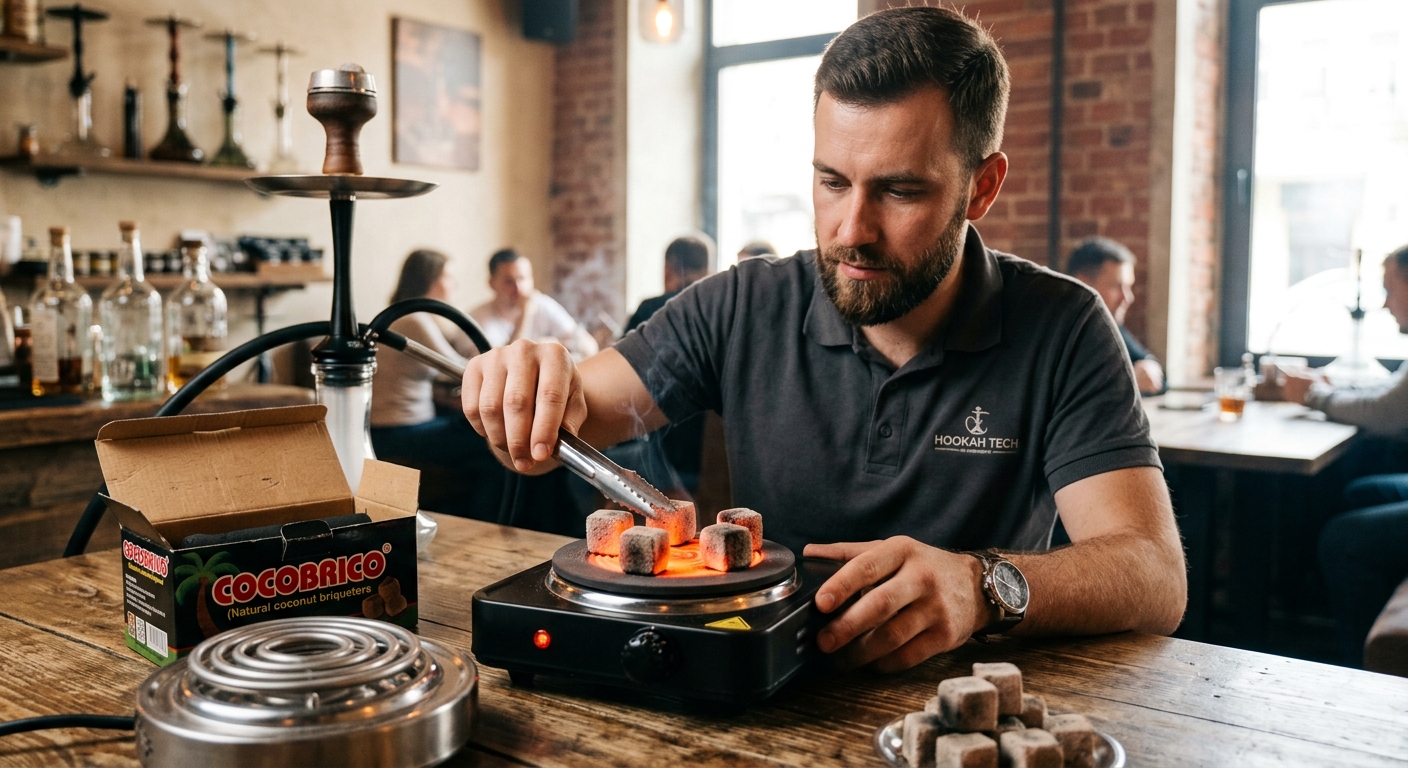
Coconut charcoal briquettes have gained immense popularity globally, particularly in the shisha and BBQ industries. Unlike traditional wood charcoal or quick-light coals, coconut charcoal is celebrated for its low ash content, long burn time, and lack of odor or taste. This makes it ideal for hookah enthusiasts who want to experience the pure flavor of their shisha tobacco. If you are looking to maximize your shisha sessions, you might be interested in learning How to Pack a Hookah Bowl for Thick Clouds: The Ultimate Guide.
Environmental Benefits
One of the primary drivers behind the shift to coconut charcoal is its environmental sustainability. The production of these briquettes does not require the cutting down of trees. Instead, it utilizes coconut shells that would otherwise be discarded as waste. By choosing coconut charcoal, businesses and consumers are actively participating in reducing deforestation and minimizing carbon footprints.
Factors Influencing Wholesale Coconut Charcoal Briquettes Price
The wholesale coconut charcoal briquettes price is not static; it fluctuates based on a variety of factors. Understanding these variables can help buyers make informed decisions and secure the best possible pricing.
1. Raw Material Availability and Costs
The primary raw material for these briquettes is coconut shells. The cost and availability of these shells depend heavily on the agricultural yield of coconut-producing countries, such as Indonesia, the Philippines, and India. Weather conditions, natural disasters, and seasonal changes can impact coconut harvests, leading to fluctuations in raw material prices. When raw materials are scarce, the wholesale price of the finished briquettes naturally increases.
2. Quality and Specifications
Not all coconut charcoal briquettes are created equal. The wholesale coconut charcoal briquettes price varies significantly based on the quality specifications. High-quality briquettes typically have a higher carbon content, lower ash content, and better structural integrity. Premium grades often undergo a more rigorous carbonization and mixing process, utilizing superior natural binders like tapioca starch. The shape of the briquette also plays a role in pricing and performance. For a detailed comparison of different shapes, check out Cube vs Hexagonal Hookah Charcoal Burn Time: A Comprehensive Guide.
3. Manufacturing and Processing Costs
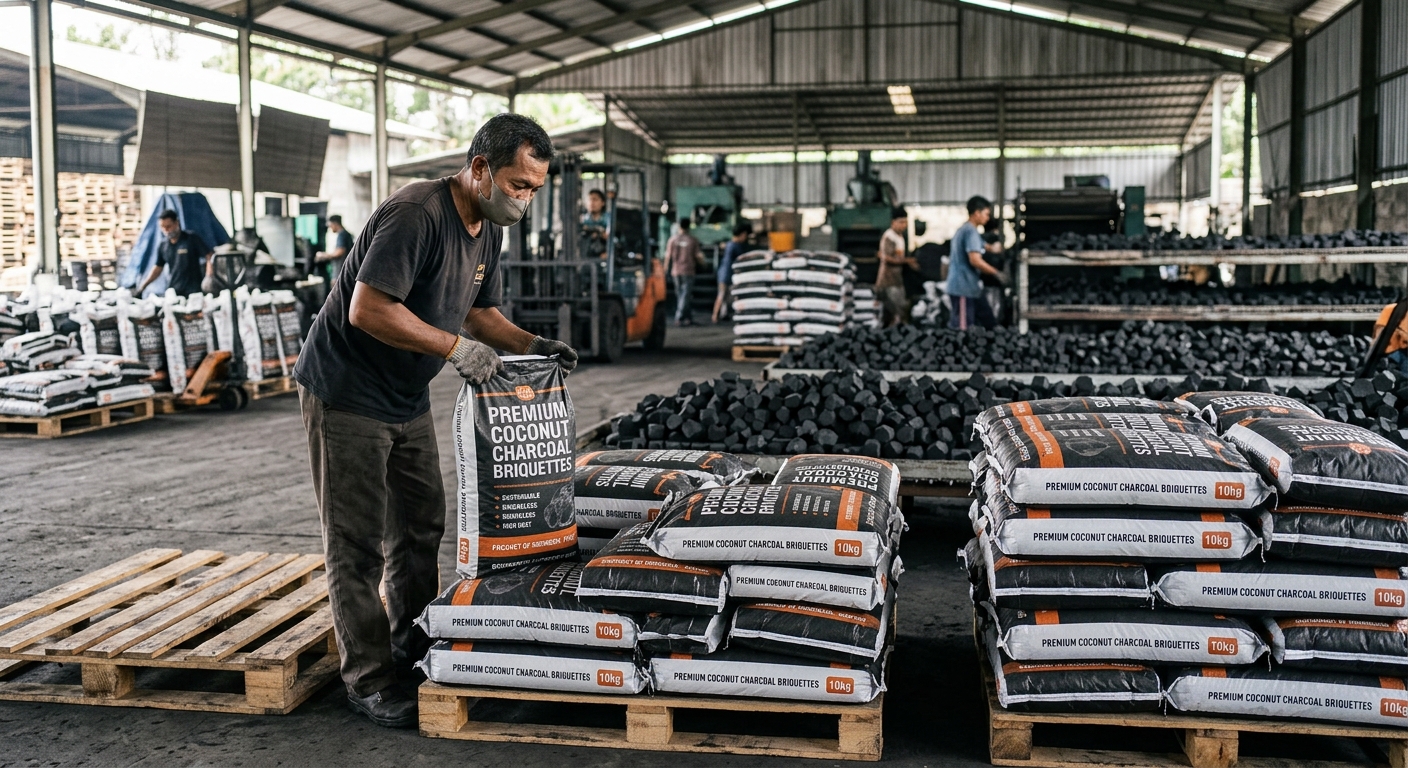
The production process of coconut charcoal briquettes involves several steps: carbonization, crushing, mixing with binders, pressing or extruding into shapes, and drying. The efficiency of the manufacturing plant, labor costs, and energy prices all contribute to the final wholesale price. Facilities that employ advanced technology to ensure consistent quality and faster production times may charge a premium, but they often deliver a more reliable product.
4. Packaging Requirements
Packaging is a significant component of the overall cost. Wholesale buyers often require custom packaging, such as inner plastic bags, full-color printed inner boxes, and sturdy master cartons for international shipping. The complexity of the design, the quality of the materials used, and the volume of the order all impact packaging costs. Standard bulk packaging is generally cheaper than retail-ready custom boxes.
5. Logistics and Shipping
Since the majority of high-quality coconut charcoal briquettes are produced in Southeast Asia, logistics play a crucial role in determining the final landed cost. Freight rates, fuel surcharges, port fees, and customs duties can vary wildly. The wholesale price quoted by the supplier (often FOB – Free On Board) does not include the cost to transport the goods to the destination country. Buyers must factor in these logistics costs when calculating their total investment.
Understanding Market Pricing Structures
When inquiring about wholesale coconut charcoal briquettes price, buyers will typically encounter different pricing tiers based on order volume and quality grades. Sourcing directly from manufacturers is often the most cost-effective method. For businesses looking to secure large volumes, reading a Natural Coconut Charcoal Bulk Supplier: The Complete Guide can provide valuable insights into navigating the wholesale market.
Typical Price Ranges
While prices are subject to change, the wholesale coconut charcoal briquettes price generally ranges from $900 to $1,500 per metric ton (FOB), depending on the factors mentioned above. Premium shisha-grade briquettes, which require higher quality control and better raw materials, will sit at the upper end of this spectrum. Standard BBQ-grade briquettes are usually more affordable.
| Grade | Typical Use | Estimated FOB Price Range (Per Ton) | Key Characteristics |
|---|---|---|---|
| Premium Shisha Grade | Hookah / Shisha | $1,200 – $1,500+ | Max 2.5% ash, >80% fixed carbon, 2+ hours burn time |
| Standard Shisha Grade | Hookah / Shisha | $1,000 – $1,200 | Max 3% ash, 75-80% fixed carbon, 1.5-2 hours burn time |
| Premium BBQ Grade | Grilling / BBQ | $900 – $1,100 | Max 5% ash, high heat output, larger shapes (hexagonal/pillow) |
How to Source Reliable Suppliers
Finding a trustworthy supplier is as important as negotiating the best wholesale coconut charcoal briquettes price. Indonesia is currently the largest producer of high-quality coconut charcoal. For a deep dive into finding the best partners in this region, consult The Ultimate Guide to Finding a Reliable Shisha Charcoal Cube Supplier in Indonesia.
Requesting Samples and Testing
Before committing to a large wholesale order, it is imperative to request samples from potential suppliers. Testing the samples allows you to verify the burn time, ash color, ash content, and structural integrity of the briquettes. When testing, pay close attention to whether the charcoal cracks when lit, how much smoke it produces, and if it emits any unwanted odors.
Certifications and Compliance
Ensure that the supplier holds the necessary certifications for export. This includes Material Safety Data Sheets (MSDS), Certificates of Origin, and compliance with the regulations of the importing country. Reputable suppliers will have strict quality control measures in place and will be transparent about their production processes.
Conclusion
The wholesale coconut charcoal briquettes price is influenced by a complex interplay of raw material availability, manufacturing processes, quality specifications, and global logistics. By understanding these factors, buyers can navigate the market more effectively, negotiate better terms, and secure high-quality products that meet the demands of their customers. Whether you are supplying the shisha market or the BBQ industry, investing time in researching suppliers and testing products is essential for long-term success. As the demand for sustainable fuel continues to grow, coconut charcoal briquettes represent a lucrative and environmentally responsible business opportunity.
Frequently Asked Questions (FAQ)
What is the minimum order quantity (MOQ) for wholesale coconut charcoal briquettes?
Most manufacturers require a minimum order quantity of one 20-foot container, which typically holds around 17 to 18 metric tons of packaged coconut charcoal briquettes. Some suppliers may allow smaller orders for first-time buyers, but shipping Less than Container Load (LCL) is generally not recommended due to higher risks of damage and increased shipping costs per ton.
Why are coconut charcoal briquettes more expensive than wood charcoal?
Coconut charcoal briquettes are more expensive because the production process is more labor-intensive and complex. It involves carbonizing the shells, crushing them into fine powder, mixing with natural binders, shaping, and drying. However, they offer a higher fixed carbon content, longer burn time, and cleaner burn, making them more cost-effective in the long run.
How can I verify the quality of a wholesale supplier before buying?
To verify a supplier’s quality, always request product samples and conduct independent testing. Ask for their company profile, export history, and relevant certifications like MSDS. Additionally, if possible, arrange for a factory visit or hire a third-party inspection agency to verify their production capacity and quality control standards before placing a bulk order.