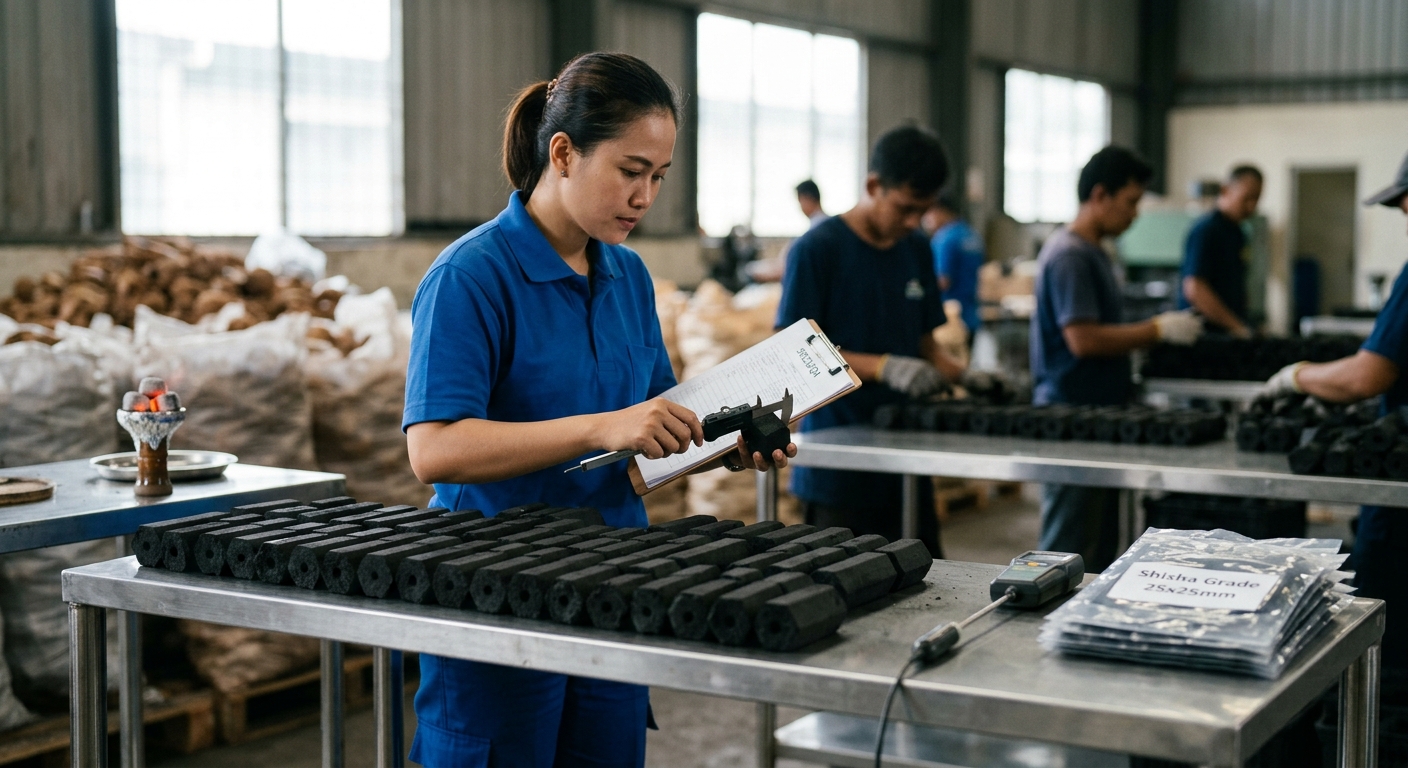
Introduction to Shisha Charcoal
The global hookah and shisha market has evolved significantly over the past decade, placing a premium on the quality of the smoking experience. At the heart of this experience is the heat source. For purists and modern enthusiasts alike, coconut shell charcoal has become the gold standard. Unlike quick-light charcoals that contain chemical accelerants, natural coconut charcoal provides a clean, odorless, and tasteless burn, ensuring the flavor of the shisha tobacco remains uncompromised. To truly appreciate the difference, reading The Ultimate Guide to the Best Coconut Charcoal Briquettes for Hookah is a great starting point for both consumers and businesses.
Why Coconut Shell Charcoal?
Coconut charcoal briquettes are manufactured using 100% natural coconut shells. The process involves carbonizing the shells, grinding them into a fine powder, mixing them with a natural binder (usually tapioca starch), and pressing them into specific shapes. This sustainable manufacturing process not only repurposes agricultural waste but also yields a product that burns hotter, longer, and cleaner than traditional wood charcoal.
For lounges, distributors, and dedicated smokers, understanding the exact technical specifications of these briquettes is critical. These specifications dictate how the charcoal will perform in a real-world setting, impacting everything from session duration to ash management.
Standard Coconut Charcoal Briquettes Specification for Shisha
When evaluating coconut charcoal for shisha, industry professionals rely on a set of standardized laboratory and practical tests. Below is a detailed breakdown of the ideal specifications for premium shisha charcoal.
1. Ash Content and Color
Ash content is perhaps the most visible indicator of charcoal quality. For premium shisha briquettes, the ash content should be strictly below 2.5% to 3.0%. Lower ash content means the briquette maintains its structural integrity longer and does not smother the heat with excessive residue.
Equally important is the ash color. The ideal ash color should be pure white or light grey. Brown or yellowish ash often indicates the presence of impurities, lower-quality binders, or incomplete carbonization. White ash signifies a clean burn, which is essential for maintaining the purity of the shisha flavor.
2. Fixed Carbon
Fixed carbon represents the solid combustible residue that remains after volatile matter is driven off. It is the primary source of heat during combustion. Premium coconut charcoal briquettes boast a fixed carbon content of 75% to 85%. A higher fixed carbon percentage correlates directly with a higher caloric value and a longer burning time. If the fixed carbon is too low, the charcoal will burn out rapidly, requiring frequent replacements during a smoking session.
3. Volatile Matter
Volatile matter refers to the gases and vapors released when the charcoal is heated. In the context of shisha, low volatile matter is crucial. It should ideally be kept between 10% and 15%. High volatile matter leads to excessive smoke, sparks, and an unpleasant odor during the initial lighting phase. Proper carbonization in the manufacturing process ensures that most volatile compounds are eliminated before the product reaches the consumer.
4. Moisture Content
Moisture is the enemy of efficient combustion. The moisture content in high-quality shisha charcoal must be maintained below 5%. Excess moisture not only makes the briquettes difficult to ignite but also lowers the combustion temperature and causes the charcoal to crack or split as the water vapor rapidly expands when heated.
5. Burning Time and Heat Stability
A standard shisha session lasts anywhere from 45 minutes to over an hour. Premium coconut briquettes should offer a burning time of 90 to 120 minutes. This extended duration is a hallmark of high-density briquettes. Furthermore, the heat output must be stable. The charcoal should reach its peak temperature steadily and maintain it without wild fluctuations that could scorch the shisha tobacco.
Physical Characteristics and Standard Sizes
Beyond chemical composition, the physical shape and size of the briquettes play a vital role in heat management. The briquettes must be dense, smooth, and free of cracks. A drop test is often performed to ensure the briquettes do not shatter upon impact, which indicates proper compression and binder ratio.
| Shape | Common Dimensions (mm) | Pieces per 1kg Box | Best Use Case |
|---|---|---|---|
| Cube | 22 x 22 x 22 | 96 – 104 | Standard bowls, foil, and HMDs |
| Large Cube | 25 x 25 x 25 | 72 | Heat Management Devices (HMDs), longer sessions |
| Hexagonal | 20 x 50 | ~60 | Traditional lounges, specific regional preferences |
| Flat | 25 x 25 x 15 | 120 | Shorter sessions, quick heat adjustments |
Choosing the right shape and size depends entirely on the user’s preference and the type of bowl or heat management device being utilized.
Sourcing Quality Shisha Charcoal
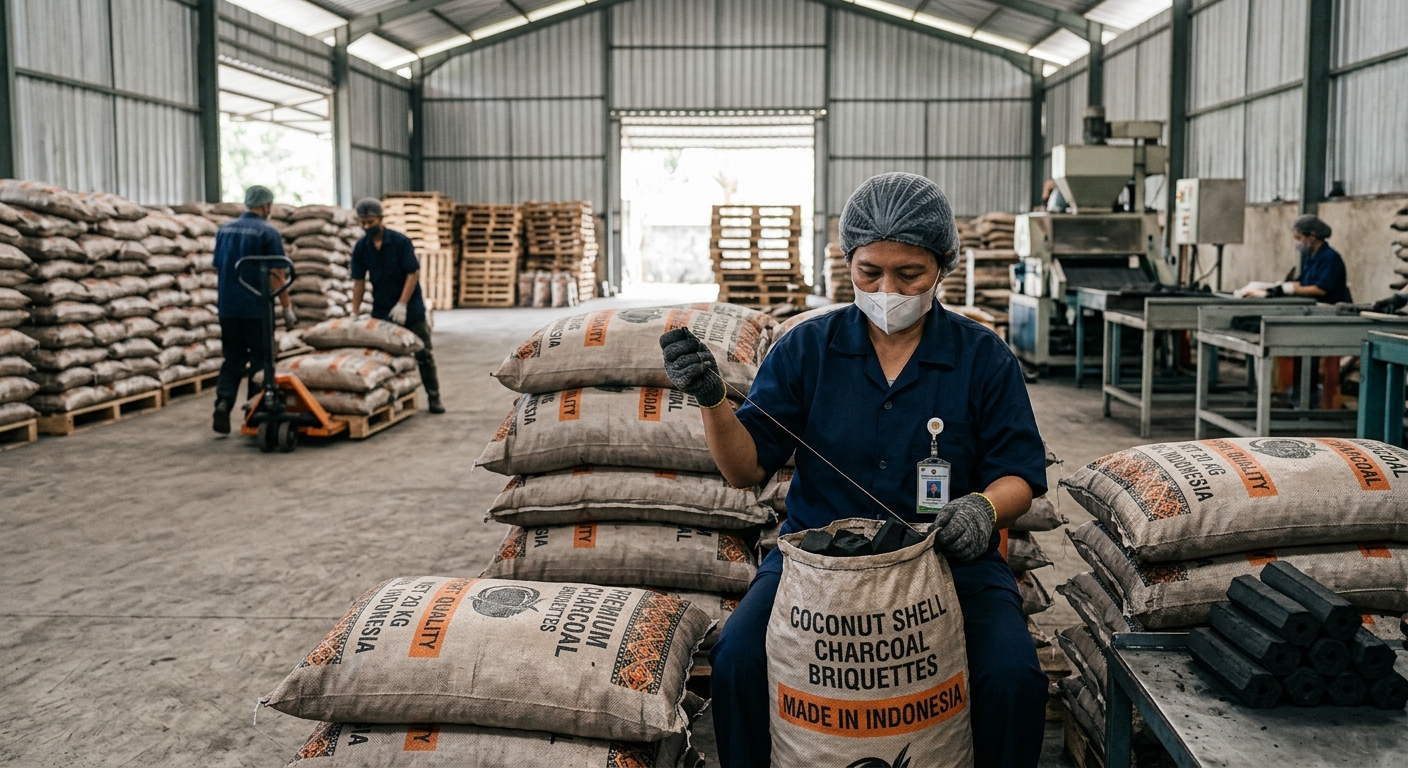
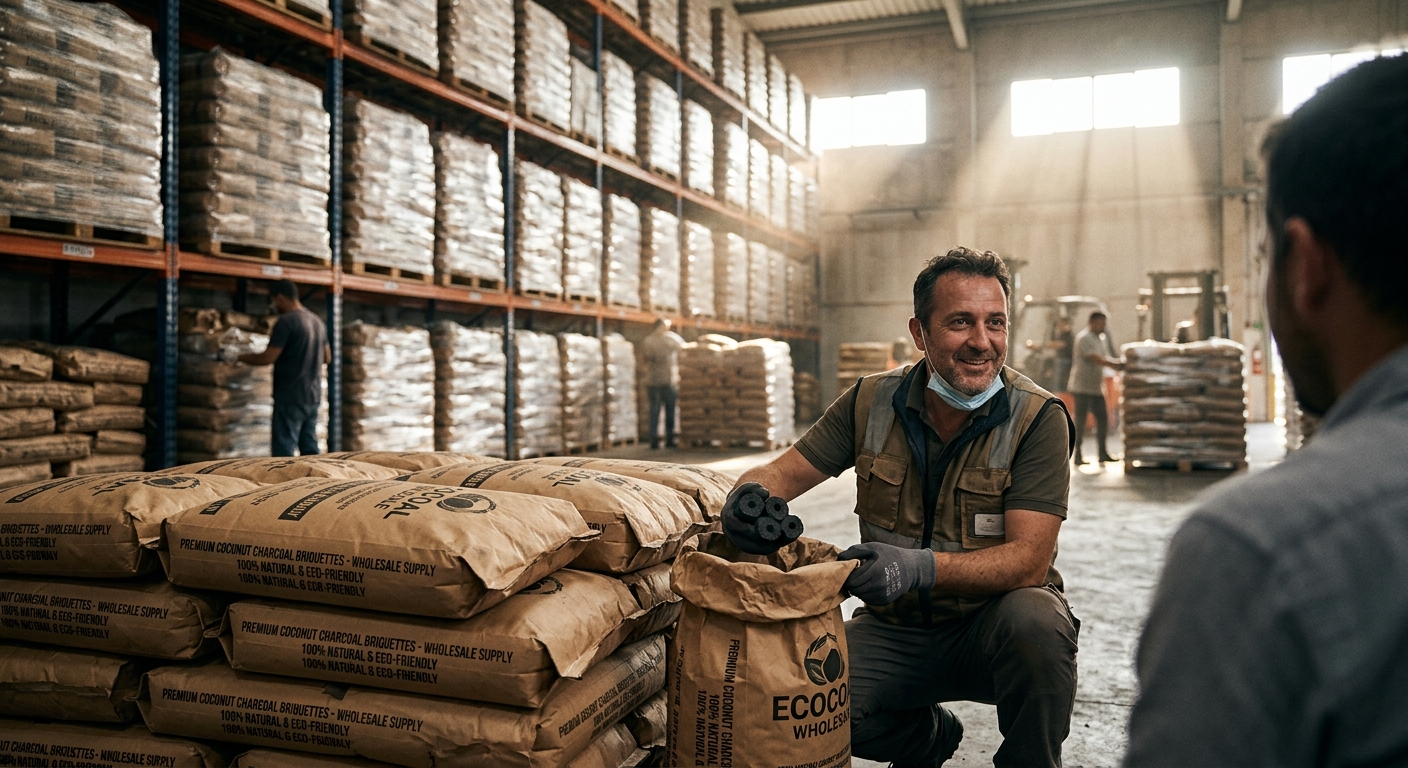
For wholesalers and distributors, sourcing consistency is just as important as the initial specifications. The global supply chain relies heavily on production hubs in Indonesia, where coconuts are abundant. It is vital to partner with manufacturers who implement strict quality control measures at every stage, from shell selection to final packaging. To navigate this complex landscape, consulting a resource like Premium Shisha Charcoal Supplier in Bulk: The Ultimate Guide can provide invaluable insights into auditing and selecting the right manufacturing partners.
Furthermore, pricing structures can vary wildly based on the exact specifications requested. High fixed carbon and ultra-low ash content require more raw material and longer processing times, which naturally drives up the factory price. Wholesalers must balance quality with cost-effectiveness. Reviewing a detailed breakdown such as Premium Hookah Charcoal Factory Price: A Guide for Wholesalers will help buyers understand the market rates and negotiate better terms without sacrificing product integrity. When you are looking to purchase reliable charcoal products, always ask the supplier for their latest laboratory test reports to verify these specifications.
Conclusion
The specifications of coconut charcoal briquettes for shisha are not just arbitrary numbers; they are the scientific foundation of a premium smoking experience. By demanding high fixed carbon, low ash, low moisture, and low volatile matter, consumers and businesses ensure a long-lasting, clean, and flavor-neutral heat source. Understanding these parameters empowers buyers to make informed decisions, source superior products, and ultimately elevate the standard of their shisha offerings.
Frequently Asked Questions (FAQ)
What is the ideal ash content for shisha coconut charcoal?
The ideal ash content for premium shisha coconut charcoal is between 2.0% and 3.0%. Lower ash content ensures a cleaner burn and prevents the ash from smothering the heat, allowing for better temperature management during the session.
Why is moisture content important in charcoal briquettes?
Moisture content should be below 5%. High moisture makes the charcoal harder to light, reduces its burning temperature, and can cause the briquette to crack or pop during ignition as trapped water rapidly turns into steam.
How long should a good coconut charcoal briquette burn?
A high-quality coconut charcoal briquette, especially standard 25mm cubes, should burn consistently for 90 to 120 minutes. This provides ample time for a standard shisha session without the need for constant coal replacements.
What is fixed carbon and why does it matter?
Fixed carbon is the solid combustible material left in the charcoal after volatile compounds have been burned off. A higher fixed carbon percentage (typically 75% to 85%) means the charcoal contains more energy, resulting in a hotter and longer-lasting burn.
One thought on “Comprehensive Guide to Coconut Charcoal Briquettes Specification for Shisha”