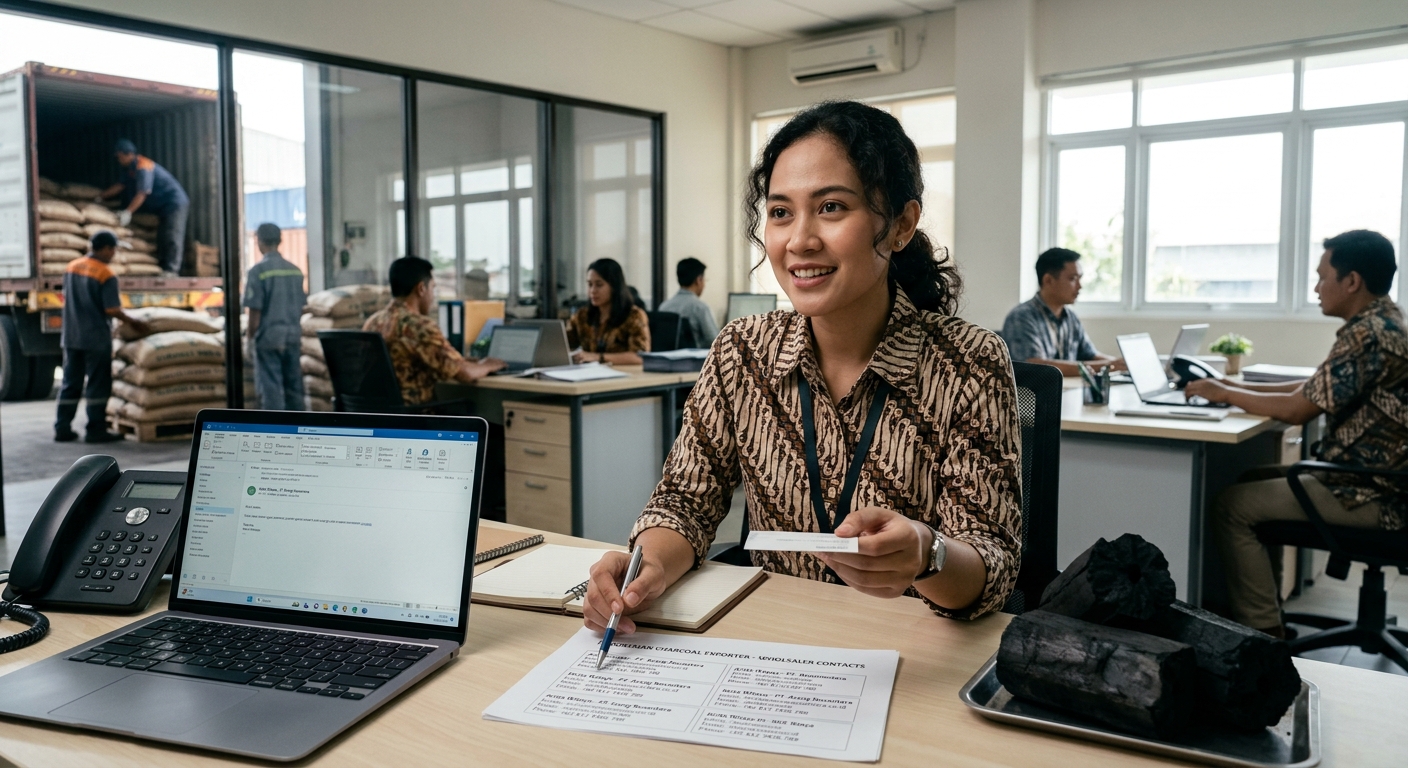
Introduction to the Indonesian Charcoal Export Market
Indonesia is globally recognized as one of the top producers and exporters of high-quality charcoal, particularly coconut shell charcoal briquettes. The country’s vast archipelago provides an abundant supply of raw materials, making it a hub for international buyers seeking premium charcoal for shisha, hookah, and barbecue purposes. Whether you are a distributor, a wholesaler, or a brand owner, having reliable Indonesian charcoal exporter contact details is the first step toward building a successful and profitable supply chain.
Navigating the export market requires more than just finding a list of emails and phone numbers. It involves understanding the manufacturing process, verifying the credibility of suppliers, and negotiating the best terms. This article will guide you through the intricacies of finding and communicating with top-tier Indonesian charcoal exporters, ensuring you secure the best products for your business.
Why Choose Indonesian Coconut Charcoal?
Before diving into how to contact exporters, it is essential to understand why Indonesian coconut charcoal is highly sought after. The unique properties of Indonesian coconut shells result in briquettes that offer superior performance compared to traditional wood charcoal.
- High Heat and Long Burn Time: Indonesian coconut charcoal burns hotter and longer, making it highly efficient.
- Low Ash Content: Quality briquettes leave minimal ash, which is crucial for hookah users who want a clean experience. If you are looking for top-tier products, Discovering the Best Low Ash Hookah Charcoal Brand for a Clean Smoke is essential reading.
- Odorless and Tasteless: It does not alter the flavor of the shisha or the food being grilled.
- Eco-Friendly: Produced from coconut shells, a byproduct of the copra industry, it is a sustainable alternative to cutting down trees.
How to Find Indonesian Charcoal Exporter Contact Details
Finding legitimate and reliable exporters can be a daunting task, but several proven methods can streamline your search. Here are the best avenues to explore when looking for Indonesian charcoal exporter contact details:
1. B2B Directories and Platforms
Platforms like Alibaba, TradeKey, and Global Sources are excellent starting points. They host thousands of verified suppliers. When using these platforms, always look for suppliers with a high transaction history and verified credentials. It is also beneficial to read reviews and request company profiles.
2. Trade Shows and Exhibitions
Attending international trade shows, such as the Trade Expo Indonesia (TEI), is one of the most effective ways to meet manufacturers face-to-face. These events allow you to inspect product samples, discuss factory capacities, and exchange contact details directly with company executives.
3. Government and Trade Association Directories
The Indonesian Ministry of Trade and various industry associations maintain directories of registered exporters. Contacting these bodies can yield a list of reputable companies that comply with national export regulations.
4. Direct Factory Sourcing
For those looking to bypass middlemen, sourcing directly from manufacturers is the best approach. When evaluating potential partners, you must assess their production capabilities and quality control measures. To aid in this process, read about Choosing the Right B2B Coconut Shell Charcoal Manufacturer: A Comprehensive Guide.
Key Information to Request from Exporters
Once you have obtained the Indonesian charcoal exporter contact details, the next step is initiating communication. Your initial inquiry should be professional and concise, outlining your requirements while requesting specific information to evaluate their suitability as a supplier.
Essential Questions to Ask:
- Company Registration: Can you provide a copy of your business license and export permit?
- Product Specifications: What are the precise specifications (moisture content, ash content, fixed carbon, volatile matter) of your briquettes?
- Production Capacity: What is your monthly production capacity, and what are your lead times?
- Certifications: Do you hold any international certifications, such as ISO, REACH, or MSDS?
- Pricing and Terms: What are your FOB or CIF prices, and what are your standard payment terms (e.g., LC, TT)?
Understanding Pricing and Negotiation
Pricing for Indonesian charcoal can fluctuate based on raw material availability, shipping costs, and currency exchange rates. When contacting exporters, it is vital to have a benchmark for current market prices to ensure you are receiving a fair quote.
Wholesale prices are typically quoted per metric ton (MT) and vary depending on the quality grade (e.g., premium shisha grade vs. standard BBQ grade). To gain a deeper understanding of the pricing structure and market trends, we highly recommend reviewing A Complete Guide to Wholesale Coconut Charcoal Briquettes Price.
Furthermore, if your focus is specifically on hookah products, understanding factory-direct pricing is crucial for maximizing your profit margins. For specific insights into this niche, check out the Premium Hookah Charcoal Factory Price: A Guide for Wholesalers.
Verifying Suppliers to Avoid Scams
Unfortunately, the lucrative nature of the charcoal export business attracts fraudulent entities. Protecting your investment requires diligent background checks before transferring any funds.
Steps for Supplier Verification:
- Video Calls: Request a live video tour of their factory and warehouse. Legitimate manufacturers will gladly accommodate this.
- Sample Testing: Always order samples before committing to a large container. Test the samples for burn time, ash color, and structural integrity.
- Third-Party Inspection: Utilize independent inspection agencies like SGS or Sucofindo to verify the quality and quantity of the goods before shipment.
- Bank Verification: Ensure the bank account details match the registered company name. Never send money to personal accounts.
Logistics and Shipping Considerations
Once you have selected a supplier and agreed on terms, the logistical phase begins. Indonesian charcoal is typically shipped in 20ft or 40ft containers. Because charcoal is classified as a hazardous material (Class 4.2 – substance liable to spontaneous combustion) under the IMDG Code, special shipping protocols apply.
Key Shipping Documents:
| Document Name | Purpose |
|---|---|
| Bill of Lading (B/L) | Serves as a receipt for cargo and a contract of carriage. |
| Commercial Invoice | Details the transaction between buyer and seller for customs. |
| Packing List | Provides details on how the goods are packed and weight. |
| Certificate of Origin (COO) | Certifies that the goods were manufactured in Indonesia. |
| Material Safety Data Sheet (MSDS) | Required by shipping lines to prove the material is safe for transport. |
| Self-Heating Test (SHT) Certificate | Proves the charcoal will not spontaneously combust during transit. |
Building Long-Term Relationships with Exporters
Securing reliable Indonesian charcoal exporter contact details is just the beginning. The goal is to build a long-term, mutually beneficial partnership. Consistent communication, prompt payments, and providing constructive feedback on product quality will establish trust. A strong relationship can lead to better pricing, priority during peak production seasons, and customized packaging solutions.
Conclusion
The Indonesian charcoal market offers tremendous opportunities for global wholesalers and distributors. By utilizing the right strategies to find legitimate Indonesian charcoal exporter contact details, asking the pertinent questions, and thoroughly verifying suppliers, you can secure a steady supply of premium coconut charcoal. Remember to stay informed about market pricing, insist on rigorous quality control, and understand the logistical requirements to ensure a smooth and profitable import process. Building a strong foundation with a reputable Indonesian manufacturer will ultimately drive the success of your charcoal business.
Frequently Asked Questions (FAQ)
How can I verify if an Indonesian charcoal exporter is legitimate?
To verify an exporter, request their official company registration and export licenses. Conduct a live video tour of their factory, ask for references from past international clients, and consider hiring a third-party inspection agency (like Sucofindo or SGS) to audit the factory and inspect the goods before shipment.
What is the minimum order quantity (MOQ) for importing charcoal from Indonesia?
Most reputable manufacturers require a minimum order quantity of one 20-foot container, which typically holds about 17 to 18 metric tons of coconut charcoal briquettes. Some suppliers may allow smaller trial orders, but shipping LCL (Less than Container Load) for charcoal is often difficult due to hazardous material regulations.
Why are SHT and MSDS certificates important when exporting charcoal?
Charcoal is classified as a hazardous cargo (liable to spontaneous combustion). The Material Safety Data Sheet (MSDS) and the Self-Heating Test (SHT) certificate are mandatory documents required by shipping lines and customs authorities to prove that the specific batch of charcoal has been tested and is safe for ocean transport.
Can Indonesian manufacturers provide OEM (custom packaging) services?
Yes, the majority of established Indonesian charcoal manufacturers offer OEM services. They can produce briquettes in specific shapes and sizes and package them in custom-printed inner boxes and master cartons featuring your brand’s logo and design. You will typically need to provide the artwork files in advance.


kilrzyxuftekqsjqqthdvnggnruppl
zjvxuodtpwwlrgugeotserfkroelse