Introduction to Low Ash Content Charcoal Briquettes
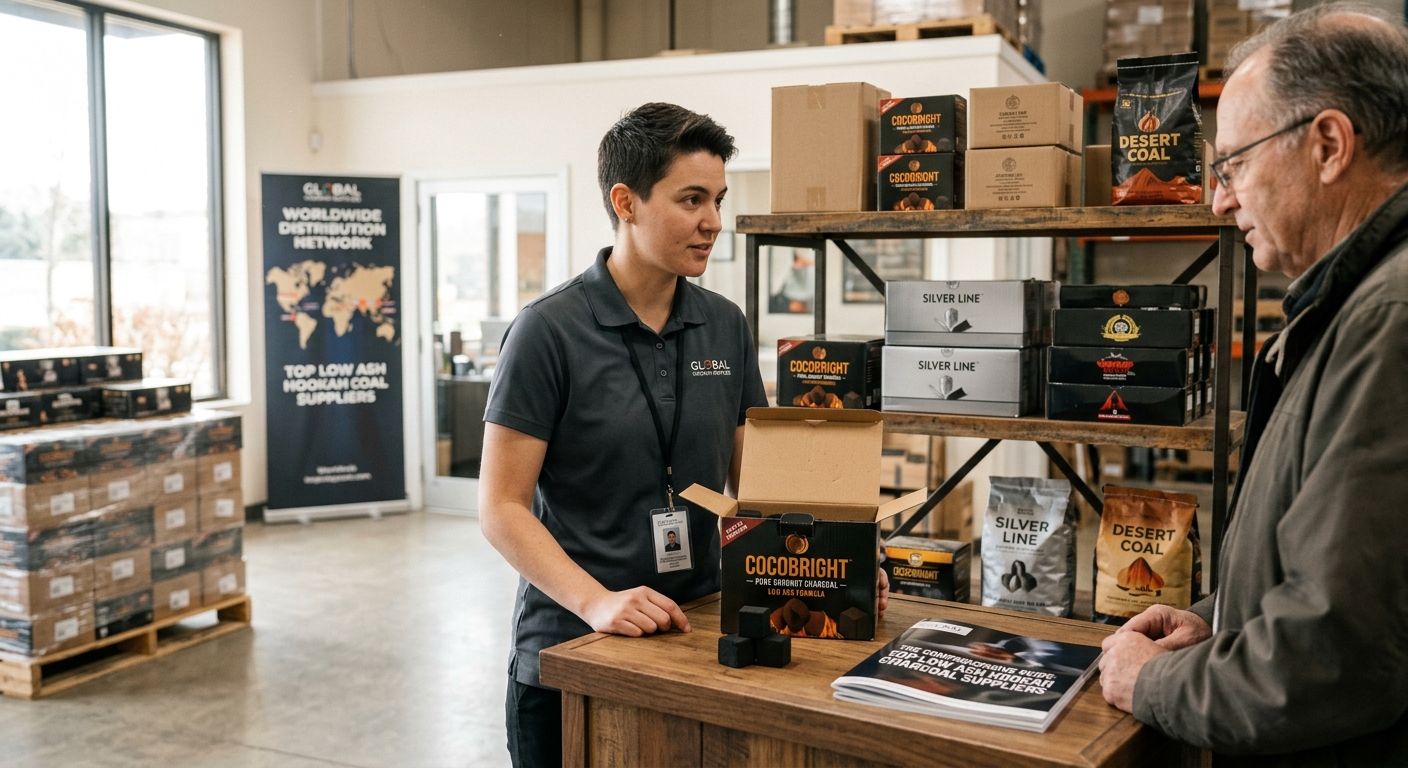
In the world of grilling, barbecuing, and hookah smoking, the quality of your charcoal can make or break the experience. Low ash content charcoal briquettes have emerged as a premium choice for enthusiasts who demand consistent heat, longevity, and minimal cleanup. Unlike traditional lump charcoal or standard briquettes, which often leave behind a significant amount of dusty residue, low ash alternatives are engineered to burn cleaner and more efficiently.
This comprehensive guide will delve into what makes low ash content charcoal briquettes superior, how they are manufactured, their primary applications, and how to choose the best product for your specific needs.
What Does “Low Ash Content” Mean?
Ash is the non-combustible mineral residue left behind after charcoal burns. It consists of calcium, potassium, magnesium, and other trace elements present in the original biomass. In standard charcoal, ash content can range anywhere from 5% to over 20%. Low ash content charcoal briquettes typically boast an ash content of less than 3%, and sometimes even below 2%.
A lower ash content indicates a higher purity of carbon. This means that a larger percentage of the briquette is actually combustible material, leading to a hotter, longer-lasting, and cleaner burn. Less ash also means less interference with airflow, which is critical for maintaining consistent temperatures.
The Manufacturing Process of Low Ash Charcoal
Producing low ash charcoal briquettes requires careful selection of raw materials and precision in the manufacturing process.
Selecting the Raw Materials
The journey to a low ash product begins with the biomass. Coconut shells are widely considered the gold standard for producing low ash charcoal. They naturally possess a high carbon content and low mineral content compared to wood. Hardwood sawdust can also be used, but it must be carefully screened and carbonized to minimize ash.
Carbonization and Briquetting
The raw material is heated in an oxygen-depleted environment in a process called carbonization. To achieve low ash content, the carbonization temperature and duration must be strictly controlled. After carbonization, the charcoal is crushed into a fine powder, mixed with a natural binder (such as tapioca starch), and pressed into uniform shapes.
Comparing Charcoal Types
To better understand the value of low ash briquettes, let’s compare them with standard charcoal options.
| Charcoal Type | Average Ash Content | Burn Time | Primary Best Use |
|---|---|---|---|
| Coconut Shell Briquettes | 1.5% – 2.5% | 1.5 – 2 Hours | Hookah & Premium Grilling |
| Hardwood Lump Charcoal | 3% – 5% | 1 – 1.5 Hours | Hot & Fast Grilling |
| Standard BBQ Briquettes | 10% – 20% | 45 Min – 1 Hour | Casual Backyard BBQs |
Applications of Low Ash Charcoal Briquettes
The unique properties of low ash charcoal make it ideal for several specific applications.
Hookah and Shisha Smoking
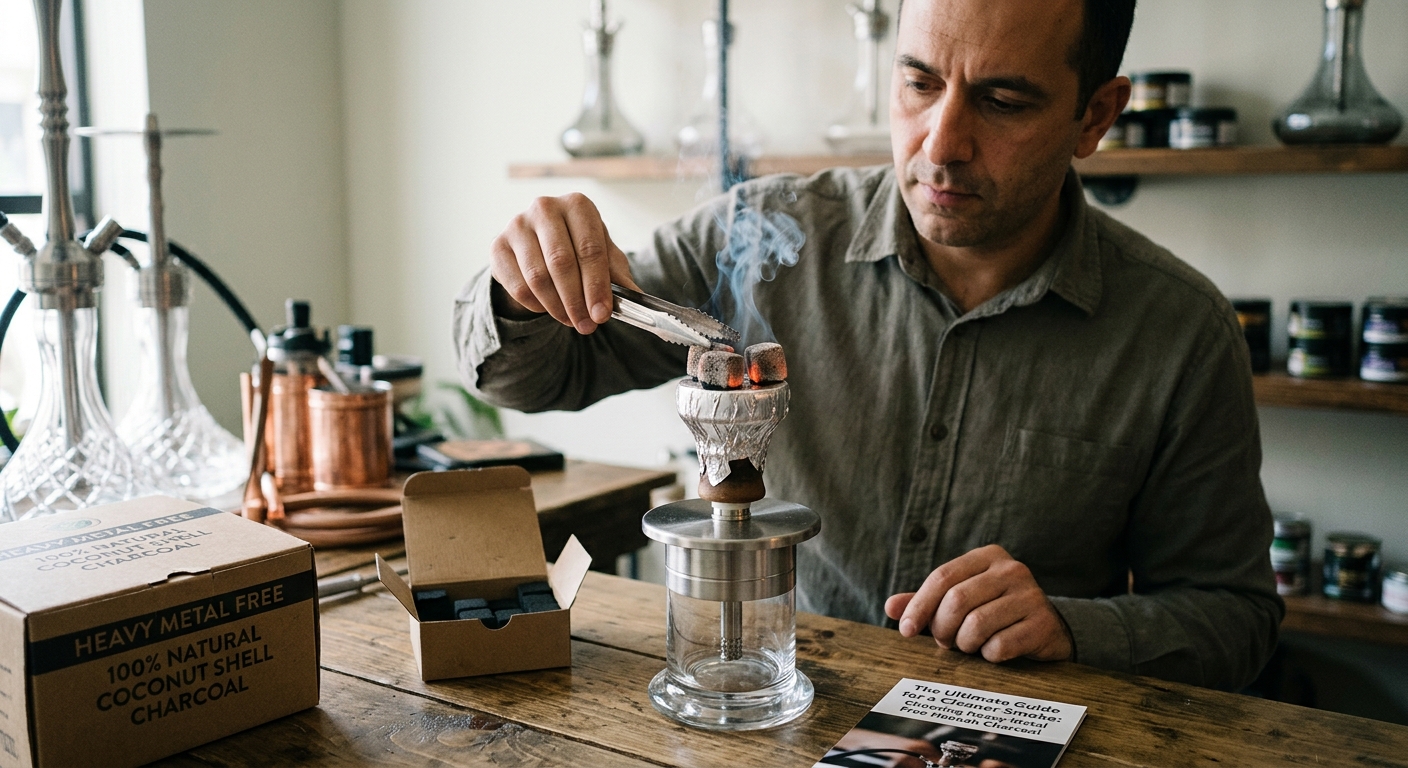
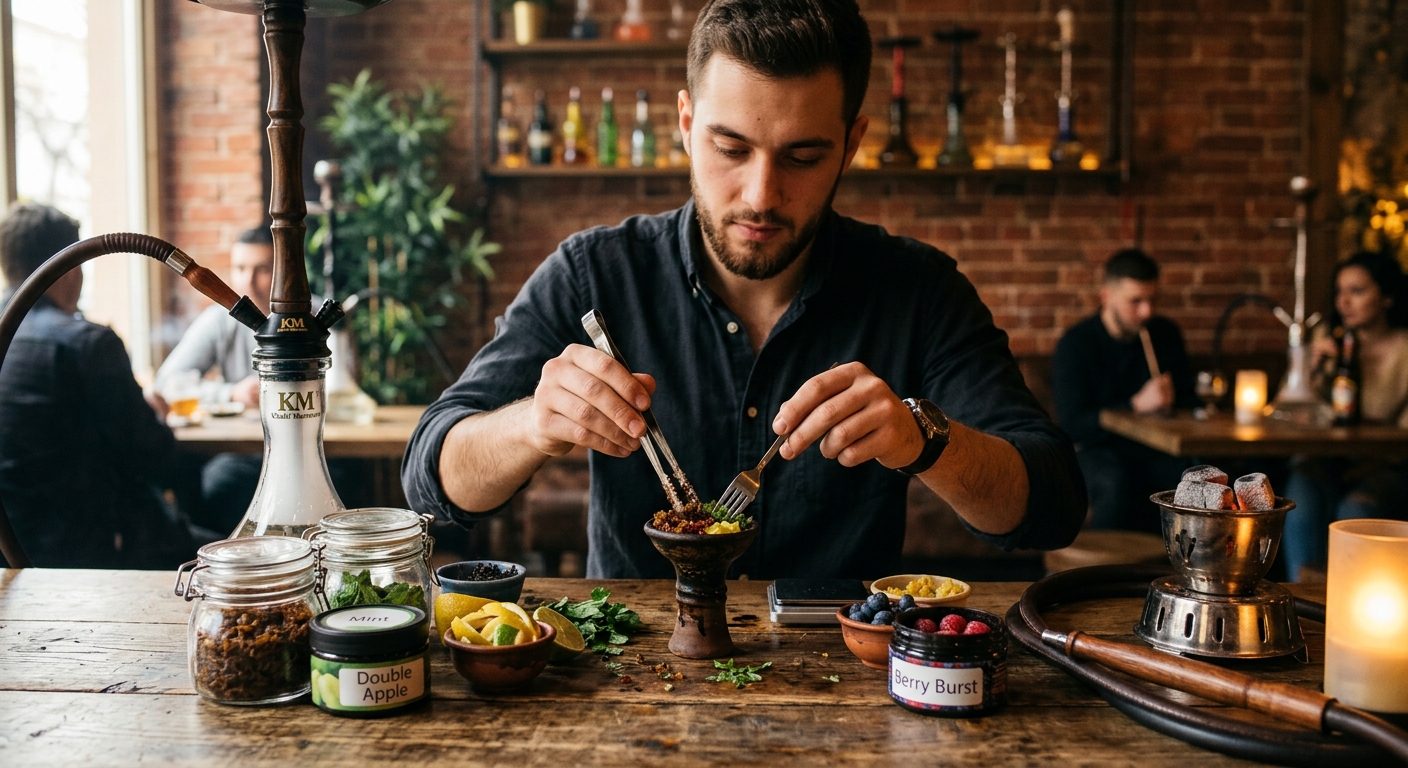
For hookah enthusiasts, low ash charcoal is not just a preference; it is a necessity. High ash charcoal can quickly smother the heat, leading to poor smoke production and an unpleasant taste. A clean burn ensures that the flavor of the shisha remains pure. If you are looking to elevate your experience, understanding the nuances of your setup is crucial. You can read more about How to Setup a Hookah for Thick Clouds: The Ultimate Professional Guide.
Furthermore, the shape of the briquette matters. Whether you prefer cubes or flats, low ash content ensures stability on the foil or heat management device. To explore the differences in shapes, check out Cube Charcoal vs Flat Charcoal: A Comprehensive Guide for Hookah Enthusiasts.
Professional and Competition Grilling
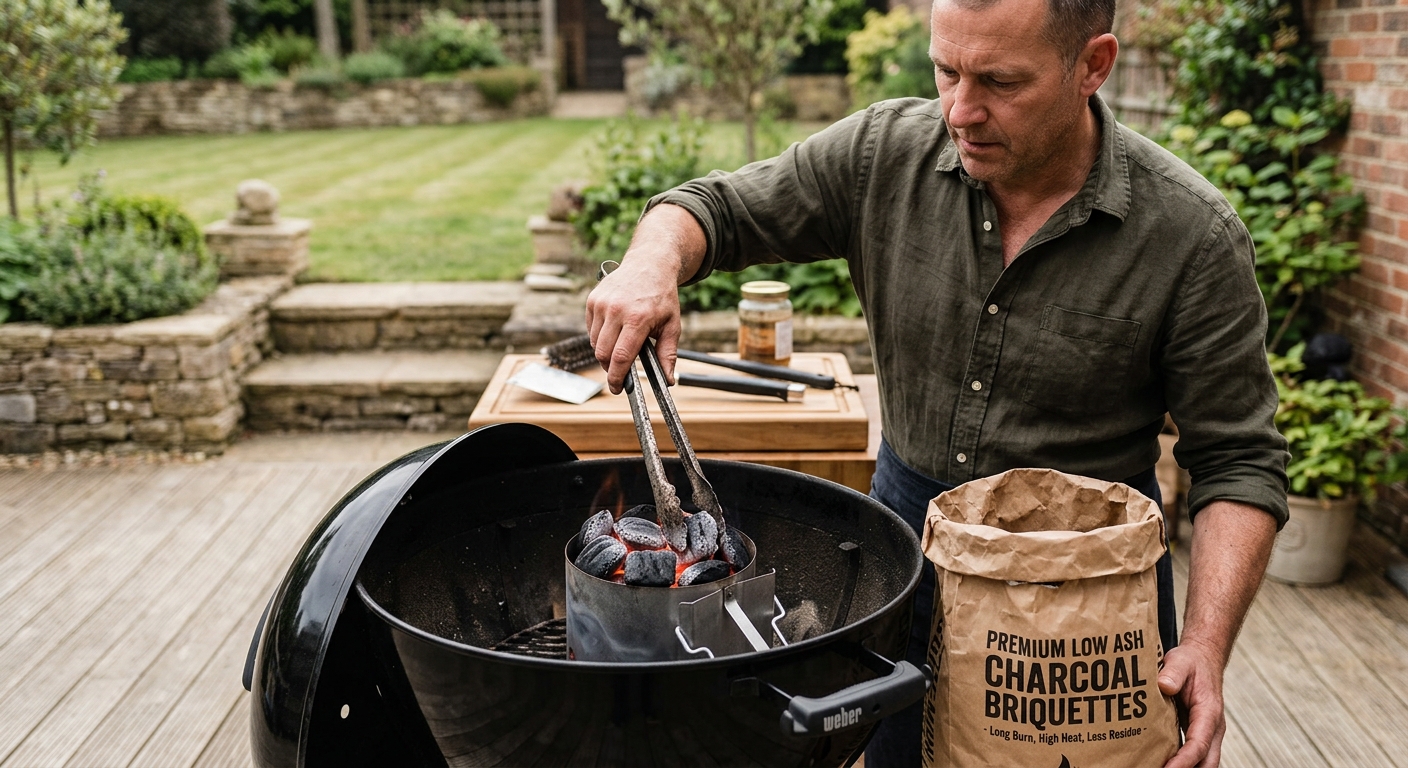
Pitmasters and competition BBQ teams often turn to low ash briquettes for long, slow cooks. Because there is less ash accumulation, airflow remains unobstructed within the smoker over periods of 10 to 15 hours. This reliability prevents sudden temperature drops and the need to constantly clear the ash pan.
Benefits of Choosing Low Ash Briquettes
- Longer Burn Time: Higher carbon density means the charcoal burns slower and lasts longer.
- Consistent Heat: Unobstructed airflow allows for a steady temperature output.
- Flavor Purity: Minimal fillers and chemicals mean no unwanted flavors are transferred to your food or shisha.
- Easy Cleanup: Less ash left in your grill, smoker, or hookah tray means quicker and easier maintenance.
- Environmental Impact: Many low ash briquettes, especially those made from coconut shells, utilize agricultural waste products, making them a sustainable choice.
Conclusion
Low ash content charcoal briquettes represent the pinnacle of fuel quality for both culinary and recreational smoking applications. By maximizing carbon density and minimizing residual minerals, these briquettes provide a cleaner, hotter, and more consistent burn. While they may come at a premium price compared to standard options, the benefits of longer burn times, superior flavor preservation, and effortless cleanup make them a worthwhile investment for anyone serious about their craft.
Frequently Asked Questions (FAQ)
Why is coconut shell considered the best material for low ash charcoal?
Coconut shells have a naturally high lignin content and very low mineral content. When carbonized properly, they yield a very high percentage of fixed carbon with minimal ash residue, making them ideal for premium briquettes.
Can I use low ash charcoal briquettes in any type of grill?
Yes, low ash briquettes can be used in almost any charcoal grill or smoker. They are particularly beneficial in ceramic Kamado-style grills and offset smokers where maintaining consistent airflow is critical.
How should I store my low ash charcoal briquettes?
Charcoal is highly porous and will absorb moisture from the air. To maintain its low ash and high heat properties, store your briquettes in a cool, dry place, ideally in an airtight container or a heavy-duty plastic bag that is tightly sealed.
Are low ash briquettes harder to light?
Because they are denser and contain fewer chemical accelerants, low ash briquettes can take slightly longer to light than standard “match light” charcoal. Using a chimney starter or an electric charcoal lighter is highly recommended for best results.