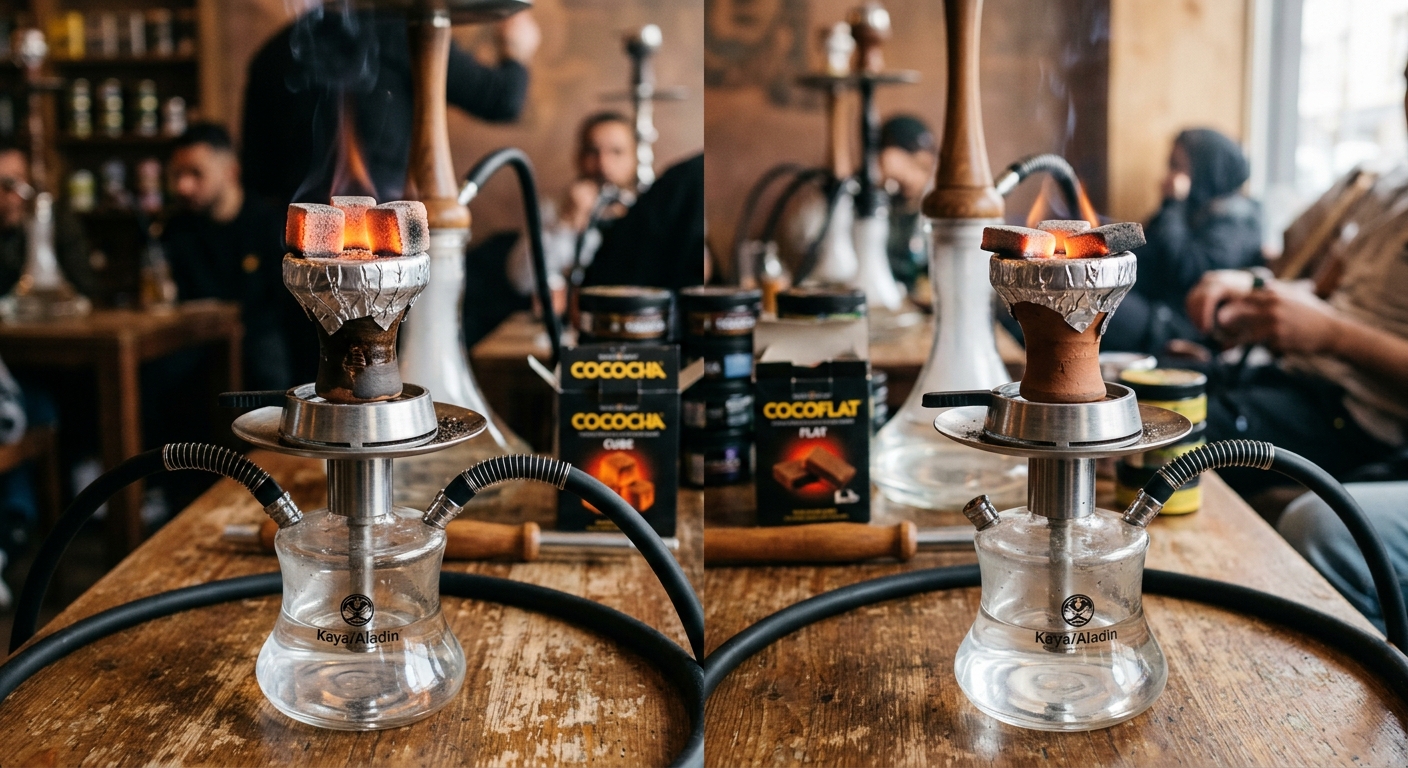
Introduction to Hookah Charcoal Types
When preparing the perfect hookah session, the type of charcoal you choose plays a pivotal role in your overall experience. Hookah enthusiasts often find themselves debating the merits of different charcoal shapes, specifically cube charcoal versus flat charcoal. Both varieties have their dedicated followers, and understanding their unique characteristics can help you achieve optimal heat management, longer sessions, and better flavor preservation.
In this comprehensive guide, we will explore the differences, advantages, and ideal use cases for cube charcoal and flat charcoal. Choosing the right coal is just as important as selecting your shisha, and if you are looking to maximize your experience, reading The Ultimate Guide to the Best Hookah Charcoal for Flavor will provide additional insights into elevating your sessions.
Understanding Cube Charcoal
Cube charcoal, as the name suggests, is shaped like a perfect cube. Typically made from compressed coconut shells, these coals are denser and larger than their flat counterparts. The standard size for a cube is around 25mm on all sides, though larger sizes are available.
Advantages of Cube Charcoal
- Longevity: Due to their thickness and density, cube coals burn significantly longer than flat coals. A standard cube can last anywhere from 60 to 90 minutes, making them ideal for extended sessions.
- Heat Stability: Cubes provide a very consistent and stable heat output. Because they have a smaller surface area in contact with the foil or heat management device (HMD) relative to their total mass, they release heat slowly and steadily.
- Less Ash: High-quality coconut cube coals produce very little ash, keeping your bowl cleaner and reducing the risk of ash falling into your shisha.
Disadvantages of Cube Charcoal
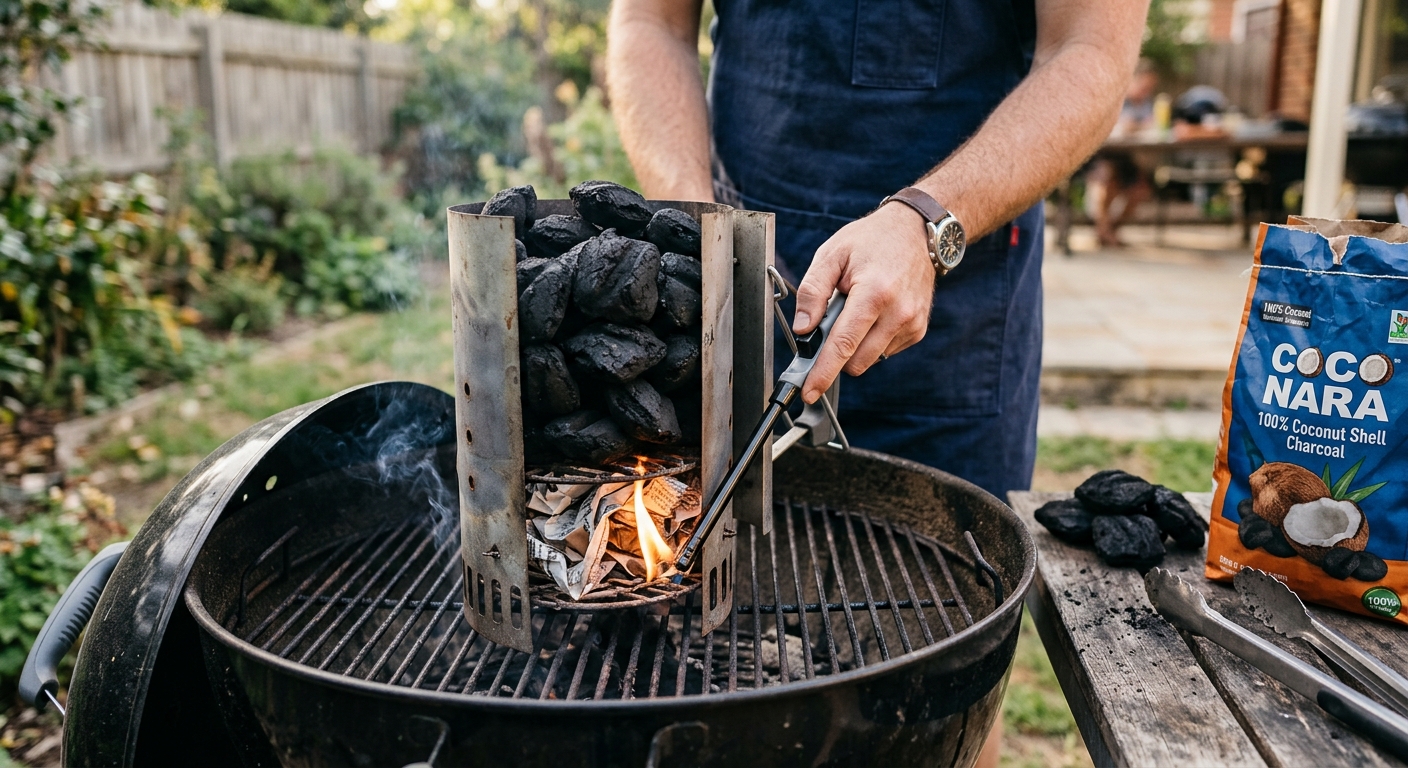
- Longer Ignition Time: Because they are thicker and denser, cube coals take longer to light completely. You can expect to leave them on the burner for 10 to 15 minutes before they are fully glowing red.
- Overheating Risks: If not managed properly, the intense heat from cubes can scorch your shisha, especially in smaller bowls.
Understanding Flat Charcoal
Flat charcoal is rectangular and thinner than cube charcoal. They are also primarily made from coconut shells but are compressed into a flatter shape, usually measuring around 25mm by 25mm by 15mm.
Advantages of Flat Charcoal
- Quick Lighting: The thinner profile of flat coals allows them to ignite much faster than cubes. They are usually ready to use in about 5 to 8 minutes.
- Precise Heat Management: Flat coals offer excellent control over the heat applied to your bowl. Because they lay flat, you can easily stand them on their edges to reduce the heat or lay them flat to increase it.
- Ideal for Shorter Sessions: If you are planning a quick 45-minute smoke, flat coals are perfect as they burn out faster, meaning you will not waste unburned coal.
Disadvantages of Flat Charcoal
- Shorter Burn Time: Flat coals typically last around 45 to 60 minutes. For a long session, you will need to light a second round of coals.
- More Frequent Ashing: Because they burn faster, flat coals require more frequent ashing and rotating to maintain optimal heat.
Comparing Cube and Flat Charcoal
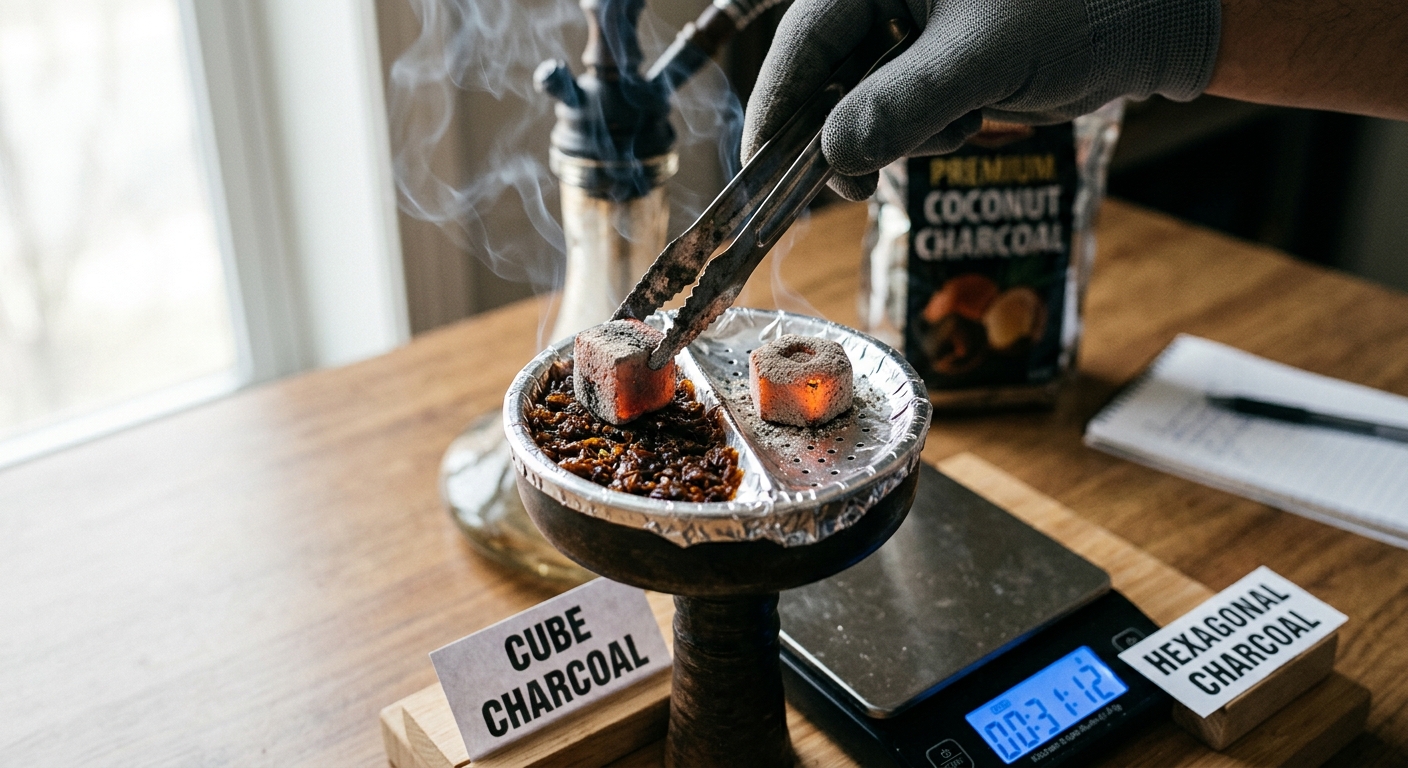
To help you decide which charcoal shape is right for your smoking style, we have summarized the key attributes of both cube and flat charcoals in the table below.
| Charcoal Type | Average Burn Time | Lighting Time | Heat Control | Ideal Use Case |
|---|---|---|---|---|
| Cube Charcoal | 60 – 90 minutes | 10 – 15 minutes | Stable, consistent heat | Long sessions, large bowls |
| Flat Charcoal | 45 – 60 minutes | 5 – 8 minutes | Highly adjustable | Short sessions, heat-sensitive shisha |
Heat Management Devices (HMDs) and Charcoal Shapes
The rise of Heat Management Devices (HMDs) has changed the way many people smoke hookah. The shape of the charcoal you use can impact how well your HMD performs.
Using Cubes with HMDs
Cube coals are fantastic for HMDs, but you must be mindful of sizing. Two standard 25mm cubes generally fit perfectly into most modern HMDs, providing ample heat for a long session. However, three cubes might cause the HMD to overheat or simply not fit. The steady heat of cubes ensures that the HMD stays at an optimal temperature for a prolonged period.
Using Flats with HMDs
Flat coals are incredibly versatile in HMDs. You can usually fit three flat coals inside a standard HMD by standing them on their edges (commonly known as the “stonehenge” method). This allows for a quick heat-up time. As the session progresses, you can lay them flat to maintain the heat. This level of control is excellent for delicate flavors.
How Charcoal Affects Shisha Flavor
The main goal of any hookah session is to enjoy the flavor of the shisha. Using high-quality, natural coconut charcoal (whether cube or flat) is crucial because it is odorless and tasteless, ensuring it does not interfere with the shisha.
Heat management, dictated by the charcoal shape, directly impacts flavor. Too much heat (often a risk with improperly managed cubes) can burn the tobacco, resulting in a harsh, acrid taste. Too little heat (sometimes an issue as flat coals die down) will result in thin smoke and muted flavor. Mastering the heat output of your chosen coal is the key to unlocking the full potential of your shisha. To discover new and exciting mixes, check out The Best Shisha Flavor Combinations: A Guide to Elevating Your Hookah Experience.
Making Your Choice: Cube or Flat?
Ultimately, the choice between cube and flat charcoal comes down to personal preference and your specific smoking setup.
Choose Cube Charcoal if:
- You prefer long sessions lasting over an hour.
- You want a “set it and forget it” approach with minimal heat management.
- You are using a large phunnel bowl or a deep Egyptian bowl.
- You don’t mind waiting a few extra minutes for the coals to light.
Choose Flat Charcoal if:
- You prefer shorter, punchier sessions.
- You enjoy actively managing the heat by flipping and rotating coals.
- You are smoking heat-sensitive blonde leaf tobacco.
- You want your coals lit and ready as quickly as possible.
Conclusion
Both cube charcoal and flat charcoal have their rightful place in the hookah world. Cube coals offer longevity and steady heat, perfect for relaxing, extended sessions. Flat coals offer rapid ignition and precise heat control, ideal for shorter sessions or delicate flavor profiles. By understanding the unique properties of each, you can tailor your heat management strategy to suit your bowl, your shisha, and your personal preferences, ensuring a perfect smoke every time.
Frequently Asked Questions
Can I mix cube and flat charcoals in the same session?
Yes, you can mix them, though it requires careful heat management. For example, some smokers start with flats for a quick heat-up and add a cube later to sustain the heat.
Do flat coals produce more ash than cube coals?
In general, because flat coals burn faster, they may seem to produce ash more rapidly during a session compared to the slow-burning cubes, requiring more frequent ashing.
Which charcoal is better for foil smoking?
Both work well on foil. Flat coals are often preferred by traditionalists as they are easier to move around and adjust the heat profile across the foil surface.
Why do my cube coals keep going out?
If your cube coals are blacking out, it usually means they were not fully lit on the burner. Ensure they are glowing red all the way through before placing them on your bowl.

One thought on “Cube Charcoal vs Flat Charcoal: A Comprehensive Guide for Hookah Enthusiasts”