Introduction to Hookah Heat Management
Heat management is arguably the most critical skill to master when preparing and enjoying a hookah. It dictates the density of the smoke, the purity of the flavor, and the longevity of your session. Proper heat management ensures that the shisha tobacco is baked rather than burned, providing a smooth and enjoyable experience from start to finish.
Understanding how to heat manage hookah involves a combination of selecting the right charcoal, packing the bowl correctly, and adjusting the heat source throughout the session. In this comprehensive guide, we will explore the fundamental principles of heat management, the tools available, and advanced techniques to elevate your hookah experience.
The Importance of Quality Charcoal
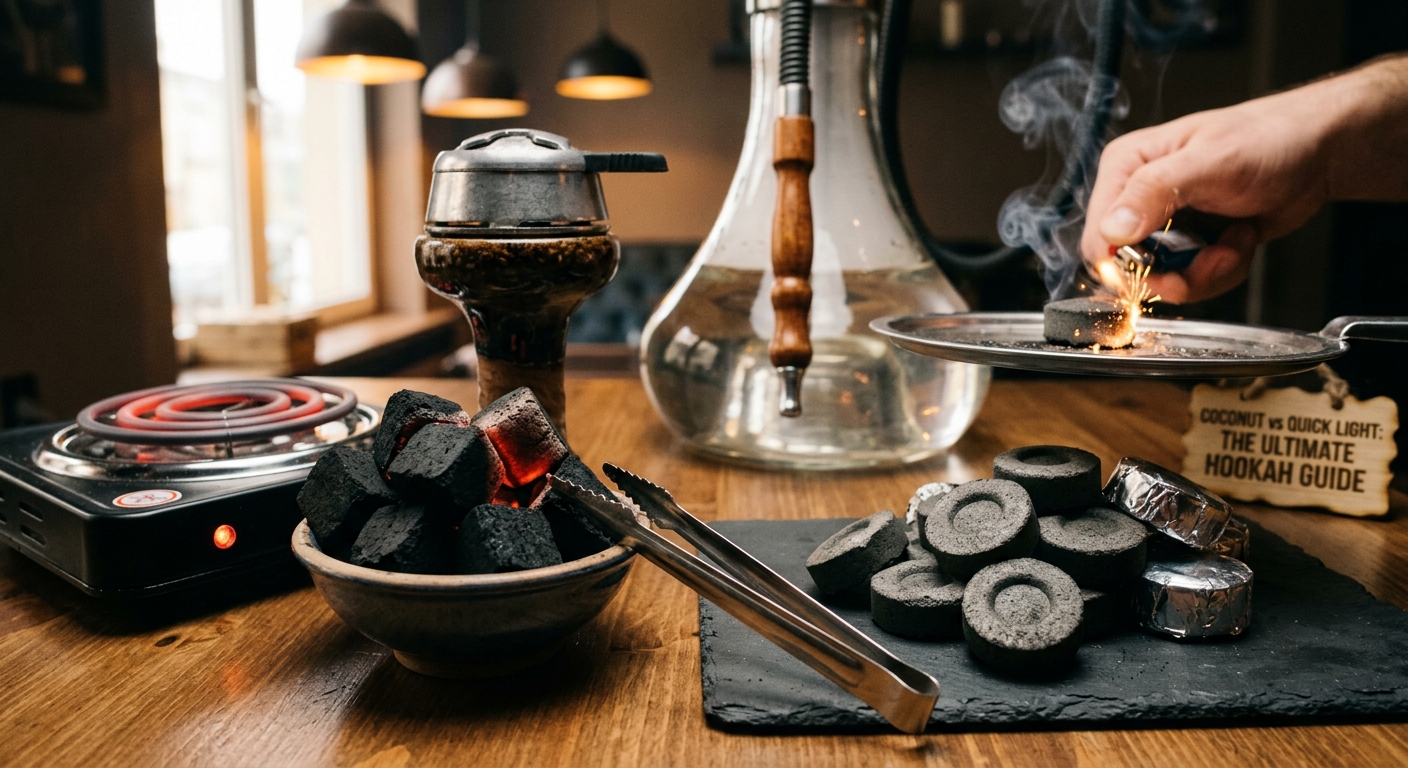
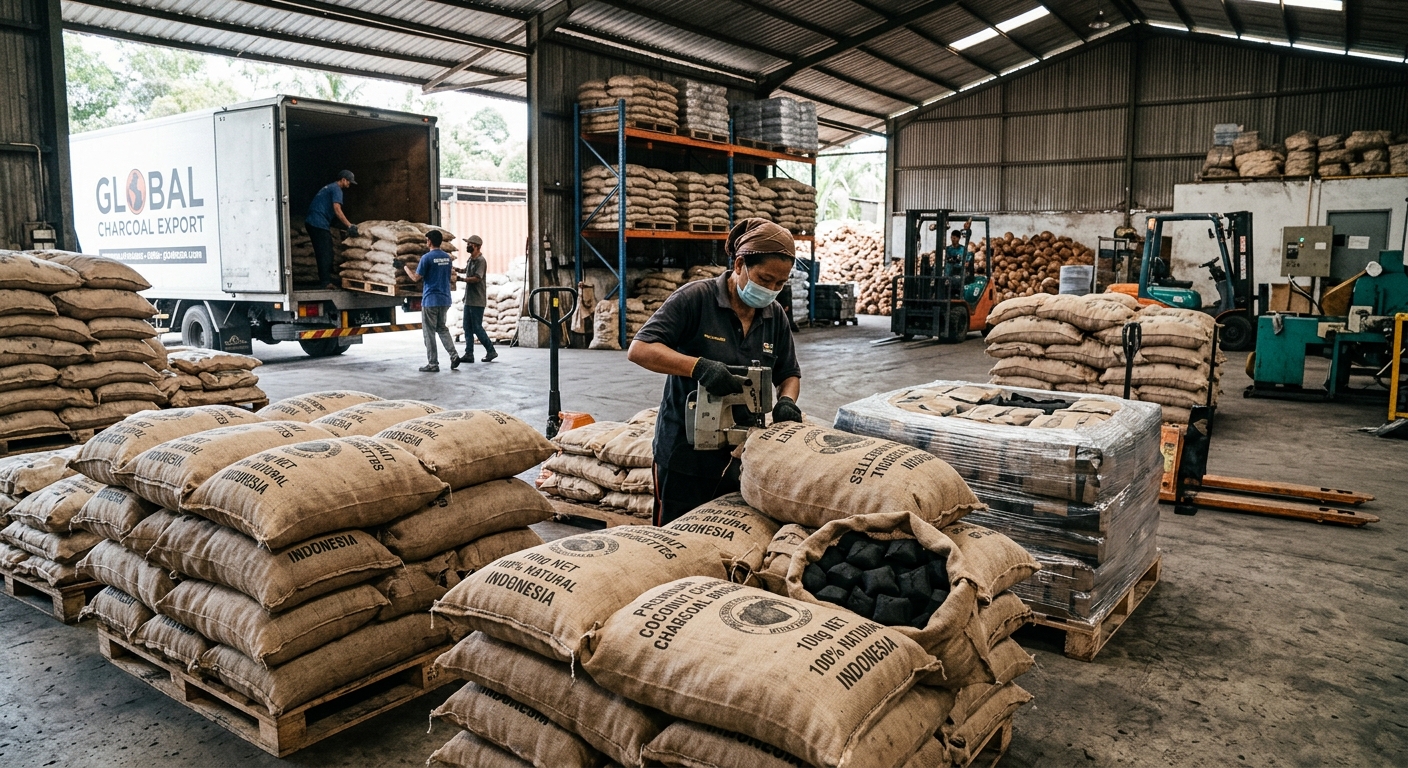
The foundation of excellent heat management starts with the charcoal you choose. Natural coconut charcoal is the industry standard for a clean, consistent burn. Unlike quick-light coals, which contain chemical accelerants that can taint the flavor of your shisha and burn too hot, natural coals provide a steady and manageable heat output.
When selecting your charcoal, it is also important to consider the purity of the product. For instance, using Heavy Metal Free Hookah Charcoal: The Ultimate Guide for a Cleaner Smoke ensures that you are not inhaling unwanted toxins, allowing for a purer flavor profile and a safer smoking environment.
Packing the Bowl for Optimal Heat Distribution
How you pack your shisha tobacco plays a massive role in how heat is distributed. Different types of tobacco require different packing methods, but the general rule is to maintain airflow. If the tobacco is packed too densely without proper airflow, the top layer will burn while the bottom remains unbaked.
- Fluff Pack: Ideal for blonde leaf tobacco. Simply sprinkle the tobacco into the bowl, allowing it to rest naturally just below the rim.
- Normal/Semi-Dense Pack: Best for medium-chopped or some dark leaf tobaccos. Pat the tobacco down slightly to create a more compact layer while still allowing air to pass through.
- Dense Pack: Reserved primarily for very wet, finely chopped dark leaf tobaccos (like Tangiers). The tobacco is packed tightly to slow down the baking process.
Traditional Foil vs. Heat Management Devices (HMDs)
For decades, aluminum foil was the only way to manage heat. Today, Heat Management Devices (HMDs) have revolutionized the process.
Below is a comparison of using traditional aluminum foil versus a standard Heat Management Device (HMD) regarding heat control and preparation time.
| Method | Heat Control Mechanism | Preparation Time | Airflow Adjustability |
|---|---|---|---|
| Aluminum Foil | Moving coals manually | 3-5 Minutes (poking holes) | Fixed (depends on holes) |
| Standard HMD | Adjusting lid vents | 10-15 Seconds (placing device) | Adjustable via lid |
Using Aluminum Foil
If using foil, ensure it is drum-tight over the bowl. Use heavy-duty foil to prevent tearing and to provide a better heat barrier. The hole pattern is crucial; poke evenly spaced holes, avoiding the very center if you are using a phunnel bowl, to ensure air is pulled through the tobacco rather than bypassing it.
Using an HMD
An HMD sits directly on top of the bowl (or a compatible lip). It absorbs heat from the charcoal and radiates it evenly down into the tobacco. To manage heat with an HMD, you simply adjust the vents on the lid or remove the lid entirely. This minimizes the need to constantly move coals and significantly reduces the risk of ash falling into your bowl.
Techniques for Managing Heat During the Session
Heat management is an active process. You cannot simply place the coals and ignore them for an hour.
Starting the Bowl
When starting a session, place 2-3 fully lit natural coals on the edge of the bowl (or inside the HMD). Allow the bowl to warm up for about 3-5 minutes before taking your first draw. This prevents shocking the tobacco with a sudden influx of hot air and helps build a solid thermal foundation.
Rotating and Ashing Coals
As the session progresses, the side of the coal resting on the foil or HMD will cool slightly due to a lack of oxygen, and ash will build up. Every 15-20 minutes, pick up the coals with your tongs, gently tap them in the tray to remove the ash, and place them back on a different section of the bowl. This ensures even baking of the shisha.
Adjusting the Heat
If the smoke becomes harsh or tastes burnt, the bowl is too hot. Immediately remove a coal, open the HMD vents, or purge the hookah (blow gently into the hose) to expel stale, overheated smoke from the base. Conversely, if the smoke output is thin and flavorless, add a coal or close the HMD vents to trap more heat.
Social Etiquette and Heat Management
When smoking with others, heat management becomes a shared responsibility, especially in a lounge setting. Understanding when a bowl needs attention and how to handle it without disrupting the session is key. For more on this, you can read Hookah Etiquette for Lounge Guests: A Comprehensive Guide, which outlines how to enjoy a shared hookah respectfully and efficiently.
Conclusion
Mastering hookah heat management requires patience, practice, and the right tools. By selecting high-quality charcoal, properly packing your bowl, and actively monitoring the temperature throughout your session, you can achieve thick clouds and pure flavor. Whether you prefer the traditional foil method or the modern convenience of an HMD, understanding the principles of thermal dynamics in your bowl is the key to the perfect smoke.
Frequently Asked Questions
How many coals should I start with?
Typically, starting with 2 to 3 natural coconut coals is recommended. Three coals will heat the bowl faster, but you may need to remove one after 10 minutes to prevent burning the shisha.
Why is my hookah smoke harsh?
Harsh smoke is almost always a sign of too much heat. The tobacco is burning rather than baking. Remove a coal, purge the base, and allow the bowl to cool down for a few minutes.
Do I need an HMD to get good smoke?
No, an HMD is not strictly necessary. Traditional foil works exceptionally well if you manage your coals properly. However, an HMD makes the process easier, cleaner, and generally more consistent for beginners and veterans alike.