Introduction to Hookah Coals
When it comes to enjoying a perfect hookah session, the type of charcoal you use is just as important as the shisha itself. Two of the most debated options among enthusiasts are coconut charcoal and quick light coals. Understanding the differences between these two can significantly impact your smoking experience, from the flavor profile to the overall duration of your session.
As you explore the world of hookah, you might wonder which option is truly superior. In this comprehensive guide, we will delve into the pros, cons, and essential characteristics of both coconut charcoal and quick light coals, helping you make an informed decision for your next smoke.
Understanding Quick Light Coals
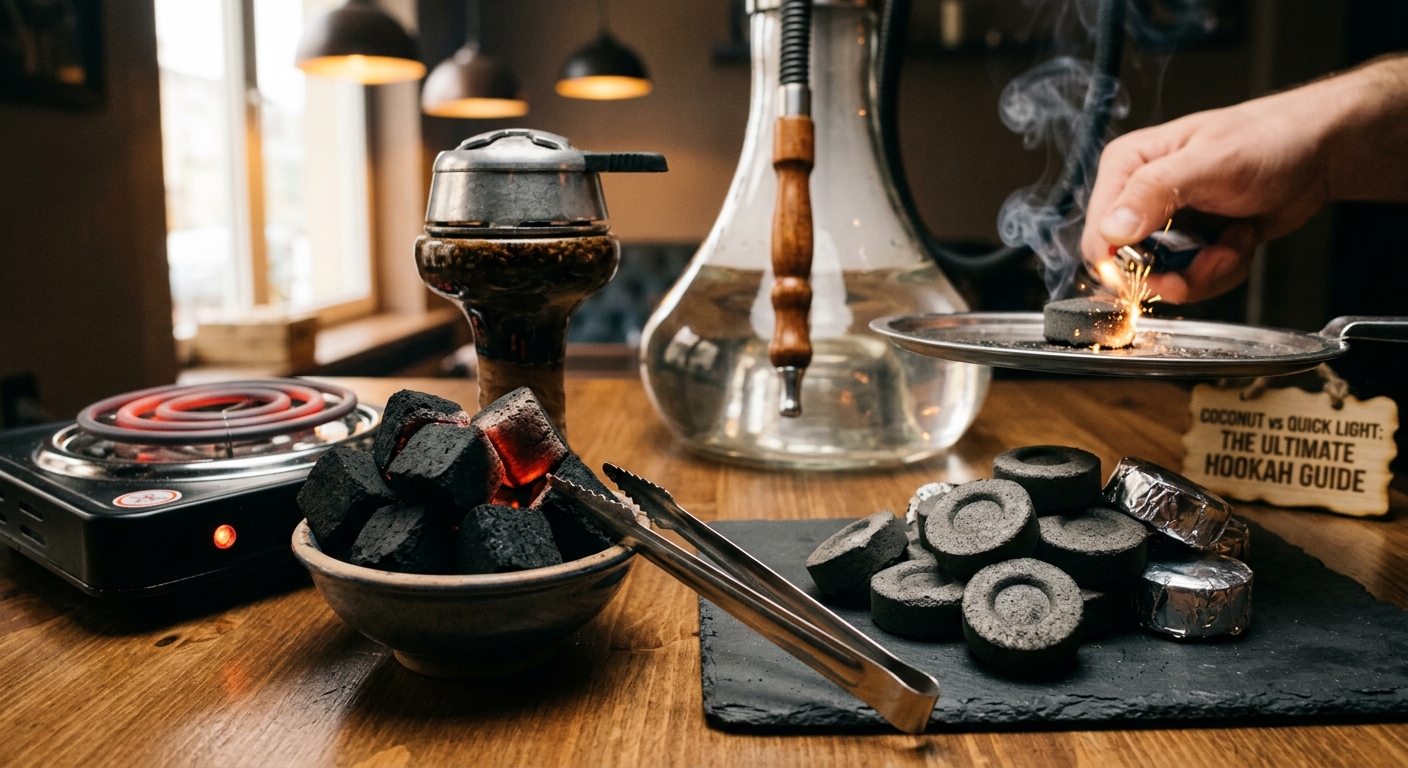
Quick light coals are exactly what they sound like: charcoal that is designed to ignite rapidly. They are typically coated with a chemical accelerant, often sulfur or a similar combustible compound, which allows them to catch fire with just a standard lighter or match. This convenience makes them incredibly popular among beginners and those looking for a quick setup.
Pros of Quick Light Coals
- Convenience: They light up in seconds, eliminating the need for a dedicated burner.
- Portability: Easy to take on the go, perfect for outdoor sessions where equipment is limited.
- Accessibility: Widely available in almost every smoke shop and convenience store.
Cons of Quick Light Coals
- Chemical Taste: The accelerants used to help them light quickly often leave a chemical residue and taste, which can ruin the flavor of high-quality shisha.
- Shorter Burn Time: They typically burn much faster than natural coals, requiring frequent replacements during a session.
- Ash Production: Quick lights tend to produce a large amount of fine ash, which can easily blow into your bowl and affect the smoke.
- Health Concerns: Inhaling the fumes from the chemical accelerants is generally considered less healthy than using natural alternatives.
Understanding Coconut Charcoal
Coconut charcoal, on the other hand, is a natural alternative made from compressed coconut shells. They contain no chemical accelerants and require a dedicated heat source, such as an electric coil burner, to ignite properly. Despite the longer preparation time, coconut coals are the gold standard for experienced hookah smokers.
Pros of Coconut Charcoal
- Clean Flavor: Because they are 100% natural and devoid of chemicals, coconut coals do not impart any unwanted flavors to your shisha, allowing you to taste the tobacco as intended.
- Longer Burn Time: Coconut coals burn significantly longer and hotter than quick lights, often lasting up to an hour or more per set.
- Low Ash: They produce minimal ash, keeping your bowl cleaner and ensuring a smoother draw.
- Eco-Friendly: Made from repurposed coconut shells, they are a sustainable and environmentally friendly option.
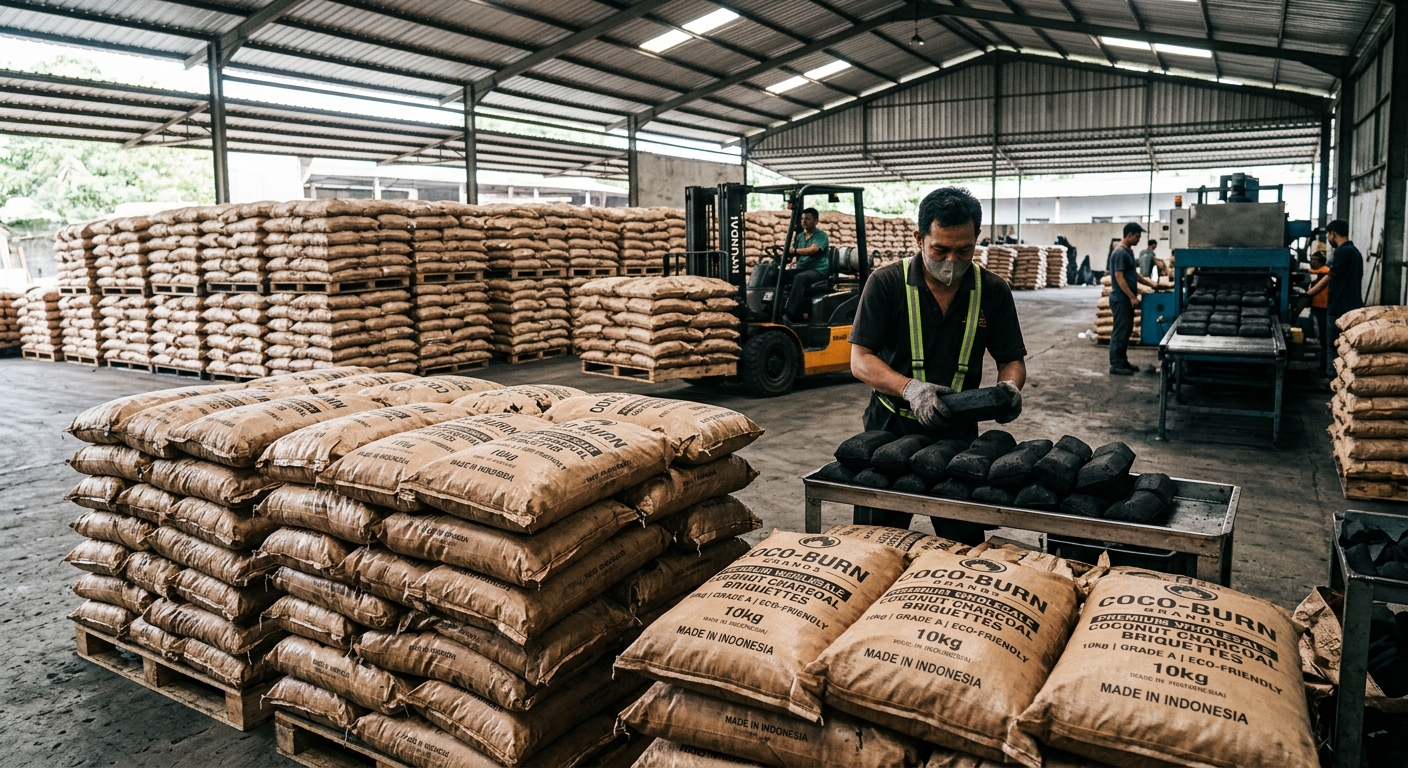
If you are looking to source high-quality natural coals in bulk, you should definitely read Indonesian Coconut Charcoal Briquettes Wholesale: The Ultimate B2B Sourcing Guide to understand the global market.
Cons of Coconut Charcoal
- Preparation Time: They require a coil burner and take about 10-15 minutes to fully light.
- Less Portable: Needing a dedicated burner makes them less ideal for outdoor or travel use unless you have a portable stove.
For more detailed insights on selecting the best natural coals, check out The Ultimate Guide to the Best Coconut Charcoal Briquettes for Hookah.
Comparing the Two: Head to Head
To give you a clearer picture, let’s compare coconut charcoal and quick light coals across several key factors.
| Feature | Coconut Charcoal | Quick Light Coals |
|---|---|---|
| Ignition Time | 10-15 minutes (requires burner) | 15-30 seconds (lighter/match) |
| Flavor Impact | Neutral, allows true shisha flavor | Chemical taste, alters flavor |
| Burn Duration | 60-90 minutes | 20-40 minutes |
| Ash Production | Low | High |
| Chemical Additives | None | Yes (sulfur/accelerants) |
Maximizing Your Hookah Session
Regardless of the type of coal you choose, heat management is crucial. However, with coconut coals, the clean heat allows for a more predictable and enjoyable session. Proper packing techniques also play a massive role in how the heat interacts with the shisha.
To ensure you are getting the most out of your setup, especially when using high-quality natural coals, we recommend learning proper packing techniques. You can master this by reading How to Pack a Hookah Bowl for Thick Clouds: The Ultimate Guide.
For those interested in exploring top-tier natural charcoal options, visiting a reputable supplier like premium charcoal suppliers will elevate your smoking experience entirely.
Conclusion
The debate between coconut charcoal vs quick light coals ultimately comes down to convenience versus quality. If you are in a rush or smoking outdoors without access to a burner, quick light coals serve a practical purpose. However, for the true hookah enthusiast who values clean flavor, long sessions, and a traditional experience, coconut charcoal is undoubtedly the superior choice. Investing the extra ten minutes to light natural coals will reward you with a vastly improved smoking session.
Frequently Asked Questions
Can I light coconut charcoal with a standard lighter?
No, coconut charcoal requires sustained, high heat to ignite properly. You will need an electric coil burner or a gas stove. A standard lighter or match will not work.
Are quick light coals safe to use indoors?
While people do use them indoors, it is crucial to ensure excellent ventilation. The chemical accelerants produce distinct fumes and sparks when lighting, which can be unpleasant and potentially harmful in enclosed spaces.
How do I know when my coconut coals are fully lit?
Coconut coals are ready to use when they are glowing red all the way through and covered with a thin layer of grey ash. There should be no black, unlit spots remaining on the charcoal.


6 thoughts on “Coconut Charcoal vs Quick Light Coals: The Ultimate Hookah Guide”