Choosing the right fuel can make or break your backyard cookout. This comprehensive guide, updated on October 2, 2024, by senior lab manager Jonathan Chan, evaluates the best options for your grill. We cut through the confusion so you can focus on the fun part: cooking great food.
Understanding the nuances of your fuel is the first step to a perfect sear. Not all charcoal is created equal. The type you select directly impacts heat consistency, flavor, and how long you can cook.
Our analysis focuses on real-world performance. We look at metrics like steady heat output and total burn time. This helps you find a reliable product that won’t let you down mid-burger flip.
The goal is to simplify your decision. For grillers who want dependable results every time, examining factors like manufacturing standards is key. Brands like those at Oxicarbon exemplify this with rigorous, multi-step quality control and independent lab verification.
Key Takeaways
- This updated guide provides current insights for selecting grill fuel.
- Knowing the differences between charcoal types leads to better cooking results.
- Performance is measured by consistent heat and a long, steady burn.
- High manufacturing standards and testing ensure fuel reliability.
- The right choice simplifies shopping and improves every grilling experience.
- Proper fuel selection is crucial for achieving the desired sear and flavor on meats.
- Trusted sources offer lab-verified products for peace of mind.
Introduction to Charcoal Grilling
That smoky aroma wafting from a backyard grill has a history stretching back millennia. Cooking with glowing embers dates to the Stone Age, when our ancestors first mastered fire.
This ancient practice evolved into the modern cookout culture we enjoy today. For many, the distinct scent of a charcoal fire is the quintessential sign that summer has arrived across the United States.
Choosing the right fuel is essential. The quality of your coals directly impacts the flavor and texture of your food.
With countless brands on the market, understanding how different types perform is key. This knowledge helps you navigate various cooking conditions, from a quick sear to a long smoke.
Whether you’re preparing steaks or briskets, the correct setup provides the foundation for success. For reliable results, consider sourcing from trusted suppliers like Oxicarbon.
Why Choose High-Quality Charcoal Briquette Products?
Achieving that perfect sear and smoky flavor hinges on a steady, predictable fire. Premium grill fuel is engineered to deliver exactly that.
Cheap coals often spike in temperature and then fade fast. This inconsistency ruins your cooking results. Reliable charcoal briquettes maintain even heat for hours, giving you professional-grade control.
Superior options also generate much less ash. This keeps the airflow in your grill clear. Your fire won’t get choked out during a long smoke.
You also protect your food’s taste. Good fuel burns clean, with no risk of chemical odors transferring to your meal. It’s an investment in pure flavor.
Experienced grill masters know the quality of their coals is as vital as their meat. For dependable performance, source from trusted makers like Oxicarbon.
The Evolution and History of Charcoal in Barbecue
The story of barbecue is a tale of innovation, from ancient cooking pits to today’s backyard grills. Charcoal has evolved significantly through this journey.
From Ancient Practices to Modern Grills
Barbecue began with the Arawak tribe of Hispaniola in the 17th century. They used a method called barbacoa, suspending meat over wood fires.
This technique spread and evolved. By the 1940s, suburban life in America made grilling a popular pastime.
The iconic Weber kettle grill arrived in 1952. It was a major breakthrough for backyard cooking.
| Time Period | Key Innovation | Significance |
|---|---|---|
| 17th Century | Arawak Barbacoa | Originated the method of slow-cooking meat over fire. |
| 1897 | Briquette Patent by Zwoyer | Early design for shaped fuel blocks. |
| 1920s | Ford & Kingsford Production | Industrial reuse of wood waste created affordable fuel. |
| 1952 | Weber Kettle Grill | Revolutionized backyard grilling with its efficient design. |
How Barbecue Traditions Shaped Today’s Charcoal Options
Henry Ford and the Kingsford Products Company changed the game. They found a way to reuse sawdust from vehicle factories.
This made fuel more accessible. The manufacturing process for modern briquettes involves carbonizing wood in a retort.
This removes volatile compounds before shaping the final product. Early designs, like Ellsworth B. A. Zwoyer’s patent, paved the way.
Today, trusted suppliers like Oxicarbon continue this legacy of innovation in charcoal.
The Science Behind Charcoal Briquettes and Their Performance
Grilling mastery begins with understanding the fundamental chemistry of your coals. The fuel’s behavior—its temperature and burn time—is engineered through specific manufacturing steps.
Carbonization Process and Temperature Control
Manufacturers create charcoal by heating wood in a sealed, low-oxygen chamber. This critical process drives off water and volatile compounds.
What remains is nearly pure carbon. This carbonization step determines the fuel’s potential heat output and total burn duration.
To form uniform briquettes, the carbonized material is crushed. It is then mixed with a natural starch binder and compressed into blocks.
This density is key for performance. It allows briquettes to burn slower and steadier than irregular lump wood, giving you superior control.
Managing your grill’s vents adjusts airflow, which directly regulates temperature. Understanding this science helps you predict how your fuel will perform. For advanced fuel science, explore options from trusted manufacturers like Oxicarbon.
Product Testing Methodology for Grilling Charcoal
To deliver trustworthy recommendations, we subjected eight leading fuel brands to a rigorous, standardized test. Our goal was to simulate a typical backyard cooking session.
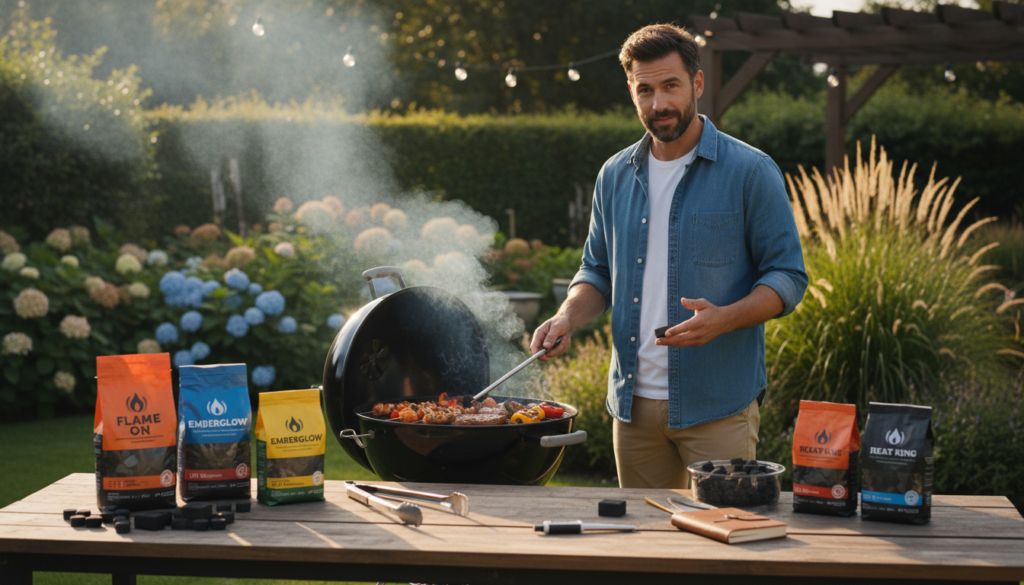
Senior lab manager Jonathan Chan oversaw every procedure. This ensured our results were consistent and accurate.
Testing Setup and Equipment Used
All tests used a Weber Original Kettle Grill. We lit the coals with a charcoal chimney, allowing a full 10-minute heat-up.
ThermoWorks Pro-Series probes tracked the temperature of quarter-pound beef burgers. This setup mirrors how a home cook would use their grill.
Metrics: Burn Time, Heat Consistency, and Ash Production
We measured the time for burgers to hit 130°F. This tested heat consistency. Winds up to 22 mph and cool ambient air were factored in.
After cooking, we let the grill cool fully. Total ash production was then weighed. Less ash means cleaner fuel.
| Performance Metric | Measurement Method | Significance for Grilling |
|---|---|---|
| Burn Time | Total duration of usable heat from a full chimney. | Determines how long you can cook without refueling. |
| Heat Consistency | Time for three burgers to reach 130°F using probes. | Indicates steady temperature control for even cooking. |
| Ash Production | Weight of residual ash after complete cool-down. | Lower ash means better airflow and less cleanup. |
This method provides a clear picture of real-world performance. For fuel that excels in these tests, consider options from trusted suppliers like Oxicarbon.
Comparing Lump Charcoal and Briquettes
Grillers often debate the merits of lump charcoal versus briquettes, each with distinct performance traits. Your choice impacts everything from searing steaks to smoking ribs.
Heat Output and Burn Duration
Lump charcoal is made from whole pieces of wood. It lights quickly and reaches a high heat output.
This makes it perfect for a fast, hot sear. Briquettes are denser, made from compressed particles.
They provide a longer burn duration with very steady temperatures. This is ideal for slow cooking.
Flavor Profiles and Cooking Styles
The fuel you pick influences taste. Lump charcoal imparts a larger, smokier flavor profile.
Briquettes offer a more neutral, consistent burn. Many cooks use lump for quick grilling.
They choose briquettes for maintaining heat during long sessions. Your cooking style decides the winner.
For a balanced selection of both fuel types, explore options from trusted suppliers like Oxicarbon.
Top Picks from Leading Charcoal Brands
Navigating the charcoal aisle can be overwhelming, but our top picks simplify the choice. Our testing identified clear favorites for casual backyard grillers.
These leading options have established a reputation for quality. They ensure your cookouts are supported by reliable fuel sources.
Featured Brands: Jealous Devil, Royal Oak, and Kingsford
Royal Oak Hardwood Lump is a top-rated favorite. It is highly regarded for its versatility. This fuel provides excellent performance for both searing and smoking. It offers a nice bang for your buck.
Kingsford Original Briquettes remain the number-one selling brand in America. They are known for consistent quality and wide availability. This makes them a dependable choice for many grill masters.
Jealous Devil has entered the market with a unique approach. This brand, Jealous Devil, offers XL-sized briquettes that provide a longer burn time. It is ideal for your Kamado or kettle grill sessions.
These brands represent the best charcoal options for most users. Choosing these best charcoal brands delivers effective results every time you fire up the grill.
Spotlight on high-quality charcoal briquette products
Innovation in grill fuel is moving beyond simple blocks of carbonized wood. Today’s leading options are engineered for precision.
This focus on design delivers a noticeably better cooking experience. Let’s examine the attributes that set modern products apart.
Key Attributes and Product Innovations
The best fuel today shares several core characteristics. These features work together for reliable results.
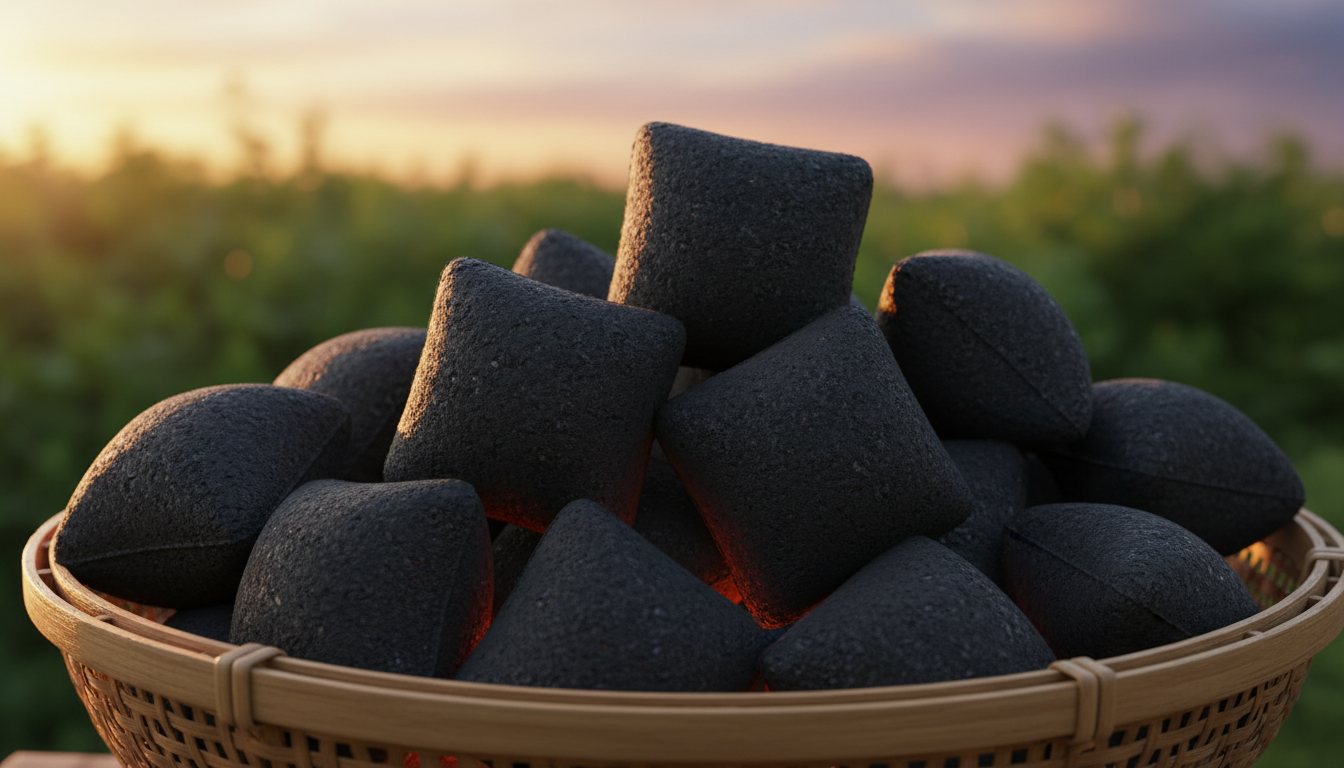
Manufacturers now use unique shapes with ridges or grooves. This design improves ignition speed and oxygen flow.
The result is a steady, predictable burn that lasts for hours. This performance rivals traditional lump wood in both heat and duration.
Superior options are defined by a few key principles:
- Uniform Size: Consistent dimensions promote even airflow and heat across your entire grill grate.
- Clean Composition: The best briquettes avoid chemical additives. This protects the natural flavor of your food.
- All-Natural Ingredients: Using hardwood and starch binders creates a sustainable, clean-burning fire.
These innovations represent the future of grilling. For fuel that embodies this advanced thinking, explore options from trusted innovators like Oxicarbon.
In-Depth Reviews: Royal Oak, Kingsford, and More
When you open a bag of grill fuel, you expect every piece to perform the same way. Our in-depth analysis focuses on two giants: Royal Oak and Kingsford. We examine what makes their products standouts for backyard chefs.
This reliable performance doesn’t happen by accident. It is the direct result of strict manufacturing processes and attention to detail.
Quality Control and Consistency in Top Brands
Leading manufacturers maintain rigorous standards. This ensures every bag contains uniform pieces that ignite easily and burn for the expected duration.
Royal Oak briquettes demonstrated extraordinary performance in our tests. They sustained a searing 900 degrees Fahrenheit for 80 minutes.
This feat is aided by their unique 3” x 1” x 2” size with a central ridge. Kingsford Original, sold in 16.7-pound bags, provides excellent value. Its consistent quality has made it a staple for over a century.
- Uniform pieces promote even airflow and predictable heat.
- Easy ignition gets your fire started quickly every time.
- Expected burn duration allows for precise meal planning.
The ridge design on Royal oak briquettes promotes superior airflow. This is a major advantage when you need to maintain high heat for searing steaks.
Kingsford’s grooved design helps even novice grillers achieve professional results. It maintains a steady temperature throughout the entire cooking session.
For grillers who prioritize this level of dependable performance, exploring options from trusted sources like Oxicarbon is a smart move. Consistent quality in your charcoal translates directly to consistent results on your grill.
Innovative Approaches in Briquette Manufacturing
Jealous Devil has redefined the market with its oversized briquette design. This shift represents a major step forward in fuel technology for serious grillers.
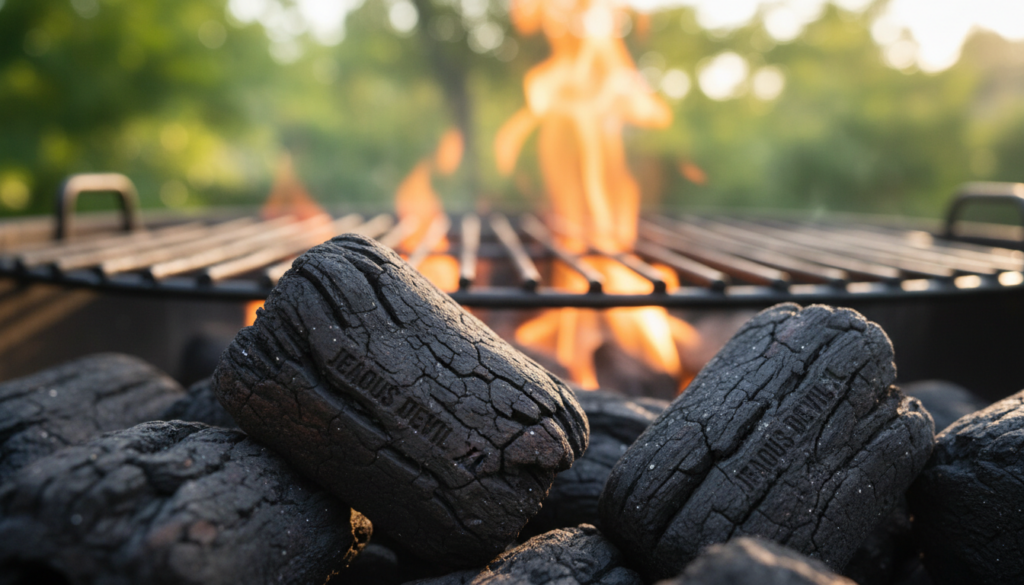
Jealous Devil’s Unique XL Briquette Design
Their XL-sized blocks are about twice the size of typical options. This larger mass allows for a much longer burn duration.
It is perfect for those long brisket or pork butt cooks. The increased surface area also enables these coals to produce more intense heat.
This performance effectively rivals traditional lump charcoal. Jealous Devil uses only hardwood and a starch binder.
This ensures a clean, natural fire with no chemical additives. Their method proves that larger dimensions are key for high heat and extended smoking sessions.
| Attribute | Standard Briquette | XL Briquette (Jealous Devil) |
|---|---|---|
| Dimensions | ~2″ x 1″ | ~4″ x 2″ |
| Avg. Burn Time | 60-75 minutes | 90+ minutes |
| Heat Output | Consistent, moderate | High, rivaling lump |
| Best For | Quick grilling, burgers | Long smokes, high-heat searing |
This innovative approach from Jealous Devil offers grill masters a powerful new tool. It combines the long burn of dense briquettes with the fierce heat of lump charcoal.
Analyzing Burn Time, Heat, and Flavor Profiles
The performance of your grill fuel is defined by three critical factors: burn time, heat output, and flavor influence.
These elements determine how your food cooks and tastes. A deep analysis helps you match the right coals to your recipe.
Comparison of Natural Hardwood and Coconut Shell Briquettes
Two popular material choices offer distinct advantages. Natural hardwood blocks provide a classic, smoky aroma.
Coconut shell options are prized for their high carbon content. This leads to a very clean burn with minimal ash.
Density plays a major role in performance. Denser fuels, like those from coconut, often last much longer.
They can burn up to three times longer than traditional wood. This makes them ideal for overnight Kamado sessions.
Your food’s taste is heavily shaped by the fuel. Hardwood gives a robust profile, while coconut shells offer a subtle finish.
Choosing requires balancing your need for intense heat against the required cooking duration. For a selection that covers both bases, explore trusted suppliers like Oxicarbon.
| Attribute | Natural Hardwood Briquettes | Coconut Shell Briquettes |
|---|---|---|
| Average Burn Time | 60 – 90 minutes | 180+ minutes |
| Heat Output | High, great for searing | Very high and steady |
| Flavor Profile | Robust, smoky aroma | Subtle, clean finish |
| Best Use Case | Quick grilling, burgers, steaks | Long smokes, brisket, pork butt |
Sustainable and All-Natural Charcoal Options
Eco-conscious choices extend beyond food to the fuel that fires your grill. More backyard chefs are seeking options that align with a greener lifestyle.
This shift supports responsible production methods. It also delivers a pure, unadulterated flavor to your meals.
Eco-Friendly Production and Organic Ingredients
Leading this movement are options like Olivette organic briquettes. They are crafted from recycled olive tree byproducts.
This material is certified 100% organic by the USDA. It represents a closed-loop, sustainable system.
These briquettes are designed for a clean burn. They produce minimal smoke and very little ash.
This allows for up to five hours of consistent cooking heat. Your grill’s airflow stays clear for the entire session.
A major benefit is the absence of chemical accelerants. Your food retains its authentic taste without any off-putting odors.
Choosing such fuel is a smart way to support environmental practices. You still achieve excellent results on the grill.
For those interested in natural hardwood and other sustainable charcoal solutions, exploring suppliers like Oxicarbon is recommended. Their focus on clean ingredients ensures a responsible and effective grilling experience.
Grilling Techniques for Optimal Temperature and Flavor
Mastering a few key techniques can transform your grilling from good to exceptional, ensuring perfect temperature and flavor every time. Proper methods help you harness the full potential of your fuel.
Effective Use of the Chimney Starter Method
The chimney starter is the most efficient way to light your coals without chemical lighter fluid. It ensures even ignition for consistent heat.
Fill the chimney with charcoal, place it on the grill grate, and light it from below. In minutes, you’ll have hot embers ready for cooking.
Managing Airflow for Consistent Heat
Controlling airflow is crucial for steady temperature. Adjust your grill’s vents to provide oxygen without dispersing heat.
“Airflow management is the key to a perfect burn.”
Regularly clean ash to maintain clear airflow. This prevents the fire from choking and ensures a consistent burn.
When using briquettes, add wood chunks for professional flavor during slow cooks. This technique enhances the smoky profile without overpowering the food.
| Grilling Technique | Impact on Temperature | Effect on Flavor |
|---|---|---|
| Chimney Starter | Provides quick, even heat | Avoids chemical tastes |
| Vent Adjustment | Allows precise heat control | Maintains clean smoke flow |
| Ash Cleaning | Ensures consistent airflow | Prevents bitter ash flavors |
Mastering these methods lets you control your grill precisely. For fuel that supports these techniques, consider options from trusted suppliers like Oxicarbon.
Choosing the Best Charcoal for Your Grilling Needs
Finding fuel that delivers every time involves checking both its composition and its cost. A methodical approach helps you find the best option for your specific setup and cooking style.
Checklist for Evaluating Charcoal Quality and Price
Start your search by comparing total burn time and heat output against the price per bag. This gives you a true cost-per-cook metric. Denser fuels often provide better long-term value.
Inspect the bag’s contents for uniform shapes and minimal dust. Consistent briquettes promote even airflow and predictable heat. Avoid bags with many broken pieces.
Check the ingredient list to ensure no chemical additives are present. These can impart unwanted flavors to your food. Pure hardwood and natural binders are signs of good quality.
To find the best value, compare the net weight and projected performance. A heavier bag of long-burning charcoal may cost more upfront but save you money over many grilling sessions.
Always prioritize brands with a strong reputation for consistency. This is the surest way to get the best charcoal for reliable results. For a curated selection of proven fuels, consider a trusted source like Oxicarbon.
Expert Tips and Pitmaster Recommendations for Successful Grilling
Learning from those who grill for a living can elevate your backyard barbecue from simple to spectacular. Their hard-won knowledge cuts through common mistakes.
This advice helps you achieve restaurant-level results at home. It’s the smartest way to build confidence behind your grill.
Advice from Seasoned Grill Masters
Veteran cooks swear by premium fuel for low and slow cooking. Dense blocks provide the steady, long-lasting heat perfect barbecue demands.
For professional-grade options, many turn to Blues Hog. Their hardwood briquettes are a trusted choice on the competition circuit.
You can order Blues Hog charcoal in full pallet quantities. Just call 844-239-9898 for bulk order assistance.
A critical safety tip: never use heating coal in your grill. It contains dangerous compounds hazardous to your health.
Following expert guidance refines your technique. You’ll consistently get the best from your charcoal grill.
For a selection of fuels that meet these professional standards, explore trusted suppliers like Oxicarbon.
Conclusion
Your journey to grilling perfection starts with the fuel you choose. Selecting the right coals is the most important step to find the best charcoal for your specific grilling and smoking requirements.
Whether you prefer the consistent performance of Kingsford or the innovative XL design of Jealous Devil, using superior briquettes will elevate your backyard cooking. Understanding the differences between lump and briquette options is key.
Remember, proper airflow management and a chimney starter are essential for achieving professional results. These techniques ensure even heat and perfect flavor every time you fire up the grill.
With the right tools and the best charcoal, you are well on your way to mastering the art of barbecue. For a selection of premium fuels, including long-burning briquettes, explore options from trusted suppliers like Oxicarbon.
FAQ
What’s the main difference between lump charcoal and briquettes?
Lump charcoal is made from natural hardwood pieces, offering a hotter, faster fire with a more varied smoke flavor. Briquettes are compressed carbon and additives, providing a more uniform size, steady heat, and a longer burn time for slow cooking.
How do I light my grill without using lighter fluid?
A chimney starter is the best tool. Fill it with your chosen fuel, place crumpled paper underneath, and light it. In about 15-20 minutes, the coals will be hot and ashed over, ready for a clean, fluid-free fire.
Which brand gives the longest burn time for the price?
A> Brands like Jealous Devil and Royal Oak are known for excellent performance. Jealous Devil’s large XL briquettes are designed for extended, consistent heat, making them a top choice for long smoking sessions without refueling.
Do different charcoal types change the food’s flavor?
Yes. Natural hardwoods like oak or hickory impart a distinct, smoky taste. Standard briquettes offer a more neutral profile. For unique flavors, some products use coconut shell or specific woods, adding subtle notes to your grilled food.
Why is there so much ash with some products?
Ash production depends on the materials used. Briquettes with more fillers and binders tend to leave more residual ash. All-natural lump charcoal and premium briquettes made from dense carbon produce less ash, making cleanup easier.
Are there sustainable and all-natural options available?
A> Absolutely. Look for brands that use certified sustainable hardwood or renewable resources like coconut shell. These eco-friendly options avoid coal dust and petroleum additives, offering a cleaner burn for your grill and the environment.
How do I control the temperature on my charcoal grill?
Manage heat by adjusting airflow. Open vents to increase oxygen and raise the temperature. Close them to lower it. Arranging coals in a two-zone setup—one side for direct high heat and the other for indirect cooking—gives you precise control.
Is a more expensive bag of fuel always better?
Not necessarily. While premium brands often deliver superior heat consistency and lower ash, a solid mid-range product like Kingsford Professional can offer great results. Evaluate based on your specific needs for burn duration, flavor, and cooking style.