Introduction to Coconut Charcoal
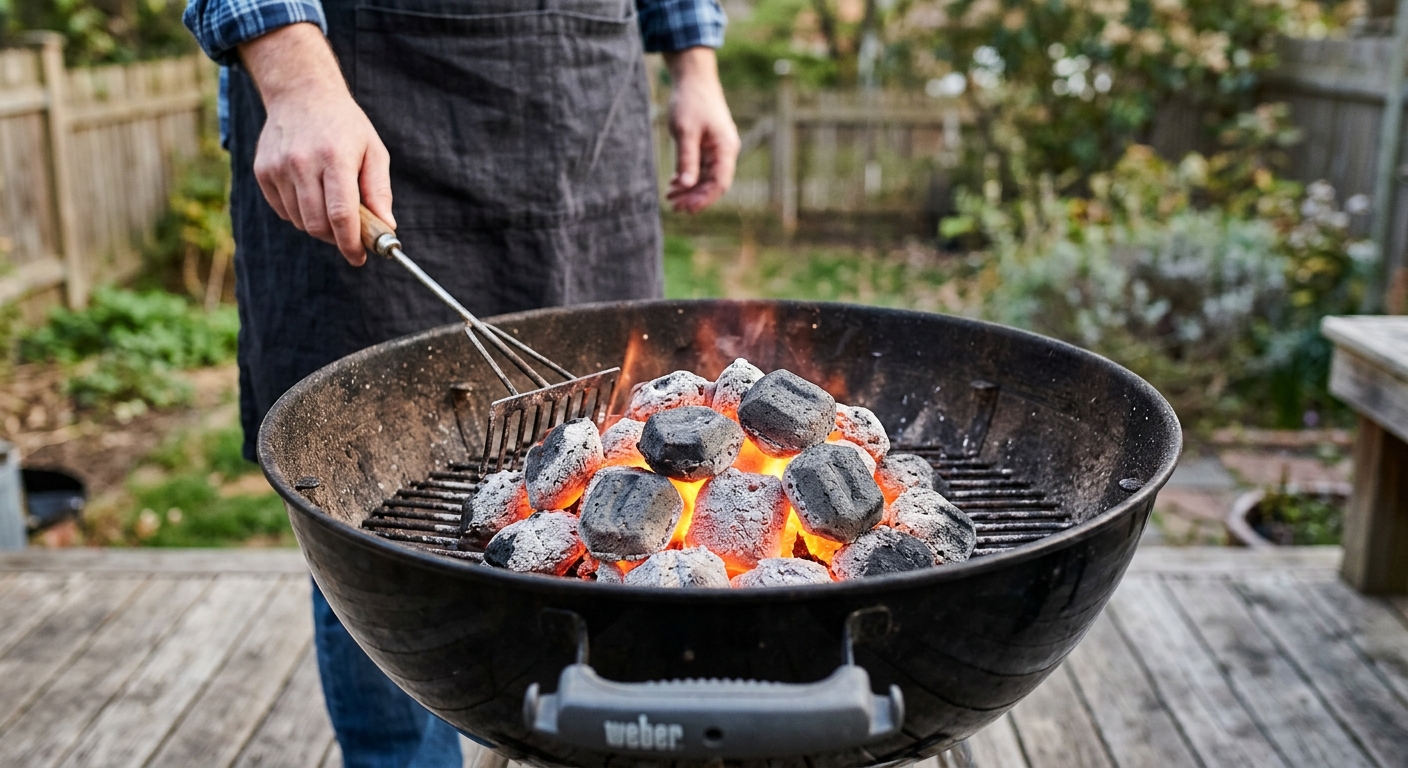
When it comes to enjoying a premium hookah session or hosting the perfect backyard barbecue, the type of charcoal you use makes a monumental difference. Among the various options available on the market, coconut charcoal has risen to prominence as the gold standard. Made from compressed coconut shells, this eco-friendly alternative offers a myriad of benefits over traditional wood lump charcoal or quick-light briquettes. The most pressing question for many enthusiasts, however, is: how long does coconut charcoal burn?
Understanding the burn time of coconut charcoal is crucial for planning your smoking sessions or grilling events. In this comprehensive guide, we will delve deep into the longevity of coconut charcoal, the factors that influence its performance, and how you can maximize its efficiency.
The Average Burn Time of Coconut Charcoal
So, exactly how long does coconut charcoal burn? On average, high-quality coconut charcoal briquettes will burn anywhere from 1.5 to 2.5 hours. Some premium, high-density cubes can even push past the 3-hour mark under optimal conditions. This extended burn time is significantly longer than traditional quick-light coals, which typically last only 30 to 45 minutes, and standard wood charcoal, which burns out faster and less evenly.
This impressive longevity is due to the high density of the compressed coconut shells. The manufacturing process ensures that the charcoal contains very little ash and moisture, allowing it to burn hotter, cleaner, and much longer. For those looking to master their shisha sessions, reading How to Pack a Hookah Bowl for Thick Clouds: The Ultimate Guide can help you utilize that long burn time to achieve the best possible smoke output.
Factors That Affect Burn Time
While the average burn time is a great baseline, several variables can either extend or reduce how long your coconut charcoal will last.
1. Density and Quality of the Charcoal
Not all coconut charcoal is created equal. Premium brands compress the coconut shells under immense pressure, resulting in a dense cube or briquette. Higher density means more material to burn, equating to a longer burn time. Lower-quality coals may have air pockets or impurities that cause them to burn faster and produce more ash. If you are a business looking to source high-quality coals, The Ultimate Guide to Finding a Reliable Shisha Charcoal Cube Supplier in Indonesia is an excellent resource.
2. Shape and Size
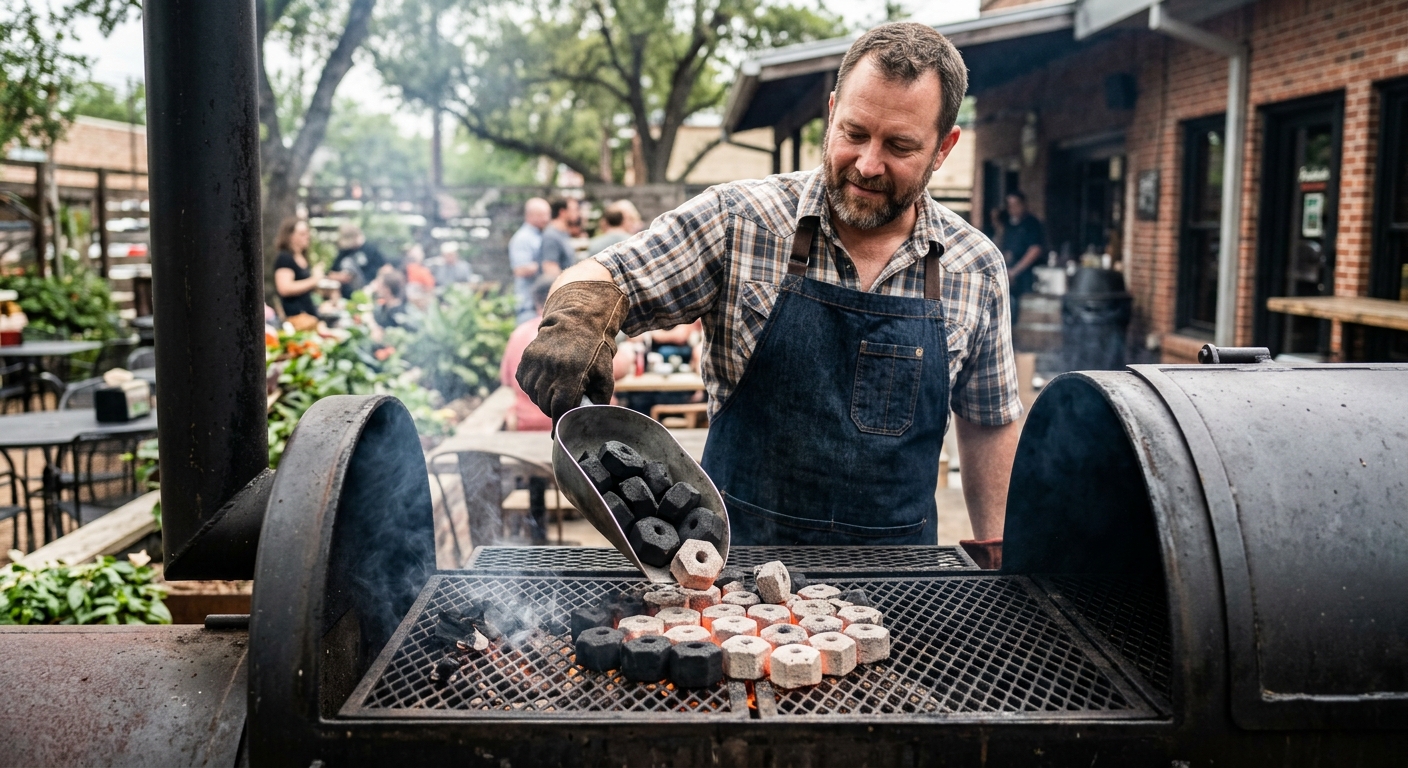
Coconut charcoal comes in various shapes, including cubes, flats, and hexagonal logs. Larger cubes (e.g., 25mm or 26mm) naturally burn longer than smaller flats. For grilling, larger hexagonal or tubular briquettes are designed to provide sustained heat for several hours. If you are interested in using this fuel for cooking, check out Organic Coconut Shell Charcoal for BBQ: The Ultimate Guide.
3. Airflow and Environment
Oxygen is the fuel for fire. If you are smoking hookah outdoors on a windy day, the increased airflow will cause the charcoal to burn much faster. Conversely, using a wind cover or a heat management device (HMD) restricts excess airflow, allowing the coals to burn slower and more steadily. For grilling, keeping the vents on your BBQ partially closed will extend the burn time compared to leaving them wide open.
4. Lighting Method
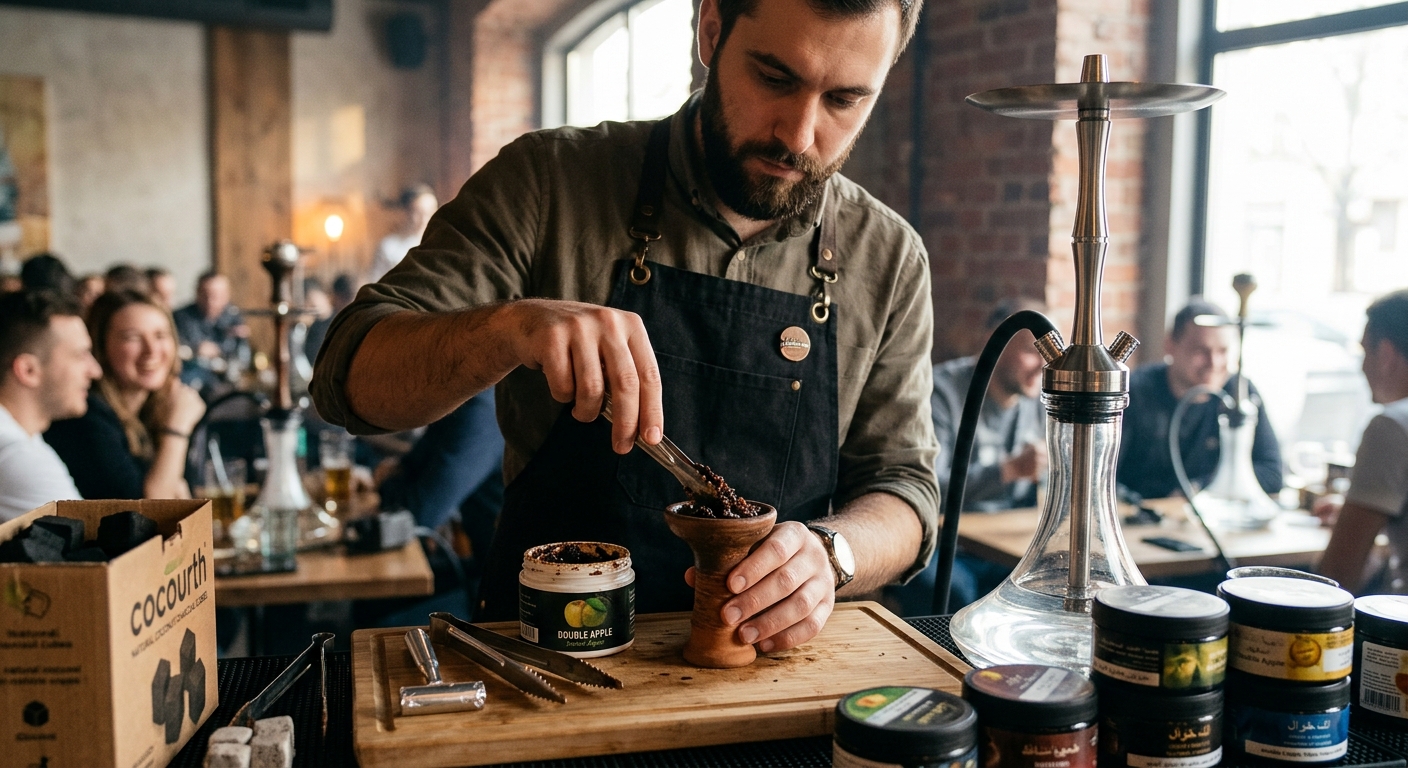
How you light your charcoal also matters. Coconut coals require a dedicated electric coil burner or a gas stove to light properly, usually taking 8-12 minutes. If you over-burn them on the stove (leaving them until they are entirely white and shrinking), you are wasting valuable burn time before they even reach your hookah or grill. They should be removed from the heat source as soon as they are fully glowing red.
Benefits of the Long Burn Time
The extended burn time of coconut charcoal offers several distinct advantages for both hookah smokers and grill masters.
- Cost-Effectiveness: Although a box of coconut charcoal might cost slightly more upfront than quick-lights, you use fewer pieces per session because they last so long. This makes them more economical in the long run.
- Consistent Heat: Coconut charcoal provides a stable, even heat output. It doesn’t spike in temperature and die off quickly, preventing burnt shisha or unevenly cooked food.
- Less Interruption: For a standard hookah session, you rarely need to light a second round of coals. You can sit back, relax, and enjoy a continuous session.
- Clean Burn: As they burn, coconut coals produce minimal ash (usually under 3%). This means less mess and less risk of ash falling into your hookah bowl or onto your food.
How to Maximize Your Charcoal’s Burn Time
If you want to get every last minute out of your coconut coals, here are some professional tips:
- Use a Heat Management Device (HMD): An HMD regulates the heat transfer from the coals to the shisha and protects the coals from ambient airflow, significantly extending their life.
- Store Properly: Keep your unlit charcoal in a dry, cool place. Moisture absorption will ruin the density and cause the coals to burn poorly and quickly. Consider buying from top manufacturers like premium charcoal suppliers to ensure you get perfectly dry, sealed products.
- Ash Regularly: Gently tapping the ash off your coals during a session exposes the glowing core to just enough oxygen to maintain optimal heat without burning up too fast.
- Don’t Over-Light: Take the coals off the burner the moment they are fully ignited. Letting them sit on the burner wastes their core lifespan.
Comparing Coconut Charcoal to Other Types
To truly appreciate how long coconut charcoal burns, it helps to compare it to the alternatives.
| Charcoal Type | Average Burn Time | Ash Production | Odor/Taste |
|---|---|---|---|
| Coconut Charcoal | 1.5 – 2.5 Hours | Very Low (<3%) | None |
| Quick-Light Briquettes | 30 – 45 Minutes | High | Chemical/Sulfur |
| Wood Lump Charcoal | 45 – 90 Minutes | Medium | Smoky Wood Flavor |
| Standard BBQ Briquettes | 1 – 2 Hours | High | Slight Chemical |
As the table demonstrates, coconut charcoal outperforms the competition in almost every metric relevant to a clean, long-lasting burn.
Conclusion
In summary, coconut charcoal is an exceptional product that offers an impressive average burn time of 1.5 to 2.5 hours, depending on the specific size, density, and environmental conditions. By providing a clean, odorless, and highly consistent heat source, it has rightfully earned its place as the preferred choice for hookah enthusiasts and professional grillers alike. By storing your coals properly, avoiding over-lighting, and using tools like wind covers or HMDs, you can easily maximize the longevity of your coconut charcoal, ensuring long, uninterrupted, and highly satisfying sessions.
Frequently Asked Questions
Can I reuse coconut charcoal if it hasn’t burned all the way down?
Yes, if your session ends before the coals are fully consumed, you can carefully extinguish them by starving them of oxygen (placing them in an airtight container) or dunking them in water. However, if dunked in water, they must be dried completely (usually in the sun for several days) before they can be relit, and they may not perform as well as fresh coals.
Why are my coconut coals burning out in under an hour?
If your coconut coals are burning out too quickly, it is likely due to excessive airflow (such as smoking outdoors on a windy day without a wind cover), purchasing low-quality/low-density coals, or leaving them on the burner for too long before using them.
Are coconut coals safe to use indoors?
While coconut coals produce less carbon monoxide and smoke than traditional wood coals, burning any type of charcoal indoors poses a risk of carbon monoxide poisoning. Always ensure you are in a well-ventilated area with open windows or active extraction fans when using charcoal indoors.
How long does it take to light coconut charcoal?
Because of their high density and lack of chemical accelerants, coconut charcoal takes about 8 to 12 minutes to fully light on a high-heat electric coil burner. You should flip them halfway through to ensure they are evenly lit on all sides.
2 thoughts on “How Long Does Coconut Charcoal Burn? A Comprehensive Guide”