Introduction to Coconut Charcoal Briquettes for BBQ
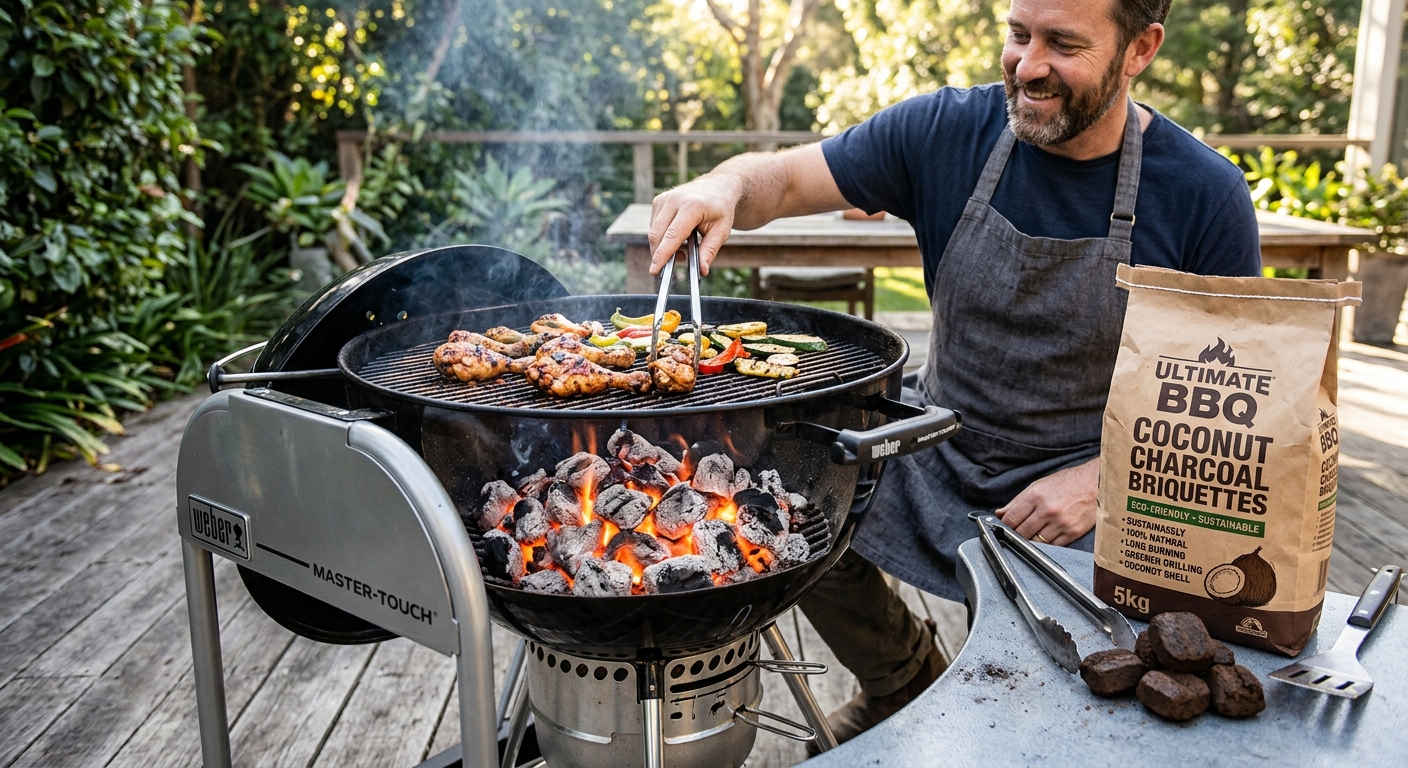
When it comes to achieving the perfect barbecue, the fuel you choose is just as important as the quality of the meat. Traditional wood charcoal has long been the standard, but there is a rising star in the world of grilling: coconut charcoal briquettes. These eco-friendly powerhouses are transforming the way enthusiasts approach outdoor cooking, offering a longer, cleaner, and hotter burn.
Sourced primarily from discarded coconut shells, these briquettes represent a sustainable alternative to traditional timber-based charcoals. Not only do they help reduce deforestation, but they also provide a superior grilling experience that professional chefs and backyard enthusiasts alike are beginning to swear by.
The Manufacturing Process of Coconut Charcoal
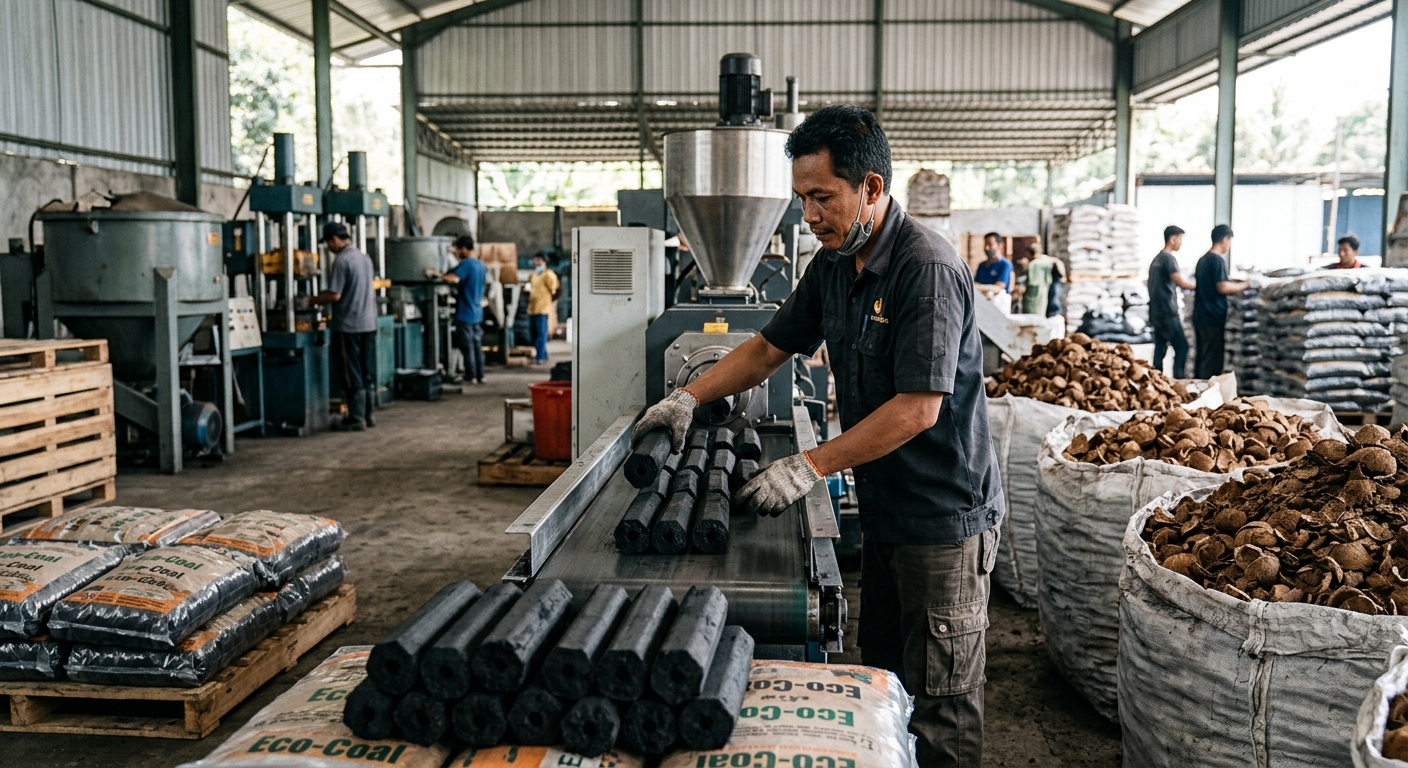
Understanding how coconut charcoal is made helps illuminate why it is so effective for BBQ. The process begins with the collection of mature coconut shells, which are a byproduct of the copra and coconut oil industries. These shells are thoroughly cleaned and dried before undergoing a process called carbonization.
During carbonization, the shells are burned in a low-oxygen environment to remove moisture and volatile compounds, leaving behind high-carbon char. This char is then crushed into a fine powder, mixed with a natural binder—typically tapioca starch—and pressed into various shapes, most commonly briquettes or cubes. The resulting briquettes are then dried in large industrial ovens to ensure all residual moisture is removed.
Why Shape Matters
The shape of the briquette plays a crucial role in its performance. For BBQ purposes, hexagonal or pillow-shaped briquettes are often preferred as they allow for optimal airflow, leading to a consistent and steady burn. For those interested in other uses, understanding the shape and density is also vital, much like knowing How to Pack a Hookah Bowl: A Comprehensive Guide, where heat management is equally critical.
Benefits of Using Coconut Charcoal Briquettes
Choosing coconut charcoal for your barbecue offers numerous advantages over traditional lump charcoal and wood briquettes.
1. Extended Burn Time
One of the most significant benefits is the extended burn time. Coconut charcoal briquettes are incredibly dense, meaning they burn much longer than standard wood charcoal. A single batch can easily last up to three times longer, making them perfect for slow-cooking meats like brisket or pulled pork without the need for constant refilling.
2. High and Consistent Heat
Coconut charcoal burns hotter and more consistently. The high density and high fixed carbon content ensure that the temperature remains stable throughout the cooking process, allowing for precise heat control. This consistency is a game-changer for searing steaks or achieving a perfect crust on grilled vegetables.
3. Smokeless and Odorless
Unlike traditional charcoal, which can impart a heavy, sometimes acrid smoke flavor to your food, coconut charcoal is virtually smokeless and odorless. This clean burn ensures that the natural flavors of your marinades, rubs, and the meat itself shine through without being overpowered by smoke.
4. Eco-Friendly and Sustainable
Because coconut charcoal is made from agricultural waste (coconut shells) rather than felled trees, it is a highly sustainable choice. By utilizing this renewable resource, you are contributing to a reduction in deforestation and promoting a greener planet. Finding a reliable source is key, and partnering with a reputable Coconut Charcoal Briquettes Wholesale Supplier: A Comprehensive Guide can ensure you get the best quality sustainable fuel.
5. Minimal Ash Production
The low ash content of coconut charcoal means less mess during and after your BBQ. Traditional charcoal can leave behind mountains of ash that can choke the fire and complicate cleanup. Coconut briquettes typically leave behind less than 5% ash, maintaining better airflow and making post-BBQ cleanup a breeze.
How to Light Coconut Charcoal Briquettes
Lighting coconut charcoal requires a slightly different approach than traditional charcoal due to its density. Lighter fluid is strongly discouraged, as it can impart unpleasant chemical flavors to your food and defeats the purpose of using a clean-burning fuel.
- Use a Chimney Starter: This is the most effective method. Place crumpled newspaper or natural fire starters at the bottom, fill the top with coconut briquettes, and light the paper.
- Electric Charcoal Starter: A safe and quick alternative. Simply bury the heating loop in a pile of briquettes and plug it in until the coals are lit.
- Natural Fire Starters: Wax-coated wood shavings or tumbleweeds work exceptionally well when placed under a small mound of briquettes.
Patience is key. Because of their density, coconut briquettes may take a bit longer to light—usually 15 to 20 minutes—but the wait is well worth it for the prolonged, consistent heat they provide.
Sourcing and Importing Coconut Charcoal
With the growing popularity of coconut charcoal, many businesses and serious enthusiasts are looking to source directly from major producers. Indonesia is the world’s leading producer of high-quality coconut charcoal, thanks to its abundant coconut plantations and refined manufacturing processes.
If you are looking to purchase in bulk for commercial BBQ, catering, or retail, understanding the logistics of international sourcing is essential. For those interested in this route, we highly recommend reading How to Import Charcoal from Indonesia: A Comprehensive Guide. It covers everything from finding reliable suppliers to navigating shipping and customs regulations.
Comparing Coconut Charcoal to Other BBQ Fuels
To fully appreciate the value of coconut charcoal briquettes, it is helpful to compare them directly to other common BBQ fuels.
| Feature | Coconut Charcoal | Lump Wood Charcoal | Standard Wood Briquettes |
|---|---|---|---|
| Burn Time | Very Long (Up to 4-5 hours) | Short to Medium (1-2 hours) | Medium (2-3 hours) |
| Heat Level | High and Consistent | High but Fluctuating | Medium and Consistent |
| Smoke Production | Minimal to None | High | Moderate |
| Ash Production | Very Low (<5%) | Low to Moderate | High (often contains fillers) |
| Sustainability | Excellent (Recycled waste) | Poor to Moderate (Deforestation risk) | Moderate (Varies by brand) |
As the table illustrates, coconut charcoal excels in nearly every category, making it the premier choice for serious grillers. For premium quality fuel options, consider exploring products available at top supplier websites to elevate your grilling experience.
Conclusion
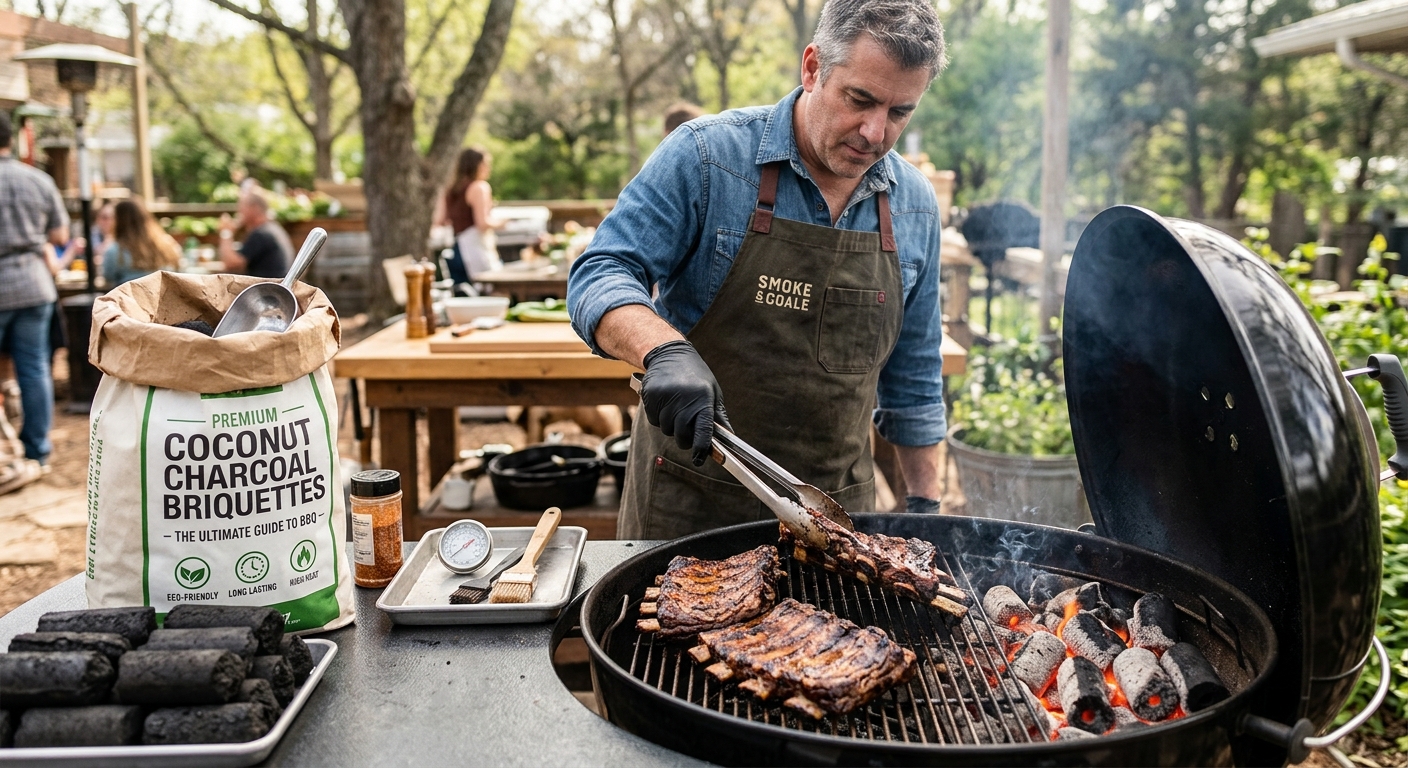
Coconut charcoal briquettes for BBQ represent a significant upgrade over traditional grilling fuels. Their long burn time, high and consistent heat, minimal smoke, and eco-friendly origins make them the ideal choice for anyone looking to perfect their outdoor cooking. Whether you are slow-smoking a rack of ribs or searing steaks for a weekend gathering, making the switch to coconut charcoal will undoubtedly elevate the flavor of your food and the overall quality of your BBQ experience. Embrace this sustainable, high-performance fuel and taste the difference for yourself.
Frequently Asked Questions (FAQ)
Can I use coconut charcoal in any type of grill?
Yes, coconut charcoal briquettes can be used in almost any charcoal grill, including kettle grills, ceramic kamado-style grills (like the Big Green Egg), and offset smokers. Their consistent heat makes them particularly well-suited for kamado grills and smokers.
Do coconut charcoal briquettes make the food taste like coconut?
No, they do not. The carbonization process removes all the volatile compounds and oils from the coconut shell. The resulting charcoal is completely neutral and odorless, allowing the true flavors of your food and any smoking woods you add to be the star.
Why does coconut charcoal cost more than regular charcoal?
The higher cost is due to the complex, labor-intensive manufacturing process and the density of the product. However, because coconut charcoal burns much longer and hotter, you use significantly less fuel per BBQ session, making it highly cost-effective in the long run.
Are there any chemical binders in coconut charcoal briquettes?
High-quality coconut charcoal briquettes use only natural binders, most commonly tapioca starch (cassava root powder). Always check the packaging or consult with your supplier to ensure the briquettes are 100% natural without any chemical additives or fillers.