Introduction to the Charcoal Manufacturing Industry
In today’s expanding global market, finding a reliable charcoal manufacturer is a critical step for businesses looking to scale their operations. Whether you are supplying the culinary industry with high-heat barbecue briquettes, providing activated carbon for industrial filtration, or selling premium coconut shell charcoal for shisha and hookah enthusiasts, the foundation of your business relies entirely on the quality and consistency of your supply chain. A dependable manufacturer ensures that your inventory levels remain stable, your product quality remains high, and your end customers remain satisfied. However, navigating the complex landscape of international suppliers can be an overwhelming endeavor filled with logistical challenges, quality control issues, and communication barriers.
The charcoal market is vast and diverse, with production facilities scattered across the globe. Some manufacturers focus strictly on traditional hardwood lump charcoal, while others have specialized in eco-friendly alternatives like coconut shell briquettes. As a business owner or procurement manager, your first objective is to define exactly what type of charcoal fits your market demographic. Once your niche is clearly outlined, the process of vetting, selecting, and partnering with a manufacturer becomes significantly more focused and manageable. This comprehensive guide will walk you through the crucial steps of identifying, evaluating, and securing a long-term partnership with a top-tier charcoal manufacturer.
Understanding Your Niche: BBQ vs. Shisha vs. Industrial
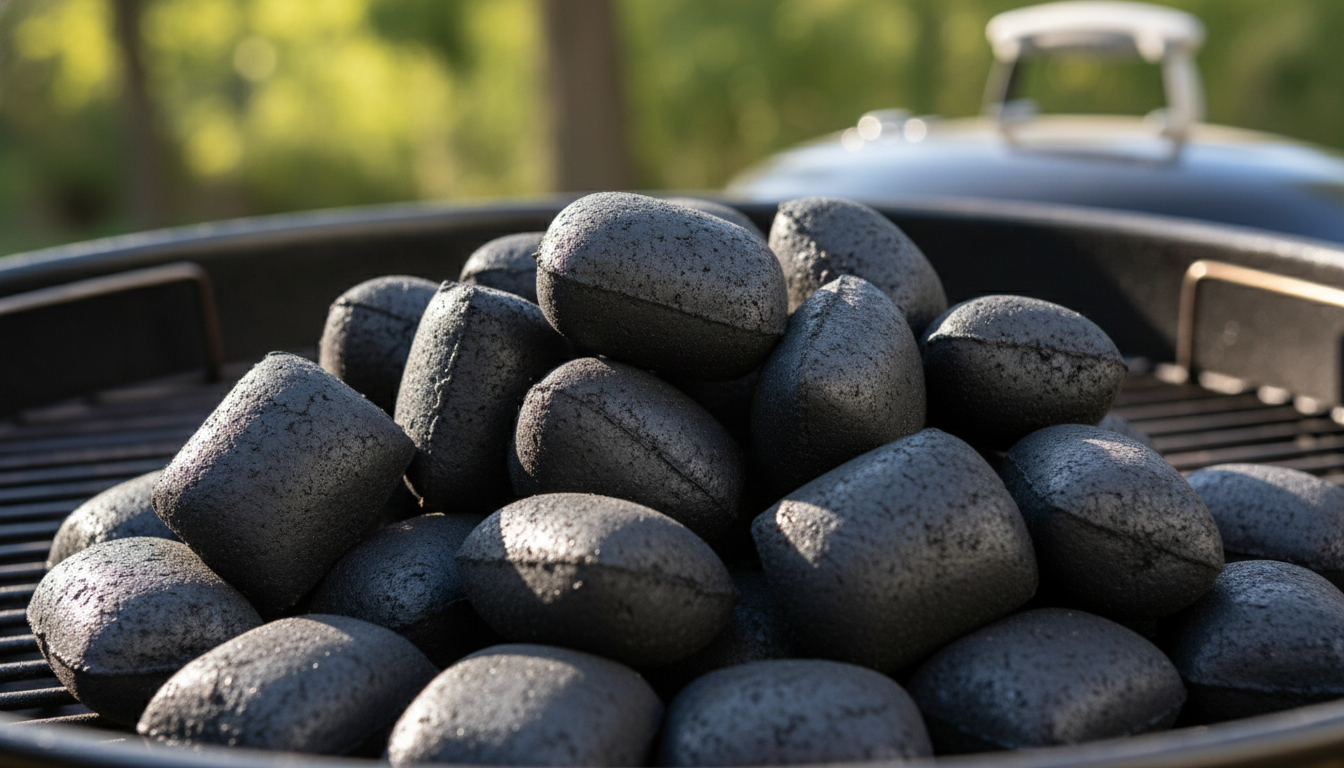
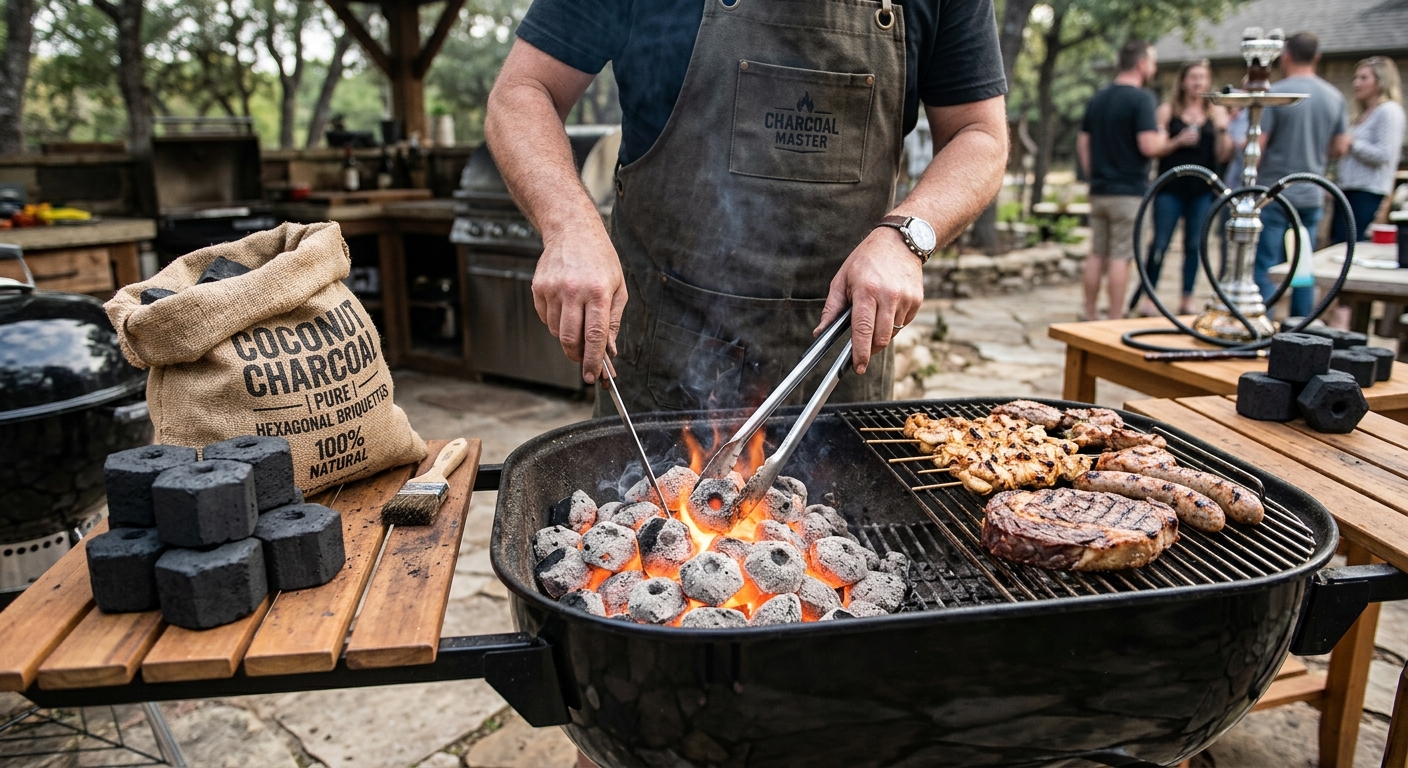
Before you begin reaching out to potential manufacturers, you must possess a deep understanding of the specific type of charcoal your customers demand. The manufacturing process, raw materials, and quality control metrics vary drastically depending on the intended use of the charcoal. For instance, barbecue charcoal is typically made from hardwood and is prized for its smoky flavor profile, high heat output, and relatively quick ignition. On the other hand, shisha or hookah charcoal requires a completely different set of specifications. Consumers in this space demand an odorless, tasteless, and low-ash product that will not interfere with the flavor of their shisha tobacco. This is why coconut shell charcoal has become the gold standard in the hookah industry.
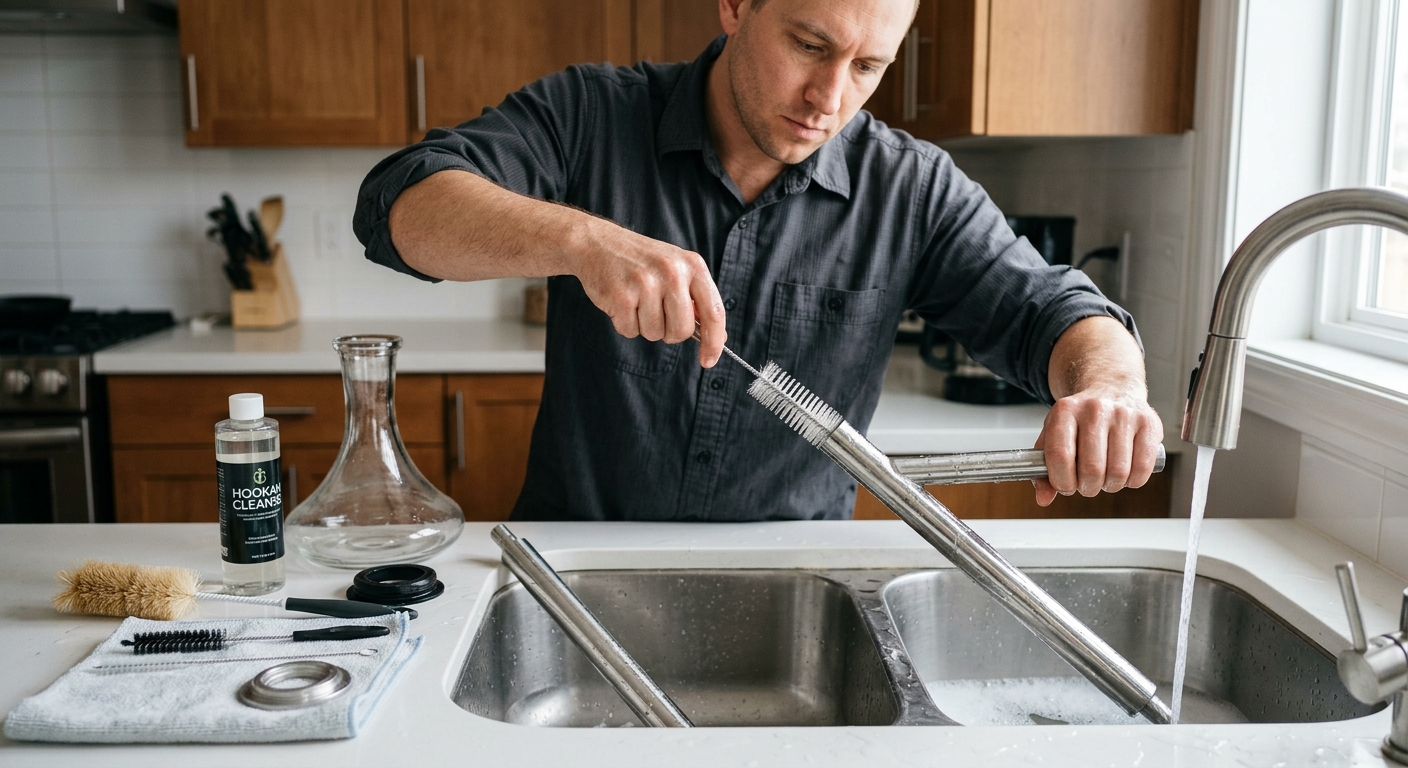
If you are catering to the hookah market, your customers’ experience is heavily influenced by how the charcoal interacts with their setup. For example, enthusiasts often look for specific packing techniques to maximize their sessions, which is brilliantly covered in this Phunnel Bowl Packing Guide for Beginners: The Ultimate Tutorial. Knowing these end-user preferences allows you to communicate exact specifications to your manufacturer, such as the exact dimensions of the briquettes (e.g., 25mm cubes or 26mm cubes), the desired ash color, and the maximum allowable moisture content.
Global Hotspots for Charcoal Production
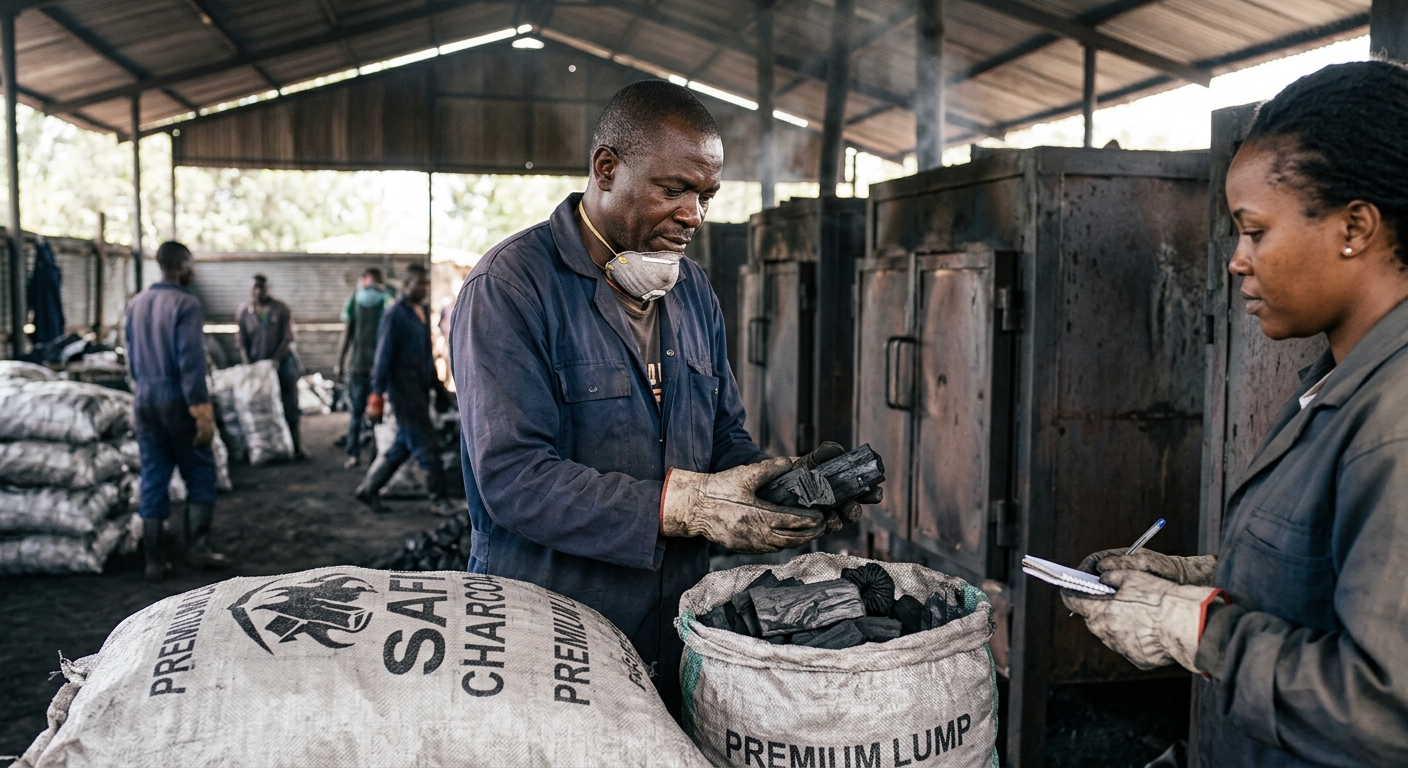
When searching for a reliable manufacturer, geographic location plays a pivotal role in terms of raw material availability, labor costs, and shipping logistics. Different regions of the world specialize in different types of charcoal production. For hardwood lump charcoal, countries in South America, Eastern Europe, and parts of Africa are well-known exporters. However, if your business requires premium coconut shell charcoal, Southeast Asia is the undeniable epicenter of production. Countries like Indonesia, the Philippines, and Vietnam boast massive agricultural sectors dedicated to coconut farming, providing an abundant and sustainable supply of coconut shells, which are a byproduct of the coconut oil and water industries.
Indonesia, in particular, has established itself as the premier destination for sourcing high-quality coconut charcoal. The country possesses the ideal climate for coconut cultivation and has generations of expertise in the carbonization and briquetting processes. If you are considering sourcing from this region, it is highly recommended to read The Comprehensive Guide to Choosing a Coconut Shell Charcoal Manufacturer in Indonesia. This resource provides invaluable insights into navigating the local market, understanding regional grading systems, and avoiding common pitfalls when importing from Southeast Asia.
Evaluating Charcoal Quality and Performance Metrics
Once you have identified potential manufacturing partners, the next critical phase is evaluating their product quality. Never commit to a large-scale order without first requesting and rigorously testing product samples. Quality control in charcoal manufacturing comes down to several key performance indicators: fixed carbon content, ash content, moisture level, volatile matter, and burn time. High-quality coconut charcoal, for example, typically features a fixed carbon content of 75% to 85%, ensuring a hot, long-lasting burn. Ash content should ideally be kept below 2.5% to 3% for premium shisha charcoal, as excessive ash can smother the heat and create a messy experience for the user.
Burn time is perhaps the most heavily scrutinized metric by end consumers. A reliable manufacturer will be able to produce briquettes that maintain a consistent burning temperature for a prolonged period. To understand the intricacies of burn duration and what factors influence it, you can reference this detailed article on How Long Does Coconut Charcoal Burn? A Comprehensive Guide. During your testing phase, ignite the sample briquettes and monitor them closely. Note how long it takes for them to fully ash over, measure the peak temperature, and observe if they crack or split while burning. A briquette that shatters under heat indicates poor binding agents or improper pressing during the manufacturing process, which is a massive red flag.
Key Factors in Choosing a Manufacturer
Finding a factory that produces good samples is only half the battle. A truly reliable charcoal manufacturer must also possess the operational capacity, financial stability, and ethical business practices required to sustain a long-term partnership. When evaluating potential suppliers, consider the following factors:
- Production Capacity: Can the manufacturer handle your current volume requirements, and do they have the infrastructure to scale up as your business grows? Always ask about their monthly output capacity in metric tons.
- Quality Consistency: Are they implementing strict quality control measures at every stage of production, from raw material sourcing to carbonization, crushing, mixing, pressing, and drying?
- Certifications: Does the manufacturer hold relevant industry certifications? Look for ISO 9001 for quality management systems, as well as REACH compliance or MSDS (Material Safety Data Sheets) required for international shipping.
- Transparency: A trustworthy manufacturer will be open about their supply chain. They should welcome factory visits and be willing to provide detailed reports on their raw material sourcing.
- Communication: The importance of clear, timely communication cannot be overstated when dealing with overseas suppliers. If a manufacturer is slow to respond to inquiries or evasive about production details during the initial negotiation phase, it will only get worse once they have your deposit.
To ensure you are working with an industry leader, you might want to partner with a reputable premium charcoal supplier that has already vetted the complex international logistics and quality control standards required for commercial success.
The Importance of Sustainable Sourcing
In the modern business landscape, environmental sustainability is no longer just a marketing buzzword; it is a fundamental requirement for long-term viability. The charcoal industry has historically faced criticism for contributing to deforestation, particularly in regions where hardwood is harvested illegally to produce lump charcoal. As a responsible business owner, it is imperative that you align your brand with manufacturers who prioritize eco-friendly practices. This is another reason why coconut shell charcoal has surged in popularity. Because it utilizes the discarded shells of coconuts that have already been harvested for their meat and water, not a single tree needs to be cut down to produce it. It is a 100% sustainable, upcycled product.
When speaking with potential manufacturers, inquire about their sustainability initiatives. Do they have direct relationships with local farmers? Do they ensure fair labor practices in their factories? Are they utilizing energy-efficient kilns during the carbonization process to reduce harmful emissions? Partnering with a manufacturer that can provide a transparent, ethical, and sustainable supply chain not only protects the environment but also provides your brand with a powerful selling point that resonates strongly with today’s conscientious consumers.
Logistics, Shipping, and Supply Chain Management
Charcoal is classified as a dangerous good under maritime shipping regulations because it is prone to spontaneous combustion if not manufactured, cooled, and packaged correctly. Therefore, navigating the logistics of importing charcoal requires a manufacturer with extensive export experience. They must know how to properly cool the charcoal for several days before packing, and they must be familiar with the documentation required by shipping lines and international customs agencies, such as the Vanning Certificate, SHTC (Self-Heating Test Certificate), and the aforementioned MSDS.
| Document Name | Purpose | Importance Level |
|---|---|---|
| MSDS (Material Safety Data Sheet) | Details handling, hazards, and safety precautions. | Critical |
| SHTC (Self-Heating Test) | Proves the charcoal will not spontaneously combust during transit. | Critical |
| Vanning Certificate | Confirms goods were loaded into the container safely and securely. | High |
| Certificate of Origin | Validates the country where the product was manufactured for customs tariffs. | High |
| Bill of Lading | Legal document between shipper and carrier detailing the type, quantity, and destination of goods. | Critical |
A reliable manufacturer will have dedicated logistics personnel who can coordinate seamlessly with your freight forwarders. They should be able to optimize container loading to maximize the amount of product you can ship at one time, thereby reducing your per-unit landed cost. Ensure that all shipping terms (Incoterms like FOB, CIF, or EXW) are clearly defined in your purchase agreement to avoid any hidden fees or liability disputes if a container is delayed at the port.
Building a Long-Term Partnership
The ultimate goal of sourcing is not just to make a one-time purchase, but to build a mutually beneficial, long-term partnership with your manufacturer. Once you have found a supplier that meets your quality, capacity, and ethical standards, invest time in nurturing that relationship. Treat your manufacturer as an extension of your own business. Regular communication, providing constructive feedback on product performance, and paying invoices promptly are all vital components of a healthy vendor relationship.
Consider traveling to visit the manufacturing facility in person. Meeting the factory owners, shaking hands with the production managers, and seeing the operation with your own eyes builds a level of trust that simply cannot be achieved through emails and video calls alone. A strong relationship often leads to better pricing, priority production scheduling during peak seasons, and a willingness from the manufacturer to collaborate on new, innovative product lines tailored specifically for your brand.
Conclusion
Finding a reliable charcoal manufacturer is a comprehensive process that requires diligence, market knowledge, and a commitment to quality. By understanding your specific niche, identifying the best geographic regions for sourcing, and rigorously testing product samples against key performance metrics, you can confidently navigate the global supplier landscape. Remember to prioritize manufacturers who emphasize sustainability, possess the necessary export certifications, and communicate transparently. While the vetting process may be time-consuming, the reward of securing a dependable, high-quality charcoal supply chain will serve as the engine for your business’s growth and success for years to come.
Frequently Asked Questions
What is the most important metric when testing charcoal samples?
While all metrics are important, fixed carbon content is generally considered the most crucial. A higher fixed carbon content (typically above 75% for premium charcoal) ensures a longer burn time, higher heat output, and lower ash production. It is the primary indicator of the charcoal’s overall purity and manufacturing quality.
Why is coconut shell charcoal preferred for shisha/hookah?
Coconut shell charcoal is preferred because it is entirely natural, sustainable, and free of the chemical additives often found in quick-light charcoal. It burns significantly hotter and longer than wood charcoal and produces almost zero odor or taste, which ensures that the flavor of the shisha tobacco remains pure and unadulterated.
How can I verify if a charcoal manufacturer is legitimate before sending money?
To verify a manufacturer’s legitimacy, request their business registration documents, export licenses, and industry certifications (like ISO or SHTC). Additionally, ask for references from current international clients, arrange a live video tour of their manufacturing facility, and always start with a smaller trial order or use a secure payment method like a Letter of Credit (LC) for large transactions.
What causes charcoal briquettes to crack or break while burning?
Cracking or breaking during burning is usually caused by inadequate pressure during the briquetting process, an improper ratio of natural binder (like tapioca starch) to charcoal dust, or a moisture content that is too high. It indicates poor quality control at the factory level and is a sign that you should look for a different manufacturer.