For centuries, the tradition of smoking hookah has been a cornerstone of social gatherings, relaxation, and cultural expression. While many enthusiasts focus primarily on selecting the perfect shisha flavor or investing in a high-quality pipe, one crucial element is frequently overlooked: the charcoal. The type, shape, and quality of the charcoal you use fundamentally dictate the temperature, flavor purity, and overall duration of your session. Choosing the best hookah charcoal is not merely an afterthought; it is an essential skill for anyone looking to master the art of hookah preparation.
Understanding the Primary Types of Hookah Charcoal
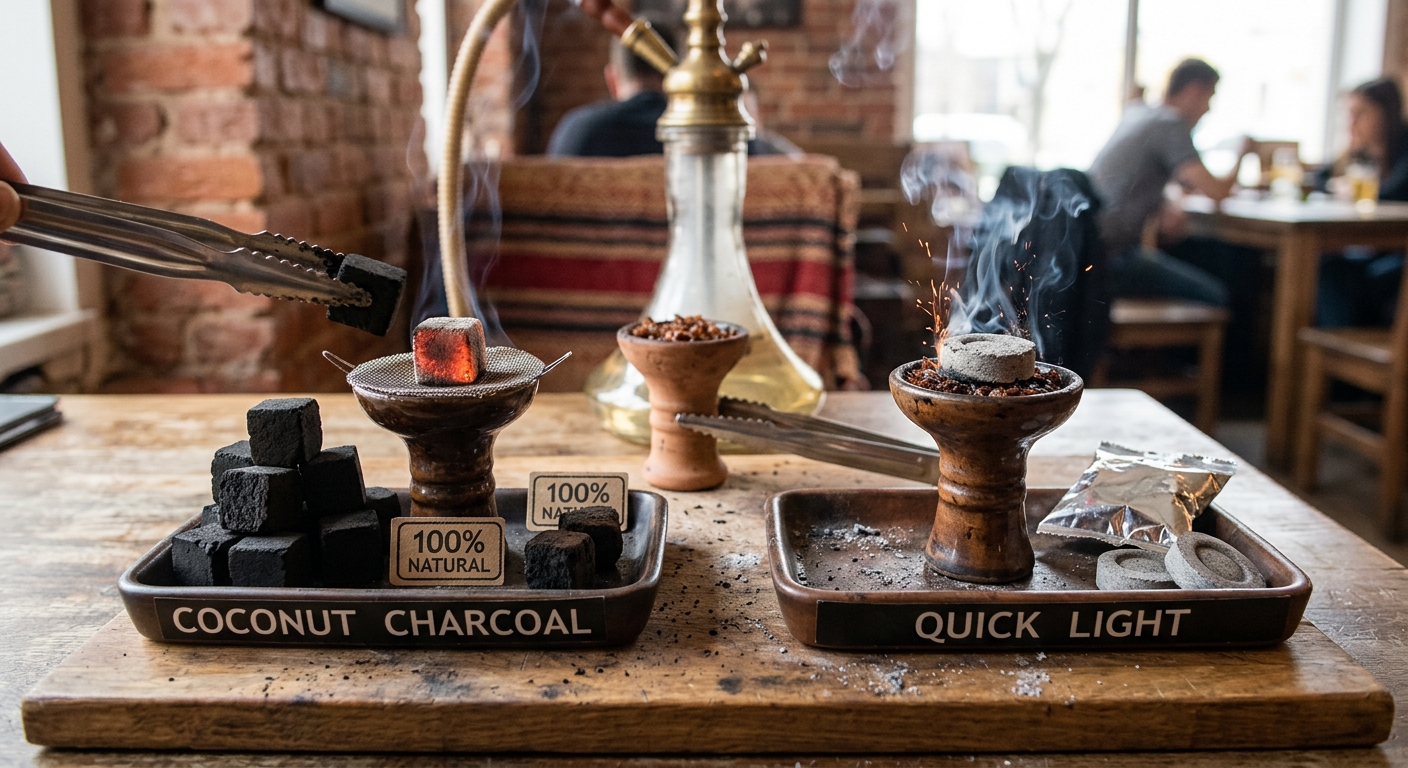
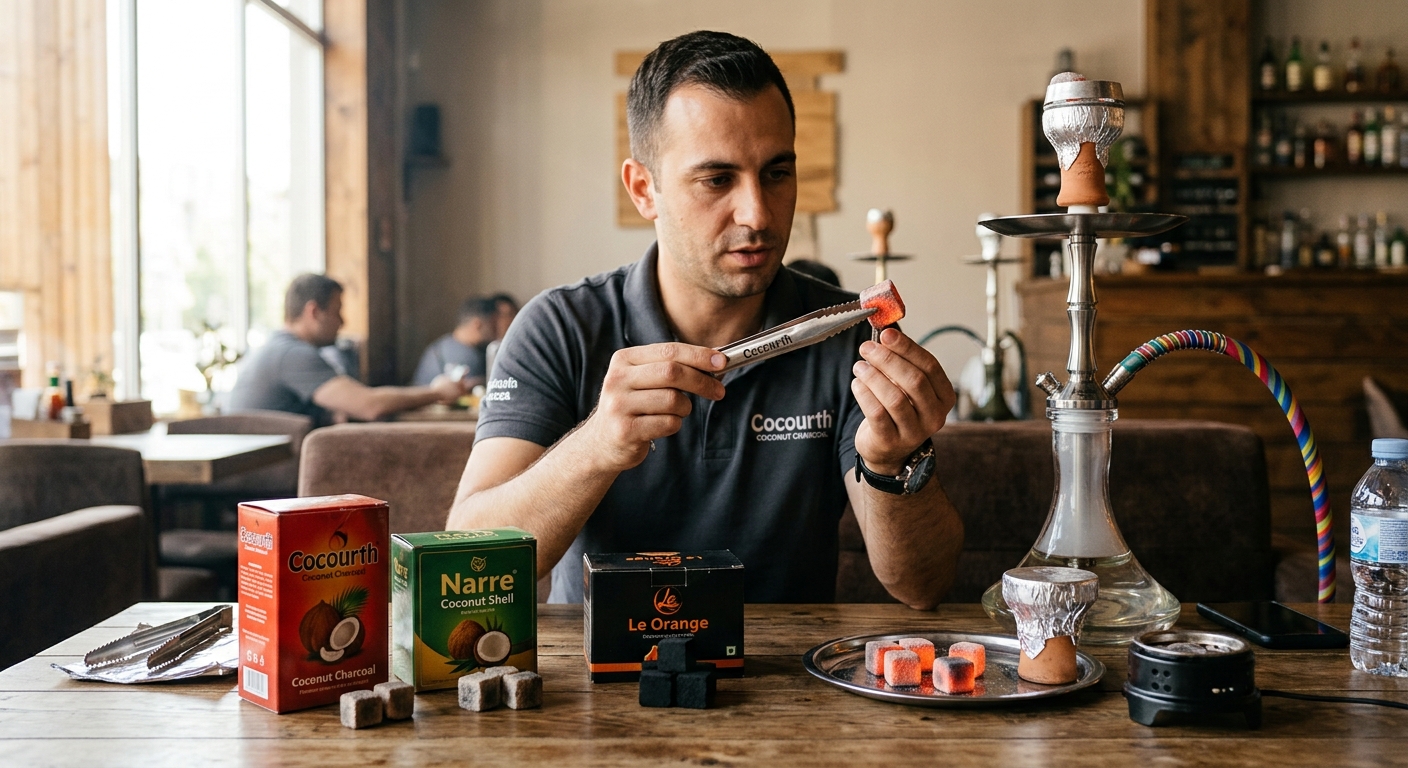
When you step into a smoke shop or browse an online retailer, you will immediately notice that hookah charcoal is broadly divided into two main categories: natural charcoal and quick-light charcoal. Understanding the distinction between these two is the first step in elevating your smoking experience. Natural charcoal is predominantly made from compressed coconut shells, though wood-based options like lemon wood or bamboo are also available. These coals require a dedicated heat source, such as a single-coil electric burner, to ignite properly. Because they contain no chemical accelerants, they provide a clean, tasteless, and odorless burn that preserves the delicate flavor profile of your premium shisha.
Conversely, quick-light charcoals are infused with chemical accelerants (often sulfur or benzene) that allow them to be ignited rapidly with a simple standard lighter. While highly convenient for travel or outdoor use, this convenience comes at a significant cost to quality. The chemical coating can impart an unpleasant, harsh taste to the smoke and frequently produces more carbon monoxide. If you are serious about flavor, you must read Coconut Charcoal vs Quick Light: The Ultimate Shisha Coals Comparison to fully grasp why the majority of professional lounges and experienced smokers have migrated entirely to natural coconut options.
The Importance of Shape and Size
Once you have decided on the material of your charcoal, the next variable to consider is the physical shape and size. Natural coconut coals are manufactured in a variety of dimensions, each serving a specific heat management purpose. The most common shapes are flats, cubes, and hexagonal logs. Flat coals are versatile, light relatively quickly compared to larger cubes, and provide a stable base when placed on foil or a heat management device (HMD). However, they tend to burn out faster, requiring more frequent ash management and coal rotation.
Cubed coals, often measuring 25mm or 26mm on all sides, have become the industry standard for HMD users. Their larger mass allows them to retain heat for an extended period, providing a consistent baking temperature for your shisha. Hexagonal or cylinder-shaped coals offer a unique middle ground. They are prized for their structural integrity and unique heat distribution patterns, especially when smoking out of traditional foil setups. To make an informed decision on which geometry suits your smoking style, reviewing a resource like the Cube vs Hexagonal Hookah Charcoal Burn Time: A Comprehensive Guide is highly recommended. It details how the surface area and density of these shapes directly impact session longevity.
Key Metrics for Evaluating Charcoal Quality
Not all natural charcoals are created equal. Even within the coconut charcoal category, there is a wide variance in manufacturing standards. To choose the absolute best hookah charcoal, you must evaluate brands based on several critical performance metrics:
- Ash Content: High-quality charcoal should produce minimal ash. Excessive ash can block airflow into your bowl and acts as an insulator, reducing the amount of heat transferred to the shisha. Look for coals that boast an ash content of less than 3%.
- Odor and Taste: The primary purpose of natural coal is to remain completely neutral. If a coal emits a strong odor while lighting or taints the flavor of your smoke, it likely contains fillers or was bound with low-quality adhesives.
- Burn Time: A standard cube should reliably provide 45 to 60 minutes of optimal heat before needing to be replaced. Shorter burn times indicate lower density and poorer compression during manufacturing.
- Durability: The coal should not crack, split, or shatter when being handled with tongs or while resting on the burner. Structural integrity ensures safety and consistent heat delivery.
Heat Management Devices (HMDs) vs. Traditional Foil
Your choice of charcoal is intrinsically linked to how you manage heat on your hookah bowl. Traditional foil setups require smaller, more manageable coals, such as flats or small cubes, because the heat is transferred directly and intensely through the thin aluminum barrier. Using excessively large coals on foil can easily scorch the top layer of shisha, leading to a harsh, unpleasant smoke.
In contrast, Heat Management Devices (HMDs) are crafted from thick aluminum or stainless steel and are designed to regulate and distribute heat evenly across the bowl. HMDs typically require larger coals, such as 25mm or 26mm cubes, to generate enough thermal energy to heat the device’s thick metal chassis. Knowing your equipment is vital; a coal that performs flawlessly in an HMD might be entirely too aggressive for a standard foil preparation.
Charcoal Comparison Overview
To summarize the differences, review the following comparison table highlighting the core attributes of the main charcoal options available on the market.
| Charcoal Type | Lighting Method | Average Burn Time | Flavor Impact | Best Use Case |
|---|---|---|---|---|
| Natural Coconut Cubes | Electric Coil Burner (10-15 mins) | 60-90 Minutes | Neutral (None) | HMDs, Long Sessions, Premium Shisha |
| Natural Coconut Flats | Electric Coil Burner (7-10 mins) | 45-60 Minutes | Neutral (None) | Foil setups, Shorter Sessions |
| Hexagonal/Finger Coals | Electric Coil Burner (10-15 mins) | 60-80 Minutes | Neutral (None) | Traditional smoking, Large Foil Bowls |
| Quick-Light Coals | Standard Lighter (30 seconds) | 20-40 Minutes | High (Chemical taste) | Emergencies, Outdoor/Travel |
Conclusion
Selecting the best hookah charcoal is a balancing act between convenience, session duration, and flavor preservation. While quick-light options offer unparalleled ease of use, they fundamentally compromise the integrity of your shisha’s flavor profile and introduce unwanted chemicals into your session. By transitioning to high-quality natural coconut charcoal, and paying careful attention to the shape and size that best matches your bowl and heat management style, you will drastically improve your hookah experience. Invest the extra ten minutes it takes to light natural coals properly, and you will be rewarded with thick, flavorful, and incredibly smooth clouds that last well over an hour.
Frequently Asked Questions
How do I know when my natural charcoal is fully lit?
Natural charcoal is fully lit when it is glowing red-hot on all sides and covered in a thin layer of light gray ash. There should be no black, unlit patches remaining. If you place partially lit charcoal on your hookah, it can cause the coal to black out and will severely impact the flavor with a harsh, carbon taste.
Can I light natural coconut coals with a regular lighter?
No, standard lighters or even powerful torch lighters do not provide sustained, even heat over a large enough area to properly ignite dense natural coconut charcoal. You must use a dedicated electric coil burner or a gas stove to achieve the necessary temperatures for full ignition.
Why does my hookah taste harsh or burnt?
A harsh or burnt taste is almost always a sign of poor heat management. You may be using too many coals, placing them too close to the center of the bowl, or using a coal that is too large for your specific setup. Try removing one coal or shifting them to the extreme edges of the bowl to lower the temperature.
How should I store my hookah charcoal?
Charcoal is highly porous and will absorb moisture from the air, which can make it difficult to light and reduce its heat output. Always store your charcoal in a cool, dry place. Keep the coals sealed in their original plastic wrapping or transfer them to an airtight container to ensure maximum freshness and longevity.