Introduction to Coconut Shell Charcoal
In recent years, the global demand for sustainable and high-quality charcoal has surged, bringing coconut shell charcoal to the forefront of the industry. Known for its eco-friendly nature, high carbon content, and minimal ash residue, coconut shell charcoal has become the preferred choice for applications ranging from shisha smoking to industrial water filtration and premium barbecuing. For businesses looking to source this versatile product, understanding the dynamics of coconut shell charcoal manufacturer wholesale prices is absolutely crucial for maintaining profitability and ensuring product quality.
Why Choose Coconut Shell Charcoal?
The transition from traditional wood charcoal to coconut shell charcoal is driven by several compelling advantages. Firstly, it is a sustainable byproduct of the coconut industry, meaning no trees are felled for its production. This eco-friendly aspect appeals to environmentally conscious consumers globally.
Key Benefits
- High Heat Output: Coconut shell charcoal burns hotter than traditional wood charcoal, making it highly efficient.
- Low Ash Content: The dense nature of the coconut shell results in very little ash left behind, ensuring easier cleanup.
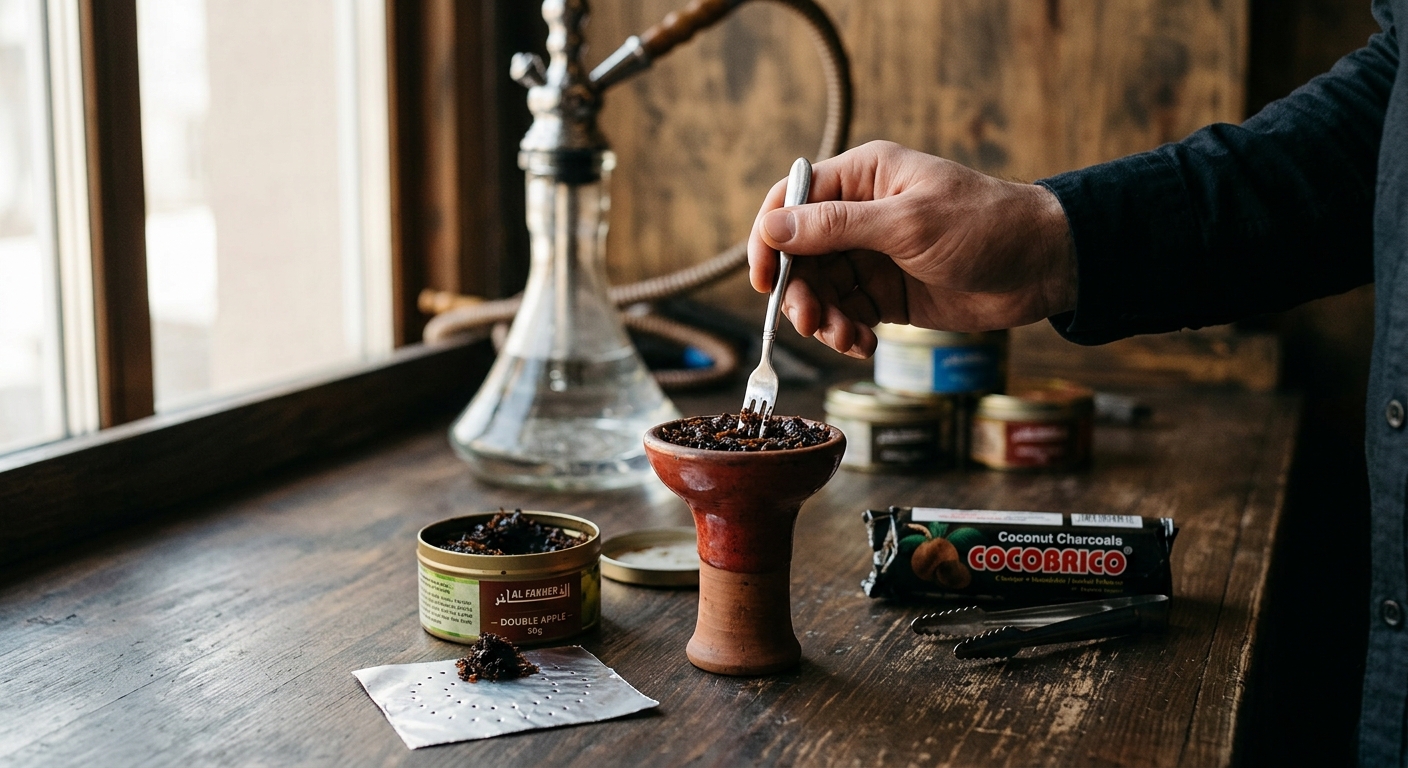
- Smokeless and Odorless: High-quality coconut charcoal produces minimal smoke and leaves no chemical odors, which is essential for culinary applications and shisha.
- Long Burn Time: It is renowned for its exceptional longevity. If you want to know more about this, check out How Long Does Coconut Charcoal Burn? A Comprehensive Guide.
Factors Influencing Manufacturer Wholesale Prices
When diving into the wholesale market, buyers often notice a significant variance in pricing among different manufacturers. This is not arbitrary; several critical factors dictate the final wholesale price of coconut shell charcoal.
1. Raw Material Availability and Seasonality
The primary raw material—coconut shells—fluctuates in price based on harvest seasons, weather conditions, and regional demand from other industries (like copra production). During rainy seasons in major producing countries like Indonesia, the Philippines, and India, drying the shells becomes challenging, leading to supply shortages and temporary price spikes.
2. Carbonization and Production Process
The method used to carbonize the shells greatly impacts the final quality and price. Traditional pit kilns are cheaper but produce inconsistent quality. Conversely, modern rotary kilns or retort systems yield high fixed carbon and lower volatile matter, commanding higher wholesale prices. Furthermore, the process of crushing, mixing with natural binders (like tapioca starch), and pressing into briquettes adds to the manufacturing cost.
3. Product Specifications
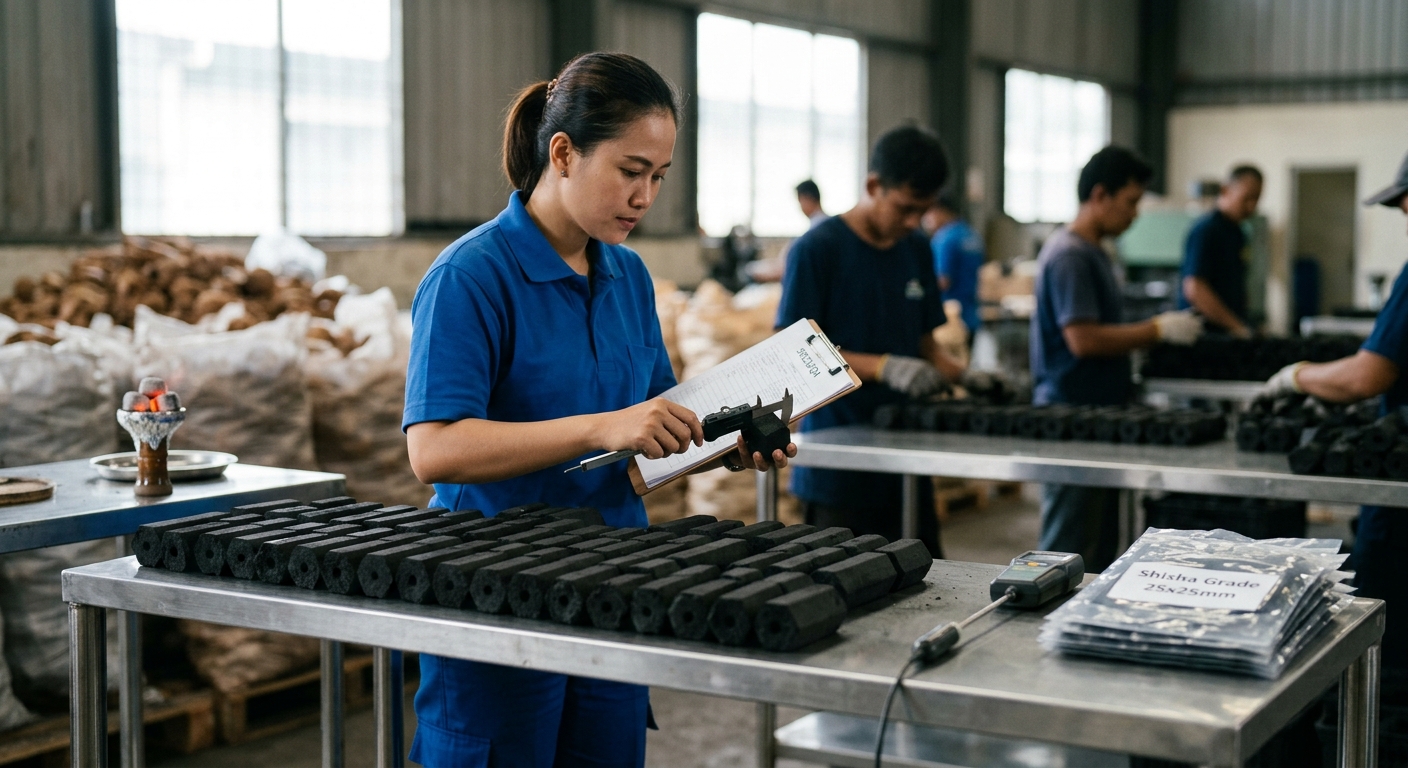
Wholesale prices are strictly tied to product specifications. Charcoal with a fixed carbon content above 80%, ash content below 2.5%, and high moisture resistance will always be priced higher than lower-grade alternatives. Manufacturers often provide a certificate of analysis (COA) to justify their pricing tiers.
4. Packaging and Customization
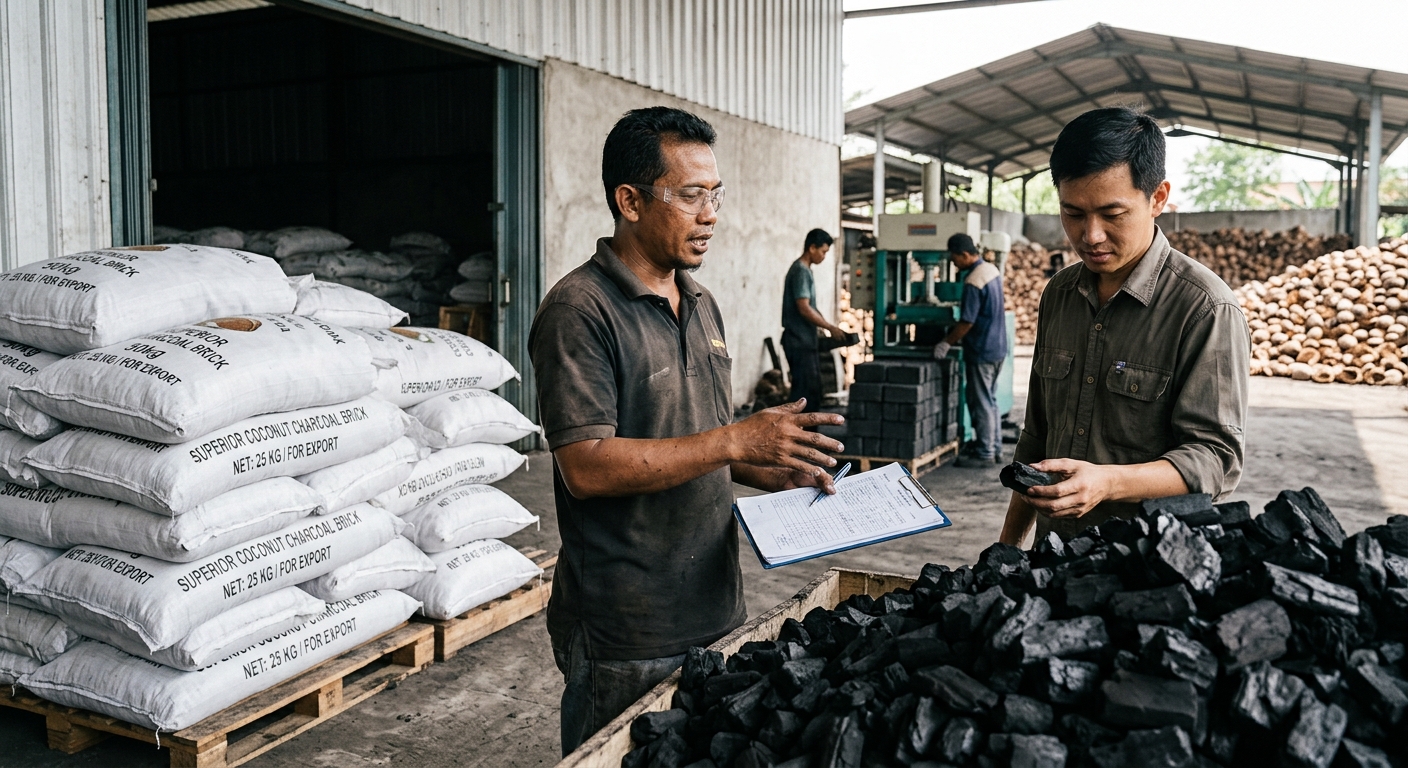
White-labeling and custom packaging significantly influence the final cost. Bulk packaging in 20kg woven bags is the most cost-effective. However, retail-ready inner boxes with full-color printing, plastic wrapping, and branded master cartons will increase the wholesale price per kilogram.
Global Market Overview and Pricing Trends
The market for coconut shell charcoal is heavily concentrated in Southeast Asia, with Indonesia being the undisputed leader in export volume. To truly understand the market, buyers must familiarize themselves with current pricing structures. For an in-depth look at current market rates, we recommend reading A Complete Guide to Wholesale Coconut Charcoal Briquettes Price.
Typical Wholesale Price Ranges
While prices fluctuate based on the factors mentioned above, here is a general overview of FOB (Free on Board) prices from major Southeast Asian manufacturers:
| Product Grade | Fixed Carbon | Ash Content | Estimated Price (USD/MT) |
|---|---|---|---|
| Premium Shisha Grade | > 80% | < 2.5% | $1,300 – $1,600 |
| Standard BBQ Grade | 70% – 75% | 4% – 6% | $900 – $1,100 |
| Industrial/Granular Grade | 65% – 70% | > 6% | $600 – $800 |
Note: Prices are estimates and subject to change based on global shipping rates, currency exchange fluctuations, and raw material availability.
How to Source Reliable Manufacturers
Finding a reliable manufacturer is about more than just securing the lowest price. It requires a strategic approach to ensure consistent quality and reliable supply chains.
1. Verify Factory Credentials
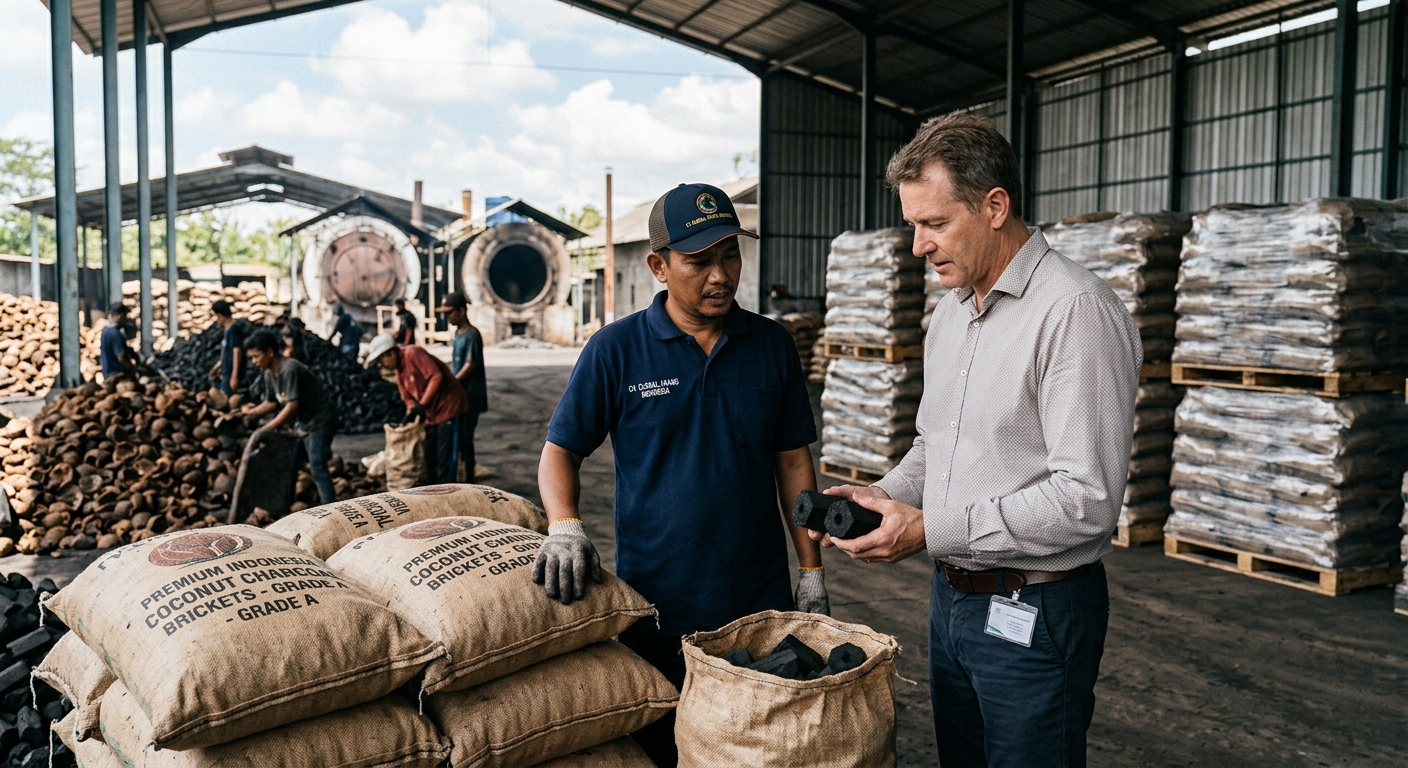
Always ask for factory registration documents, export licenses, and third-party laboratory test reports (such as SGS or Sucofindo). A reputable manufacturer will have no issue providing these documents to prove the quality of their coconut shell charcoal.
2. Request Samples
Before committing to a bulk order, request samples. Test the samples for burn time, ash color (white or light grey is preferred for premium grades), drop test durability, and ignition time. Keep in mind that sample quality can sometimes differ from bulk production, so regular quality control is necessary.
3. Understand Payment and Shipping Terms
Standard international trade terms apply. Most manufacturers require a 30% to 50% Telegraphic Transfer (T/T) deposit upfront, with the balance paid against the Bill of Lading (B/L) copy. Letters of Credit (L/C) may be accepted for very large orders, though they are less common for smaller wholesale transactions.
The Future of Coconut Shell Charcoal
The future looks incredibly promising for the coconut shell charcoal industry. As global regulations tighten regarding deforestation and carbon emissions, the shift toward sustainable biomass fuels will only accelerate. Manufacturers are continuously innovating, improving binder formulations, and optimizing supply chains to keep wholesale prices competitive while maintaining high environmental standards.
Conclusion
Navigating the coconut shell charcoal manufacturer wholesale prices requires a solid understanding of the production process, raw material sourcing, and global market trends. By prioritizing quality, verifying manufacturer credentials, and staying informed about market prices, businesses can secure reliable supplies of this premium, eco-friendly product. Whether you are supplying the burgeoning shisha market or providing sustainable BBQ solutions, coconut shell charcoal represents a lucrative and environmentally responsible business opportunity.
Frequently Asked Questions (FAQ)
What makes coconut shell charcoal better than wood charcoal?
Coconut shell charcoal is highly preferred because it is 100% sustainable, burns hotter and longer than most wood charcoals, produces very little ash, and emits no smoke or harsh odors, preserving the flavor of food or shisha.
Why do wholesale prices vary so much between suppliers?
Prices vary primarily due to the grade of the charcoal (fixed carbon and ash content), the sophistication of the manufacturing process, raw material seasonality, and the type of packaging requested by the buyer.
How can I ensure the quality of the wholesale charcoal I am buying?
Always request a Certificate of Analysis (COA) from an independent testing lab (like SGS), ask for physical samples to test yourself, and consider hiring a third-party inspection service to verify the goods before they are loaded into the shipping container.
What is the standard minimum order quantity (MOQ) for wholesale coconut charcoal?
Most manufacturers require a Minimum Order Quantity (MOQ) of one 20-foot shipping container, which typically holds around 17 to 18 metric tons of briquettes, depending on the packaging and palletizing requirements.