Introduction to Wholesale Coconut Charcoal Briquettes
The global demand for sustainable and high-performance charcoal has skyrocketed, leading businesses and consumers alike to turn toward wholesale coconut charcoal briquettes. Made from compacted coconut shells, these briquettes offer a cleaner, longer-lasting, and more environmentally friendly alternative to traditional wood charcoal. Whether you are in the BBQ industry, shisha lounge business, or retail distribution, understanding the dynamics of wholesale coconut charcoal can significantly impact your product quality and profit margins.
The Manufacturing Process of Coconut Charcoal
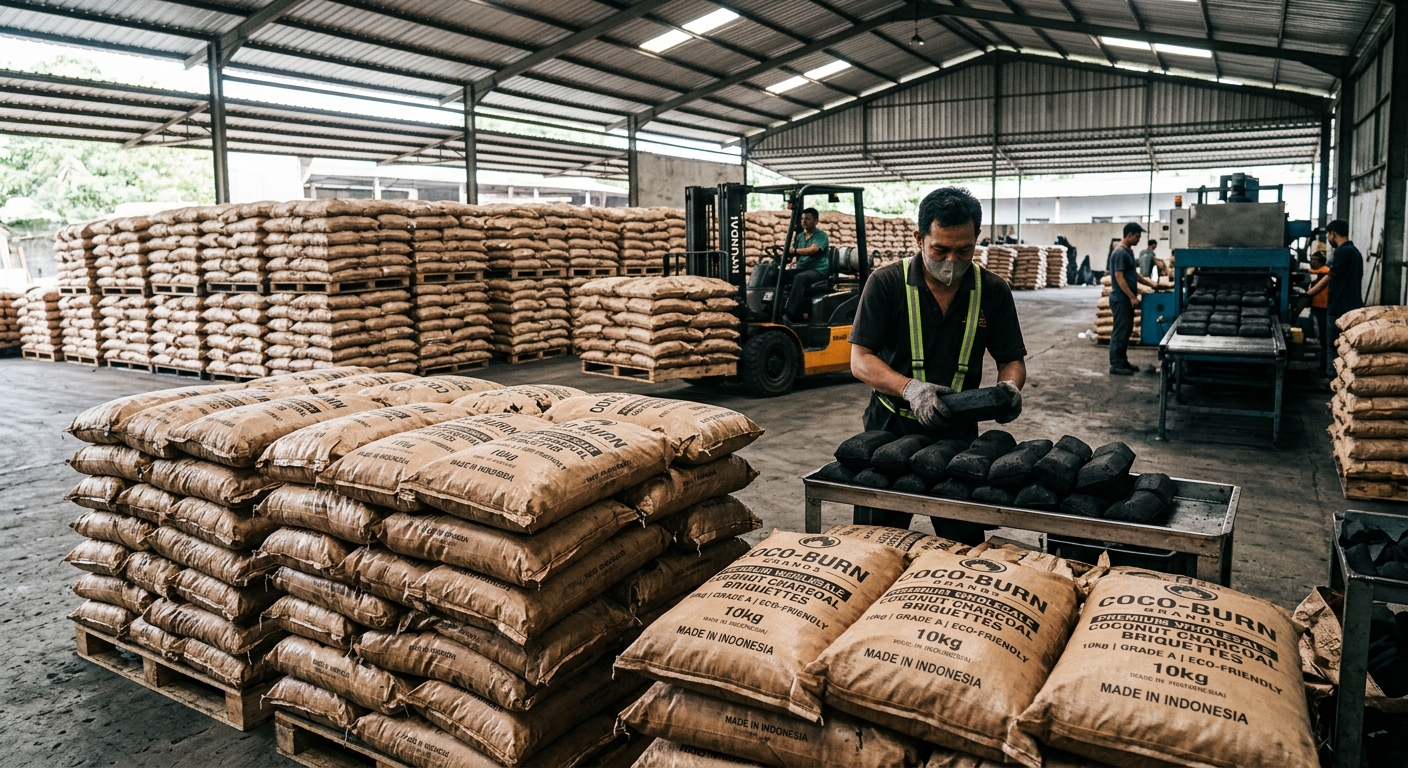
The creation of high-quality coconut charcoal briquettes is an intricate process that emphasizes sustainability and quality control. It begins with the collection of mature coconut shells, a byproduct of the coconut oil and desiccated coconut industries. These shells are first cleaned and dried to remove any impurities and moisture.
Next comes the carbonization phase, where the shells are burned in a controlled, oxygen-limited environment. This process converts the raw shells into carbonized charcoal. The carbonized material is then crushed into a fine powder and mixed with a natural binder, typically tapioca starch, to hold the shape. The mixture is extruded or pressed into various shapes, such as cubes, cylinders, or hexagonal logs. Finally, the briquettes undergo a rigorous drying process in industrial ovens to ensure they meet strict moisture content standards, which is crucial for achieving high heat and long burning times.
Benefits of Using Coconut Charcoal Briquettes
Coconut charcoal briquettes offer several distinct advantages over traditional lump charcoal or standard briquettes. These benefits make them highly sought after in both the culinary and hookah industries.
High Heat and Long Burn Time
One of the primary reasons professionals prefer coconut charcoal is its exceptional density. Because it is highly compressed, it burns significantly hotter and lasts longer than wood charcoal. A single batch can often burn for over two hours, making it ideal for slow-cooking barbecue or extended shisha sessions.
Low Ash Production
High-quality coconut charcoal produces minimal ash compared to other types. This not only means less mess to clean up afterward but also ensures that the ash does not interfere with airflow or temperature control during a smoking or grilling session. For an in-depth look at sourcing quality low-ash options, you can read the Low Ash Hookah Charcoal Supplier Guide: A Comprehensive Overview.
Odorless and Smokeless
When fully lit, premium coconut briquettes are virtually smokeless and odorless. They do not impart any unwanted flavors or chemicals into food or shisha tobacco, allowing the true flavors to shine through.
Eco-Friendly and Sustainable
Because these briquettes are made from a byproduct of the coconut industry, no trees are cut down to produce them. Utilizing coconut shells reduces agricultural waste and provides a sustainable fuel source that appeals to environmentally conscious consumers.
Below is a comparison of typical charcoal types used in the market based on average performance metrics.
| Charcoal Type | Average Burn Time (Mins) | Ash Content (%) | Smoke Level |
|---|---|---|---|
| Coconut Briquettes | 120 | 2.5 | Low |
| Hardwood Lump | 60 | 4.0 | Medium |
| Standard Sawdust Briquettes | 90 | 6.0 | High |
Applications of Coconut Charcoal
Wholesale coconut charcoal briquettes are versatile and cater to various global markets.
Barbecue and Grilling
For BBQ enthusiasts and commercial kitchens, the high, consistent heat is perfect for grilling meats to perfection. The lack of chemical binders means no foul taste is transferred to the food.
Shisha and Hookah
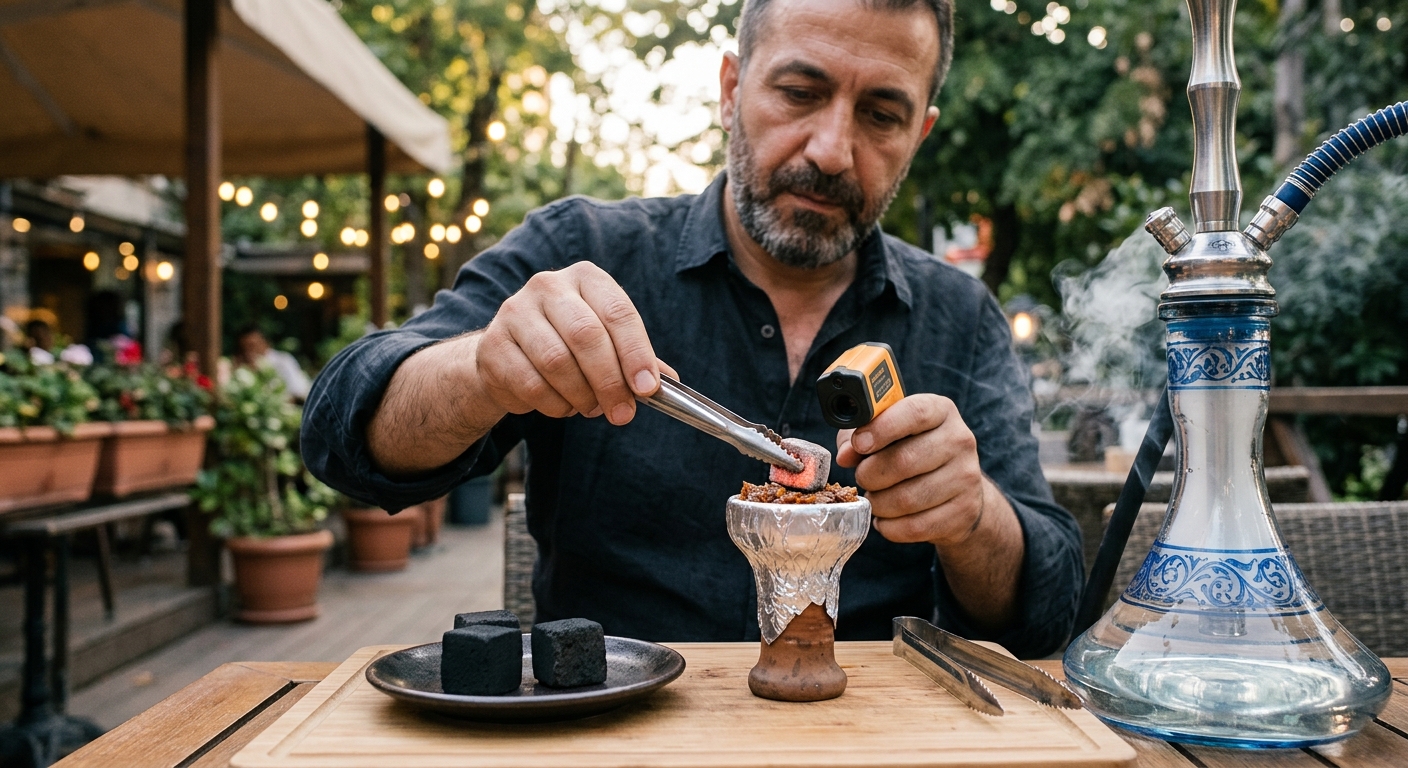
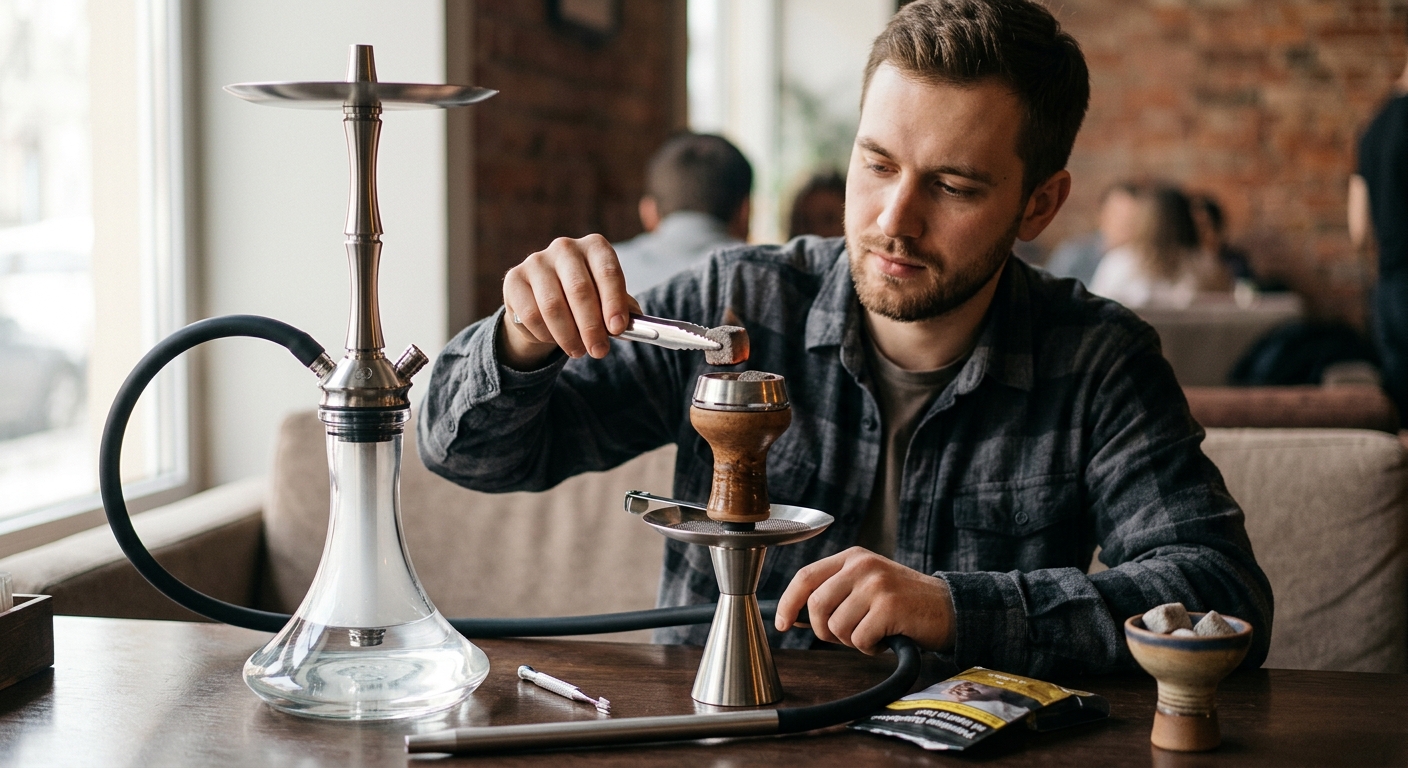
In the world of hookah, heat management is everything. Coconut charcoal cubes are the gold standard because they provide steady heat without altering the flavor of the shisha. If you are new to the scene and want to learn more about the culture surrounding shisha, check out Hookah Etiquette for Beginners: A Complete Guide to Shisha Culture.
How to Source Wholesale Suppliers
Sourcing reliable wholesale coconut charcoal briquettes requires due diligence. When evaluating potential suppliers, primarily located in top producing countries like Indonesia, the Philippines, and Sri Lanka, consider the following factors:
- Quality Specifications: Ask for lab test reports detailing moisture content, fixed carbon, volatile matter, and ash percentage.
- Production Capacity: Ensure the factory can meet your volume requirements consistently throughout the year.
- Certifications: Look for suppliers with necessary export certifications, quality management systems (like ISO), and sustainability credentials.
- Sample Testing: Always request samples to conduct your own burn tests before committing to a large container order.
Conclusion
Wholesale coconut charcoal briquettes represent a premium, eco-friendly solution for heating and smoking applications worldwide. By understanding the manufacturing process, recognizing the clear benefits, and knowing how to properly vet suppliers, businesses can secure high-quality products that satisfy their customers and bolster their bottom line. As sustainability becomes increasingly important, the shift towards coconut shell charcoal is a smart and environmentally responsible business move.
Frequently Asked Questions
What are coconut charcoal briquettes made of?
They are primarily made from carbonized coconut shells that are crushed into powder, mixed with a natural binder like tapioca starch, and pressed into specific shapes.
How long do coconut charcoal briquettes burn?
Depending on the size and shape, premium coconut charcoal briquettes can burn anywhere from 1.5 to 2.5 hours, providing consistent and high heat throughout.
Are coconut briquettes better than wood charcoal?
Yes, for most applications. They burn hotter, last longer, produce less ash, and do not emit smoke or odors that can taint the flavor of food or shisha. They are also much more sustainable since no trees are felled to produce them.
Where is the best place to source wholesale coconut charcoal?
Indonesia is currently the largest and most renowned producer of high-quality coconut charcoal, followed by other tropical nations with abundant coconut industries like the Philippines and Sri Lanka.