Introduction to Natural Hookah Coals Wholesale Suppliers
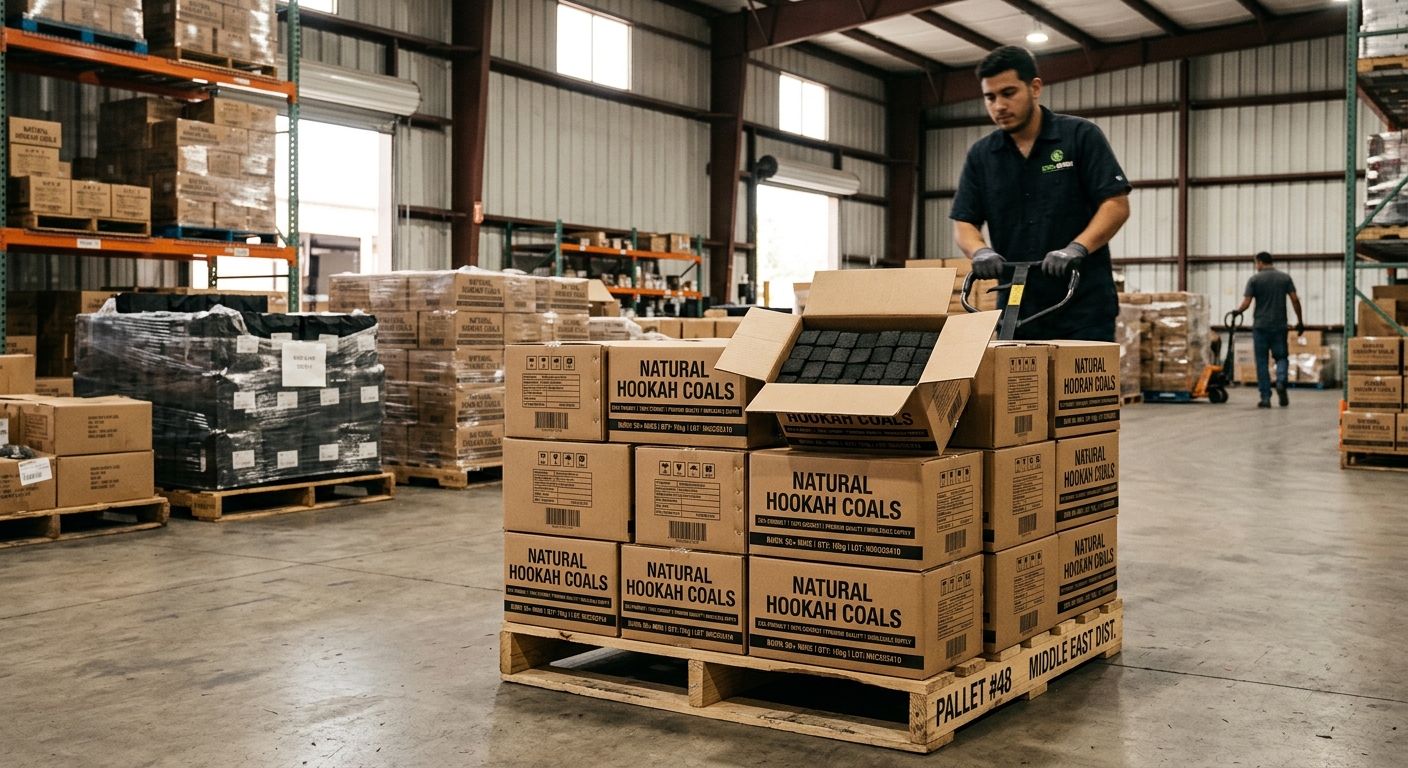
In the evolving world of shisha and hookah smoking, the quality of the coal used can significantly impact the overall experience. For lounges, retailers, and distributors, partnering with a reliable natural hookah coals wholesale supplier is a critical business decision. Natural coals, typically made from coconut shells or wood, offer a cleaner, longer-lasting burn compared to their quick-light counterparts. This article delves into the intricacies of sourcing natural hookah coals at wholesale, understanding the market, and ensuring you provide the best possible product to your customers.
The Rise of Natural Hookah Coals
Over the past decade, there has been a massive shift in consumer preference from quick-light coals to natural coals. Enthusiasts appreciate that natural coals do not contain the chemical accelerants found in quick-lights, which can alter the flavor of the shisha tobacco. A reputable natural hookah coals wholesale supplier will provide products that burn hotter, last longer, and produce significantly less ash.
Why Choose Natural Over Quick-Light?
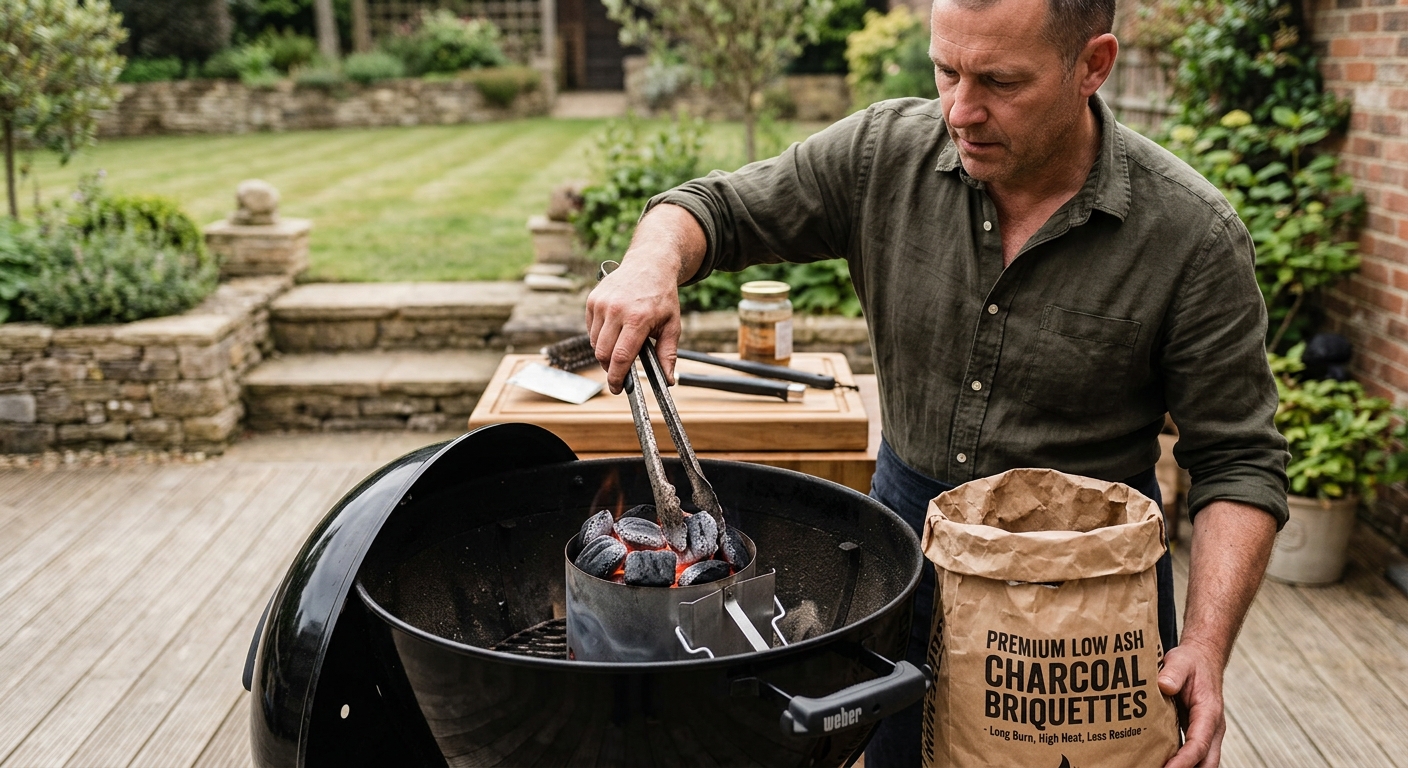
Natural coals are favored for several reasons. Firstly, they are environmentally friendly, often utilizing by-products like coconut shells that would otherwise go to waste. Secondly, they provide a pure, unadulterated flavor profile for the shisha. Because they lack chemical accelerants, lighting them requires specific techniques and equipment, such as a single coil burner. If you or your customers are new to this process, understanding How to Light Hookah Charcoal: A Comprehensive Guide is essential for a perfect session.
Identifying a Quality Wholesale Supplier
When searching for a natural hookah coals wholesale supplier, several factors must be evaluated to ensure a successful partnership. Quality consistency, supply chain reliability, and competitive pricing are at the forefront of these considerations.
Consistent Quality and Manufacturing Standards
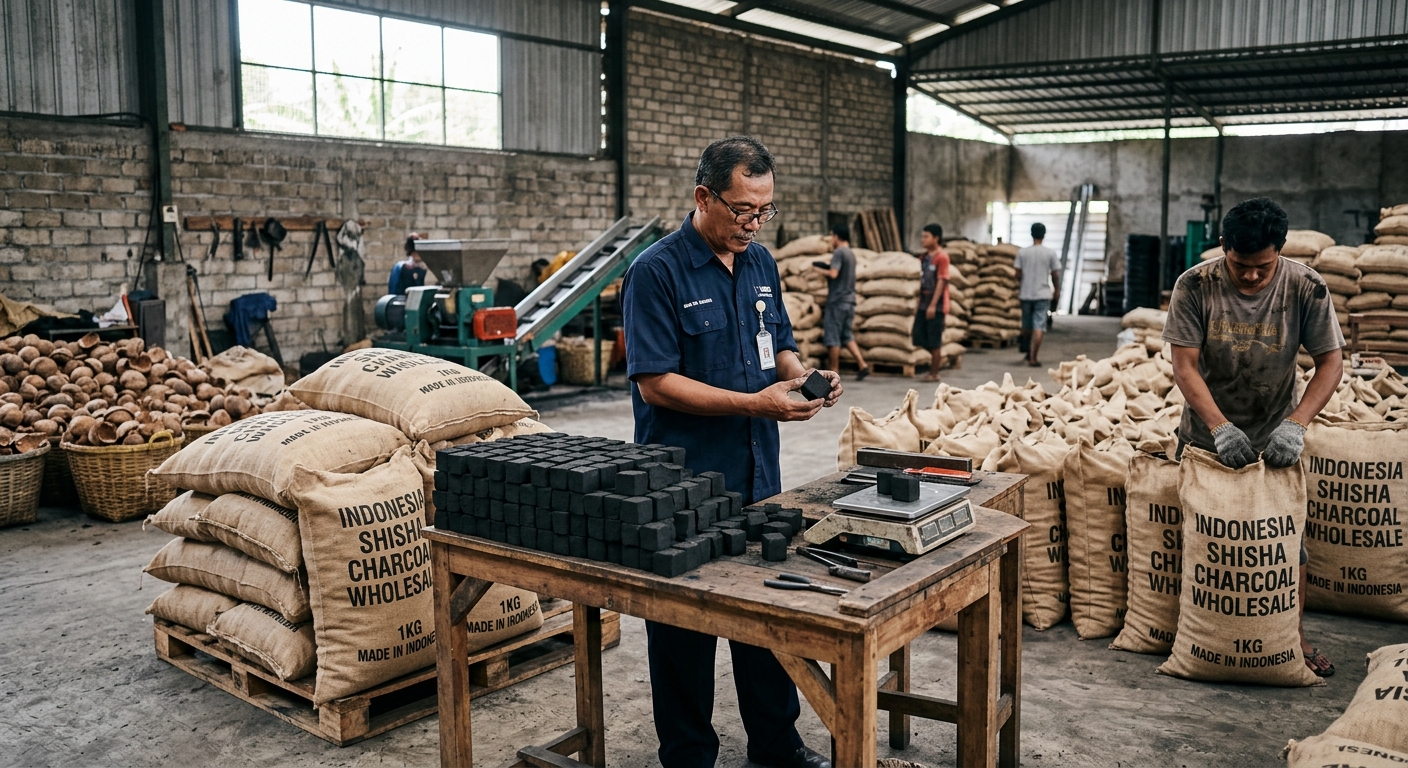
The best suppliers adhere to strict manufacturing standards. This involves proper carbonization of the raw materials, precise mixing with natural binders, and high-pressure pressing to ensure the coals do not easily break or crumble. As a buyer, you should request samples to test the burn time, heat output, and ash production. A high-quality coconut coal should yield less than 3% ash.
Supply Chain and Logistics
A reliable supplier must have a robust supply chain. Delays in shipping can lead to stockouts, which directly impact your revenue. Look for suppliers who have clear communication regarding lead times, shipping methods, and minimum order quantities (MOQs). Establish whether the supplier handles customs clearance if you are importing internationally, or if you need to hire a customs broker.
Below is a comparison of common types of natural hookah coals you might source from a supplier.
| Coal Type | Raw Material | Average Burn Time | Ash Production |
|---|---|---|---|
| Coconut Coals | Coconut Shells | 90 – 120 minutes | Low (< 3%) |
| Lemonwood Coals | Citrus Wood | 60 – 90 minutes | Medium |
| Bamboo Coals | Bamboo | 45 – 60 minutes | High |
Lighting Natural Hookah Coals
One of the main educational hurdles for consumers transitioning to natural coals is the lighting process. Since these coals lack chemical accelerants, they cannot be lit with a standard cigarette lighter. Providing your customers with proper instructions is a value-add that sets your business apart.
For those looking to maintain the absolute purity of their session, avoiding chemical starters is paramount. You can provide resources to your clients on How to Light Charcoal Without Lighter Fluid: A Professional Guide to ensure they get the best possible flavor from the natural coals you supply.
Building a Long-Term Wholesale Relationship
Securing a good price is only the first step. Building a long-term relationship with your natural hookah coals wholesale supplier guarantees priority during peak seasons and potential flexibility with payment terms. Regular communication, providing feedback on batches, and understanding market trends together will foster a mutually beneficial partnership.
Conclusion
Sourcing natural hookah coals from a reputable wholesale supplier is a vital step for any business in the hookah industry. By understanding the benefits of natural coals, evaluating suppliers based on quality and logistics, and educating your customers on proper lighting techniques, you can ensure a superior smoking experience that drives customer loyalty and business growth.
Frequently Asked Questions
What are natural hookah coals made of?
Natural hookah coals are predominantly made from compressed coconut shells. Other variations can include lemonwood, orangewood, or bamboo, all bound together using natural starches without any chemical accelerants.
How long do natural coconut coals typically last?
High-quality natural coconut coals generally last between 90 to 120 minutes per session, depending on how frequently the hookah is drawn and the heat management devices used.
Why should I buy hookah coals wholesale?
Buying wholesale significantly reduces the cost per unit, allowing for better profit margins for retailers and lounges. It also ensures you have a consistent supply of product to meet customer demand.
Do natural coals expire?
Natural coals do not expire, but they can absorb moisture from the air, which makes them difficult to light and causes them to burn poorly. They should always be stored in a cool, dry place.

2 thoughts on “Natural Hookah Coals Wholesale Supplier: A Comprehensive Guide”