Introduction to Importing Charcoal from Indonesia
Indonesia has emerged as one of the world’s leading producers of high-quality charcoal, particularly coconut shell charcoal. With its vast natural resources and established manufacturing infrastructure, the country offers exceptional opportunities for international buyers. Whether you are looking for shisha briquettes, barbecue charcoal, or industrial carbon products, understanding how to import charcoal from Indonesia is crucial for establishing a successful supply chain.
This comprehensive guide will walk you through the essential steps of importing Indonesian charcoal, from finding reliable suppliers and ensuring product quality to navigating international shipping regulations and customs clearance.
Understanding the Indonesian Charcoal Market
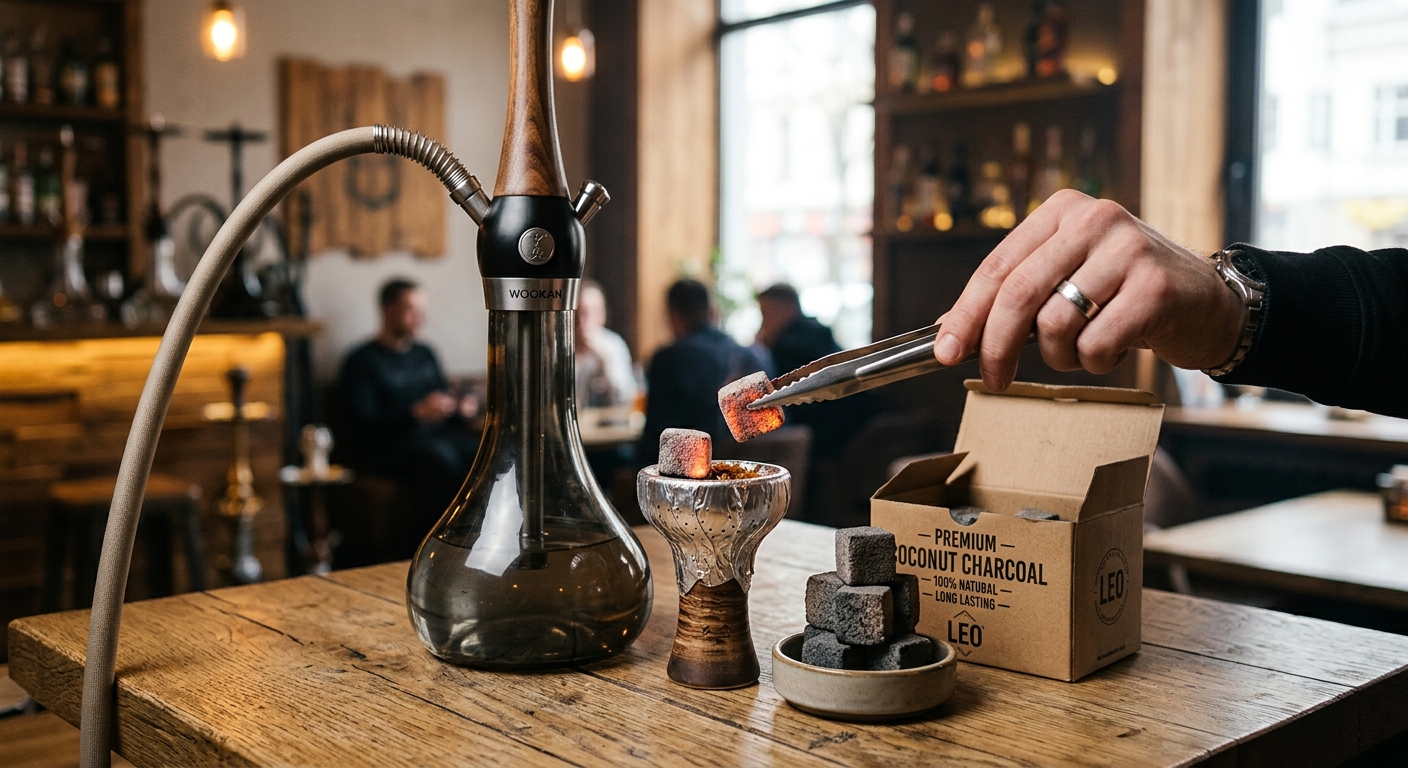
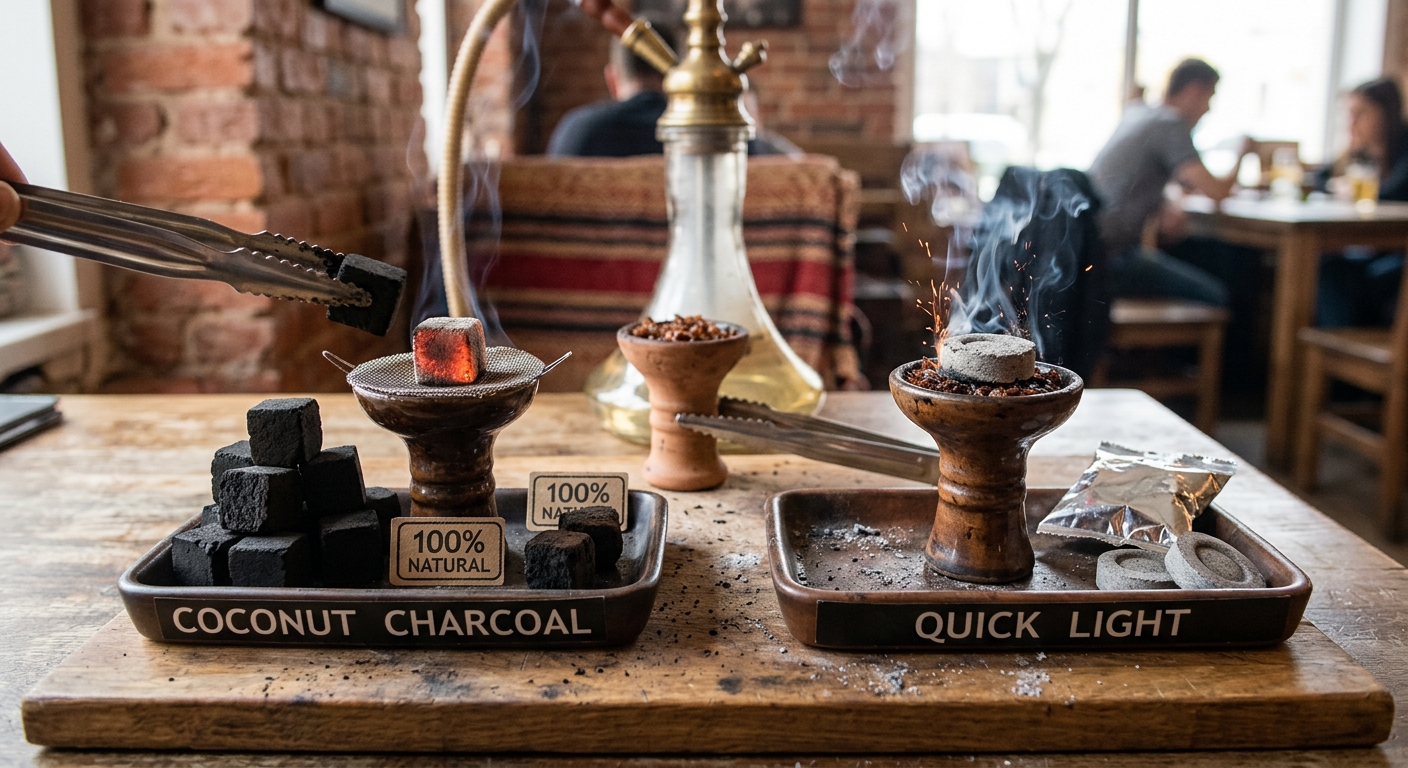
Before diving into the import process, it is important to understand what makes Indonesian charcoal highly sought after globally. The country specializes in coconut shell charcoal, known for its high heat output, low ash content, and long burning time. This makes it particularly popular in the shisha and barbecue industries.
When exploring the market, you will find various grades and specifications. To make informed purchasing decisions, especially for bulk buying, we highly recommend reading Indonesian Coconut Charcoal Briquettes Wholesale: The Ultimate B2B Sourcing Guide. This resource provides invaluable insights into navigating the wholesale landscape.
Step 1: Sourcing Reliable Suppliers
Finding a trustworthy supplier is the most critical step in the import process. A reliable manufacturer will not only provide consistent quality but also ensure proper documentation and timely delivery.
- Trade Shows: Attend international trade exhibitions focusing on agriculture, exports, and hookah products.
- Online Directories: Utilize established B2B platforms, but always conduct due diligence to verify factory credentials.
- Direct Contact: Reach out directly to reputable manufacturers. For premium sourcing, consider partnering with a trusted supplier to guarantee high standards.
Verifying Supplier Credentials
Always ask for company registration documents, export licenses, and third-party laboratory test reports. A legitimate factory will gladly provide these documents and welcome factory visits or third-party inspections.
Step 2: Defining Quality Specifications
Charcoal quality varies significantly based on raw materials and production methods. When placing an order, clearly define your specifications to the supplier.
| Specification | Ideal Range for Shisha | Ideal Range for BBQ |
|---|---|---|
| Moisture Content | Max 5% | Max 8% |
| Ash Content | Max 2.5% | Max 5% |
| Volatile Matter | 12% – 15% | 15% – 20% |
| Fixed Carbon | Min 75% | Min 70% |
| Burning Time | 90 – 120 minutes | 2 – 4 hours |
For buyers specifically interested in the hookah market, understanding what makes a premium product is vital. You can learn more by checking out The Ultimate Guide to the Best Coconut Charcoal Briquettes for Hookah.
Step 3: Navigating Shipping and Logistics
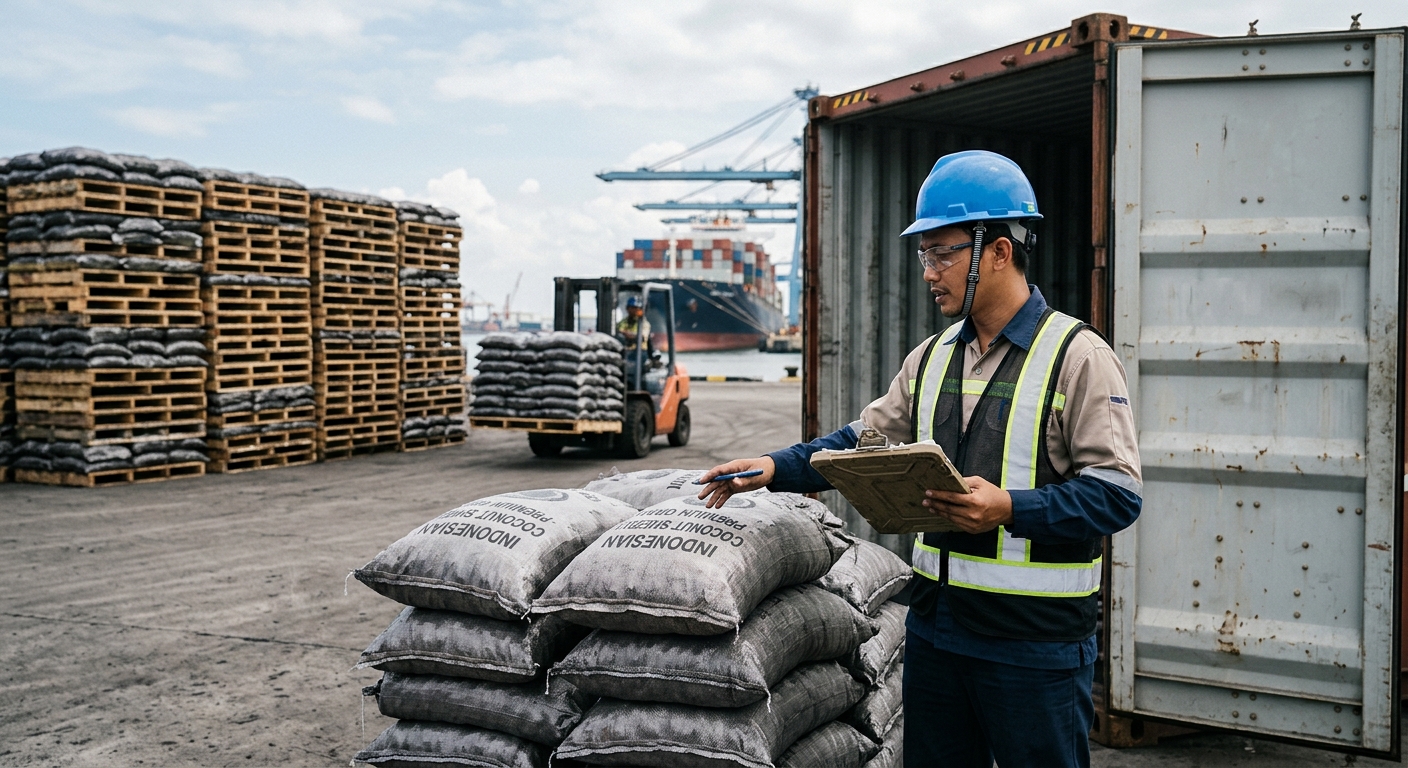
Shipping charcoal internationally requires specialized knowledge because it is often classified as a Dangerous Good (DG) under the IMDG Code (Class 4.2: Substances liable to spontaneous combustion). However, properly manufactured and tested coconut charcoal can be shipped as non-hazardous if it passes the Self-Heating Test (SHT).
Essential Documentation
- Commercial Invoice: Detailing the transaction value.
- Packing List: Specifying the quantity, weight, and dimensions of the shipment.
- Bill of Lading (B/L): The official shipping document.
- Certificate of Origin: Issued by the Indonesian government (e.g., Form A, Form D, or Certificate of Origin).
- MSDS (Material Safety Data Sheet): Documenting the physical and chemical properties of the charcoal.
- SHT (Self-Heating Test) Report: Required by shipping lines to prove the cargo is safe for transport.
- Vanning Certificate: Issued after a surveyor inspects the container loading process.
Partnering with a freight forwarder experienced in handling charcoal from Indonesia will significantly streamline this process and prevent costly delays at the port.
Step 4: Customs Clearance and Import Duties
Once your shipment arrives at the destination port, it must clear customs. Regulations and import duties vary widely by country. It is highly recommended to consult with a local customs broker before the cargo departs Indonesia.
Ensure your HS Code (Harmonized System Code) is correctly applied. The standard HS code for wood charcoal (including shell or nut charcoal) is 4402.90. Incorrect classification can lead to penalties or cargo confiscation.
Maximizing the Value of Your Imported Charcoal
Once you have successfully imported your charcoal, educating your customers on its best use can drive repeat business. For instance, if you supply hookah lounges or retail consumers, sharing tips on proper usage enhances the user experience. A great resource to share with your clients is How to Pack a Hookah Bowl for Thick Clouds: The Ultimate Guide.
Conclusion
Importing charcoal from Indonesia can be a highly profitable venture if executed correctly. By understanding the market, thoroughly vetting suppliers, maintaining strict quality control, and navigating the complex shipping regulations, you can build a sustainable and reliable supply chain. Always prioritize transparency and communication with your Indonesian partners, and do not hesitate to employ third-party inspection services to safeguard your investments. With careful planning and due diligence, you can successfully tap into Indonesia’s premium charcoal offerings.
Frequently Asked Questions (FAQ)
What is the minimum order quantity (MOQ) for importing charcoal from Indonesia?
Typically, the standard MOQ for importing charcoal is one 20-foot container, which holds approximately 18 to 19 metric tons of briquettes depending on the packaging. Some suppliers may accept smaller trial orders, but shipping LCL (Less than Container Load) for charcoal is extremely difficult due to safety regulations.
Why is coconut shell charcoal preferred over wood charcoal?
Coconut shell charcoal is preferred because it burns hotter, lasts longer, and produces significantly less ash and smoke compared to traditional wood charcoal. Furthermore, it is an eco-friendly option as it utilizes agricultural waste (coconut shells) rather than requiring the cutting down of trees.
How long does it take to ship charcoal from Indonesia?
The total time depends on the destination. Production usually takes 2 to 4 weeks. Transit times via ocean freight generally range from 15 to 25 days to the Middle East, 30 to 45 days to Europe, and 35 to 50 days to North America. Always factor in potential customs clearance time at the destination port.