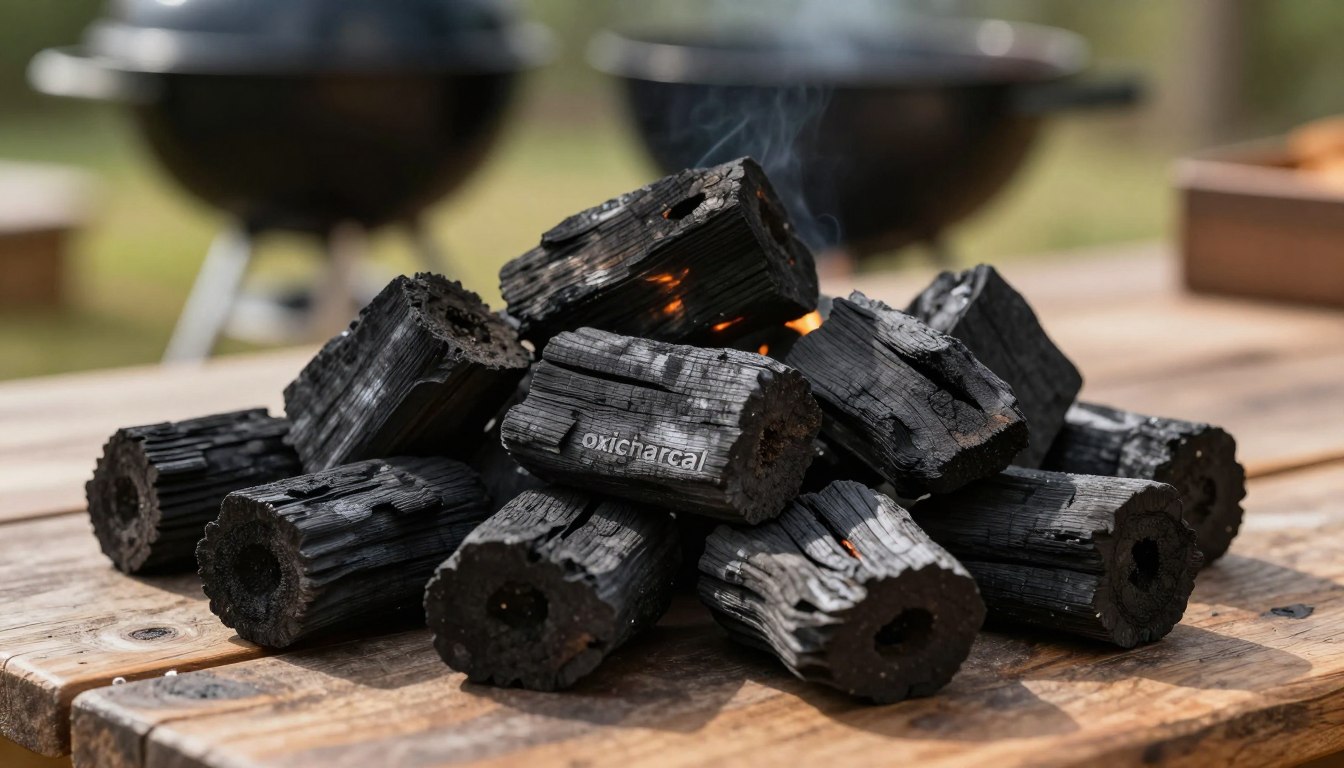
There is nothing quite like the smell of a backyard cookout to signal the start of summer. For many Americans, the secret to that perfect, smoky flavor lies in the fuel they choose for their grill. Using high-quality charcoal briquettes is the most reliable way to ensure consistent heat and delicious results every single time you cook outdoors.
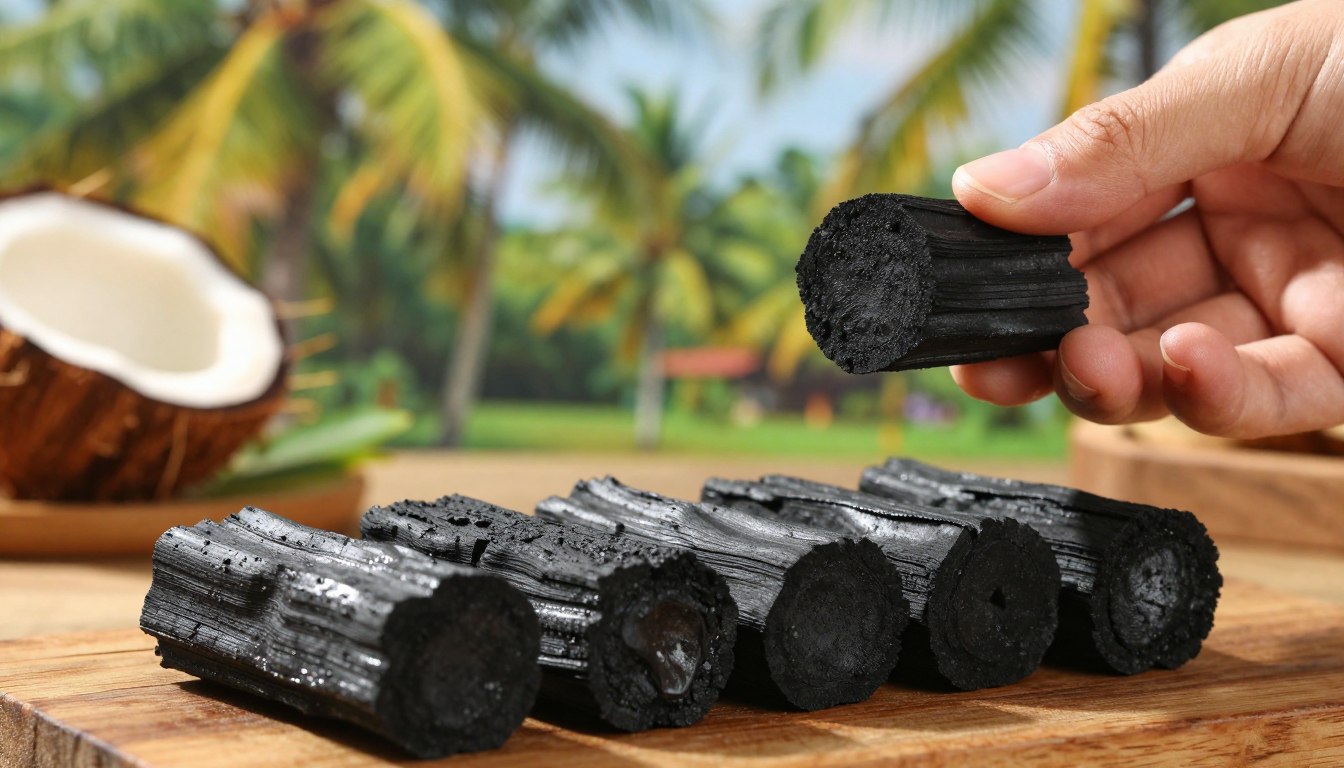
These compressed fuel sources have become a staple in our culture because they offer a steady burn that gas grills simply cannot replicate. Whether you are hosting a weekend party or enjoying a quiet dinner, mastering your fire is the first step toward becoming a true pitmaster. If you are looking for sustainable options, you can explore premium coconut charcoal briquettes that provide an eco-friendly and long-lasting burn for your favorite meals.
Understanding your fuel is essential for anyone wanting to elevate their grilling game. By choosing the right materials, you gain better control over your cooking temperature and flavor profile. We are here to help you feel confident and prepared to master your grill with ease.
Key Takeaways
- Charcoal briquettes provide a consistent and reliable heat source for outdoor cooking.
- They are a fundamental element of American backyard grilling culture.
- Using high-quality fuel helps you achieve a superior smoky flavor in your food.
- Sustainable options like coconut-based products offer an eco-friendly alternative for enthusiasts.
- Mastering your fuel choice is the first step toward becoming a confident home griller.
What Are Charcoal Briquettes?
When you fire up your grill, have you ever wondered what exactly makes up those uniform black chunks? While they may look simple, these fuel sources are the result of careful engineering designed to provide a consistent and reliable burn for your favorite meals.
Definition and Composition
At their core, charcoal briquettes are a manufactured fuel product. They consist of a precise mixture of charcoal dust, binders—often natural starches like cornstarch—and various additives that help control ignition and burn time.
Unlike traditional lump charcoal, which is simply charred wood, these briquettes are compressed into uniform shapes. This uniformity is essential because it ensures that every piece provides the same amount of heat. Because of this, they are often preferred by beginners who want predictable results during their cooking sessions.
History of Charcoal Briquettes
The story of this popular fuel dates back to the early 20th century in the United States. Industrial innovators sought a way to utilize the wood scraps and sawdust generated by the booming automotive industry. By compressing these waste materials, they created a highly efficient fuel source that changed backyard cooking forever.
This innovation allowed for mass production and widespread distribution, making grilling accessible to the average household. Today, the manufacturing process has evolved, but the fundamental goal remains the same: providing a steady, long-lasting heat source for outdoor enthusiasts.
| Feature | Lump Charcoal | Charcoal Briquettes |
|---|---|---|
| Shape | Irregular | Uniform |
| Burn Time | Short/Hot | Long/Steady |
| Ash Content | Low | Higher |
| Consistency | Variable | High |
How Are Charcoal Briquettes Made?
The journey from forest waste to your backyard barbecue is a fascinating feat of modern engineering. While many people simply toss these fuel blocks onto a fire, the science behind their creation ensures a consistent and reliable burn every time you cook.
The Manufacturing Process
The production begins by carbonizing wood waste, such as sawdust and wood chips, in a low-oxygen environment. This process, known as pyrolysis, turns raw wood into char. Once the char is created, it is crushed into a fine powder to ensure uniformity.
Manufacturers then mix this char with specific binders and additives to create a dough-like consistency. This mixture is pressed into molds to form the familiar shape of charcoal briquettes. Finally, the blocks undergo a drying process to remove excess moisture, which guarantees they ignite easily and maintain their structural integrity during transport.
Ingredients Used in Production
The quality of your fuel depends heavily on the raw materials selected during production. While wood remains the primary source, other components are added to improve performance and burn time. Careful selection of these ingredients is what separates premium products from standard options.
| Ingredient | Primary Function | Impact on Performance |
|---|---|---|
| Wood Char | Main Fuel Source | Provides heat and smoky flavor |
| Starch Binder | Structural Integrity | Prevents crumbling during handling |
| Mineral Additives | Burn Rate Control | Ensures even, long-lasting heat |
| Sawdust/Chips | Base Material | Creates the bulk of the briquette |
By balancing these ingredients, producers create high-performance fuel that delivers predictable results for every meal. Whether you are a casual griller or a pitmaster, understanding how these charcoal briquettes are crafted helps you appreciate the technology behind your favorite outdoor cooking tool.
Types of Charcoal Briquettes
Your choice of fuel significantly impacts the flavor and performance of your outdoor cooking. Whether you are a weekend griller or a seasoned pro, understanding the differences between various charcoal briquettes is vital for success.
Natural vs. Chemical Briquettes
When shopping for fuel, you will encounter two main categories. Standard varieties often contain chemical accelerants designed to help them light quickly, which can sometimes impart a slight chemical aroma to your food.
In contrast, natural charcoal briquettes are crafted using organic binders like vegetable starch. These options provide a cleaner burn, ensuring that the authentic taste of your meat or vegetables remains the star of the show. For those seeking premium quality, exploring options at charcoal briquettes can elevate your grilling experience significantly.
Different Shapes and Sizes
The physical form of your fuel plays a major role in how your grill performs. Traditional pillow-shaped briquettes are designed for consistent heat distribution, making them ideal for long, slow cooking sessions.
Alternatively, hexagonal or cylindrical shapes are engineered to improve airflow within the firebox. These shapes often burn hotter and faster, which is perfect for searing steaks or quick-cooking items. Choosing the right geometry helps you manage your grill temperature with much greater precision.
| Feature | Natural Briquettes | Chemical Briquettes |
|---|---|---|
| Binder Type | Organic/Starch | Synthetic/Chemical |
| Lighting Speed | Moderate | Fast |
| Flavor Profile | Clean/Neutral | Potential Chemical Notes |
| Best Use | Low and Slow | Quick Grilling |
Benefits of Using Charcoal Briquettes
Grilling enthusiasts often turn to charcoal briquettes because they offer a unique combination of flavor and heat control. Whether you are a weekend warrior or a seasoned pitmaster, these fuel sources provide a reliable foundation for every meal. By choosing high-quality charcoal briquettes, you ensure that your outdoor cooking experience remains both enjoyable and productive.
Enhanced Flavor in Grilling
One of the primary reasons people choose charcoal briquettes for grilling is the distinct, smoky profile they impart to food. As the briquettes burn, they release natural compounds that infuse meats and vegetables with an authentic, wood-fired taste. This depth of flavor is difficult to replicate with gas or electric alternatives.
The slow-burning nature of these briquettes allows the smoke to penetrate the food effectively. This process creates a delicious crust on steaks and adds a savory complexity to grilled vegetables. It is this sensory experience that keeps many chefs coming back to charcoal time and time again.
Consistent Heat Generation
Beyond flavor, the uniform density of these briquettes is a major advantage for temperature management. Because each piece is manufactured to be nearly identical in size and shape, they burn at a predictable rate. This consistency is vital for maintaining steady temperatures during long, slow-cooking sessions like smoking a brisket or roasting a whole chicken.
You will find that managing your grill becomes much easier when your fuel source provides a stable heat output. This reliability reduces the need for constant adjustments, allowing you to focus on your culinary technique. The following table highlights why many prefer this method for their backyard gatherings.
| Feature | Charcoal Briquettes | Lump Charcoal | Gas Grilling |
|---|---|---|---|
| Heat Consistency | High | Moderate | Very High |
| Flavor Profile | Smoky/Rich | Woody/Intense | Neutral |
| Burn Time | Long | Short | Variable |
| Ease of Use | Easy | Moderate | Very Easy |
How to Choose the Right Charcoal Briquettes
Selecting the right charcoal briquettes is the first step toward achieving that perfect smoky flavor. While it might seem like a simple purchase, the quality of your fuel dictates how well your food cooks and how much effort you spend managing the grill.
When you buy charcoal briquettes online or at your local store, you want to ensure you are getting a product that supports your culinary goals. High-quality fuel provides a steady, reliable heat source that makes every barbecue session more enjoyable.
Factors to Consider
The most important aspect to evaluate is the burn time of the product. You want briquettes that maintain a consistent temperature for the duration of your cook, especially for slow-smoked meats.
Another critical factor is the amount of ash production. Excessive ash can clog your grill vents and restrict airflow, which makes temperature control difficult. Look for options that burn cleanly to keep your equipment in top shape.
Finally, check the packaging for chemical additives. Many enthusiasts prefer natural ingredients to ensure that no unwanted flavors or odors transfer to their food. You can find excellent, clean-burning options at charcoal briquettes providers who prioritize quality and sustainability.
Popular Brands to Look For
Finding the best charcoal briquettes often involves testing a few industry favorites. Brands like Kingsford and Weber are widely recognized for their reliability and consistent performance across various grill types.
If you are looking for affordable charcoal briquettes, many store-brand options offer great value without sacrificing too much heat output. It is often helpful to read recent reviews to see how these products perform in real-world conditions.
Ultimately, the best charcoal briquettes are those that fit your specific cooking style and budget. By focusing on these key factors, you can easily find affordable charcoal briquettes that deliver professional results every time you fire up the grill.
Safety Tips When Using Charcoal Briquettes
Safety is the most important ingredient in any successful outdoor cooking session involving charcoal. While grilling is a fun way to enjoy a meal with family and friends, it involves open flames that demand your full attention. By following a few simple protocols, you can ensure that your time at the grill remains completely worry-free.
Proper Handling and Storage
To maintain the quality of your fuel, you must store your charcoal briquettes in a cool, dry environment. Moisture is the enemy of a good fire, as damp fuel will struggle to ignite and may produce excessive smoke. Always keep your bags sealed tightly or transfer the contents to a weather-resistant container.
When handling the fuel, try to avoid creating excessive dust, which can be an irritant. If you are looking for high-quality options that burn cleanly, you might explore the premium selections available at charcoal briquettes providers. Proper storage not only protects your investment but also ensures that your next cookout starts without a hitch.
Precautions During Use
Before you strike a match, ensure your grill is placed on a stable, non-combustible surface like concrete or stone. Never set up your grill on a wooden deck or near low-hanging branches, as stray sparks can easily ignite nearby materials. Keeping a safe distance from flammable structures is a non-negotiable rule for every grill master.
Always keep a fire extinguisher or a bucket of sand nearby just in case of an emergency. It is also wise to monitor wind conditions, as gusts can carry embers toward unintended targets. By staying vigilant, you create a secure environment where you can focus on the delicious flavors of your meal.
| Safety Action | Reasoning | Frequency |
|---|---|---|
| Check for leaks | Prevent gas buildup | Every use |
| Clear debris | Avoid fire hazards | Before lighting |
| Monitor flames | Maintain control | During cooking |
| Cool completely | Prevent accidental fires | After grilling |
How to Light Charcoal Briquettes
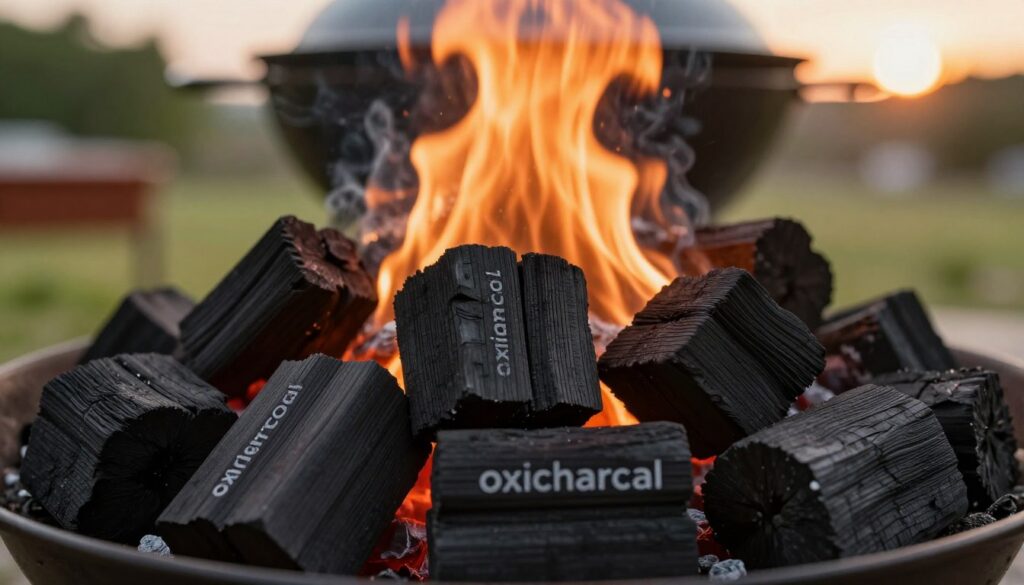
Mastering the ignition process is the secret to achieving a perfect, even bed of glowing coals every time you cook. While many people reach for lighter fluid, there are much cleaner and more sustainable ways to prepare your charcoal briquettes for a delicious meal. By choosing the right technique, you ensure that no chemical odors interfere with the natural flavor of your food.
Different Methods for Ignition
You can ignite your fuel using several reliable methods that avoid harsh chemicals. One popular approach involves using natural fire starters, such as wax-coated wood shavings or compressed sawdust cubes. These items burn long enough to catch the charcoal briquettes without leaving behind any unpleasant residue.
Another effective technique is the use of an electric charcoal starter. This tool uses a heating element to generate intense heat, which quickly ignites the fuel through direct contact. For those who prioritize efficiency and eco-friendly practices, exploring high-quality options at charcoal briquettes providers can make a significant difference in your grilling results.
Using a Chimney Starter
The chimney starter is widely considered the gold standard for lighting fuel quickly and evenly. This simple metal cylinder uses the physics of airflow to create a concentrated heat source. To use it, fill the top section with your desired amount of fuel and place a piece of crumpled newspaper or a fire starter cube in the bottom chamber.
Once you light the paper, the rising heat will naturally draw air through the bottom, causing the coals to ignite rapidly. After about 15 to 20 minutes, the top layer of the charcoal briquettes will show a light coating of gray ash, signaling they are ready to be poured into your grill. This method guarantees a consistent temperature across your entire cooking surface.
| Method | Ease of Use | Time Required | Eco-Friendly |
|---|---|---|---|
| Chimney Starter | High | 15-20 Mins | Yes |
| Electric Starter | Very High | 10-15 Mins | Yes |
| Natural Cubes | Medium | 20-25 Mins | Yes |
Best Practices for Grilling with Charcoal Briquettes
Grilling with charcoal briquettes is a rewarding skill that transforms simple ingredients into culinary masterpieces. While the process might seem straightforward, mastering the heat is what separates a casual cook from a true pitmaster. By using high-quality products like those found at charcoal briquettes, you ensure a consistent foundation for every meal.
Temperature Control Techniques
Managing your grill vents is the most effective way to regulate airflow and heat. Opening the vents wider allows more oxygen to reach the coals, which increases the temperature rapidly. Conversely, closing them partially restricts airflow, allowing you to maintain a steady, lower heat for longer cooking sessions.
You should also master the art of zone cooking to handle different food types. Arrange your charcoal briquettes for grilling in a single layer for direct heat, which is perfect for searing steaks. For thicker cuts that require slow cooking, move the coals to one side to create an indirect heat zone, preventing the exterior from burning before the inside is done.
Cooking Times with Charcoal
Understanding cooking times is essential to avoid the common pitfalls of undercooking or charring your food. Because charcoal heat can fluctuate, it is wise to use a digital meat thermometer to verify internal temperatures rather than relying solely on the clock. Patience is your best tool when working with thicker proteins.
The following table provides a general guide to help you achieve professional results with your charcoal briquettes for grilling:
| Food Item | Heat Level | Estimated Time |
|---|---|---|
| Beef Burgers | Medium-High | 8-10 Minutes |
| Chicken Breast | Medium | 12-15 Minutes |
| Vegetable Skewers | Medium | 6-8 Minutes |
| Thick Steaks | High | 10-12 Minutes |
Always remember that these times are estimates based on standard conditions. Environmental factors like wind and ambient temperature can influence how your charcoal briquettes perform, so keep a close eye on your grill throughout the process.
Environmental Impact of Charcoal Briquettes
Understanding the impact of your fuel choice is the first step toward greener outdoor cooking. While many people enjoy the smoky flavor of a backyard barbecue, the production of traditional charcoal briquettes often involves significant energy consumption and resource extraction.
By making informed decisions, you can enjoy your favorite hobby while minimizing your ecological footprint. It is essential to look at how these products are manufactured and where the raw materials originate.
Carbon Footprint Considerations
The carbon footprint of standard fuel is largely determined by the source of the wood and the manufacturing process. Many conventional options rely on timber harvested from forests, which can contribute to deforestation if not managed responsibly.
Furthermore, the industrial process required to compress wood dust and binders into briquettes releases carbon emissions. Choosing products that prioritize sustainable forestry practices is a great way to support a healthier planet.
Sustainable Alternatives
Fortunately, there are now many eco-friendly charcoal briquettes available for the conscious consumer. These alternatives often utilize renewable biomass materials, such as coconut shells, which are agricultural byproducts that would otherwise go to waste.
Using coconut shell charcoal is an excellent way to reduce reliance on virgin timber. You can find high-quality options at oxicarbon.com, where sustainability meets performance. These products burn cleaner and longer, providing a superior grilling experience without the heavy environmental cost.
| Fuel Type | Source Material | Sustainability Level |
|---|---|---|
| Traditional Briquettes | Hardwood/Softwood | Low to Moderate |
| Coconut Shell Briquettes | Agricultural Waste | High |
| Lump Charcoal | Natural Wood | Moderate |
Common Mistakes to Avoid with Charcoal Briquettes
Grilling should be a relaxing experience, but certain mistakes can quickly turn your backyard barbecue into a frustrating ordeal. Many beginners struggle with their grill because they overlook simple, avoidable errors that impact the final result. By identifying these common traps, you can ensure your next cookout is a complete success.
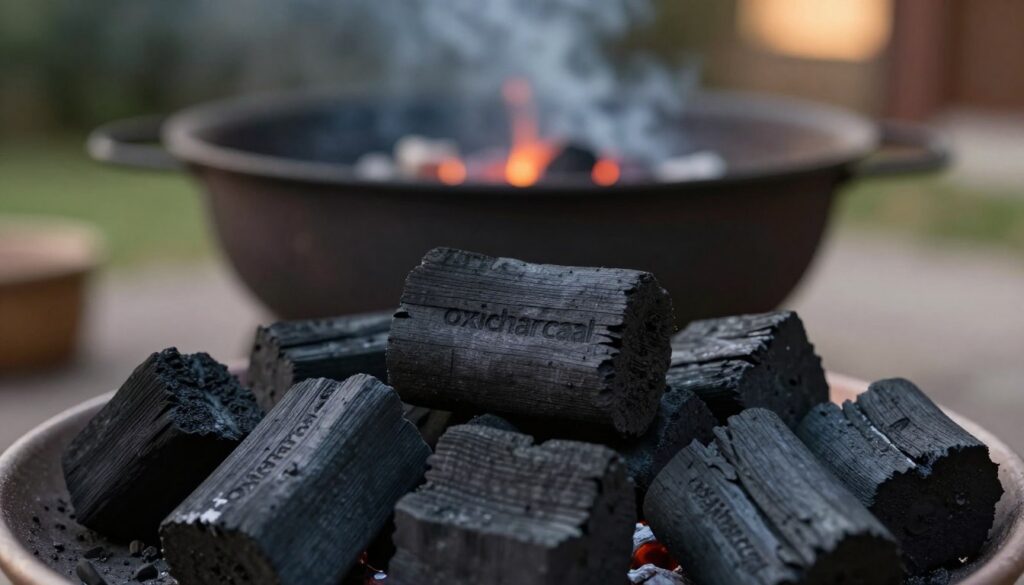
Overstuffing the Grill
One of the most frequent errors is adding too much fuel to the firebox. Overstuffing the grill creates an uncontrollable heat source that leads to uneven cooking and dangerous temperature spikes. When the coals are packed too tightly, airflow is restricted, which prevents the fuel from burning efficiently.
Instead of piling on extra fuel, focus on creating a balanced two-zone setup. This allows you to manage heat levels effectively and prevents your food from burning on the outside while remaining raw on the inside. Proper spacing is truly the key to consistent results.
Using Inferior Quality Briquettes
Not all fuel is created equal, and choosing the wrong product can ruin your meal. Using inferior charcoal briquettes often results in excessive ash production, which can clog your vents and choke the fire. Furthermore, low-grade options frequently contain chemical binders that release unpleasant odors.
These chemical smells can easily taint the flavor of your food, leaving a bitter aftertaste. Investing in high quality charcoal briquettes is a simple way to avoid these frustrations. By selecting premium fuel, you ensure a much smoother grilling experience and a cleaner, more authentic smoky flavor for your favorite dishes.
Frequently Asked Questions About Charcoal Briquettes
Mastering the art of outdoor cooking involves understanding the nuances of your fuel source. Many enthusiasts wonder about the longevity and potential reuse of their supplies to ensure every session remains efficient and cost-effective.
Duration of Burn
Properly stored charcoal briquettes maintain their integrity for years if kept in a cool, dry environment. High-quality options like long-lasting charcoal briquettes provide consistent heat for up to two hours, making them perfect for extended cooking sessions. Moisture is the primary enemy of performance, so always seal your bags tightly after each use.
Reusing Partially Burned Coals
You can safely reuse charcoal briquettes that were not fully consumed during your last cookout. Simply extinguish the coals by closing the grill vents to cut off the oxygen supply. Once the pieces are completely cool, you can store them for your next event. Mixing these recycled pieces with fresh fuel helps ignite your fire quickly while maintaining the steady temperature required for perfect results. Choosing premium products ensures that your grilling experience remains clean, efficient, and enjoyable every single time you fire up the grill.
FAQ
How long do charcoal briquettes last once they are lit?
On average, standard charcoal briquettes will provide consistent heat for about 2 to 3 hours. However, if you are using long-lasting charcoal briquettes specifically designed for “low and slow” smoking, you may get even more time out of a single load. Factors like airflow and the quality of the briquette play a huge role in the total burn time.
Can I reuse charcoal briquettes after a cooking session?
Yes, you certainly can! If you have high quality charcoal briquettes left over after your meal is done, simply close all the vents on your grill to extinguish the fire. Once they are completely cool, shake off the excess ash and mix them with fresh charcoal briquettes for grilling the next time you fire up the pit.
What is the benefit of choosing natural charcoal briquettes over standard ones?
Many backyard chefs prefer natural charcoal briquettes because they typically use organic binders, like cornstarch, rather than chemical additives. This results in a cleaner burn and a more authentic smoky flavor. Brands like Jealous Devil and Royal Oak offer excellent natural options that avoid the “chemical” smell sometimes associated with cheaper alternatives.
Where can I find the best charcoal briquettes for my budget?
If you are looking for affordable charcoal briquettes, keep an eye out for holiday sales at major retailers like Lowe’s or Walmart. For those who prefer convenience and a wider selection of premium fuels, you can easily buy charcoal briquettes online through Amazon or directly from brand websites to have them delivered right to your door.
Are there eco-friendly charcoal briquettes available for environmentally conscious grillers?
Absolutely! You can find eco-friendly charcoal briquettes made from sustainable materials such as coconut shells or recycled wood scraps. These options often produce less ash and have a smaller carbon footprint, making them a fantastic choice for those who want to enjoy a traditional barbecue while remaining mindful of the planet.
How should I store my charcoal to ensure it stays high quality?
Moisture is the enemy of any fuel. To keep your best charcoal briquettes in peak condition, store them in a cool, dry place off the ground. Using a dedicated charcoal storage bin with a sealed lid, like those from Buddeez, will prevent the briquettes from absorbing humidity and ensure they light quickly every time.
Why should I use a chimney starter for my charcoal briquettes?
A chimney starter is the gold standard for lighting high quality charcoal briquettes because it uses physics—not chemicals—to get the fire going. By using just a few sheets of newspaper, you can get a full load of coals glowing red-hot in about 15 to 20 minutes, ensuring no lighter fluid aftertaste ever touches your food.