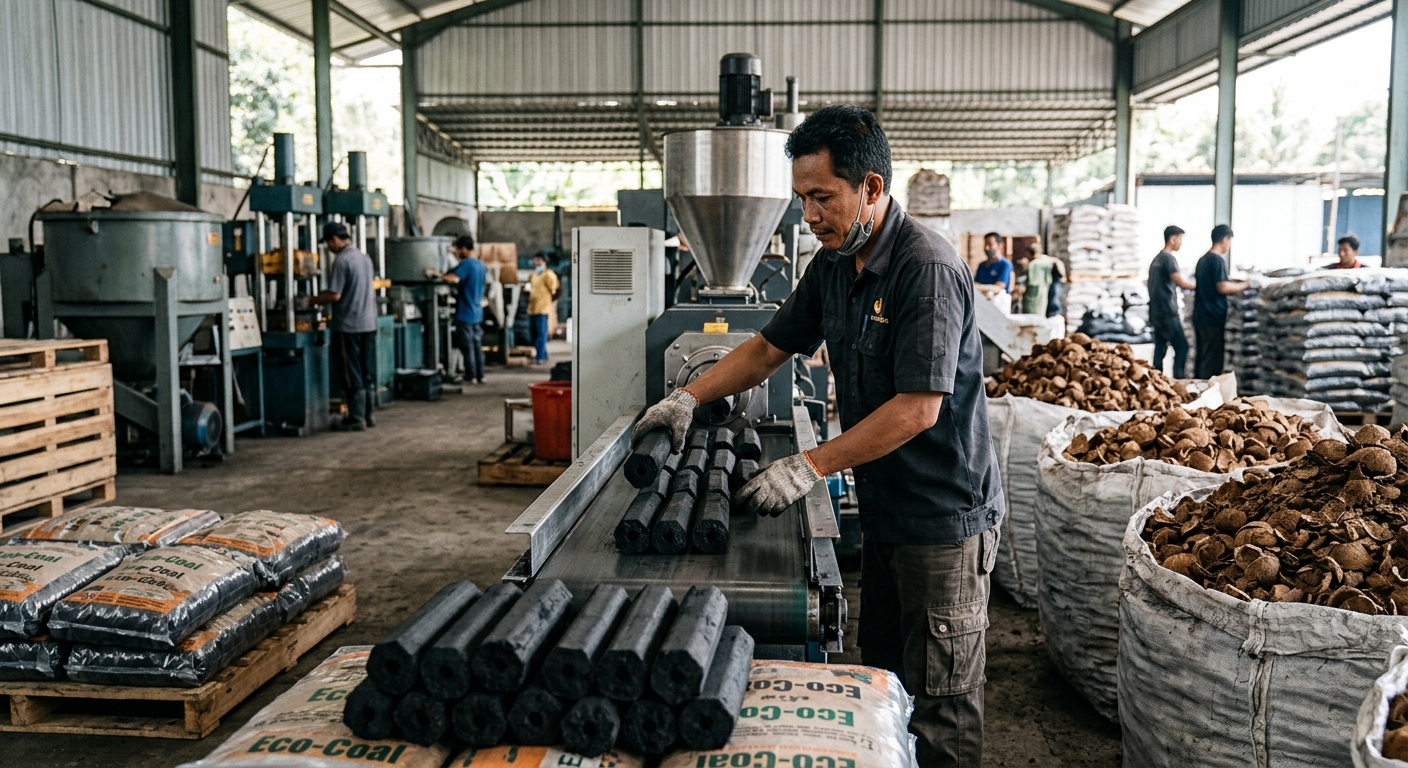
Introduction to Coconut Shell Briquettes
In recent years, the demand for sustainable, high-quality charcoal alternatives has skyrocketed. At the forefront of this eco-friendly revolution is the coconut shell briquettes manufacturer. These innovative producers are transforming agricultural waste into premium fuel for both culinary and recreational use. Unlike traditional lump charcoal, which often contributes to deforestation, coconut shell briquettes are crafted from the discarded shells of coconuts, making them a 100% renewable and sustainable resource.
Finding a reliable coconut shell briquettes manufacturer is essential for businesses and consumers who prioritize quality, consistency, and environmental responsibility. These briquettes offer superior heat retention, minimal ash production, and a completely odorless and tasteless burn, making them ideal for high-end grilling and hookah sessions. In this comprehensive guide, we will explore the intricate manufacturing process, the profound benefits of using coconut charcoal, and how to identify a top-tier manufacturer in a competitive global market.
The Manufacturing Process: From Shell to Briquette
The journey from a discarded coconut shell to a premium briquette is a fascinating process that requires precision, technology, and expertise. A reputable coconut shell briquettes manufacturer follows a stringent, multi-step procedure to ensure the final product meets rigorous international standards.
1. Carbonization
The process begins with the collection of mature, dry coconut shells. These shells are cleaned and subjected to carbonization, a process where they are burned in a controlled environment with limited oxygen. This step converts the raw shells into charcoal without turning them to ash. The quality of the carbonization process directly affects the fixed carbon content of the final briquette, which is a critical metric for heat output and burn time.
2. Crushing and Sieving
Once carbonized, the coconut shell charcoal is crushed into a fine powder. A precise coconut shell briquettes manufacturer will pass this powder through specific sieves to ensure a uniform particle size. Consistency at this stage is vital for creating a dense, hard briquette that will not crumble during transport or use.
3. Mixing and Binding
Because the charcoal powder cannot hold a shape on its own, it must be mixed with a natural binder. The most common binder used is a food-grade tapioca starch. The manufacturer mixes the charcoal powder, a small amount of water, and the starch in industrial mixers. This creates a thick, pliable paste. It is crucial that no chemical additives or artificial accelerants are used during this phase, as they would compromise the purity and safety of the briquettes.
4. Extrusion and Cutting
The charcoal paste is then fed into an extrusion machine, which presses the mixture through dies to form long rods or specific shapes, such as cubes, flats, or hexagons. For hookah use, cubes (typically 25mm or 26mm) are the most popular. The extruded charcoal is then cut into precise, uniform pieces.
5. Drying
The final, and perhaps most critical, step is drying. The wet briquettes are placed in industrial ovens or drying rooms to remove all residual moisture. A high-quality coconut shell briquettes manufacturer ensures the moisture content is reduced to below 5%. This low moisture level guarantees that the briquettes will light easily, burn evenly, and not crack or spit during use.
Why Choose Coconut Shell Briquettes?
The shift towards coconut shell briquettes is driven by their overwhelming advantages over traditional wood charcoal and quick-light chemical briquettes.
Environmental Sustainability
Perhaps the most significant benefit is their eco-friendly nature. Millions of trees are cut down annually to produce traditional wood charcoal. By utilizing a byproduct of the coconut industry that would otherwise be discarded or burned as waste, a coconut shell briquettes manufacturer helps reduce deforestation and lowers the overall carbon footprint of charcoal production.
Superior Performance for Hookah
For hookah enthusiasts, coconut briquettes are the gold standard. They burn up to three times longer than quick-light coals, maintaining a consistent, high temperature. Furthermore, they are entirely odorless and tasteless, ensuring that the true flavor of the shisha is never compromised. If you want to maximize your sessions, understanding the right setup is key. Check out this guide on How to Setup a Hookah for Thick Clouds: The Ultimate Professional Guide to elevate your experience.
Excellent for Barbecue and Grilling
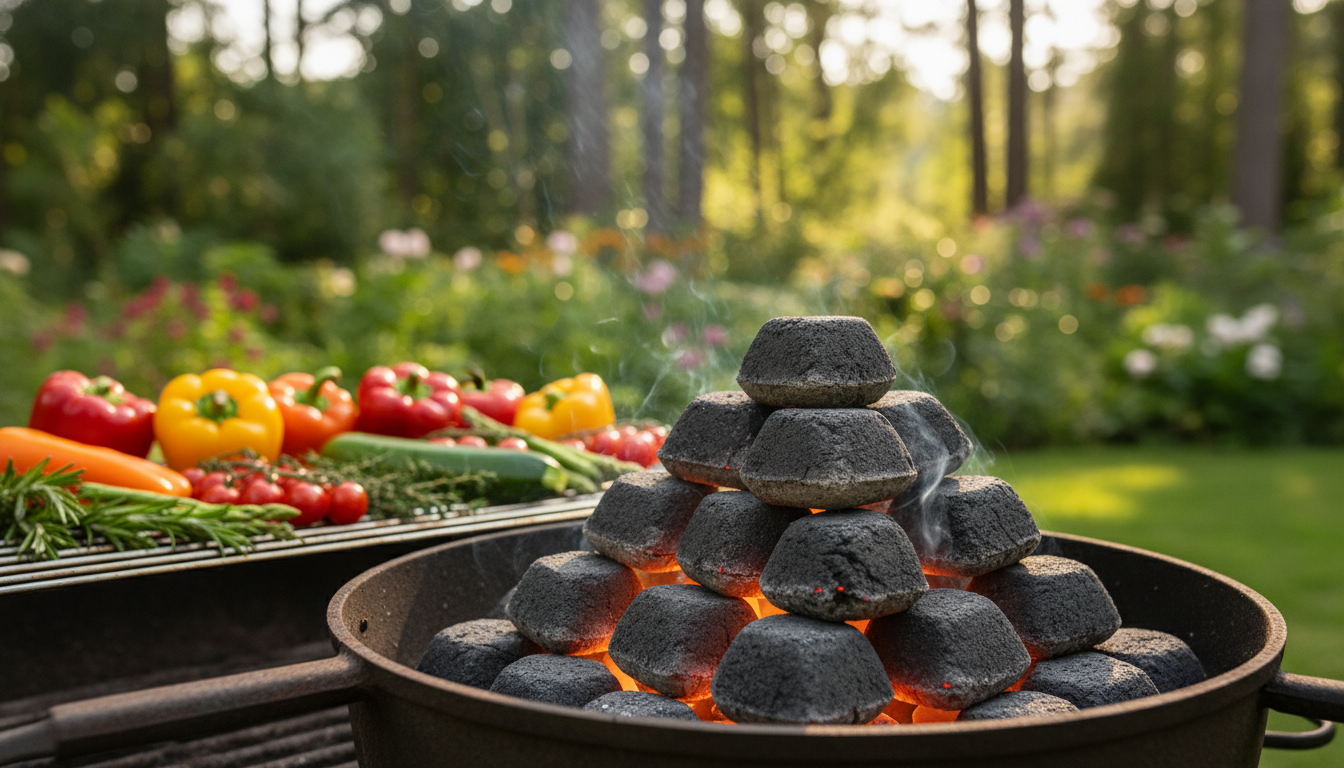
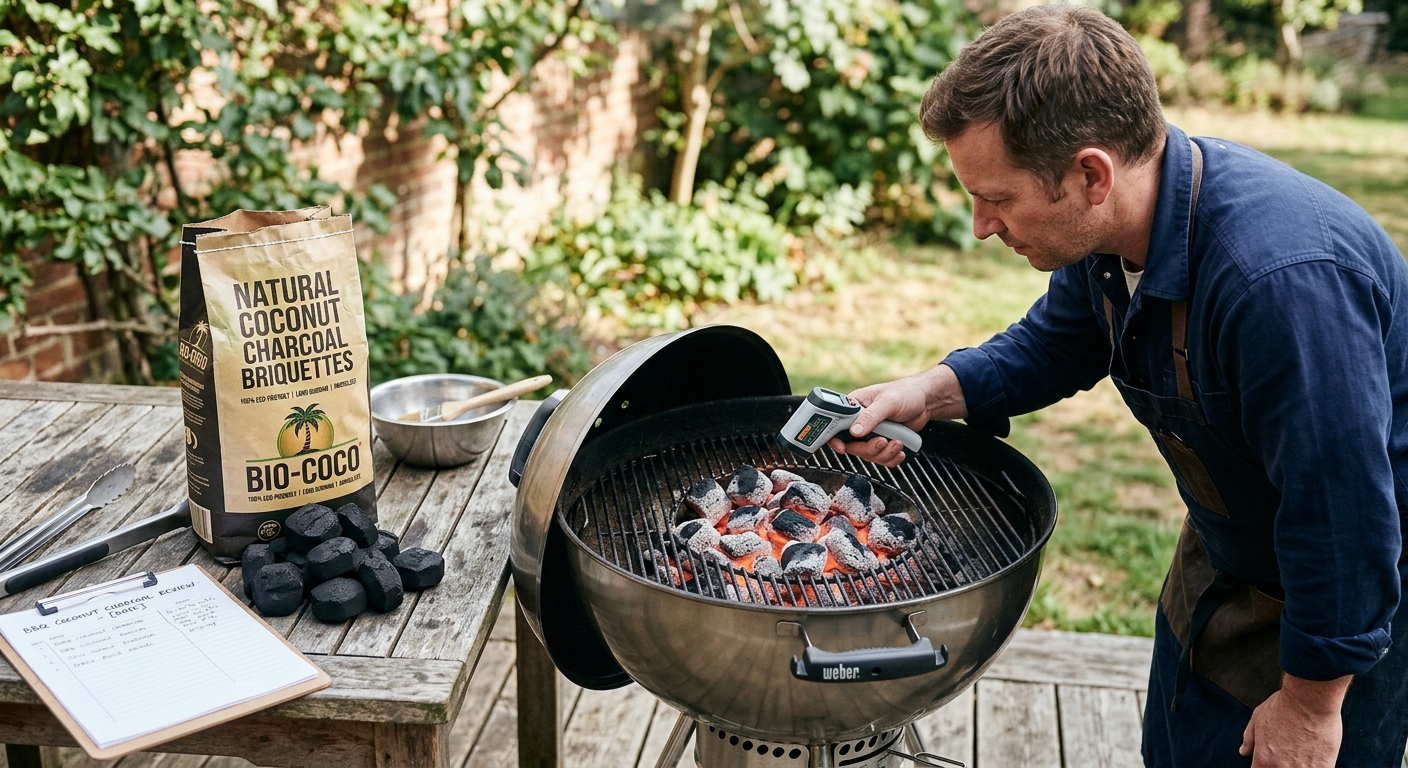
Culinary professionals and barbecue aficionados also favor coconut shell briquettes. They provide an intense, even heat that is perfect for searing meats. Because they produce very little ash and no smoke (unless fat drips onto them), they keep the cooking environment clean and prevent the food from absorbing unwanted acrid flavors.
How to Identify a Premium Manufacturer
With the surge in demand, numerous producers have entered the market. However, not every coconut shell briquettes manufacturer adheres to the same quality standards. Here are the key factors to consider when sourcing your briquettes.
Raw Material Sourcing
The best manufacturers source their coconut shells from regions known for high-quality coconuts, such as Indonesia, the Philippines, and Sri Lanka. Indonesian coconut shells, in particular, are renowned for their thickness and high lignin content, which translates to a denser, longer-burning charcoal.
Quality Control and Specifications
A professional manufacturer will proudly share the technical specifications of their products. You should look for:
- High Fixed Carbon: Ideally above 75%. Higher carbon means more heat and less ash.
- Low Ash Content: Should be strictly below 3%, preferably around 2%. High ash can smother the heat and make a mess.
- Low Volatile Matter: Ensures a smokeless and odorless burn.
- Low Moisture Content: Must be under 5% to prevent cracking during ignition.
Below is a comparison of typical specifications between standard wood charcoal and premium coconut shell briquettes to illustrate why the latter is superior.
| Charcoal Type | Fixed Carbon (%) | Ash Content (%) | Burn Time (Hours) |
|---|---|---|---|
| Standard Wood Lump Charcoal | 65 | 5 | 1.5 |
| Premium Coconut Briquettes | 80 | 2 | 2.5 |
Commitment to Natural Ingredients
Ensure the manufacturer uses only natural binders (like tapioca starch) and completely avoids sulfur, nitrates, or other chemical accelerants. Chemical additives not only ruin the flavor of food and shisha but can also pose severe health risks when inhaled or ingested.
Maintaining Your Equipment for Optimal Use
While having high-quality coals from a reliable coconut shell briquettes manufacturer is crucial, the cleanliness of your equipment plays an equally important role in the overall experience. This is especially true for hookah users. Over time, residue can build up in the stem, vase, and hose, severely degrading the flavor of your session, regardless of how good the charcoal is. For detailed instructions on maintaining your gear, read How to Clean a Hookah: A Comprehensive Guide for a Perfect Smoke.
Conclusion
The rise of the coconut shell briquettes manufacturer represents a significant leap forward in both sustainable energy and recreational luxury. By transforming agricultural waste into a high-performance, clean-burning fuel, these manufacturers offer a product that benefits both the consumer and the environment. Whether you are a business looking to source premium hookah coals or a barbecue enthusiast seeking the perfect sear, understanding the production process and knowing what to look for in a manufacturer will ensure you always get the best possible product. Embrace the clean, long-lasting power of coconut charcoal and elevate your grilling and smoking experiences today.
Frequently Asked Questions
Are coconut shell briquettes safe to use indoors?
While coconut shell briquettes produce significantly less carbon monoxide than traditional wood charcoal, they still consume oxygen and release some CO. Therefore, they should never be used in completely enclosed, unventilated spaces. Always ensure proper ventilation when lighting and using them indoors for hookah.
How long do coconut shell briquettes take to light?
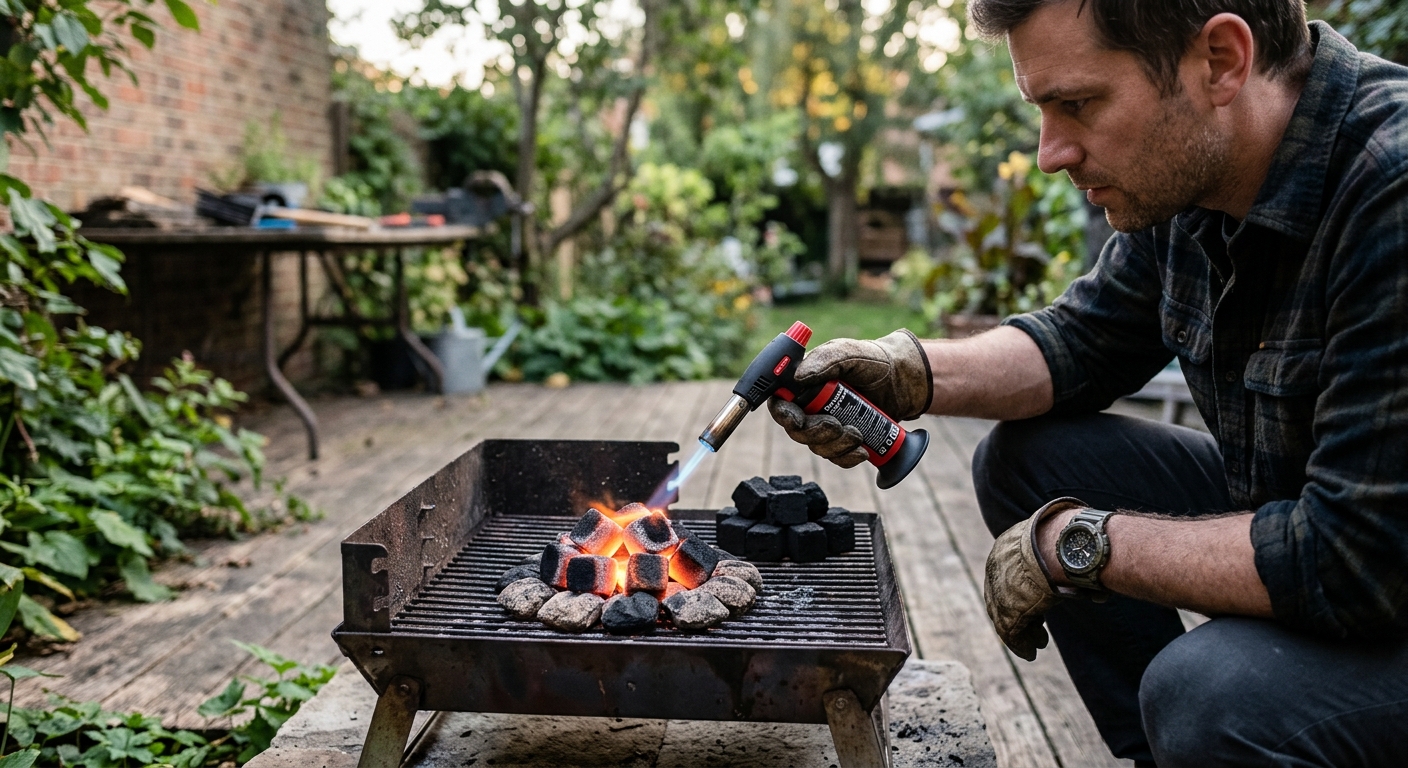
Because they contain no chemical accelerants, coconut shell briquettes require a consistent, high-heat source to ignite. Using a dedicated electric coil burner, it typically takes between 8 to 12 minutes to fully light the briquettes until they are glowing red all over.
Can I use coconut shell briquettes for smoking meats?
Yes, they are excellent for smoking meats. Because they provide a consistent, even heat and are completely odorless, they act as a perfect, neutral heat source. You can then add your preferred wood chips or chunks (like hickory, apple, or mesquite) to the coals to control exactly what flavor of smoke is imparted to the meat.
2 thoughts on “Coconut Shell Briquettes Manufacturer: The Ultimate Guide to Sustainable Charcoal”