Introduction to Lighting Coconut Charcoal
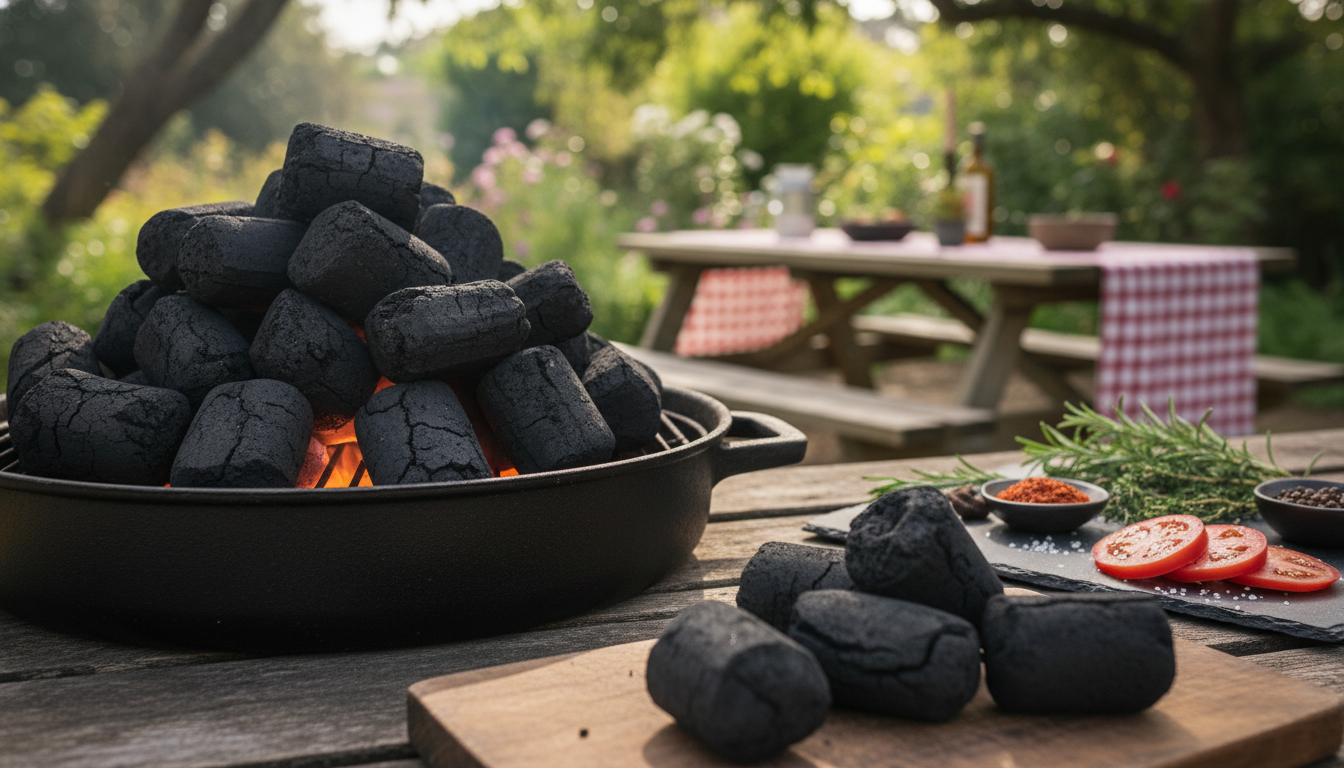
For many hookah enthusiasts and barbecue aficionados, coconut charcoal has become the gold standard. Made from compressed coconut shells, these briquettes burn hotter, last longer, and produce minimal ash compared to traditional wood charcoal. However, their high density means they can be notoriously difficult to light, typically requiring a dedicated coil burner or gas stove. But what happens when you find yourself without access to a stove? Whether you are camping, experiencing a power outage, or simply at a friend’s house without the right equipment, knowing how to light coconut charcoal without a stove is an invaluable skill.
In this comprehensive guide, we will explore various methods to safely and effectively ignite your coconut coals using alternative heat sources. We will also touch upon the characteristics of different charcoal shapes, such as those discussed in the Cube vs Hexagonal Hookah Charcoal Burn Time: A Comprehensive Guide, and why choosing high-quality briquettes matters.
Understanding Coconut Charcoal
Before diving into the lighting methods, it is crucial to understand why coconut charcoal behaves the way it does. Unlike quick-light coals, which are coated in chemical accelerants like sulfur or saltpeter, natural coconut coals contain zero chemicals. This makes them significantly healthier and preserves the authentic flavor of your shisha or food. For a detailed comparison, you can read Coconut Charcoal vs Quick Light Coals: The Ultimate Hookah Guide.
Because they lack chemical accelerants, natural coconut coals require consistent, intense heat to ignite fully. They must be heated until they are glowing red all over, which usually takes about 10 to 15 minutes on a standard electric coil burner. The density of the briquette, which contributes to its long burn time, also makes the ignition process slower. High-quality options, such as the High Calorie Coconut Charcoal from Indonesia: The Ultimate Guide, are prized for their exceptional heat output and purity.
Method 1: Using a Blowtorch or Butane Torch
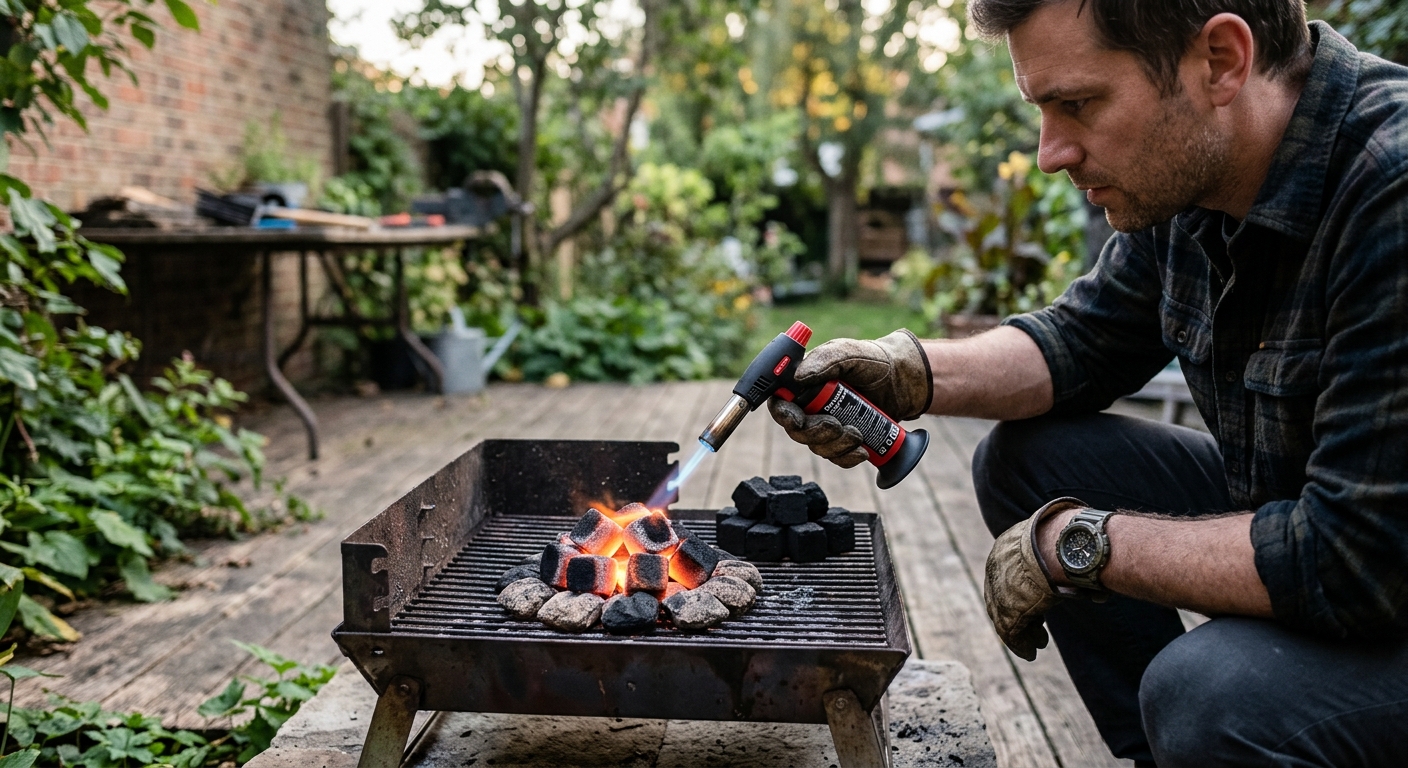
One of the most effective ways to light coconut charcoal without a stove is by using a high-powered blowtorch or a butane torch. This method provides the intense, concentrated heat necessary to penetrate the dense briquette.
Step-by-Step Instructions
- Preparation: Place your coconut coals in a fireproof container or on a safe, non-combustible surface like a metal tray or concrete. Ensure you are in a well-ventilated area, preferably outdoors.
- Safety Gear: Use long metal tongs to hold or turn the coals. Never attempt to hold the charcoal with your hands or short tweezers while applying the torch.
- Application: Ignite the torch and direct the blue part of the flame (the hottest part) onto the edge or corner of the coal. Focus the heat on one spot until it begins to glow bright red.
- Rotating: Once a significant portion of one side is glowing, use your tongs to rotate the coal, applying the flame to the unlit sides. Continue this process until the entire coal is covered in a layer of fine gray ash and glows red.
This method is fast but requires constant attention and a steady hand. It is particularly useful if you are using specialized shapes, as explored in The Ultimate Guide to Sourcing from a Bulk Hexagonal Charcoal Briquettes Factory, which might require even heat distribution to light properly.
Method 2: The Campfire or Fire Pit Approach
If you are enjoying the great outdoors, a traditional campfire or fire pit is an excellent alternative for lighting your coconut coals.
Step-by-Step Instructions
- Build a Solid Fire: Start a wood fire and let it burn down until you have a bed of hot, glowing embers. Avoid placing coals directly into high, licking flames, as this can cause them to crack or light unevenly.
- Placement: Using long metal tongs, carefully nestle your coconut coals into the hottest part of the ember bed.
- Monitoring: Let the coals sit in the embers for about 10-15 minutes. Check them periodically. You will know they are ready when they are glowing red and covered in a light layer of ash.
- Retrieval: Carefully remove the lit coals with your tongs, blow off any excess wood ash, and transfer them to your hookah or grill.
Method 3: Using a Charcoal Chimney Starter
A charcoal chimney starter is a staple for barbecue enthusiasts, and it works wonderfully for lighting coconut hookah coals as well.
Step-by-Step Instructions
- Setup: Place the chimney starter on a heat-safe surface, such as a grill grate or concrete slab.
- Loading: Put your coconut coals on the top wire rack inside the chimney.
- Ignition Source: Place crumpled newspaper, natural fire starters, or a few quick-light coals underneath the chimney.
- Lighting: Light the newspaper or fire starters. The design of the chimney will draw the hot air upward, creating a concentrated heat column that will slowly ignite the coconut coals above.
- Wait Time: This process may take 15-20 minutes. Ensure all sides of the coals are glowing red before removing them with tongs.
Method 4: The Quick-Light Coal Bridge Method
If you have quick-light coals available but prefer to smoke using natural coconut coals, you can use the quick-lights as an ignition source. This method acts as a bridge between convenience and quality.
Step-by-Step Instructions
- Preparation: Place 2-3 quick-light coals on a heat-proof tray or in your hookah tray.
- Ignition: Light the quick-light coals with a standard lighter or matches. Wait until they stop sparking and are fully covered in ash.
- The Bridge: Place your natural coconut coals directly on top of or wedged between the lit quick-light coals.
- Patience: The heat from the quick-lights will gradually transfer to the coconut coals. You may need to use a fan or gently blow on the setup to increase airflow and heat output. Rotate the coconut coals as needed until they are fully lit.
Safety Precautions
Whenever you are dealing with extreme heat and fire, safety must be the top priority. Lighting coconut coals without a standard stove often involves open flames and makeshift setups.
- Always use metal tongs: Never use plastic or wooden utensils, as they will melt or catch fire.
- Ventilation is crucial: Lighting charcoal produces carbon monoxide. Always light your coals in a well-ventilated area, preferably outside.
- Fireproof surfaces: Always place hot coals on materials that can withstand high temperatures, such as metal, concrete, or stone. Avoid glass, wood, and plastic.
- Keep water nearby: Have a bucket of water or a fire extinguisher within reach in case of emergencies.
Summary Table of Lighting Methods
| Method | Pros | Cons | Best For |
|---|---|---|---|
| Blowtorch | Very fast, precise heating | Requires special equipment, uses fuel quickly | Emergencies, specialized coal shapes |
| Campfire Embers | No extra equipment needed, very effective heat | Requires an existing fire, coals may get covered in wood ash | Camping, outdoor gatherings |
| Chimney Starter | Safe, even lighting, passive process | Takes longer, requires a chimney starter | Backyard BBQs, patio hookah sessions |
| Quick-Light Bridge | Utilizes readily available items, relatively simple | Slower process, requires quick-light coals | When only a lighter is available |
Conclusion
Lighting coconut charcoal without a stove may seem daunting at first, but with the right techniques and a bit of patience, it is entirely achievable. Whether you opt for the intense heat of a blowtorch, the natural power of a campfire, the reliable chimney starter, or the quick-light bridge method, the key is to ensure the coals are fully ignited and glowing red before use. By mastering these alternative methods, you can guarantee a perfect, clean-tasting hookah session or a fantastic BBQ experience no matter where you are. Always prioritize safety, use the proper tools, and enjoy the superior quality that natural coconut charcoal provides.
Frequently Asked Questions (FAQ)
Can I use a regular cigarette lighter to light coconut coals?
No, a standard butane pocket lighter does not produce enough sustained, concentrated heat to ignite a dense natural coconut coal. You would likely burn your hand or melt the lighter before the coal even begins to spark.
How do I know when the coconut charcoal is fully lit?
Coconut charcoal is fully lit when it is glowing red on all sides and is covered in a thin layer of fine gray ash. There should be no black spots remaining. Using partially lit coals can cause a harsh taste and give you a headache due to incomplete combustion.
Is it safe to light coconut charcoal indoors using a blowtorch?
It is generally not recommended to use a blowtorch to light coals indoors due to the risk of fire and the production of carbon monoxide. If you must do it indoors, ensure the room is heavily ventilated with open windows and use a proper heat-safe surface, but outdoor lighting is always the safest option.
Can I use my kitchen microwave to light coconut coals?
Absolutely not. Placing charcoal in a microwave is extremely dangerous. It will not light the coals; instead, it can cause the coals to spark violently, potentially destroying your microwave and starting a severe fire. Never attempt this.