Introduction to Hookah Water Levels
For hookah enthusiasts, achieving the perfect smoke is a balance of several factors, from the packing method to heat management. However, one of the most fundamental yet frequently overlooked elements is the hookah water level. The amount of water in your base dictates the restriction of your draw, the filtration of the smoke, and the overall volume of the rumble. Too much water, and you risk water traveling up the hose; too little, and the smoke will lack proper filtration, resulting in a harsh and unpleasant session.
This comprehensive guide will walk you through the nuances of finding the perfect hookah water level, regardless of the size or shape of your hookah. By understanding the mechanics behind the downstem and water interaction, you can tailor your sessions for maximum flavor and enjoyment.
The Golden Rule of Hookah Water Levels
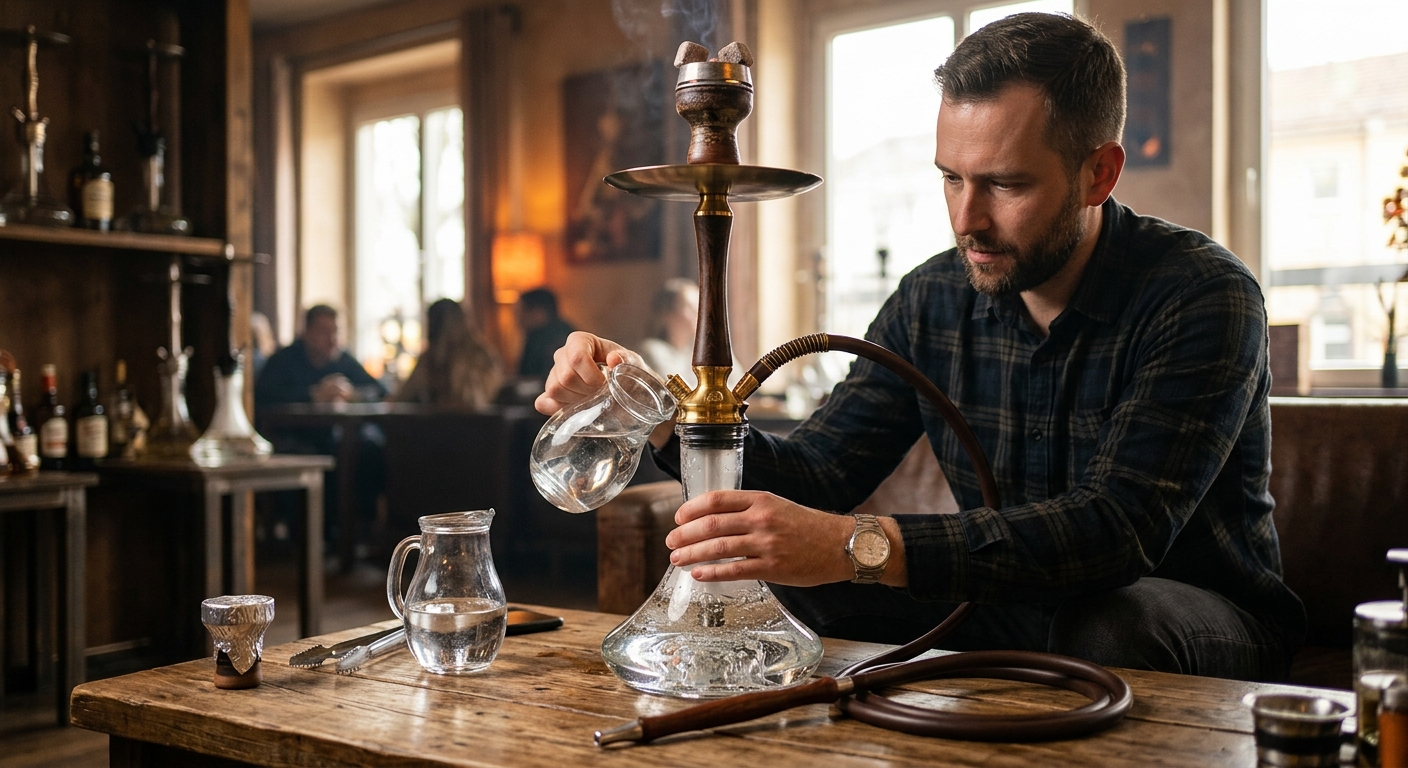
While hookahs come in various shapes and sizes, the golden rule for water levels remains remarkably consistent: the water should cover the bottom of the downstem by approximately 1 to 1.5 inches. This measurement provides the ideal balance between filtration and draw restriction. It ensures the smoke is pulled through enough water to cool and filter it, without making it overly difficult to inhale.
Finding this sweet spot can take a little practice, especially if your hookah base is opaque or has an irregular shape. To test your water level before adding the bowl and coals, simply assemble the hookah (stem and base) and take a pull from the hose port. If it feels too restricted or water bubbles up to the hose port, pour some out. If it feels too airy and lacks a satisfying rumble, add a little more.
Understanding Different Hookah Base Types
The shape of your hookah base can slightly influence how you measure the ideal water level. Let’s explore how to approach different common base designs.
Bell-Shaped Bases
The traditional bell-shaped base is the most common design. Because the bottom is wide and it tapers toward the top, the 1 to 1.5-inch rule applies perfectly here. The wide bottom provides a stable foundation and allows for a substantial volume of water, which helps in keeping the smoke cool throughout longer sessions.
Jumbo and Bohemian Bases
Jumbo bases hold a significantly larger volume of water. While the downstem should still only be submerged by about an inch to an inch and a half, the sheer volume of water means the temperature will remain cooler for a longer period. This is particularly beneficial if you enjoy extended sessions and want to maintain a crisp draw.
Mini and Travel Hookahs
With smaller, compact hookahs, you have less room for error. The 1-inch rule is critical here, but you might even lean closer to 0.5 to 0.75 inches. Because the distance between the water surface and the hose port is much shorter, overfilling a mini hookah almost guarantees water will enter your hose, which can ruin your session and damage non-washable hoses.
Diffusers and Water Levels
A diffuser is a small attachment (or built-in feature) at the bottom of the downstem that breaks up the large bubbles into smaller ones. This significantly reduces the rumble noise and provides a much smoother, less restricted draw. When using a diffuser, the rules for water levels change slightly.
Because the diffuser spreads the airflow across multiple smaller holes, you generally need to add a bit more water to ensure all the holes are adequately submerged. If the highest holes on the diffuser are exposed above the water line, the smoke will bypass the water entirely, resulting in harsh, unfiltered smoke. Ensure the water level sits about half an inch above the top row of holes on the diffuser.
Common Mistakes to Avoid
- Overfilling: The most common mistake. This causes a very tight draw and can lead to water splashing up into the hose or even the bowl.
- Underfilling: If the downstem isn’t submerged enough, the smoke won’t be filtered or cooled, leading to a harsh, hot draw that lacks flavor.
- Ignoring Base Shape: Not accounting for the taper of a base can lead to incorrect water volume estimates.
- Not Testing the Draw: Always test the draw without the bowl attached to ensure the restriction feels right before you start managing your heat.
To further enhance your sessions, mastering your heat is just as important as mastering the water level. For an in-depth look at managing your temperatures, check out Hookah Foil vs Heat Management: The Complete Guide.
The Impact of Water Temperature
While the level of the water is crucial, the temperature of the water also plays a role in the quality of your smoke. Many enthusiasts prefer adding ice to their base for a chilling effect. If you choose to do this, remember that ice displaces water. Always check your water level after adding the ice, as you may need to pour some water out to maintain that optimal 1 to 1.5-inch submersion.
Conversely, some smokers prefer lukewarm or room temperature water, claiming it enhances the flavor profile of certain shisha tobaccos, particularly floral or spiced blends. Experimentation is key, but always ensure your water level remains consistent.
Below is a comparison of different liquid options you can use in your hookah base to alter the session experience.
| Base Liquid | Primary Effect | Flavor Impact | Viscosity |
|---|---|---|---|
| Cold Water | Cools smoke | Neutral | Standard |
| Ice Water | Maximum cooling | Slight flavor muting | Standard |
| Fruit Juice (Diluted) | Adds sweetness | Enhances fruity shisha | Slightly Thicker |
| Milk (Diluted) | Thicker clouds | Creamy undertone | Thick (Prone to bubbling) |
Maintaining Your Session
Getting the water level right is the first step, but maintaining a great session requires attention to your charcoal. Proper heat management ensures your shisha bakes evenly rather than burning. To understand how long your coals will last and how to manage them effectively, read this Hookah Charcoal Burn Time Comparison: Maximizing Your Shisha Sessions.
Conclusion
Mastering your hookah water level is a foundational skill for any serious smoker. By adhering to the general rule of submerging the downstem 1 to 1.5 inches and adjusting for diffusers and base shapes, you can guarantee a smooth, flavorful, and enjoyable session every time. Remember to always test your draw before adding heat, and don’t be afraid to make minor adjustments to find your personal sweet spot. Happy smoking!
Frequently Asked Questions
How do I know if I have too much water in my hookah?
If you have too much water, the draw will feel very tight and restricted. You may also notice water bubbling up into the hose port or even getting into your hose when you take a strong pull.
Can I use liquids other than water in my hookah base?
Yes, many people experiment with diluted fruit juices, teas, or even milk (highly diluted) to enhance flavors. However, these liquids can create excess bubbles and are harder to clean, so use them with caution and ensure you clean your hookah thoroughly afterward.
Does a diffuser change the required water level?
Yes. When using a diffuser, you must ensure the water level is high enough to completely submerge all the holes on the diffuser, usually about half an inch above the top row of holes, to ensure proper filtration and silencing.
Why is my hookah smoke harsh even with the right water level?
If your water level is correct and the smoke is still harsh, the issue is likely heat management. You may have too many coals on the bowl, or the shisha may be packed too high and is touching the foil or heat management device directly.