Introduction to Indonesian Coconut Charcoal
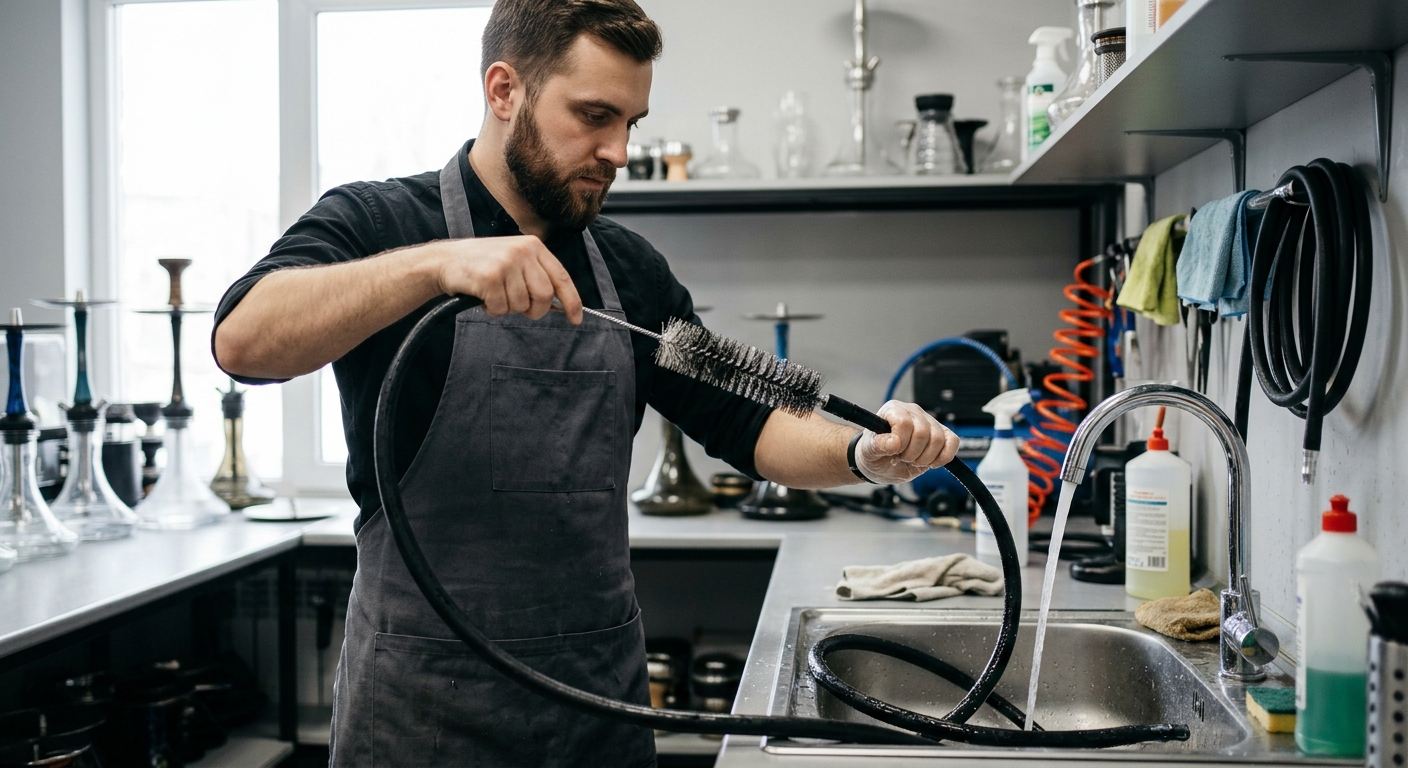
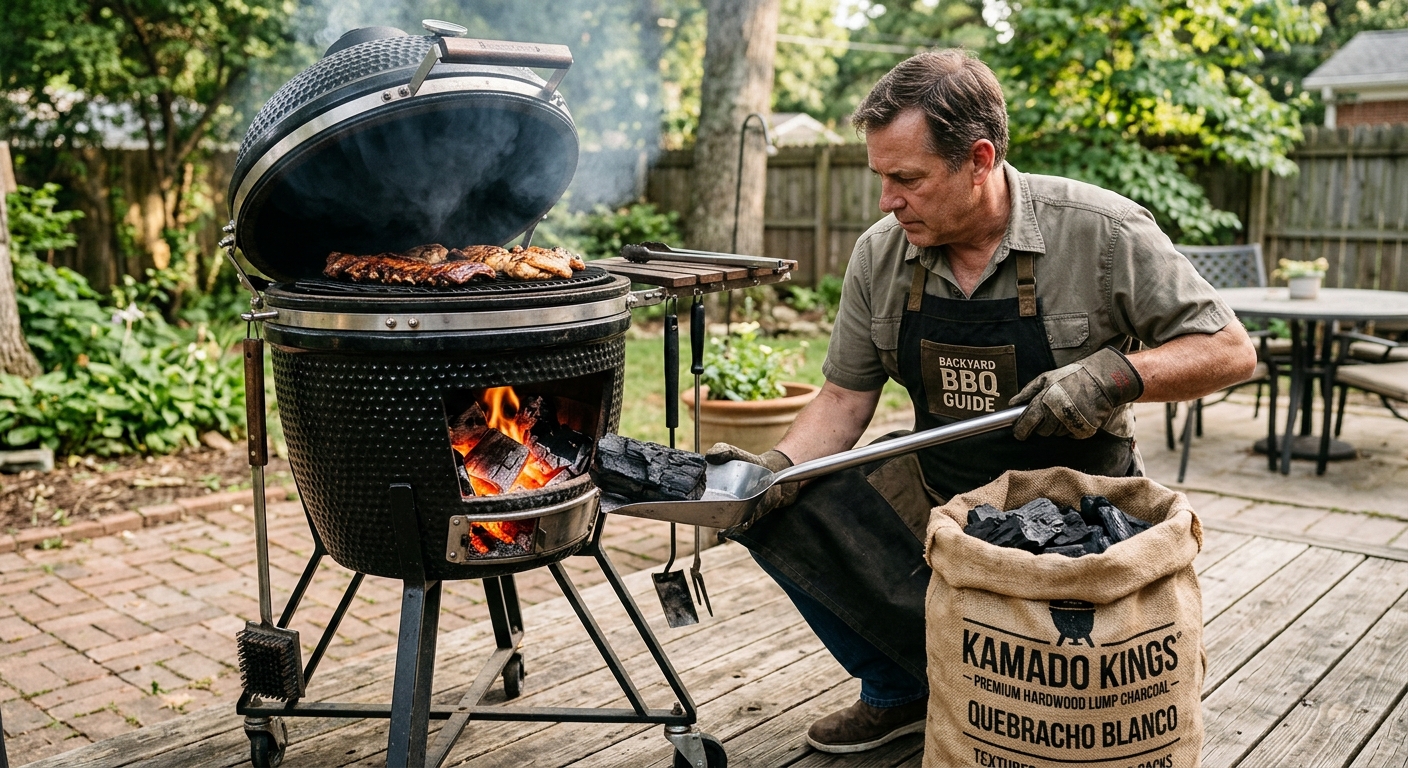
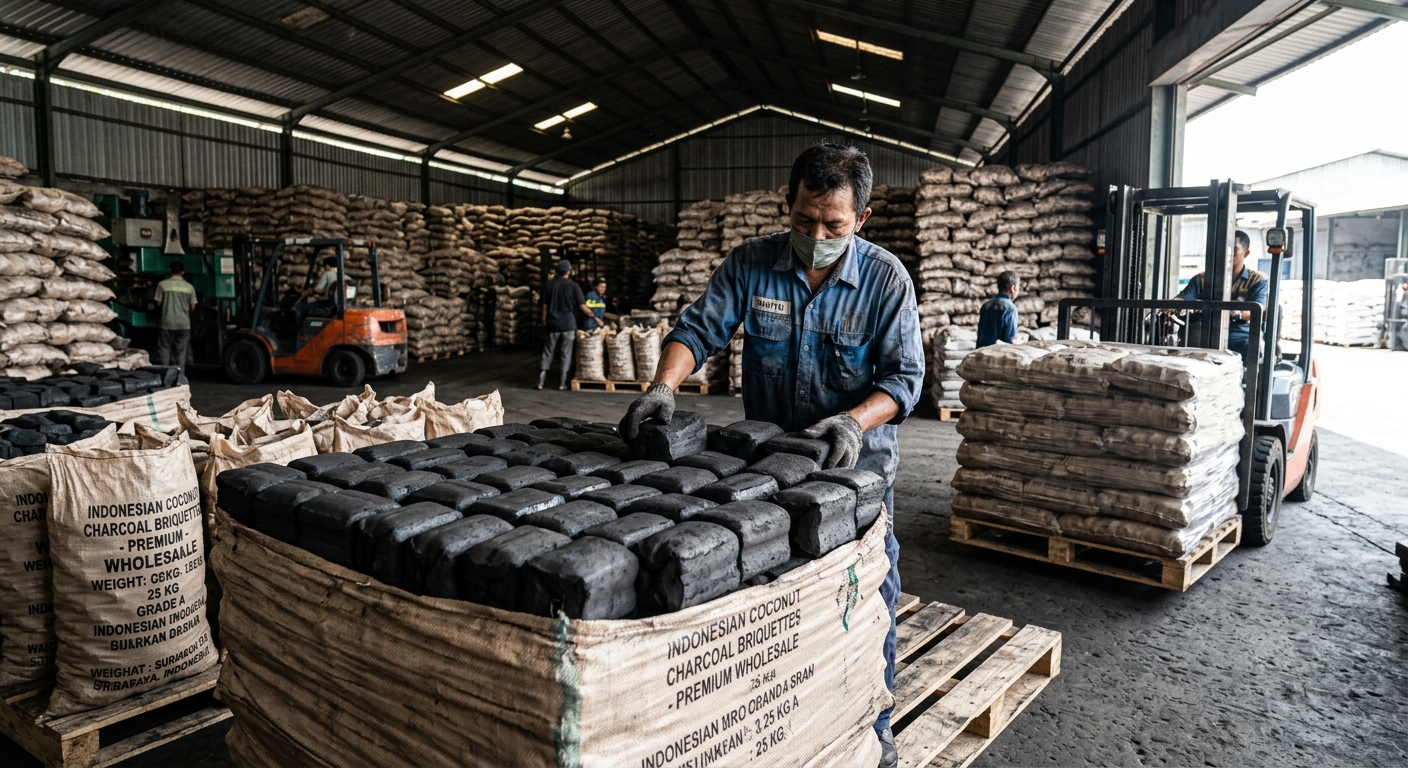
When it comes to sourcing premium quality briquettes, businesses around the world are increasingly looking to buy coconut charcoal wholesale from Indonesia. As the world’s leading producer of coconuts, Indonesia boasts an abundant supply of coconut shells, the primary raw material for high-grade charcoal. This sustainable, eco-friendly product has become a staple for hookah lounges, BBQ enthusiasts, and industrial applications globally.
Coconut charcoal stands out due to its clean-burning properties, long-lasting heat, and minimal ash production. Unlike traditional wood charcoal, coconut briquettes are free from chemical additives, ensuring a pure and odorless experience. This makes them particularly desirable in the shisha and culinary industries.
Why Choose Indonesian Coconut Charcoal?
The decision to source coconut charcoal from Indonesia is driven by several compelling factors:
- Abundant Raw Materials: Indonesia’s tropical climate provides the perfect environment for coconut cultivation, ensuring a steady and reliable supply of coconut shells.
- Superior Quality: Indonesian manufacturers employ advanced carbonization and briquetting techniques, resulting in charcoal with high carbon content (typically above 75%) and low moisture levels.
- Eco-Friendly: Utilizing coconut shells, a byproduct of the coconut industry, prevents waste and reduces reliance on deforestation for wood charcoal.
- Cost-Effective: Purchasing wholesale directly from Indonesian suppliers offers significant cost advantages compared to sourcing from intermediaries or other regions.
The Manufacturing Process
Understanding the manufacturing process can help buyers appreciate the quality of Indonesian coconut charcoal. The process begins with sourcing mature, dry coconut shells. These shells are then carbonized in kilns at controlled temperatures to remove impurities and volatile matter. The resulting charcoal is crushed into a fine powder, mixed with a natural binder (like tapioca starch), and pressed into various shapes such as cubes, flats, or hexagonal logs. Finally, the briquettes are dried in industrial ovens to achieve the desired moisture content.
Sourcing the Right Supplier
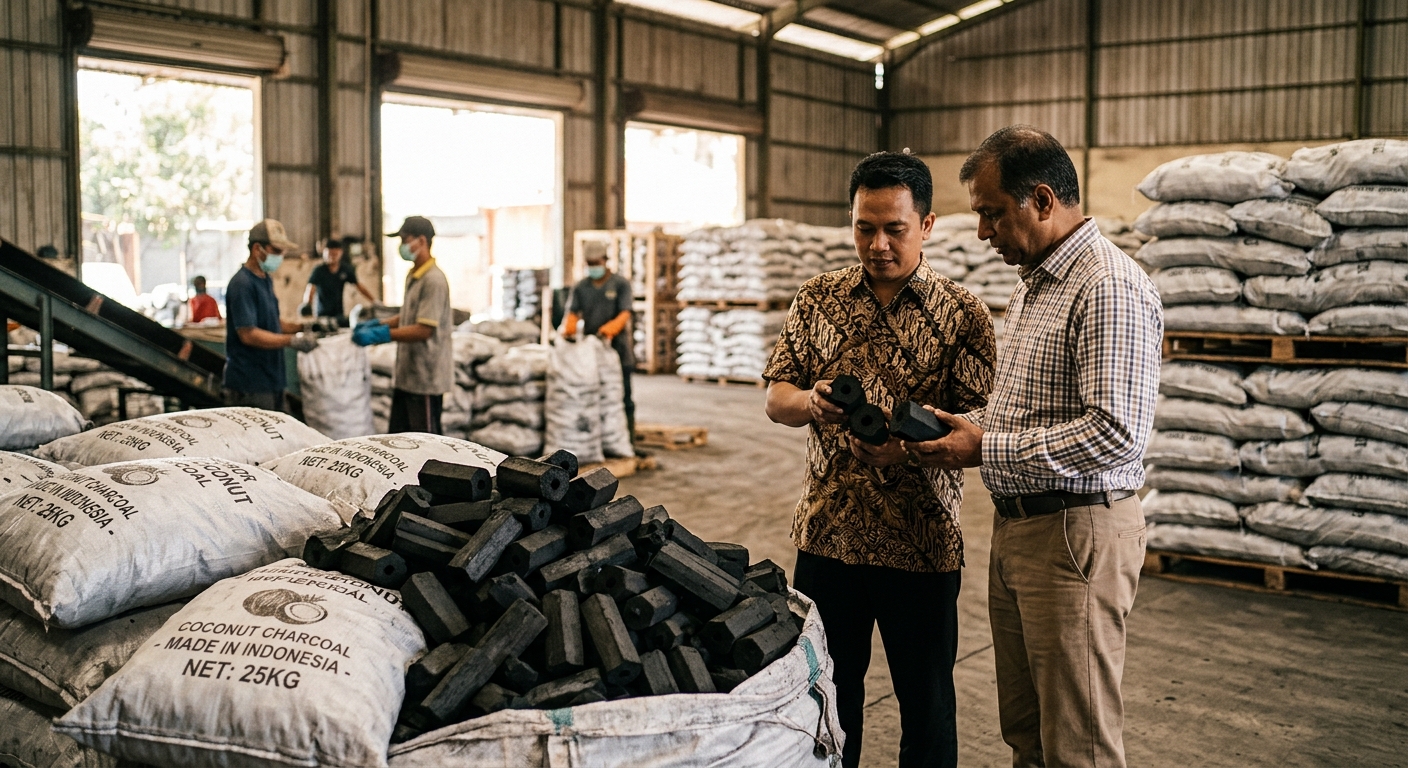
Finding a reliable supplier is crucial when you intend to buy coconut charcoal wholesale from Indonesia. The market is vast, and quality can vary significantly between manufacturers.
Key Considerations for Choosing a Supplier
When evaluating potential suppliers, consider the following criteria:
- Quality Assurance: Request laboratory test reports detailing fixed carbon, ash content, moisture, and volatile matter.
- Production Capacity: Ensure the supplier can meet your volume requirements consistently.
- Customization Options: Check if they offer OEM services, custom packaging, and specific briquette shapes/sizes.
- Certifications: Look for essential certifications such as MSDS (Material Safety Data Sheet) and SHTC (Self-Heating Test Certificate), which are required for shipping.
For those specifically in the shisha industry, providing a premium experience is paramount. To understand what makes a top-tier product for this niche, you can read The Ultimate Guide to Finding the Best Charcoal for a Hookah Lounge. This guide highlights the specific characteristics required for optimal hookah sessions.
Navigating the Importation Process
Importing charcoal involves navigating complex logistics and international trade regulations. Charcoal is considered a dangerous good (Class 4.2 – substance liable to spontaneous combustion) under maritime shipping rules, which means it requires special handling.
Shipping and Logistics
When planning your logistics, keep these points in mind:
- Vessel Booking: Not all shipping lines accept charcoal shipments. You must work with freight forwarders experienced in handling dangerous goods.
- Documentation: Essential documents include the Bill of Lading, Commercial Invoice, Packing List, Certificate of Origin, MSDS, and SHTC.
- Container Loading: Charcoal must be loaded properly to prevent shifting and minimize the risk of friction-induced ignition during transit.
To successfully navigate these complexities and ensure a smooth transaction, it is highly recommended to consult detailed resources. For step-by-step instructions and vital tips on the importation process, check out How to Import Charcoal from Indonesia: A Comprehensive Guide.
Understanding Pricing and Specifications
Prices for wholesale coconut charcoal can fluctuate based on market demand, raw material availability, and exchange rates. It is important to understand the specifications that drive pricing.
| Specification | Premium Grade | Standard Grade |
|---|---|---|
| Fixed Carbon | > 80% | 70% – 75% |
| Ash Content | < 2.5% | 3% – 5% |
| Moisture | < 5% | < 8% |
| Burn Time | > 120 minutes | 90 – 100 minutes |
Premium grades are typically reserved for shisha/hookah use due to their low ash and long burn time, while standard grades are often used for BBQ or industrial heating purposes.
Conclusion
Choosing to buy coconut charcoal wholesale from Indonesia is a strategic move for businesses seeking high-quality, sustainable, and cost-effective fuel solutions. By understanding the production process, carefully selecting a reputable supplier, and mastering the logistics of importation, you can secure a reliable supply chain that meets your business needs. Whether you are catering to the thriving hookah market or the robust BBQ industry, Indonesian coconut charcoal remains the gold standard in the global market.
Frequently Asked Questions
What makes coconut charcoal better than traditional wood charcoal?
Coconut charcoal is made from sustainable coconut shells, making it eco-friendly. It burns hotter, lasts longer, and produces significantly less ash and smoke compared to traditional wood charcoal. Additionally, it does not impart any unwanted flavors or odors, which is crucial for hookah and culinary uses.
How do I verify the quality of a wholesale supplier in Indonesia?
You can verify a supplier’s quality by requesting independent laboratory test reports detailing the charcoal’s specifications (carbon, ash, moisture). Additionally, ask for samples before placing a large order, check their export history, and ensure they possess the necessary safety certifications like MSDS and SHTC.
Why is shipping coconut charcoal considered difficult?
Coconut charcoal is classified as a hazardous material (Class 4.2) due to its potential for spontaneous combustion. Therefore, it requires specific self-heating tests (SHTC), strict documentation, and can only be shipped by carriers authorized to transport dangerous goods, making the logistics more complex than standard cargo.