Introduction to Wholesale Shisha Charcoal Distributors
The global shisha market has seen exponential growth over the past decade, transforming from a niche cultural pastime into a mainstream leisure activity. Central to this experience is the quality of the charcoal used. For business owners, finding reliable wholesale shisha charcoal distributors is not just a matter of logistics; it is a critical component of customer satisfaction and operational success. This comprehensive guide will explore the nuances of the shisha charcoal industry, the types of charcoal available, and how to select the best distributor for your business needs.
Understanding Shisha Charcoal Types
Before diving into the world of distributors, it is essential to understand the product itself. Shisha charcoal generally falls into two main categories: quick-light charcoal and natural charcoal. Each has its distinct advantages and target audience.
Quick-Light Charcoal
Quick-light charcoal is favored for its convenience. Coated with a chemical accelerant (usually sulfur or saltpeter), these coals can be ignited easily with a standard lighter. They are popular among casual users and environments where speed is prioritized. However, they tend to burn faster, produce more ash, and can sometimes impart a chemical taste to the shisha if not fully lit before use.
Natural Charcoal
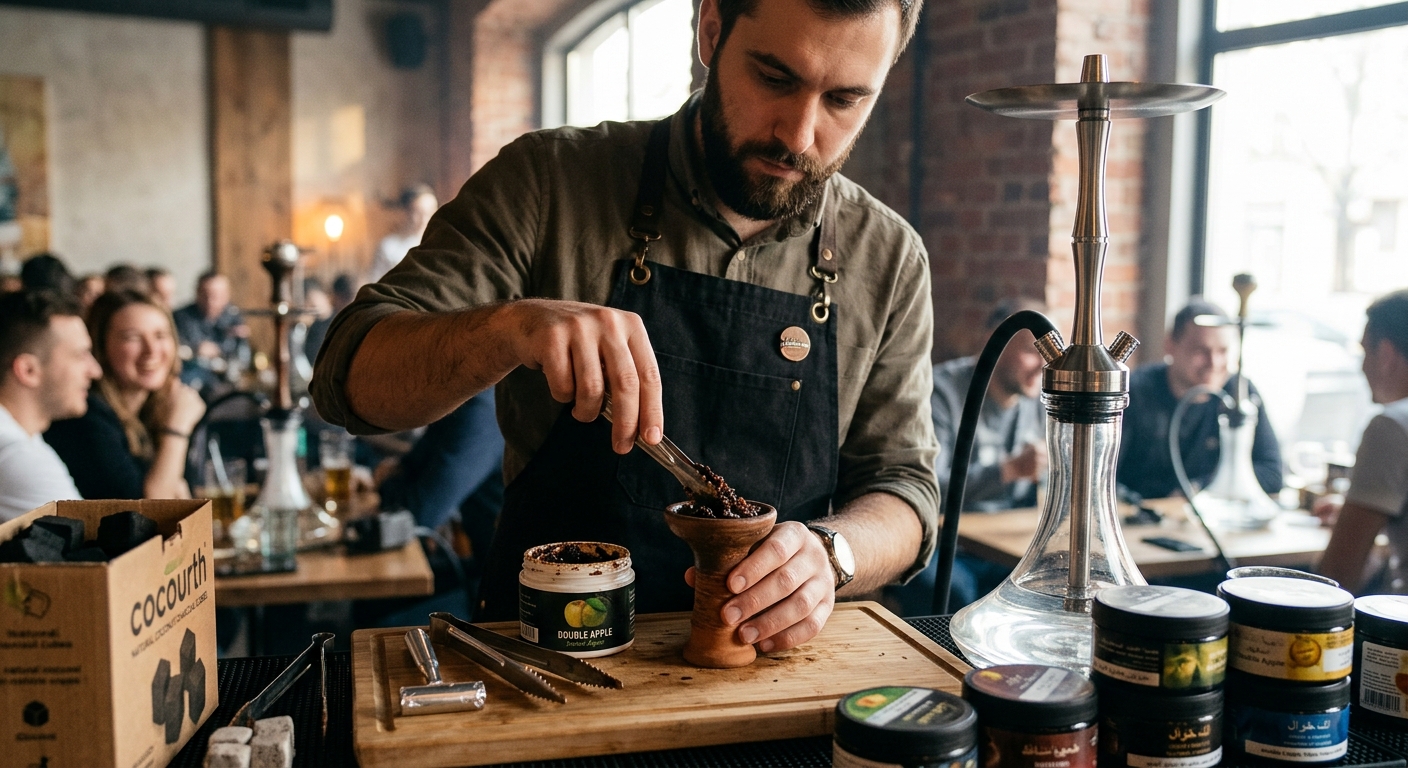
Natural charcoal, typically made from coconut shells, bamboo, or lemon wood, is the gold standard for serious shisha enthusiasts and premium lounges. Coconut charcoal, in particular, is highly prized because it burns hotter, lasts longer, and leaves very little ash. Most importantly, it is odorless and tasteless, ensuring that the flavor of the shisha remains pure. For businesses looking to elevate their offerings, sourcing high-quality natural charcoal is paramount. For a deep dive into sourcing for commercial venues, check out Hookah Lounge Charcoal Wholesale: The Ultimate Guide for Business Owners.
Below is a comparison of the most common natural charcoal materials based on key performance metrics.
| Charcoal Material | Burn Time (approx.) | Ash Production | Odor/Taste Interference |
|---|---|---|---|
| Coconut Shell | 90-120 minutes | Very Low | None |
| Bamboo | 60-90 minutes | Low | Minimal |
| Lemon Wood | 45-60 minutes | Medium | Slight Woody Note |
Key Factors When Choosing a Distributor
Selecting the right wholesale shisha charcoal distributor requires careful consideration of several factors to ensure you receive a consistent, high-quality product that meets your business requirements.
Quality Assurance and Consistency
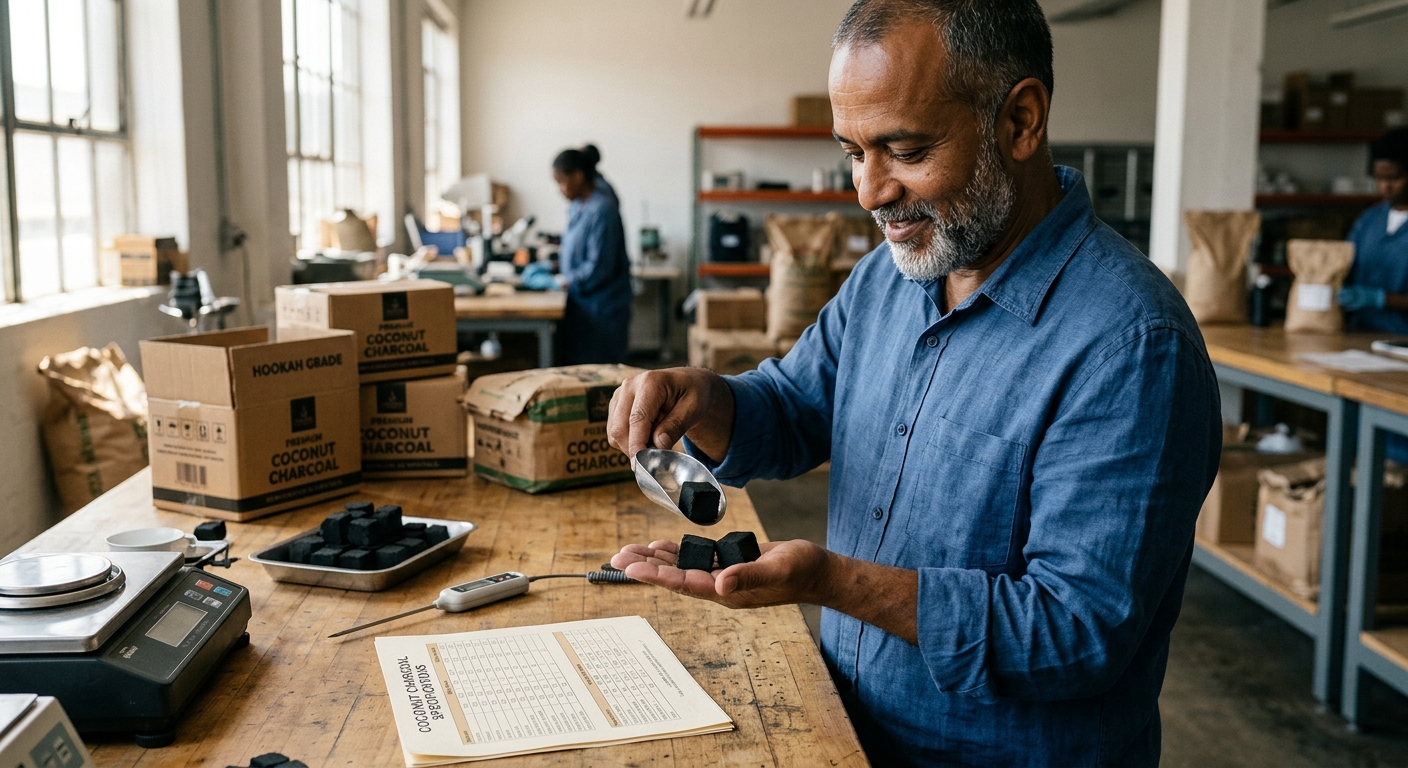
The most crucial factor is the quality of the charcoal. Inconsistent sizing, moisture content, or composition can lead to poor smoking experiences. A reputable distributor should provide detailed specifications about their products, including the origin of raw materials, ash content percentage, and carbon levels. Requesting samples before committing to a large order is a standard and necessary practice.
Supply Chain Reliability
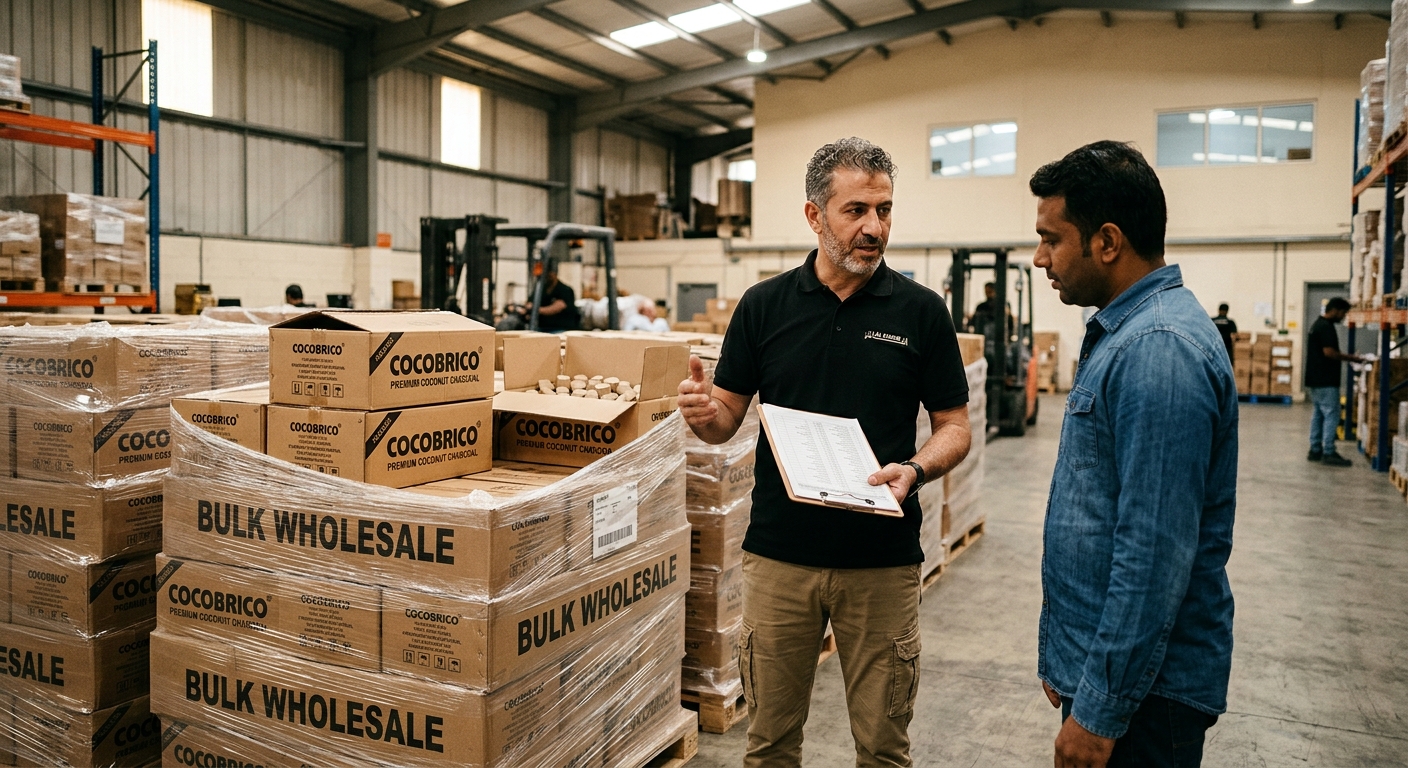
Shisha lounges and retail shops cannot afford to run out of charcoal. Therefore, a distributor’s reliability is non-negotiable. Investigate their track record for on-time deliveries, stock availability during peak seasons, and their ability to handle international shipping if they are located overseas. Understanding their supply chain resilience will save you from future operational headaches.
Pricing and Minimum Order Quantities (MOQs)
Wholesale pricing should allow for a healthy profit margin while remaining competitive. However, the cheapest option is rarely the best in terms of quality. Analyze the cost per kilogram or per box, factoring in shipping and import taxes. Additionally, pay attention to Minimum Order Quantities (MOQs). Some large-scale distributors require massive upfront orders, which may not be feasible for smaller businesses. Finding a distributor whose MOQs align with your storage capacity and cash flow is vital.
The Manufacturing Process of Premium Charcoal
Understanding how natural shisha charcoal is made can help you better evaluate potential distributors and the products they offer. The process for high-quality coconut charcoal involves several meticulous steps.
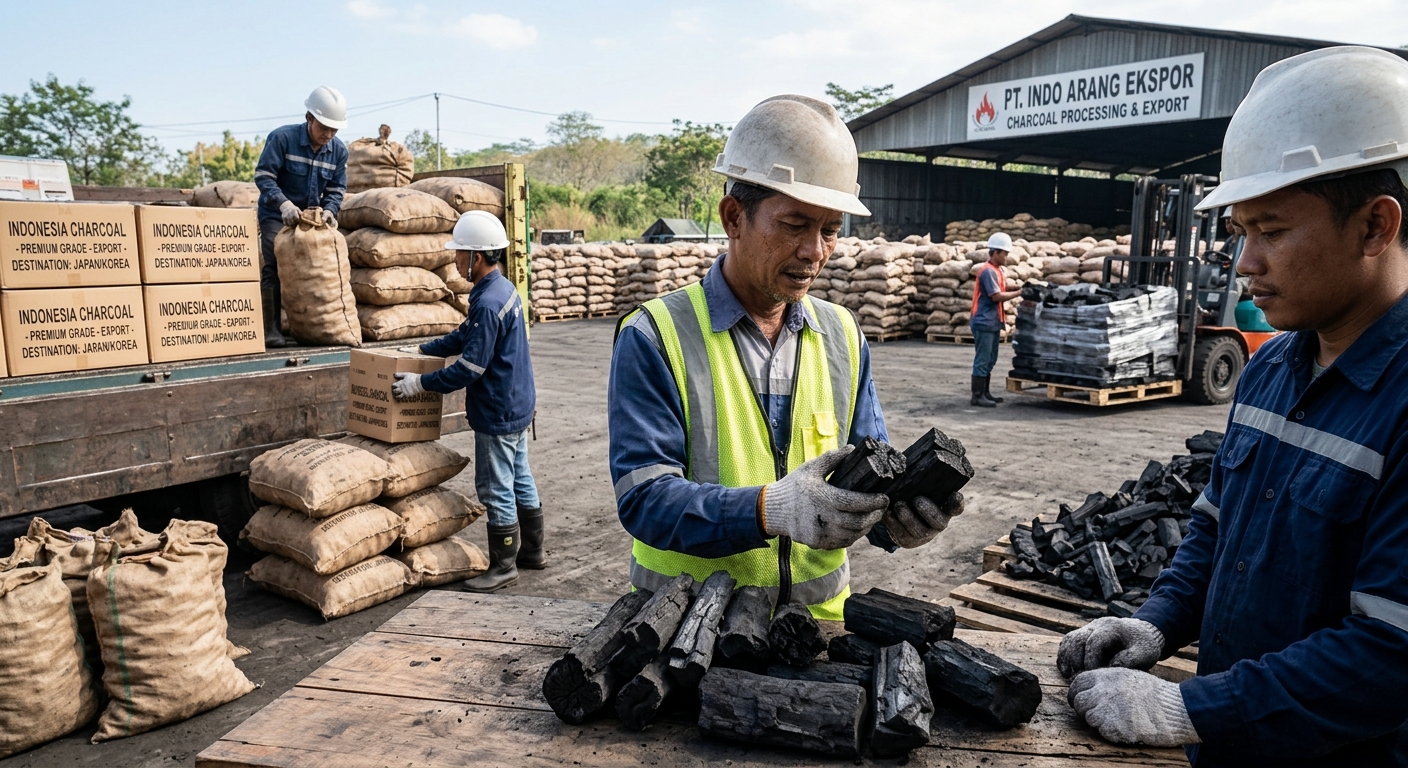
- Sourcing: High-grade coconut shells are collected, usually from Southeast Asia (Indonesia is the largest producer).
- Carbonization: The shells are burned in a low-oxygen environment to create raw charcoal.
- Crushing and Mixing: The carbonized shells are crushed into a fine powder and mixed with a natural binder (like tapioca starch) and water.
- Extrusion and Cutting: The mixture is pressed through an extruder to form long logs, which are then cut into the desired shapes (cubes, flats, or hexes).
- Drying: The briquettes are baked in industrial ovens for up to 24 hours to remove moisture, which is critical for preventing the charcoal from cracking during use.
Distributors who are transparent about their manufacturing partners’ processes are generally more trustworthy and capable of delivering superior products.
Logistics and Storage
Once you have secured a reliable wholesale distributor, managing your inventory becomes the next challenge. Proper storage of shisha charcoal is essential to maintain its efficacy. Charcoal is highly porous and will absorb moisture from the air, making it difficult to light and reducing its heat output. It must be stored in a cool, dry place, elevated off the ground, and kept in sealed containers or its original heavy-duty packaging. Speaking of storage, maintaining the quality of your entire inventory is crucial; you can learn more about protecting your shisha in How to Store Hookah Tobacco: The Ultimate Guide for Freshness.
Building a Long-Term Relationship with Your Distributor
Treat your relationship with your wholesale distributor as a partnership rather than a mere transactional interaction. Open lines of communication, prompt payments, and constructive feedback regarding product performance will foster goodwill. In turn, a good distributor will prioritize your orders, offer you better pricing tiers as your volume grows, and keep you informed about new products or potential supply chain disruptions.
Conclusion
Sourcing from the right wholesale shisha charcoal distributors is a fundamental pillar for any successful hookah-related business. By understanding the differences in charcoal types, prioritizing quality and consistency, and thoroughly evaluating a distributor’s logistics and pricing structures, business owners can ensure they provide an exceptional experience for their customers. Remember that the cheapest option is rarely the best, and investing in high-quality natural charcoal will pay dividends in customer loyalty and brand reputation.
Frequently Asked Questions (FAQ)
What is the difference between quick-light and natural shisha charcoal?
Quick-light charcoal contains chemical accelerants for fast ignition but burns quicker and can affect the flavor. Natural charcoal, usually made from coconut shells, requires a dedicated heat source to light but burns longer, hotter, and without imparting any taste or odor.
Where do most wholesale shisha charcoal distributors source their products?
The majority of premium natural coconut charcoal is manufactured in Southeast Asia, with Indonesia being the global leader due to its abundant supply of high-quality coconut shells.
Why is ash content important when buying wholesale charcoal?
A lower ash content (typically around 2-3% for premium coconut charcoal) means the charcoal burns more efficiently and requires less maintenance during the smoking session. High ash content can smother the coal and drop unwanted dust into the shisha bowl.
How should I store bulk quantities of shisha charcoal?
Charcoal should be stored in a cool, very dry environment. Keep the boxes off the concrete floor to prevent moisture absorption, and ensure the storage area is well-ventilated but protected from high humidity.