Introduction to Indonesian Charcoal Exports
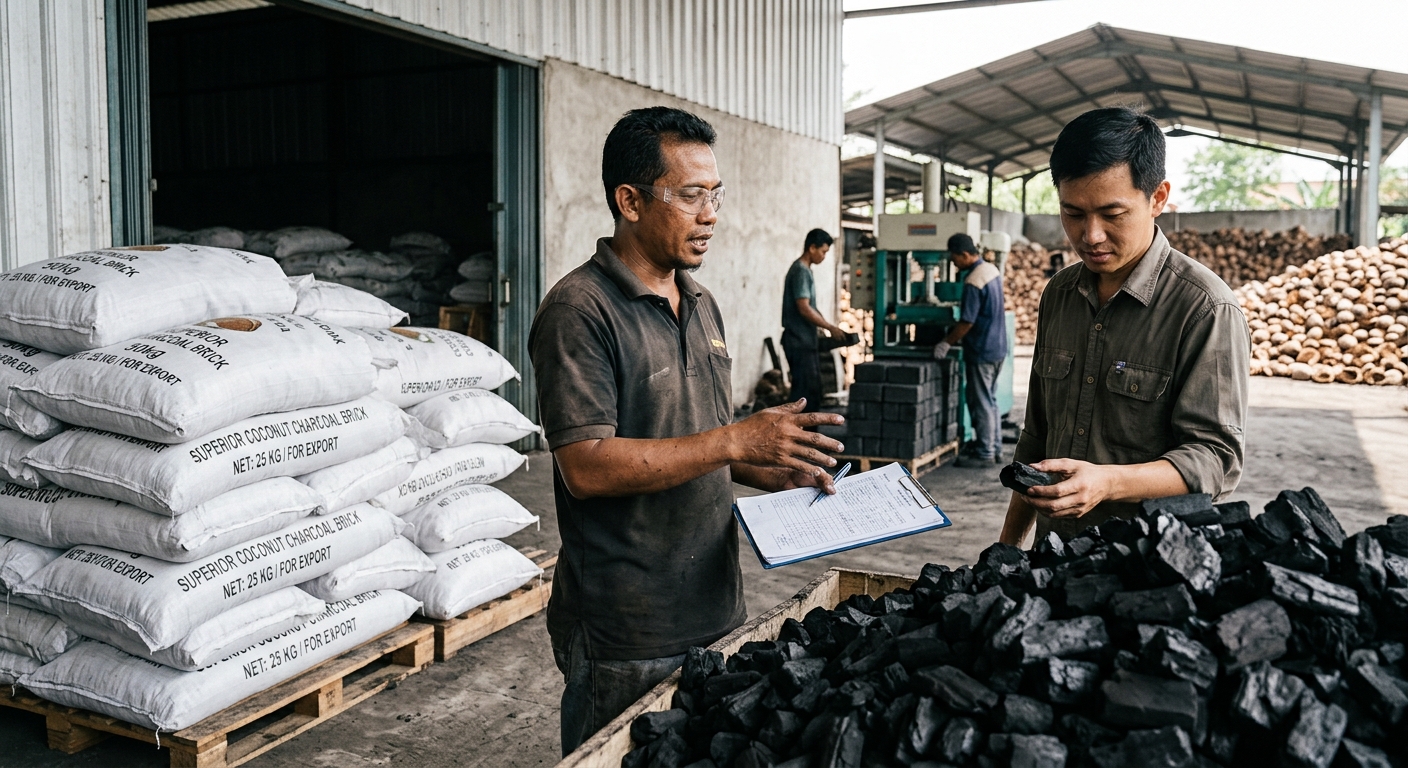
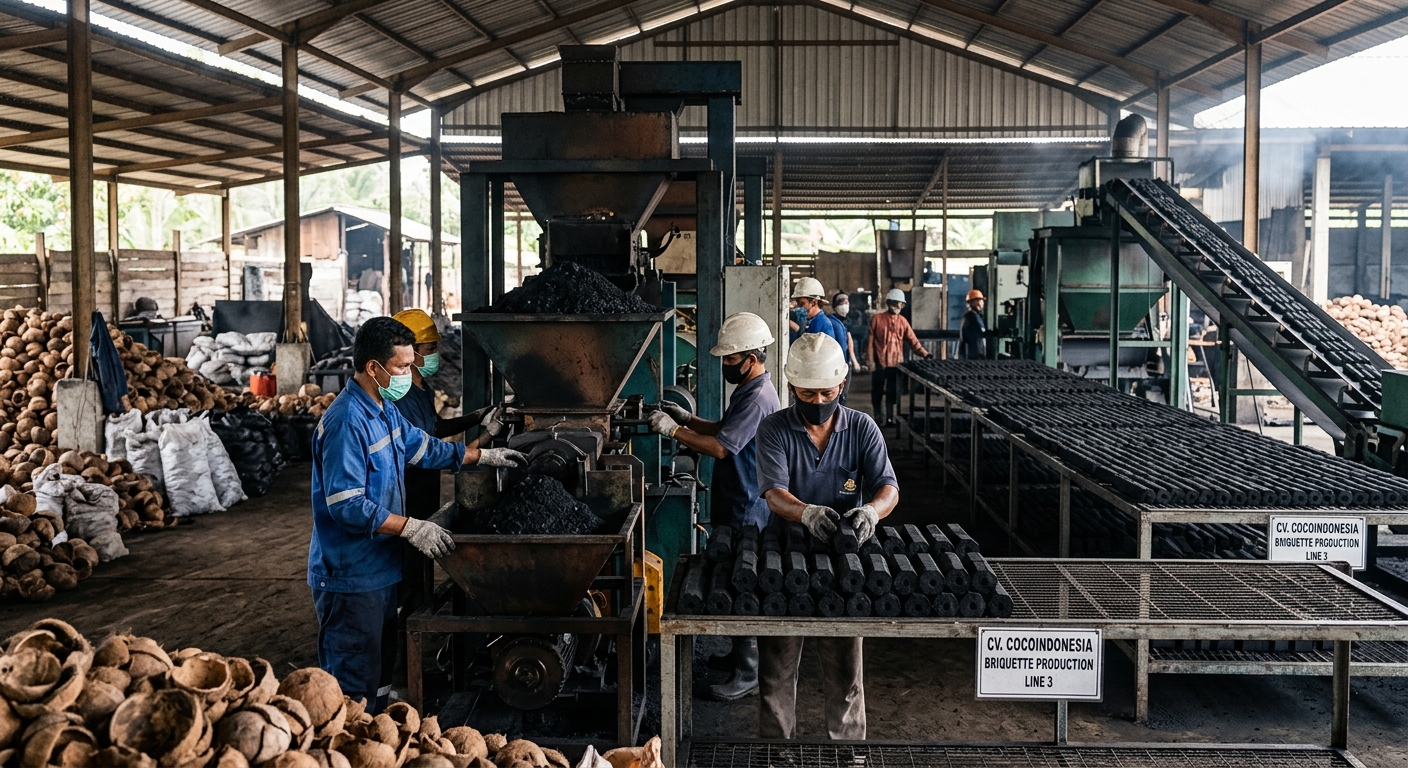
Indonesia is one of the world’s leading exporters of high-quality charcoal, particularly coconut shell charcoal, which is highly sought after for shisha/hookah and barbecue applications. The country’s abundant natural resources and established manufacturing processes make it a powerhouse in the global charcoal market. However, navigating the international trade of this commodity requires a deep understanding of the Indonesia charcoal export specifications.
In this comprehensive guide, we will explore the critical parameters, quality standards, packaging requirements, and legal documentation necessary for successfully exporting charcoal from Indonesia. Whether you are a buyer looking to source premium products or a new exporter aiming to enter the market, understanding these specifications is vital.
Key Quality Specifications for Export
When it comes to exporting charcoal, quality is paramount. Buyers across Europe, the Middle East, and the Americas demand stringent specifications to ensure optimal performance. Here are the primary quality metrics that define export-grade Indonesian charcoal:
1. Moisture Content
Moisture content is a critical factor in charcoal quality. High moisture can lead to difficulties in lighting, excessive smoke, and lower heat output. Export-grade charcoal typically requires a moisture content of under 5%. Premium coconut charcoal for shisha often maintains moisture levels below 4%.
2. Ash Content and Color
Ash content directly impacts the burning time and cleanliness of the charcoal. For shisha applications, an ash content of strictly less than 2.5% to 3% is required. Furthermore, the ash color is an important indicator of purity. Buyers generally prefer white or light grey ash, which indicates a complete burn and lack of impurities. For those passionate about shisha, understanding these nuances is as important as knowing How to Setup a Hookah for Thick Clouds: The Ultimate Professional Guide.
3. Volatile Matter
Volatile matter refers to the components of coal, except for moisture, which are driven off as a gas at high temperatures. Lower volatile matter (usually between 10% and 15%) means the charcoal will burn longer and produce less smoke and odor, which is particularly important for indoor use and flavor preservation.
4. Fixed Carbon
Fixed carbon is the solid combustible residue that remains after a coal particle is heated and the volatile matter is expelled. Higher fixed carbon means a higher energy value and longer burn time. Export specifications usually demand a fixed carbon content of 75% to 85% or higher for premium grades. This high carbon content is why Indonesian coconut charcoal is often highlighted in The Ultimate Guide to the Best Hookah Charcoal for Flavor.
5. Caloric Value
The caloric value measures the heat output of the charcoal. Premium export charcoal from Indonesia boasts a high caloric value, typically ranging from 7,000 to 7,500 kcal/kg, ensuring a sustained and intense heat suitable for various applications.
Charcoal Shapes and Sizes
Indonesian charcoal is manufactured in various shapes and sizes to cater to different end-uses. The specifications for these dimensions are highly precise for export orders.
- Cubes: Popular for shisha, standard sizes include 22x22x22mm, 25x25x25mm, and 26x26x26mm.
- Fingers/Cylinders: Often used in barbecue and some shisha setups, usually measuring 18-20mm in diameter and 35-50mm in length.
- Hexagonal: Primarily used for BBQ, known for long burn times. Typically 50mm in length with a center hole for better airflow.
- Briquettes: Pillow-shaped or custom molds for industrial and domestic heating or BBQ.
Packaging and Shipping Specifications
Proper packaging is crucial for preserving the quality of charcoal during transit and complying with international shipping regulations.
Inner Packaging
Charcoal is typically packed in thick plastic liners (usually around 0.8mm to 1mm thickness) to prevent moisture ingress. For retail-ready products, these are placed inside printed inner boxes, usually weighing 1kg, 2kg, or 3kg.
Outer Packaging
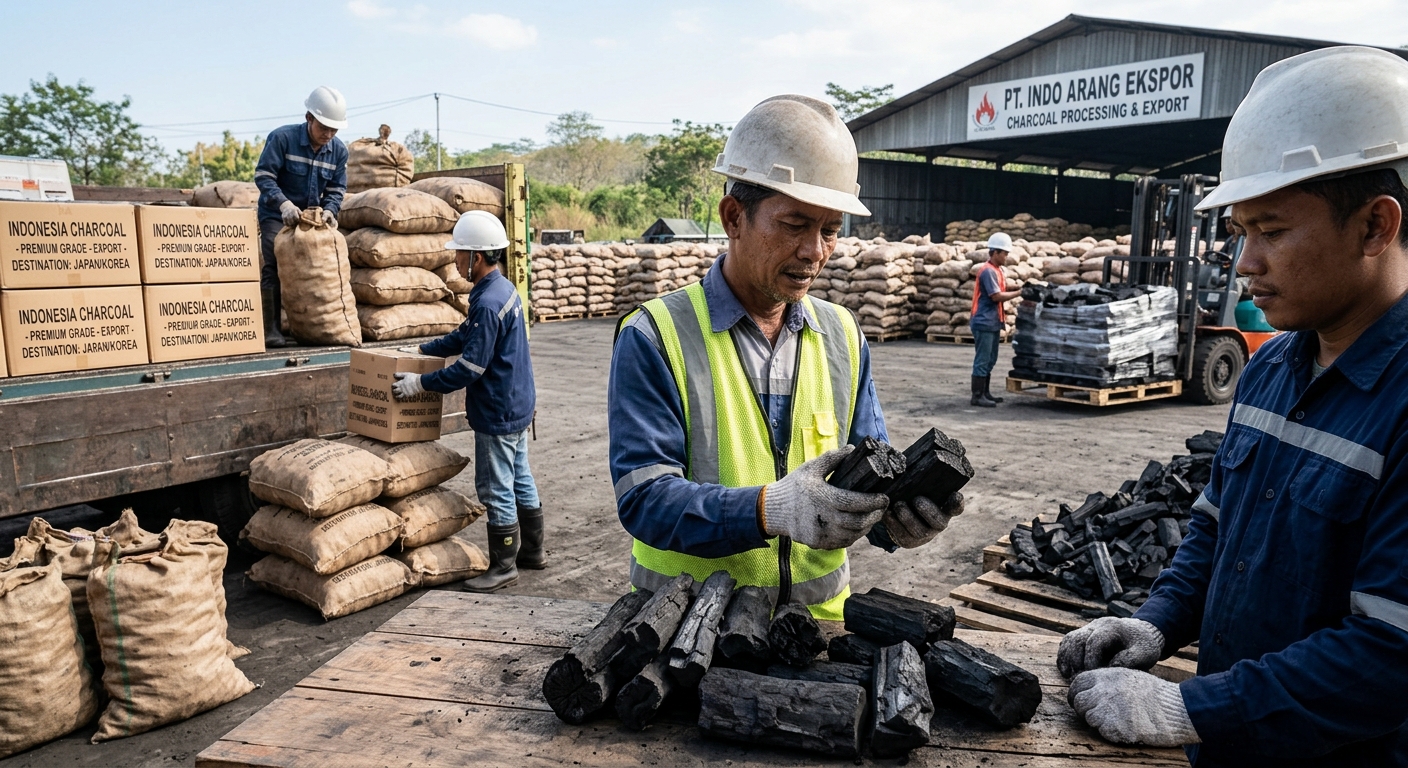
The inner boxes are then packed into robust, corrugated master carton boxes. A standard master carton holds 10kg to 20kg of charcoal. The cartons must be strong enough to withstand stacking during sea freight without collapsing and damaging the briquettes inside.
Shipping Regulations (IMDG Code)
Charcoal is classified as a dangerous good under the International Maritime Dangerous Goods (IMDG) Code, specifically Class 4.2 (Substances liable to spontaneous combustion). Exporters must provide a Self-Heating Test certificate (also known as a Vanning Certificate or SHT) from an accredited laboratory, proving the charcoal is safe for transport. Proper ventilation and specific stowage requirements on the vessel must be adhered to.
Standard Export Specifications Table
| Parameter | Standard Export Grade | Premium Shisha Grade |
|---|---|---|
| Moisture | Max 6% | Max 4% |
| Ash Content | Max 5% | Max 2.5% |
| Volatile Matter | Max 15% | Max 13% |
| Fixed Carbon | Min 75% | Min 80% |
| Caloric Value | Min 7000 Kcal/kg | Min 7300 Kcal/kg |
| Drop Test | Max 3 shatter pieces | Max 1-2 shatter pieces |
| Burning Time | Min 90 Minutes | Min 120 Minutes |
Legal Documentation and Certifications
To successfully export charcoal from Indonesia, several documents are mandatory to ensure legal compliance and smooth customs clearance:
- Commercial Invoice and Packing List: Detailing the value, weight, and contents of the shipment.
- Bill of Lading (B/L): The official shipping document issued by the carrier.
- Certificate of Origin (COO): Proving the product was manufactured in Indonesia.
- Material Safety Data Sheet (MSDS): Providing safety information for handling the product.
- Self-Heating Test Certificate: Required by shipping lines to prove the charcoal is not prone to spontaneous combustion (SHT / Vanning Certificate).
- Fumigation Certificate: Often required for wooden pallets used in shipping.
Conclusion
Exporting charcoal from Indonesia is a lucrative venture, provided that strict attention is paid to the intricate specifications and international regulations. From ensuring low moisture and ash content to securing the necessary safety certifications for shipping, every step is crucial in delivering a premium product to the global market. By adhering to the Indonesia charcoal export specifications outlined in this guide, businesses can build trust with international buyers and establish a strong presence in the competitive global charcoal industry.
Frequently Asked Questions (FAQ)
What is the most important specification for shisha charcoal?
For shisha charcoal, the most important specifications are low ash content (under 2.5%), no odor or taste when burning, and high fixed carbon. This ensures a clean burn that does not interfere with the flavor of the shisha.
Why is a Self-Heating Test (SHT) required for exporting charcoal?
Charcoal is considered a combustible material and is classified under Class 4.2 of the IMDG Code. The Self-Heating Test is mandatory to prove to shipping lines that the charcoal has been properly cooled and stabilized, and will not spontaneously combust during the long sea voyage.
What is the difference between coconut charcoal and hardwood charcoal for export?
Coconut shell charcoal generally has a higher fixed carbon content, lower ash residue, and burns hotter and longer with less smoke compared to hardwood charcoal. Because of these superior properties, coconut charcoal is typically graded for premium shisha, while hardwood is often preferred for traditional BBQ.
How is export charcoal packaged to prevent moisture damage?
To prevent moisture damage during transit, export charcoal is first sealed in thick, high-density plastic bags. These sealed bags are then placed inside inner retail boxes, which are subsequently packed into sturdy, multi-layered corrugated master cartons.