Introduction to Indonesia Charcoal Export
Indonesia is one of the world’s leading exporters of high-quality charcoal, particularly coconut shell charcoal briquettes. The country’s vast agricultural resources make it a prime location for sourcing sustainable and efficient energy products. Understanding the Indonesia charcoal export process is crucial for international buyers and local manufacturers aiming to tap into this lucrative market.
Sourcing and Manufacturing
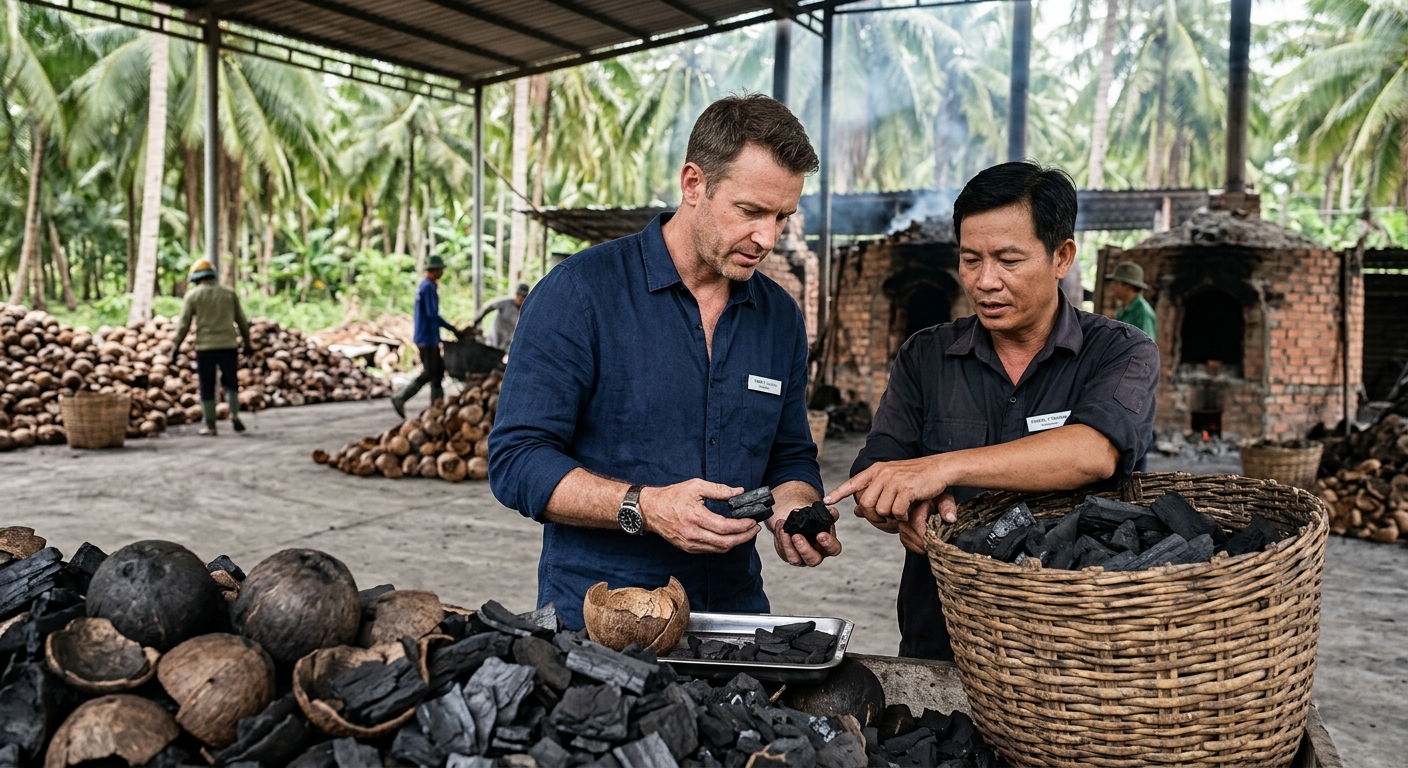
The journey of exporting charcoal begins with sourcing the right raw materials. In Indonesia, coconut shells are abundant and serve as the primary ingredient for premium charcoal. The manufacturing process involves carbonization, crushing, mixing with a natural binder, pressing into shapes, and drying. Quality control at this stage is vital to ensure the final product meets international standards for ash content, burning time, and calorific value.
Choosing a reliable Coconut Shell Briquettes Manufacturer: The Ultimate Guide to Sustainable Charcoal is the first step toward a successful export business. A reputable manufacturer will adhere to strict quality control measures and sustainable practices.
Legal Requirements and Documentation
Exporting charcoal from Indonesia requires navigating a complex web of legal requirements. Exporters must be registered business entities in Indonesia with the necessary trading licenses (SIUP) and export licenses (NIB). Furthermore, charcoal is considered a dangerous good (Class 4.2 – substance liable to spontaneous combustion) under international shipping regulations.
Key documents required for the export process include:
- Commercial Invoice
- Packing List
- Bill of Lading (B/L)
- Certificate of Origin (SKA)
- Self-Heating Test Report (SHT)
- Material Safety Data Sheet (MSDS)
- Vanning Certificate
Packaging and Storage
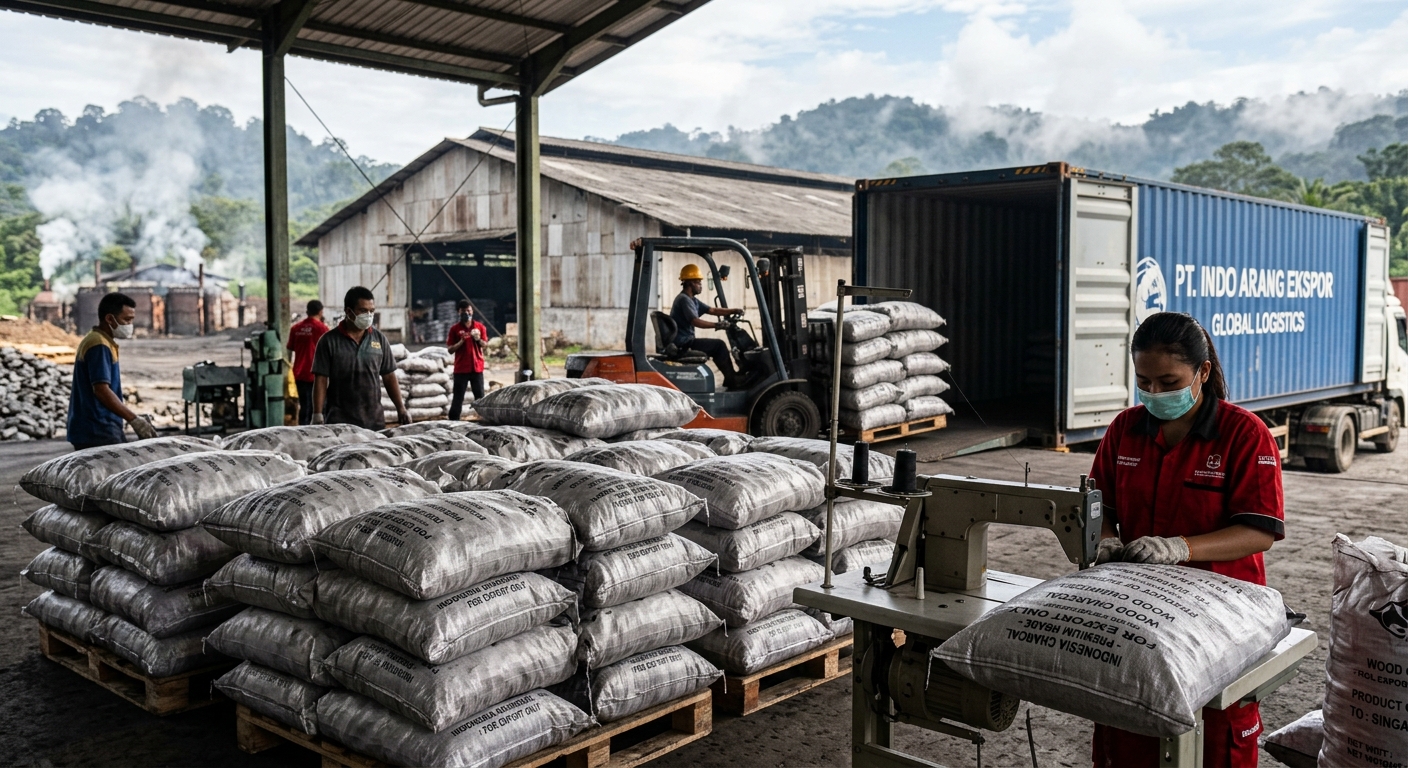
Proper packaging is essential not only for branding but also for safety during transit. Charcoal is typically packed in inner plastic bags, followed by inner boxes, and finally master carton boxes. This multi-layer packaging prevents moisture absorption and physical damage. When discussing related products, proper storage is just as critical; for instance, knowing How to Store Hookah Tobacco: The Ultimate Guide for Freshness ensures that the end-user enjoys a premium experience.
Shipping Logistics
Shipping charcoal internationally requires coordination with freight forwarders experienced in handling dangerous goods. Because of its classification, charcoal must undergo specific procedures before being loaded onto a vessel. This includes a surveyor inspection during the stuffing process (vanning) to ensure the cargo is loaded correctly and safely. Ocean freight is the standard method for exporting large volumes of charcoal, and transit times can vary from a few weeks to over a month depending on the destination.
Here is a comparison of common shipping container sizes used in the charcoal export industry:
| Container Size | Capacity (Max Payload) | Typical Briquette Capacity (Master Cartons) | Volume |
|---|---|---|---|
| 20ft Standard Dry | 28,000 kg | 18,000 kg | 33 cbm |
| 40ft High Cube | 28,600 kg | 26,000 kg | 76 cbm |
Conclusion
The Indonesia charcoal export process involves multiple steps, from sourcing sustainable raw materials to navigating complex shipping regulations. By partnering with experienced manufacturers and understanding the necessary legal and logistical requirements, businesses can successfully import high-quality Indonesian charcoal to meet growing global demand. Attention to detail in documentation, packaging, and shipping is paramount to ensure a smooth and profitable transaction.
Frequently Asked Questions
What makes Indonesian coconut charcoal popular?
Indonesian coconut charcoal is highly valued for its long burning time, high heat output, low ash content, and lack of smoke and odor, making it ideal for shisha and barbecue applications.
Why is charcoal considered a dangerous good for shipping?
Charcoal is classified as a dangerous good (Class 4.2) because it is a self-heating substance that can be liable to spontaneous combustion if not properly manufactured, cooled, and packaged.
What is a Self-Heating Test (SHT) report?
An SHT report is a mandatory document for shipping charcoal. It proves that the charcoal has been tested in a laboratory and falls within safe limits regarding its potential to spontaneously combust during transit.
How long does the export process take?
The export process timeline varies. Manufacturing can take 2-4 weeks, document preparation and vessel booking take 1-2 weeks, and ocean transit can take anywhere from 15 to 45 days depending on the final destination.