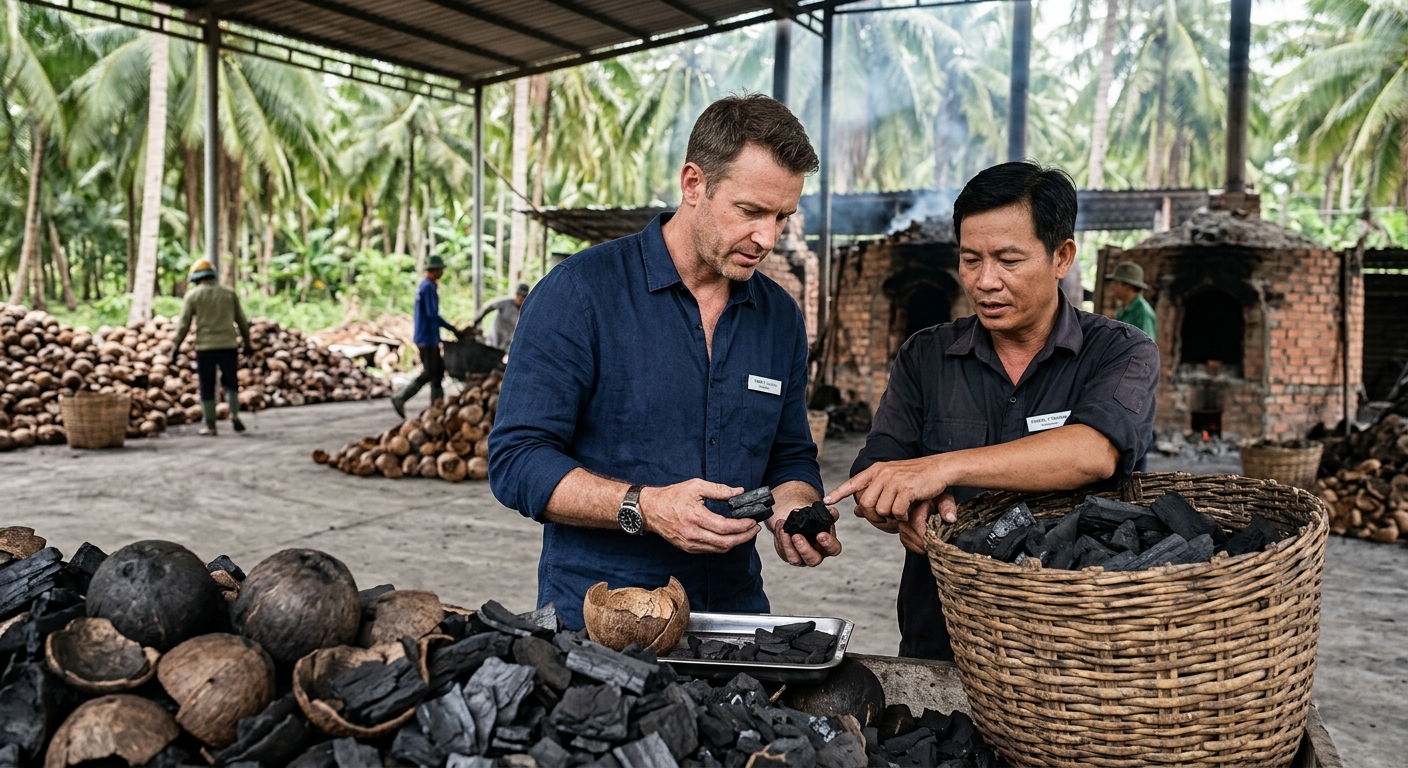
Introduction to Organic Coconut Shell Charcoal
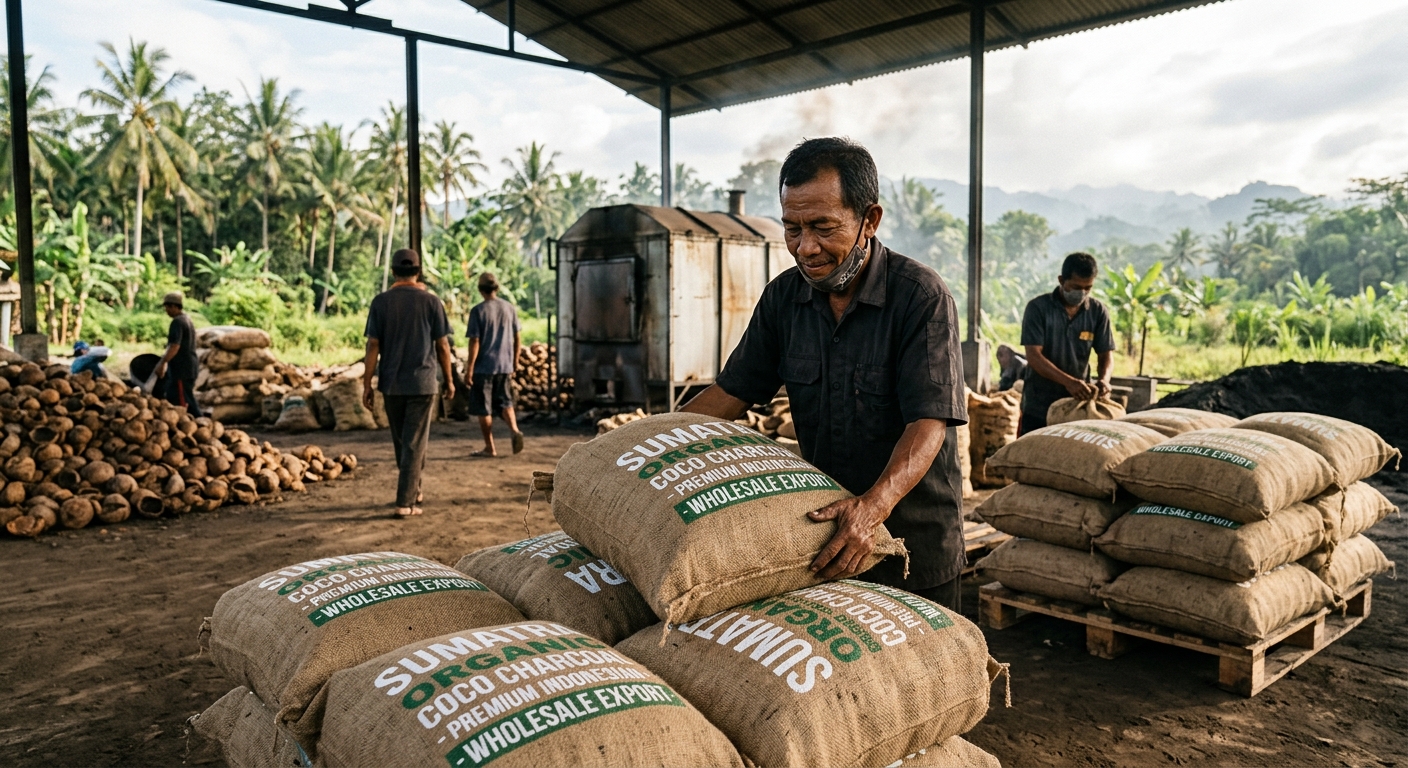
In recent years, the demand for sustainable and eco-friendly products has surged across various industries. One product that has gained significant traction is organic coconut shell charcoal. Sourced from the discarded shells of coconuts, this type of charcoal is not only an excellent alternative to traditional wood charcoal but also a testament to zero-waste agricultural practices. For businesses relying on high-quality charcoal for grilling, hookah, or industrial applications, finding a reliable organic coconut shell charcoal supplier is paramount.
Coconut shell charcoal is prized for its high carbon content, low ash residue, and long burning time. Unlike traditional charcoal, which often contributes to deforestation, coconut charcoal is made from a renewable byproduct. This makes it an environmentally responsible choice for consumers and businesses alike. If you are looking to scale your operations, understanding the nuances of sourcing can make a significant difference. For instance, reading A Complete Guide to Bulk Coconut Charcoal Briquettes Wholesale can provide invaluable insights into purchasing strategies.
The Manufacturing Process of Coconut Shell Charcoal
The journey from raw coconut shell to premium organic charcoal involves several meticulous steps. A reputable supplier ensures that each stage is carefully monitored to maintain the organic integrity and quality of the final product.
Sourcing and Carbonization
The process begins with sourcing mature coconut shells, typically from tropical regions where coconuts are abundant. These shells are cleaned and dried before undergoing carbonization. Carbonization involves heating the shells in a low-oxygen environment, transforming the raw biomass into pure carbon. This step is crucial; if the temperature is too high or oxygen levels are not controlled, the quality of the charcoal diminishes.
Crushing, Mixing, and Briquetting
Once carbonized, the charcoal is crushed into a fine powder. To create briquettes, this powder is mixed with a natural, organic binder—usually a starch derived from tapioca or cassava. This ensures the product remains 100% organic without any chemical additives. The mixture is then pressed into various shapes, such as cubes, cylinders, or hexagonal logs, depending on the intended use. Proper drying follows to remove any residual moisture, ensuring a clean, smokeless burn.
Why Choose Organic Coconut Shell Charcoal?
Switching to organic coconut shell charcoal offers numerous advantages over traditional wood or chemical-laden charcoal alternatives.
- Sustainability: Utilizing coconut shells prevents them from becoming agricultural waste and reduces the need for cutting down trees.
- High Heat and Long Burn: Coconut charcoal burns significantly hotter and longer than standard wood charcoal, providing excellent value for money.
- Low Ash Production: The high carbon purity means less ash is produced, making cleanup easier and keeping grilling or hookah sessions cleaner.
- Odorless and Smokeless: Because it contains no chemical binders or sulfur, it does not emit harsh smoke or alter the flavor of food or shisha.
Identifying a Reputable Organic Coconut Shell Charcoal Supplier
Partnering with the right supplier is critical to ensuring a consistent supply of premium charcoal. Here are key factors to consider when evaluating potential suppliers.
Certifications and Quality Control
A trustworthy supplier should hold relevant certifications that verify their organic and sustainable practices. Look for ISO certifications, organic labeling, or eco-friendly manufacturing credentials. Additionally, inquire about their quality control measures. Do they test for moisture content, ash percentage, and fixed carbon? High fixed carbon (typically above 75%) is a hallmark of premium coconut charcoal.
Production Capacity and Consistency
For wholesale buyers, a supplier’s production capacity is vital. They must be able to meet your volume requirements consistently without compromising quality. Delays in shipment or variations in product quality can severely impact your business operations.
Below is a comparison of typical specifications you might encounter when evaluating different grades of coconut shell charcoal provided by suppliers.
| Charcoal Grade | Fixed Carbon (%) | Ash Content (%) | Moisture Content (%) | Burn Time (Hours) |
|---|---|---|---|---|
| Premium Hookah Grade | 80 – 85 | 1.5 – 2.5 | 4 – 5 | 2.0 – 2.5 |
| Standard BBQ Grade | 70 – 75 | 3.0 – 5.0 | 6 – 8 | 4.0 – 5.0 (Bulk) |
Applications of Coconut Shell Charcoal
The versatility of organic coconut shell charcoal makes it suitable for a wide array of applications.
Hookah and Shisha
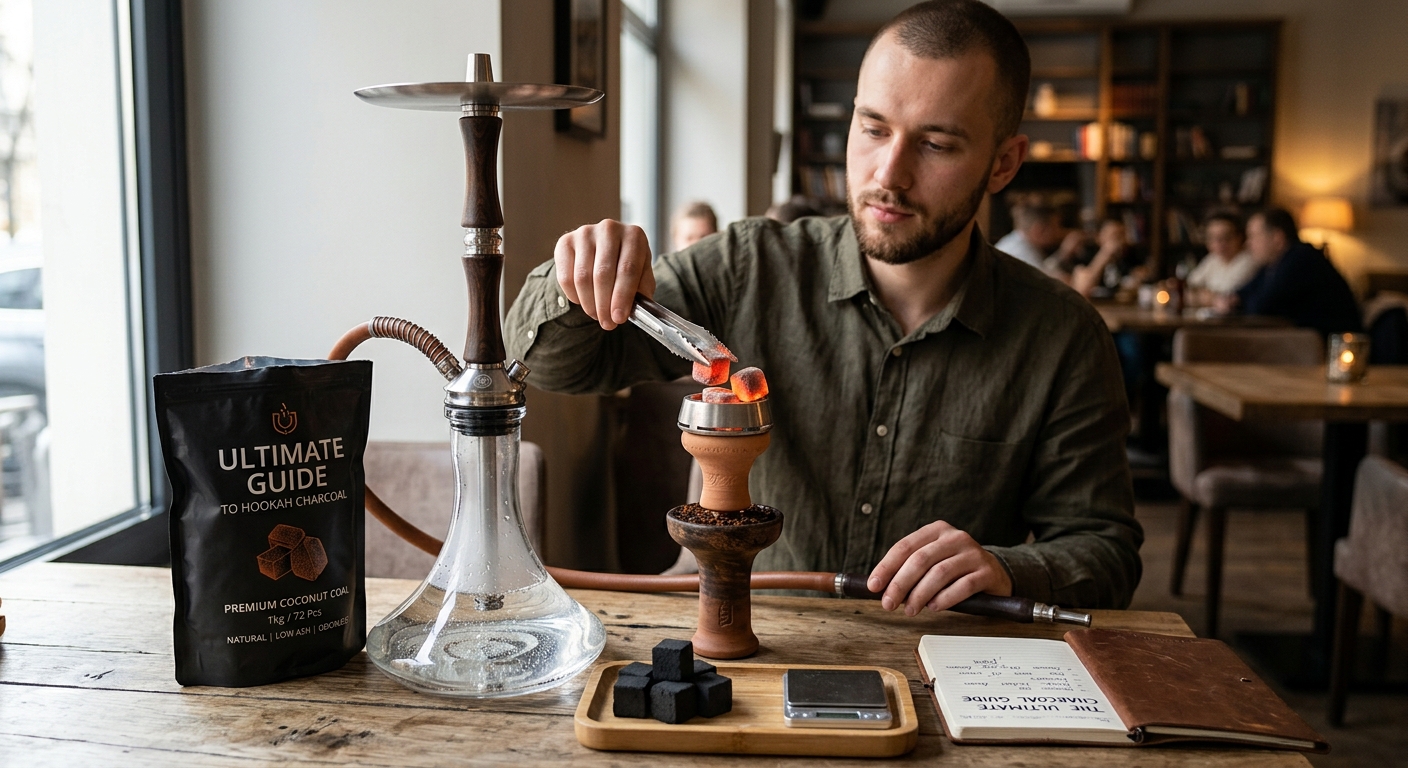
In the hookah community, coconut charcoal is the gold standard. Its odorless and smokeless properties ensure that the delicate flavors of the shisha tobacco are not overpowered. Furthermore, its consistent heat output provides a smooth smoking experience. To maximize this experience, proper setup is required. Novices and experts alike can benefit from resources like the Hookah Water Level Guide: Achieving the Perfect Draw to ensure their sessions are flawless.
Barbecue and Grilling
For culinary enthusiasts and commercial kitchens, coconut charcoal briquettes offer an exceptional grilling medium. The high heat sears meat perfectly, while the long burn time is ideal for slow-cooking and smoking. Because it produces minimal ash and no chemical odors, the true flavor of the food shines through.
Industrial and Agricultural Uses
Beyond recreational use, activated carbon derived from coconut shell charcoal is heavily used in water purification, air filtration, and gold extraction due to its highly porous nature. In agriculture, it can be used as biochar to improve soil fertility and water retention.
Conclusion
As the global market continues to pivot towards eco-friendly and sustainable products, the demand for organic coconut shell charcoal will undoubtedly rise. By understanding the production process, recognizing the benefits, and knowing what to look for in a reputable organic coconut shell charcoal supplier, businesses can secure a high-quality product that satisfies their customers while protecting the environment. Making the switch is not just a business decision; it is a step toward a more sustainable future.
Frequently Asked Questions (FAQ)
What makes coconut shell charcoal organic?
Coconut shell charcoal is considered organic when it is produced from natural coconut shells without the use of synthetic chemicals, artificial binders, or chemical accelerants during the carbonization and briquetting processes.
How long does coconut shell charcoal burn compared to wood charcoal?
Organic coconut shell charcoal typically burns 2 to 3 times longer than traditional wood lump charcoal. Depending on the size and shape of the briquette, it can burn consistently for 2 to 5 hours.
Can I use coconut shell charcoal indoors?
While coconut shell charcoal is smokeless and odorless, it still produces carbon monoxide when burned. Therefore, it should only be used in well-ventilated areas or outdoors to ensure safety.
Why is low ash content important for hookah users?
Low ash content is crucial for hookah users because excess ash can fall into the shisha bowl, altering the flavor and temperature. It also makes managing the heat and cleaning up much easier.

One thought on “Finding a Reliable Organic Coconut Shell Charcoal Supplier: A Comprehensive Guide”