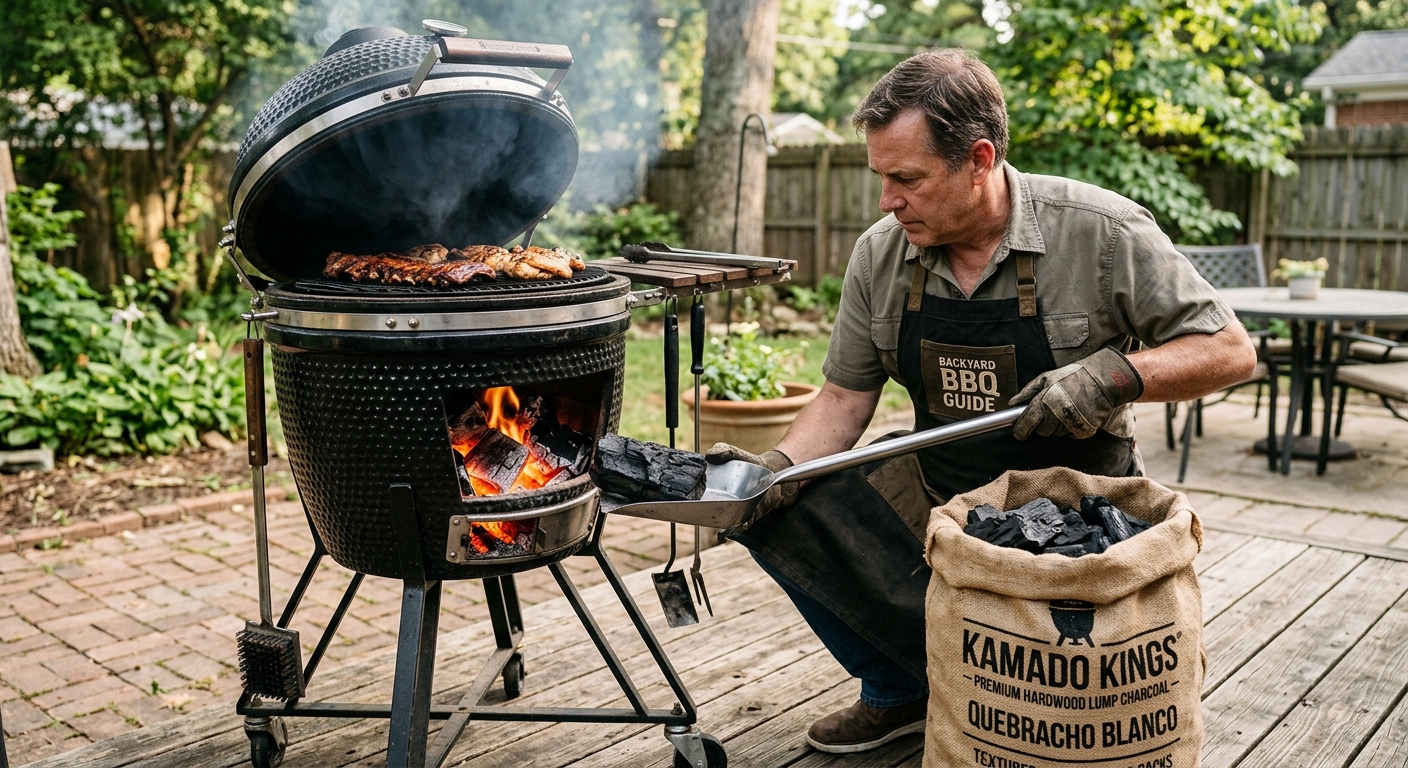
Introduction to Kamado Grilling and Charcoal
Kamado grills have taken the outdoor cooking world by storm, offering unparalleled heat retention, versatility, and efficiency. Whether you are searing a steak at 700 degrees or smoking a brisket low and slow for 12 hours, the fuel you use is just as important as the grill itself. Finding the best charcoal for a kamado grill is crucial for achieving optimal flavor, temperature control, and ash management. In this comprehensive guide, we will explore the different types of charcoal, what to look for when purchasing, and how to maximize your grilling experience.
Why the Right Charcoal Matters
Unlike traditional metal grills, kamado grills are typically made from thick ceramic, which absorbs and radiates heat efficiently. This design means you use significantly less fuel, but it also means the quality of that fuel directly impacts your cook. High-quality charcoal produces less ash, burns hotter and longer, and imparts a clean, wood-fired flavor to your food. Cheap charcoal can produce excessive smoke, leave an undesirable chemical taste, and create mountains of ash that can clog the airflow of your kamado, ruining a long smoke session.
For enthusiasts who also enjoy other smoking traditions, understanding charcoal quality is a universal skill. If you are curious about how charcoal affects different smoking experiences, you can read The Ultimate Guide to the Best Charcoal for Shisha Flavor. While the applications differ, the principles of pure, clean-burning fuel remain the same.
Hardwood Lump Charcoal vs. Briquettes
The great debate in the barbecue community often centers around lump charcoal versus briquettes. When it comes to kamado grills, the choice is generally much clearer, but it is important to understand the characteristics of both.
Hardwood Lump Charcoal
Hardwood lump charcoal is made by burning wood in the absence of oxygen until all the moisture and impurities are driven off, leaving behind pure carbon. It is the preferred fuel for kamado grills for several reasons:
- Less Ash Production: Lump charcoal produces significantly less ash than briquettes. This is vital for kamados, as too much ash can block the air vents, preventing proper temperature control.
- Higher Temperatures: Lump charcoal can reach much higher temperatures, perfect for searing steaks and making pizzas.
- Responsive to Airflow: It responds quickly to adjustments in the grill’s vents, allowing you to dial in your temperature with precision.
- Clean Flavor: Since it is made from 100% natural wood, it imparts a pleasant, smoky flavor without any chemical undertones.
Charcoal Briquettes
Briquettes are made from a mixture of wood by-products, coal dust, binders (like starch), and sometimes chemical accelerants, which are compressed into uniform shapes. While they offer a consistent burn time, they are generally not recommended for kamado grills.
- High Ash Content: The binders and fillers in briquettes create a large amount of ash, which can quickly choke the airflow in a kamado.
- Chemical Odors: Many briquettes contain additives that can produce a harsh, chemical smell, especially when first lit, which can taint the flavor of your food.
- Lower Maximum Temperatures: They typically do not burn as hot as lump charcoal, limiting the versatility of your kamado.
If you do choose to use briquettes, it is imperative to find 100% natural hardwood briquettes with no chemical binders. However, for the authentic kamado experience, lump charcoal is the clear winner.
Key Factors in Choosing the Best Lump Charcoal
Not all lump charcoal is created equal. When shopping for the best charcoal for your kamado grill, consider the following factors:
1. Size of the Chunks
A good bag of lump charcoal should contain a mix of sizes. Large, fist-sized chunks are excellent for the bottom of the firebox as they provide a stable base and long-lasting heat for low and slow smoking. Medium pieces fill in the gaps, and smaller pieces are useful for hot and fast grilling. Avoid bags that feel like they contain mostly dust and tiny chips, as these will burn up too quickly and restrict airflow.
2. Wood Type
The type of wood used to make the charcoal affects both the heat output and the flavor profile. Common woods include:
- Oak: Provides a neutral, classic barbecue flavor and burns consistently.
- Hickory: Offers a stronger, more robust smoky flavor, excellent for beef and pork.
- Mesquite: Burns very hot and fast, with an intense, earthy flavor. Best used sparingly or for quick grilling.
- Quebracho (South American Hardwood): Known as “axe-breaker” wood, it is incredibly dense, producing charcoal that burns exceptionally long and hot with very little ash.
3. Sourcing and Sustainability
Look for brands that source their wood sustainably. Some manufacturers use recycled wood from the lumber industry, while others harvest from sustainably managed forests. Avoiding charcoal made from scrap furniture or treated wood is crucial to ensure a clean burn.
For those looking to source charcoal in bulk, whether for extensive grilling or other uses, understanding the supply chain is beneficial. You can refer to this Natural Hookah Coals Wholesale Supplier: A Comprehensive Guide for insights into large-scale natural charcoal sourcing.
Top Charcoal Recommendations for Kamado Grills
To help you choose, here is a comparison of some popular charcoal types commonly used by kamado enthusiasts.
The following table compares three popular styles of lump charcoal based on their wood source, burn time, and flavor intensity.
| Charcoal Type | Wood Source | Burn Time | Flavor Intensity |
|---|---|---|---|
| Premium Oak/Hickory Blend | North American Hardwoods | Medium-Long | Moderate/Classic BBQ |
| South American Quebracho | Dense Quebracho Wood | Extremely Long | Mild/Neutral |
| Mesquite Lump | Mexican/Texan Mesquite | Medium-Fast | Strong/Earthy |
How to Light and Manage Charcoal in a Kamado
Using the right charcoal is only half the battle; knowing how to light and manage it is essential for success.
Lighting the Charcoal
Never use lighter fluid in a kamado grill. The porous ceramic will absorb the chemicals, and your food will taste like petroleum for months. Instead, use natural fire starters, a chimney starter, or an electric charcoal lighter.
- Natural Fire Starters: Place one or two wax-coated wood shaving cubes in the center of the charcoal pile and light them. Leave the grill dome open for about 10 minutes until the surrounding coals catch, then close the dome and adjust the vents.
- Electric Lighter: Devices like the Looftlighter use superheated air to ignite the charcoal in about 60 seconds without any chemicals.
Arranging the Coals
For low and slow smoking, build a pyramid with larger chunks at the bottom and smaller pieces on top. Light the very top of the pile. The fire will slowly burn downward over many hours (the “Minion Method”). For hot and fast grilling, light the charcoal in multiple places so the entire firebox gets hot quickly.
Conclusion
Selecting the best charcoal for a kamado grill is a pivotal step in mastering outdoor cooking. By opting for high-quality, 100% natural hardwood lump charcoal, you ensure a clean burn, precise temperature control, and a superior flavor profile for your meats and vegetables. Remember to pay attention to chunk size, wood type, and avoid chemical additives. With the right fuel in the firebox, your kamado grill will perform efficiently, turning every backyard barbecue into a culinary triumph.
Frequently Asked Questions
Can I use briquettes in a kamado grill?
While you can physically use briquettes, it is highly discouraged. Standard briquettes produce excessive ash that can block the airflow in a kamado, making temperature control difficult. They also often contain chemical binders that can impart an off-flavor to your food. If you must use briquettes, seek out 100% natural hardwood briquettes with no fillers.
How long does a bag of lump charcoal last in a kamado?
Because kamado grills are highly efficient and retain heat exceptionally well, a 20-pound bag of high-quality lump charcoal can last for multiple cooks. Depending on whether you are doing high-heat searing or low-and-slow smoking, a single load of charcoal can easily burn for 12 to 18 hours.
Why is my charcoal producing so much smoke?
Heavy, billowing white smoke is usually a sign of unburned impurities, moisture in the charcoal, or grease dripping onto the coals. Wait until the smoke turns thin and slightly blue before putting your food on the grill. If the charcoal consistently produces bad smoke, you may need to switch to a higher-quality, fully carbonized lump charcoal.
Can I reuse unburned charcoal?
Yes! One of the great benefits of a kamado grill is that you can shut the top and bottom vents completely to extinguish the fire. Any unburned charcoal left in the firebox can be stirred to knock off the ash and reused for your next cook, simply by adding a little fresh charcoal on top.
One thought on “The Ultimate Guide to the Best Charcoal for a Kamado Grill”