Introduction to Indonesia’s Coconut Charcoal Industry
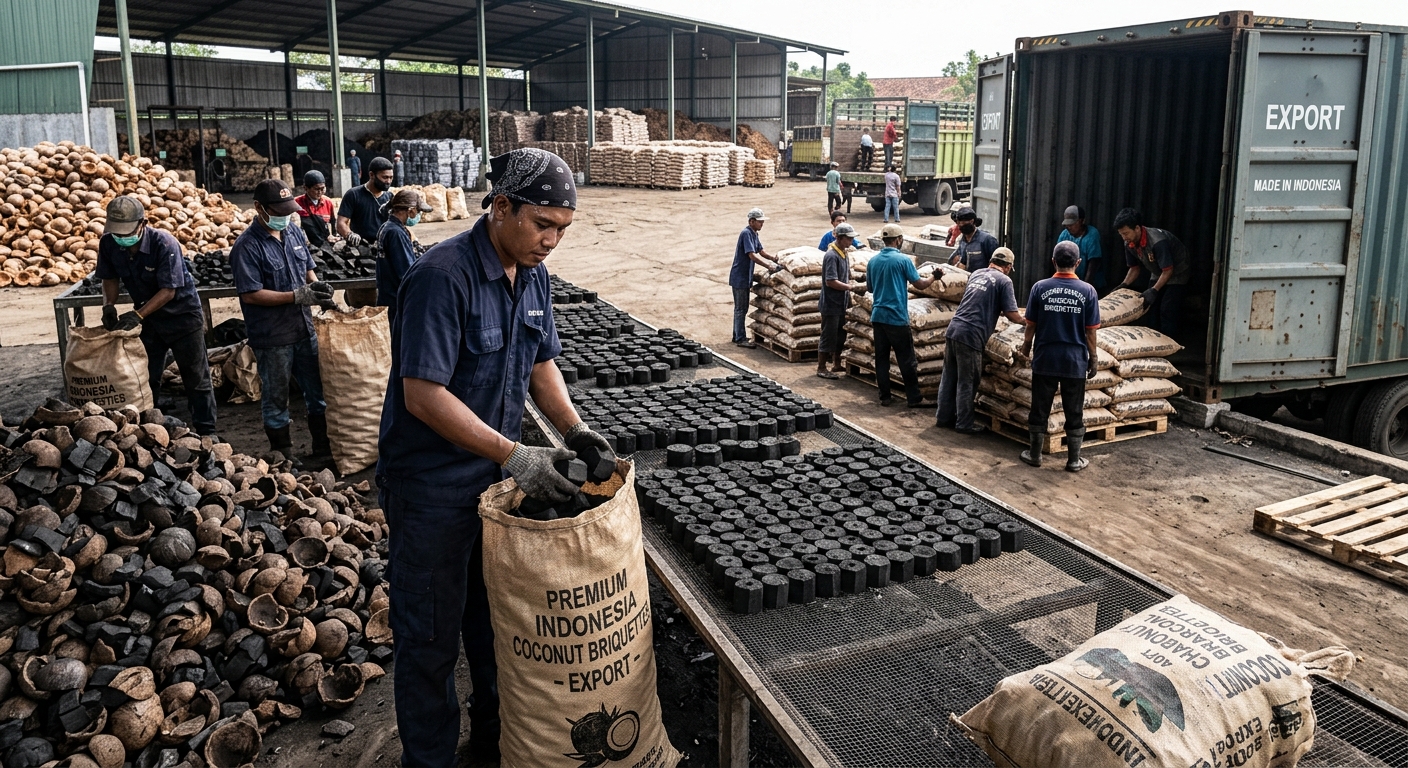
Indonesia is globally recognized as one of the leading producers and exporters of high-quality coconut shell charcoal. With an abundance of coconut plantations spanning the archipelago, the country has developed a robust industry focused on producing premium charcoal for various applications, including shisha (hookah), barbecue, and industrial uses. For international buyers, having access to a reliable Indonesia coconut charcoal exporters list is crucial for securing top-tier products at competitive prices.
The demand for Indonesian coconut charcoal stems from its superior characteristics: high heat retention, long burning time, minimal ash production, and an odorless, smokeless burn. These qualities make it the preferred choice for discerning consumers and businesses worldwide. In this comprehensive guide, we will explore the landscape of Indonesian exporters, what to look for when choosing a supplier, and how to ensure you are getting the best quality for your specific needs.
Why Choose Indonesian Coconut Charcoal?
When sourcing charcoal, buyers often compare products from various countries. However, Indonesian coconut charcoal consistently stands out due to several key factors. Firstly, the raw materials are abundant and of exceptionally high quality. The tropical climate and fertile soil conditions in Indonesia yield coconuts with thick, dense shells, which are ideal for producing high-carbon charcoal.
Secondly, the production processes in Indonesia have been refined over decades. Experienced manufacturers utilize advanced carbonization and briquetting techniques to maximize the fixed carbon content, often exceeding 80%. This results in a product that burns hotter and longer than standard wood charcoal or lower-grade coconut charcoal from other regions. If you are exploring options for grilling, you might want to read a BBQ Coconut Charcoal Briquettes Review: Are They Worth It? to understand the tangible benefits of switching to this premium fuel source.
Key Factors When Evaluating Exporters
Finding the right supplier goes beyond just picking a name from an Indonesia coconut charcoal exporters list. You must evaluate potential partners based on rigorous criteria to ensure consistency, quality, and reliability in your supply chain.
1. Quality Control and Specifications
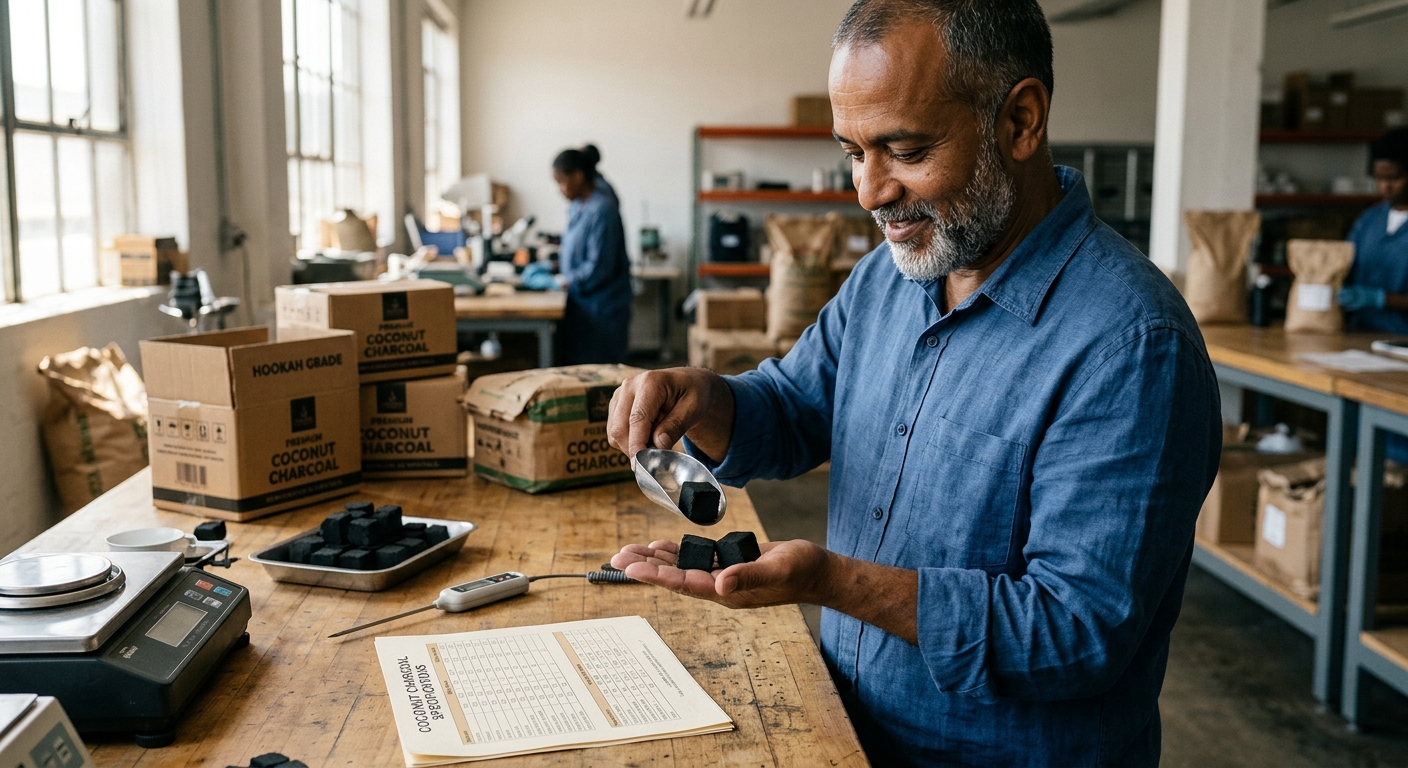
A reputable exporter should provide clear specifications for their products, including fixed carbon percentage, ash content, moisture level, and volatile matter. Request lab test reports from independent third-party testing facilities to verify these claims. High-quality shisha briquettes, for example, typically boast an ash content of less than 2.5% and a burning time exceeding two hours.
2. Production Capacity and Scalability
Consider the production capacity of the supplier. Can they meet your current volume requirements, and do they have the infrastructure to scale up as your business grows? Reliable exporters will be transparent about their monthly output capabilities and lead times.
3. Sustainability and Sourcing Practices
Modern consumers and businesses place a high premium on sustainability. It is vital to ensure that the exporter sources their coconut shells ethically and utilizes eco-friendly production methods. For more insights on sourcing sustainably, refer to Finding a Reliable Organic Coconut Shell Charcoal Supplier: A Comprehensive Guide.
Comparing Typical Coconut Charcoal Grades
Indonesian exporters usually offer different grades of charcoal tailored for specific uses. The table below compares the typical specifications of Premium Shisha Grade and Standard BBQ Grade charcoal briquettes.
| Grade Type | Fixed Carbon (%) | Ash Content (%) | Burning Time (Hours) | Primary Application |
|---|---|---|---|---|
| Premium Shisha | 80 – 85 | 1.8 – 2.5 | 2.0 – 2.5 | Hookah / Shisha |
| Standard BBQ | 70 – 75 | 4.0 – 6.0 | 4.0 – 5.0 | Barbecue Grilling |
Navigating the Export Process
Importing coconut charcoal from Indonesia requires an understanding of international shipping and customs regulations. Because charcoal is often classified as a dangerous good (due to its self-heating properties), it is subject to strict maritime transport regulations under the IMDG (International Maritime Dangerous Goods) Code. Your exporter should be experienced in handling these logistics, including providing the necessary Material Safety Data Sheets (MSDS) and self-heating test certificates required by shipping lines.
Furthermore, ensure that all export documentation, such as the Bill of Lading, Commercial Invoice, Packing List, and Certificate of Origin, is prepared accurately to avoid delays at your destination port.
Building a Long-Term Supplier Relationship
Success in importing charcoal relies heavily on building a strong, mutually beneficial relationship with your supplier. Communication is key. Regularly discuss your requirements, provide feedback on shipments, and consider visiting their manufacturing facilities in Indonesia. A site visit not only builds trust but also allows you to inspect their quality control processes firsthand.
Conclusion
Sourcing from an Indonesia coconut charcoal exporters list can be a highly lucrative endeavor for your business, provided you conduct thorough due diligence. By focusing on quality specifications, production capacities, and ethical sourcing, you can partner with top-tier manufacturers who will deliver consistent, premium products. Whether you are supplying the thriving shisha market or catering to BBQ enthusiasts, Indonesian coconut charcoal remains the gold standard in the industry.
Frequently Asked Questions
What makes Indonesian coconut charcoal better than wood charcoal?
Indonesian coconut charcoal has a higher carbon content, which means it burns hotter and longer than standard wood charcoal. It also produces significantly less ash, emits no smoke, and is completely odorless, making it perfect for both shisha and premium BBQ applications.
Is coconut charcoal considered sustainable?
Yes, coconut charcoal is highly sustainable. It is made from the discarded shells of coconuts, which are a byproduct of the copra and coconut oil industries. No trees are cut down to produce coconut shell charcoal.
Why is shipping charcoal internationally so complicated?
Charcoal is classified as a hazardous material for ocean freight due to its potential to self-heat. Therefore, exporters must provide specific documentation, including self-heating test certificates, to comply with international maritime safety regulations.
How do I verify the quality of a potential exporter’s charcoal?
You should request a sample shipment before placing a large order. Additionally, ask the exporter for recent independent laboratory test reports detailing the fixed carbon, ash content, volatile matter, and moisture levels of their products.