Getting your fuel products to market in perfect condition is a top priority for any business. The right container system is critical for preserving the integrity of your inventory from production to the end consumer.
In 2025, industry expert Greg Ryabtsev updated this comprehensive guide to provide wholesale buyers with the latest insights. This resource details the essential features required for professional-grade product protection.
Whether sourcing for retail or industrial use, understanding these nuances is vital. We explore various materials and design configurations that ensure your goods remain in peak condition.
By following these guidelines, you can effectively manage your supply chain. Your brand will stand out in a competitive global marketplace. For specific inquiries, contact the expert directly via WhatsApp at +6282128768545 or email export@charcoal.pro.
Our analysis covers everything from basic protective layers to advanced automation. It provides a clear roadmap for selecting the right option. Learn more about premium fuel products in our comprehensive guide.
Key Takeaways
- An updated 2025 guide provides the latest insights for wholesale buyers.
- Proper product protection is essential for maintaining inventory quality from factory to consumer.
- Material and design choices directly impact brand integrity and market competitiveness.
- Understanding these options helps manage the supply chain effectively.
- Expert advice is available for specific business needs and inquiries.
- The right selection can distinguish your brand in a crowded global market.
- A clear roadmap exists for choosing between basic and advanced systems.
Overview of Charcoal Briquette Packaging Solutions for Optimal Protection
Warehouse operations, with their rigorous handling, test the mettle of any container system designed for fragile goods. The primary role of this outer layer is to shield your inventory from physical shocks during loading and unloading.
It acts as the essential first line of defense. Using sturdy materials is non-negotiable to prevent breakage and preserve the item’s structural integrity.
Effective designs must consider the unique physical properties of the contents. This ensures products remain intact from the production line to the final customer.
Prioritizing this protective shell drastically cuts down on waste. Suppliers guarantee clients receive their order in the same pristine condition it left the facility.
This approach safeguards your commercial investment against the complex hazards of global shipping and storage. For deeper insights into material selection, explore our comprehensive guide on premium fuel products.
The Importance of Packaging for Charcoal Briquettes
Two invisible enemies—moisture and dust—can ruin a premium fuel product before it’s ever used. A good container does much more than hold items. It safeguards their core function and shapes how customers see your brand.
Protection from Moisture and Dust
Keeping your goods dry is non-negotiable. Damp fuel is very hard to light and won’t reach the high heat users expect. This makes a sealed, moisture-resistant shell essential.
The creation of shisha charcoal also creates a lot of fine dust. High-quality materials trap this debris inside. This ensures the end user receives a clean, ready-to-use product.
Enhancing Brand Perception
Your package is the first thing a buyer sees. Its look and feel create a powerful first impression about your company’s quality and care.
A smart, attractive design makes your items pop on crowded retail shelves. It silently tells shoppers they are choosing a superior option. This visual communication is a key sales tool.
Consistent, professional presentation builds trust. It helps customers remember your name and come back for more. In a busy market, this identity fosters lasting loyalty. Discover more about presenting premium fuel products effectively.
Key Features of Durable and High-Quality Packaging
Selecting the right protective shell for your fuel involves more than just containment. It’s about active defense against physical and environmental threats during transit.
Superior materials and intelligent design work together to guard your commercial investment. These features ensure products arrive in the condition they left the factory.
Damage Prevention and Structural Integrity
Ensuring structural integrity is vital. Even strong materials can suffer cracks if subjected to rough handling.
Implementing advanced features helps prevent this damage. It ensures the fuel reaches the customer without excessive dust or breakage.
Durable materials are essential for maintaining quality. They provide a reliable barrier against factors that could degrade the product.
Temperature Control and UV Protection
High-quality packaging provides necessary thermal control. It shields contents from direct sunlight and excessive heat during shipping.
This is critical for safety. An independent SHT test confirmed coconut shell charcoal briquettes are safe from self-ignition when stored correctly.
This proactive shielding preserves the fuel’s performance. It guarantees reliability for the end-user. Learn more about material standards in our guide to premium fuel products.
Innovative Packaging Materials and Design Options
Moving beyond basic protection, the next frontier for product integrity lies in the strategic selection of advanced materials and clever design configurations.
These choices directly impact both durability during transit and the unboxing experience for the end user.
Inner Plastic Varieties and Benefits
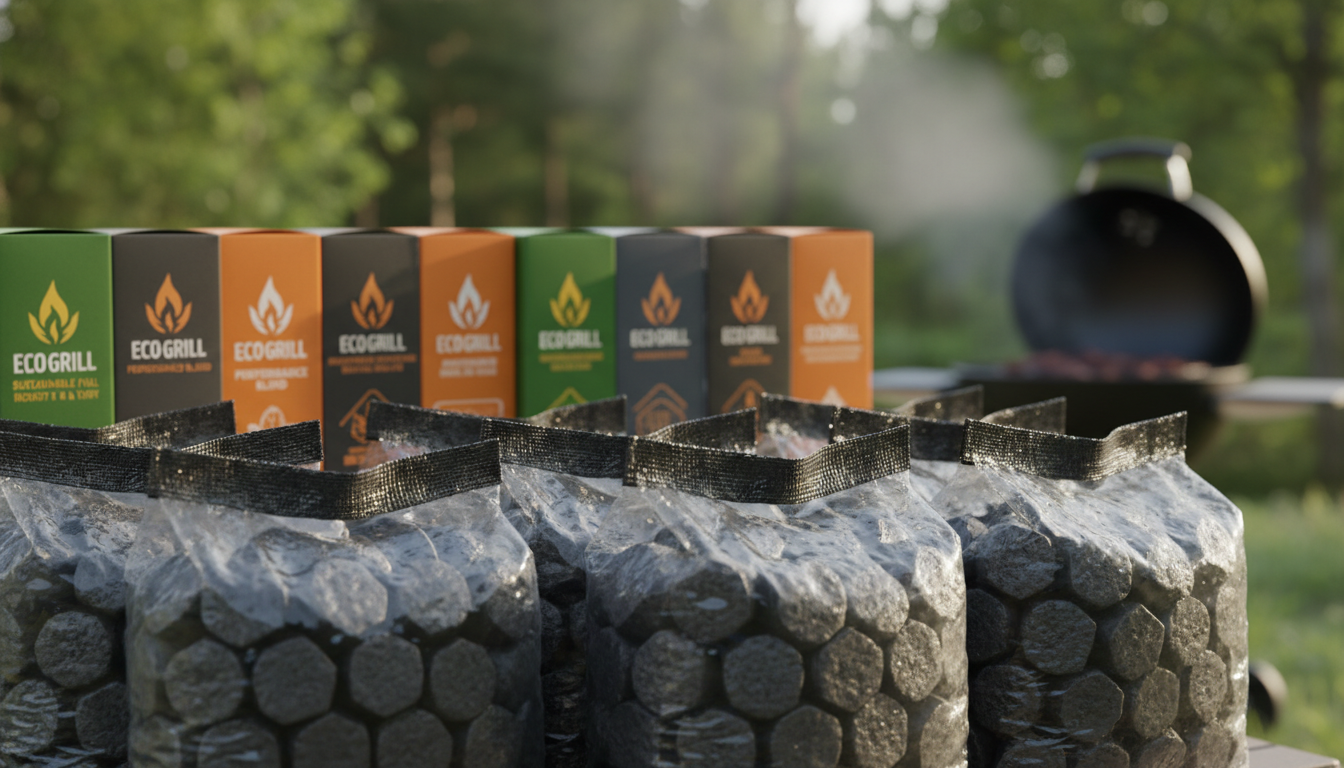
A specialized inner liner is a game-changer. This flexible material cradles individual fuel cubes, maintaining their precise shape.
It locks in fine dust and provides an extra barrier against ambient humidity. This ensures the product arrives clean and ready for immediate use.

Corrugated Boxes and Duplex Paper Finishes
The primary container is often built from corrugated E-flute cardboard. This design offers excellent strength-to-weight ratio, crucial for shipping.
Standard dimensions provide an efficient fit for various product sizes:
- A typical inner box measures 108 x 98 x 150 mm.
- Dimensions are easily adjusted to snugly fit specific cube profiles.
- Upgrading the outer finish to 350gsm duplex paper adds a luxurious feel, costing about 80 USD more per ton than standard 250gsm paper.
This intelligent packaging design minimizes internal movement. It drastically reduces the risk of damage within the master carton.
For a complete look at high-performance options, review our guide on premium fuel products.
Branding and Customization in Packaging Solutions
In today’s competitive market, the visual appeal of your container can be as crucial as the product inside. Transforming a standard box into a branded experience directly influences buyer perception and fosters loyalty.
Effective customization turns functional protection into a powerful marketing tool. It makes your items stand out on crowded retail shelves.
Custom Screen Printing and Sticker Options
Applying your logo via screen printing builds instant brand recognition. This process typically requires a lead time of two to three weeks for production.
Another smart option is using branded tape to seal the inner liner. This requires a factory order of at least 50 tons of fuel to produce.
Hologram Stickers and Moisture Absorber Branding
Hologram stickers act as security features for your goods. They help prevent counterfeiting while adding a premium, professional finish that buyers appreciate.
Factories can also produce customized silica gel packs featuring your logo. This option requires a minimum order volume of 200 tons.
Including these absorbers in every bag shows you care about the details. It ensures the fuel stays dry and ready for immediate use, which clients value highly.
Packaging in International Trade and Bulk Shipments
The journey from factory to foreign market is governed by a web of country-specific regulations and standards. Success in global fuel trade hinges on meticulous preparation for customs and port authorities.
Regulatory Compliance and Labeling Requirements
International trade of charcoal briquettes demands strict adherence to complex rules. Each destination market has specific labeling requirements for fumigation and contents.
A standard 20ft container typically holds about 20 tons of bulk charcoal. Efficient palletization is essential to maximize this shipping capacity and secure the load.
Markets like Australia enforce rigorous standards. They strictly demand ISPM 15-certified wooden pallets and may reject entire shipments lacking proper documentation.
Correct use of pallets significantly reduces the risk of damage during transportation. It ensures the fuel reaches international distributors in optimal condition.
Exporters must understand these details to avoid costly port delays. For guidance navigating these global logistics, consult our resource on premium fuel products.
Advancements in Packaging Machinery and Automation
The final step in preparing fuel for market has been revolutionized by intelligent machinery. Modern systems transform the labor-intensive finishing line into a high-speed, precise operation.
Automatic Feeding, Weighing, and Sealing Technologies
Equipment like the SL-BC-50F exemplifies this progress. This commercial unit handles a weighing range of 3-50kg, accommodating various product sizes.
It operates at a speed of 4-6 bags per minute. An intelligent electronic system controls the entire sequence.
This includes automated feeding, precise weighing, bag clamping, filling, and sewing. The process delivers consistent results with minimal human intervention.
Efficiency Gains in Charcoal Briquettes Production
Integrating such machines significantly boosts output during the final stage. Factories achieve higher accuracy in every bag filled.
This automation directly reduces the labor costs tied to manual packing. It also ensures each container meets the exact weight specifications demanded by global buyers.
The use of this technology is a clear step toward more reliable and scalable production.
Addressing Packaging Challenges for Bulk Charcoal Exports
Global distributors face unique obstacles when shipping fragile fuel products across continents and climates. Two primary issues threaten quality: physical breakage and environmental exposure.
Success here requires a proactive approach to container design and material selection.
Managing Fragility and Excess Dust
Rough handling during logistics can cause significant product damage. This breakage creates excess dust, which degrades the user experience.
Tailored packaging solutions cradle individual pieces securely. This minimizes internal movement and contains debris within the liner.
Overcoming Moisture and Transportation Issues
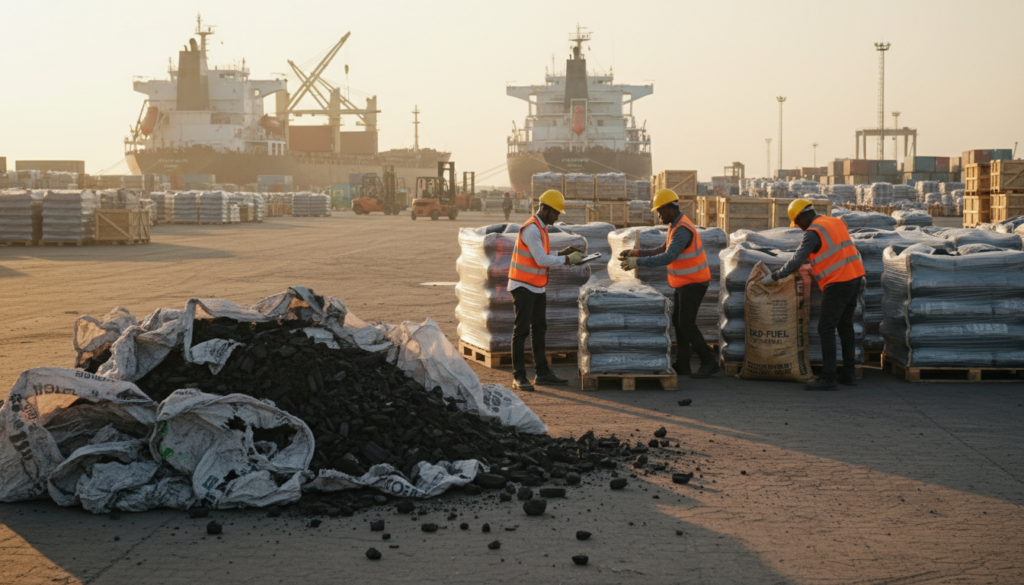
Ambient humidity is a constant threat during sea and land transportation. Absorbed moisture makes fuel difficult to ignite and can lead to customs rejection.
Effective systems must include sealed, moisture-resistant linings. Durable outer bags are also critical to withstand stacking and long hauls.
| Export Challenge | Primary Risk | Recommended Solution |
|---|---|---|
| Fragility of charcoal briquettes | Breakage & dust creation | Internal cushioning & snug-fit design |
| Excess dust production | Poor product presentation | High-barrier inner plastic liner |
| Moisture absorption | Failed ignition & customs issues | Hermetically sealed bags with desiccant packs |
| Long-distance transit | Physical wear and tear | Reinforced, multi-ply outer packaging |
Suppliers like Tu Charcoal have delivered specialized solutions to clients in over 30 countries. This experience is vital for navigating these complex hurdles.
Proactively addressing these points maintains product quality and builds lasting trust with international partners. For more on securing your shipment, see our guide on premium fuel products.
Comparing Packaging Options: Plastic, Box, and Pallet Configurations
A side-by-side analysis of common formats reveals the best fit for different stages of the supply chain. Each choice balances cost, protection, and handling efficiency.
Your specific needs determine the ideal combination. A premium retail product may use an inner box, while bulk export relies on sturdy pallets.
Pros and Cons of Various Packaging Formats
Evaluating these packaging options helps you make an informed decision. Here is a clear breakdown of their primary strengths and trade-offs.
| Format | Key Advantages | Key Considerations |
|---|---|---|
| Plastic Wrapping | Essential barrier against moisture and dust. Shrinkable PVC adds extra security. | Adds ~22 USD per ton to cost. Best used as an inner layer. |
| Inner Box | Provides a premium, shelf-ready look for charcoal briquettes. Enhances brand perception. | Higher material cost than basic bags. Requires careful sizing. |
| Pallets | Crucial for bulk handling. Protects goods from warehouse floor moisture and simplifies loading. | Must comply with international standards like ISPM 15 for wood. |
Combining these elements creates a robust system. For instance, briquettes in boxes can be wrapped in plastic and then stacked on pallets.
This multi-layer approach safeguards your charcoal throughout the entire distribution process. It optimizes both your expenses and product integrity.
For a detailed analysis of material performance, see our guide on premium fuel products.
Customizing Packaging Solutions to Meet Diverse Customer Needs
A one-size-fits-all approach fails when serving distinct markets like the US, EU, and the Gulf region. Each area has unique commercial habits and end-user expectations.
Your container system must adapt to these local needs. This ensures your product is both practical and appealing for its specific audience.
Tailoring Solutions for US, EU, MENA, and Asian Markets
American retail customers commonly look for convenient 10lb (4.5kg) bags. This format requires clear branding and labels that meet strict local rules.
In contrast, the Gulf region’s restaurant sector often orders simple 20kg sacks. Here, durability and low cost matter more than fancy designs.
Working directly with manufacturers lets you address these regional differences. They help align your choices with cultural and regulatory standards.
| Market | Preferred Format | Key Customer Need | Branding Focus |
|---|---|---|---|
| United States | 10lb (4.5kg) retail bags | Convenience & compliance | High-impact retail graphics |
| European Union | Varied, often eco-friendly boxes | Sustainability & traceability | Eco-labels & certifications |
| MENA Region | 20kg unbranded bags | Cost-effectiveness & durability | Minimal; often unbranded |
| Asian Markets | Flexible, from small packs to bulk | Versatility for different vendors | Clear usage instructions |
This tailored strategy positions your charcoal briquettes correctly from the start. It builds stronger relationships with distributors and end-users alike.
For insights into developing such targeted systems, explore our resource on premium fuel products.
Optimized “charcoal briquette packaging solutions” for Various Markets
Cultural and regulatory nuances dictate the ideal container for fuel products in every major international region. Success requires a deep understanding of specific local demands beyond basic protection.
Implementing a truly optimized system means each element, from label text to bag size, is chosen with the end-user in mind. This tailored approach prevents costly mistakes and builds stronger brand loyalty.
Tailoring Solutions for US, EU, MENA, and Asian Markets
The US retail sector strongly prefers convenient 10lb (4.5kg) bags. This format requires clear, compliant labeling and high-impact graphics to stand out on crowded shelves.
In contrast, the European Union mandates multi-language printing and scannable barcode labeling on every product type. This supports strict traceability and sustainability rules valued by consumers.
For shisha charcoal, the container must protect the delicate cubes from chipping. It also needs to deliver a premium unboxing experience that justifies a higher price point.
BBQ charcoal often serves restaurant suppliers. This demands different packaging equipment and larger bag capacity, like 20kg sacks, for bulk handling.
| Market | Key Requirement | Recommended Format | Equipment Consideration |
|---|---|---|---|
| United States | Retail compliance & convenience | 10lb (4.5kg) bags | Precision filling for fixed weights |
| European Union | Multi-language info & barcodes | Eco-friendly boxes or bags | Printers for variable data labels |
| MENA Region | Cost-effective durability | Simple 20kg sacks | Heavy-duty bagging systems |
| Asian Markets | Versatility for various vendors | Range from small packs to bulk | Flexible, adjustable machinery |
Every order must be carefully planned. The chosen packaging type and shipping capacity must align perfectly with the target market’s specific demands. For a detailed roadmap on these regional strategies, consult our comprehensive guide to premium fuel products.
Conclusion
A strategic approach to product delivery can define your brand’s global reputation. Selecting the right protective system offers a clear advantage. It safeguards your goods and builds trust with buyers worldwide.
Understanding specific needs for moisture control and dust prevention is crucial. Compliance with international rules ensures smooth shipments to any market.
Consistency in quality, whether using advanced machines or manual processes, satisfies a diverse clientele. Always tailor your approach to regional preferences, from bag sizes to pallet standards.
Partnering with experienced producers helps avoid costly errors. They guide you through complex manufacturing and logistics. For insights into high-performance systems, see our guide on premium fuel products.
Investing in superior protection is not an expense. It is a commitment to delivering excellence every time.
FAQ
Why is proper packaging so critical for my product?
The right container is essential for preserving your goods. It acts as a shield against humidity and dirt during storage and transit. A well-designed box or bag also directly influences how customers perceive your brand’s quality and professionalism on the shelf.
What are the most important features to look for in a durable container?
Top priorities include robust construction to prevent crushing and tearing during handling. For items sensitive to environmental factors, look for materials that offer temperature regulation and block harmful UV rays to maintain product integrity from factory to consumer.
What material options are available for my goods?
You have several choices. Many manufacturers use an inner plastic liner, often polyethylene, to create a moisture barrier. For the outer shell, corrugated cardboard boxes are standard for strength, while duplex paper with a glossy or matte finish offers a premium look for retail.
How can I make my product stand out on the shelf?
Customization is key. Options include high-quality screen printing directly onto bags or boxes for vibrant graphics. Alternatively, branded sticker labels and specialized additions like hologram seals or branded desiccant packets can enhance perceived value and deter counterfeiting.
What should I consider for international shipping?
Compliance with the destination country’s regulations is mandatory. This includes accurate labeling with ingredients, safety warnings, and country-of-origin information in the correct language. Proper documentation and understanding of the target market’s specific rules are crucial to avoid customs delays.
How has automation improved the packing process?
Modern machinery streamlines production significantly. Automated systems can feed, precisely weigh, and seal bags or boxes at high speeds. This technology reduces labor costs, minimizes errors, and increases overall output efficiency, allowing for larger-scale production runs.
What are common challenges when shipping in bulk, and how are they solved?
A> Two major issues are managing fine dust and preventing moisture absorption. Solutions involve using anti-static, puncture-resistant inner liners to contain particles and specialized moisture barrier materials. For transport, secure stacking on wooden pallets and stretch wrapping prevents load shifting and damage.
What are the pros and cons of different container formats?
Plastic bags are cost-effective and lightweight but can be prone to punctures. Cardboard boxes offer superior stacking strength and better branding space but add more weight and cost. Palletized bulk shipments are ideal for large-volume transport but require handling with forklifts.
How can my container needs differ for various global markets?
Consumer preferences and retail environments vary. North American and EU markets often demand high-graphic, retail-ready boxes. MENA regions may prefer larger bulk bags for shisha products, while Asian markets might require specific pack sizes or materials to meet local distribution chains and climate conditions.