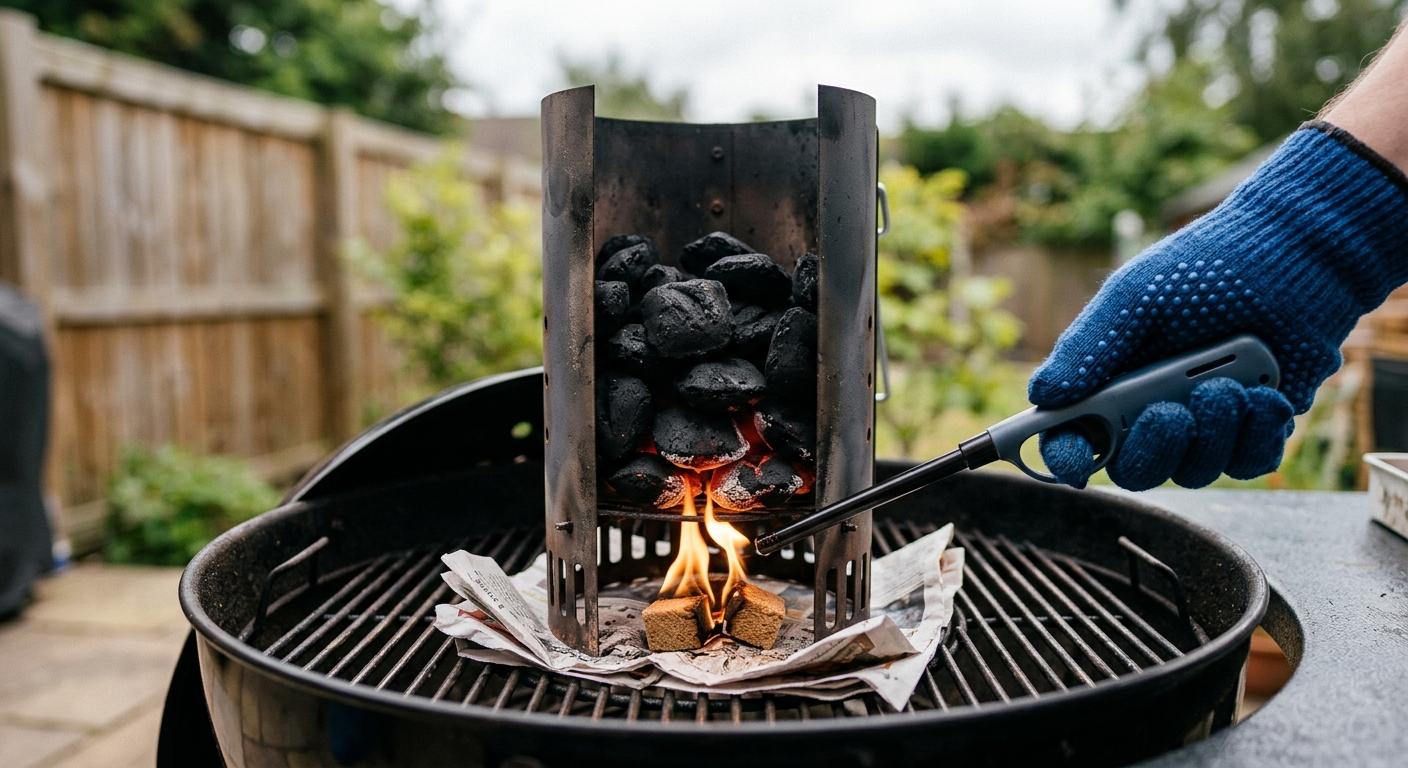
Introduction to Coconut Charcoal Briquettes
Coconut charcoal briquettes have revolutionized the way enthusiasts approach their hookah sessions and premium barbecue experiences. Made from compacted coconut shells, these eco-friendly briquettes offer a significantly cleaner burn compared to traditional quick-light coals or standard wood charcoal. They contain no chemical accelerants, which means they do not impart any unwanted flavors or odors to your shisha or food. However, because they lack these chemical accelerants, lighting them requires a specific approach. This comprehensive guide will walk you through everything you need to know about how to light coconut charcoal briquettes safely, efficiently, and perfectly every single time.
Why Choose Coconut Charcoal Briquettes?
Before diving into the lighting techniques, it is essential to understand why coconut charcoal has become the gold standard in the industry. Traditional quick-light coals are convenient, but they are coated with combustible chemicals like sulfur or saltpeter. When ignited, these chemicals release harsh fumes that can ruin the flavor profile of your premium shisha and cause headaches. Coconut charcoal, on the other hand, provides a remarkably pure heat source. They burn up to three times longer than quick-light coals, produce incredibly low amounts of ash, and maintain a consistent, high-temperature heat output. Furthermore, they are a sustainable and renewable resource, making use of coconut shells that would otherwise be discarded as agricultural waste.
Preparation: What You Need Before Lighting
Success in lighting coconut charcoal begins with having the right tools. Because these briquettes require sustained, direct heat to ignite properly, a simple cigarette lighter or matches will not suffice. Here is a list of the equipment you should have on hand before you begin:
- Coconut Charcoal Briquettes: Ensure they are stored in a dry place to prevent moisture absorption.
- Heat Source: An electric coil burner, a gas stove, or a high-powered propane/butane torch.
- Metal Tongs: Heavy-duty, heat-resistant tongs are mandatory for safely handling and flipping the coals.
- Well-Ventilated Area: Even though coconut coals are natural, the initial combustion process will release carbon monoxide and some smoke.
- Ash Tray or Heat-Proof Carrier: For transporting the lit coals safely to your hookah or grill.
Step-by-Step Methods for Lighting Coconut Charcoal
There are several methods you can use to light your briquettes. Below, we outline the most common and effective techniques, ensuring you can achieve perfectly glowing coals regardless of your setup.
Method 1: Using an Electric Coil Burner (The Recommended Method)
An electric single-coil burner is widely considered the best, safest, and most efficient tool for lighting coconut charcoal. It provides consistent, direct heat across the surface of the briquettes. Follow these steps for optimal results:
First, plug in your electric coil burner in a safe, well-ventilated location, preferably near a window or an exhaust fan. Turn the dial to the highest heat setting and allow the coils to turn glowing red. Using your metal tongs, carefully place the desired number of coconut charcoal briquettes directly onto the glowing coils. Make sure they are laid flat and not stacked on top of each other to ensure even heat distribution.
Leave the briquettes undisturbed for approximately 5 to 7 minutes. You will notice the bottom half of the coals turning ashy gray and starting to glow red. At this point, use your tongs to carefully flip each briquette over so the unlit top side is now resting directly on the hot coils. Leave them for another 4 to 5 minutes. The coals are fully lit when they are covered in a thin layer of gray ash and glowing bright red from all sides and right through the center.
Method 2: Using a Gas Stove
If you do not have an electric coil burner, a standard kitchen gas stove can be used as a substitute, although it requires a bit more caution and cleanup. When using a gas stove, it is highly recommended to use a small metal grate or a specialized charcoal holding basket over the flame so the briquettes do not fall directly onto the burner head.
Turn on your exhaust fan to handle the smoke. Place the grate over the burner and turn the gas flame to medium-high. Arrange the coconut coals on the grate, directly above the flame. Similar to the electric burner method, allow the coals to sit for about 5 minutes until the bottom half is ignited. Carefully flip them with your tongs and wait an additional 5 minutes. Be very careful when transporting the coals from the stove to your hookah, as the distance is often greater and the risk of dropping a hot coal is present.
Method 3: Using a Propane or Butane Torch
For outdoor setups or when electricity and stoves are unavailable, a high-powered blowtorch can get the job done. Keep in mind that this method requires your active attention and manual labor throughout the entire lighting process.
Place the coals on a fire-safe, non-combustible surface like a concrete block or a metal tray. Ignite your torch and direct the blue tip of the flame directly onto one side of the briquette. Move the flame around slowly to cover the entire surface area. Once one side begins to glow red and ash over, use your tongs to flip the coal and blast the remaining sides. This method can take anywhere from 3 to 8 minutes per coal depending on the power of your torch. It is crucial to wear heat-resistant gloves if you are holding the coal with tongs while torching, to avoid radiant heat burns.
Comparing the Lighting Methods
| Lighting Method | Estimated Time | Pros | Cons |
|---|---|---|---|
| Electric Coil Burner | 8-12 Minutes | Even heating, safe, hands-free | Requires electricity |
| Gas Stove | 8-10 Minutes | Fast ignition, readily available | Can create a mess on the stove |
| Propane Torch | 3-8 Minutes | Portable, great for outdoors | Requires constant manual effort |
Recognizing When the Coals Are Ready
One of the most common mistakes beginners make is taking the coals off the heat source too early. If the center of the briquette is still black and unlit, it will not produce enough heat, and worse, it can introduce carbon monoxide and a harsh taste into your session. Fully lit coconut charcoal should have zero black spots remaining. The entire cube or flat should be glowing a vibrant orange-red and coated in a fine layer of light gray ash. When you pick up the coal with your tongs and gently blow on it, the entire surface should illuminate brilliantly.
Connecting the Coals to Your Hookah Setup
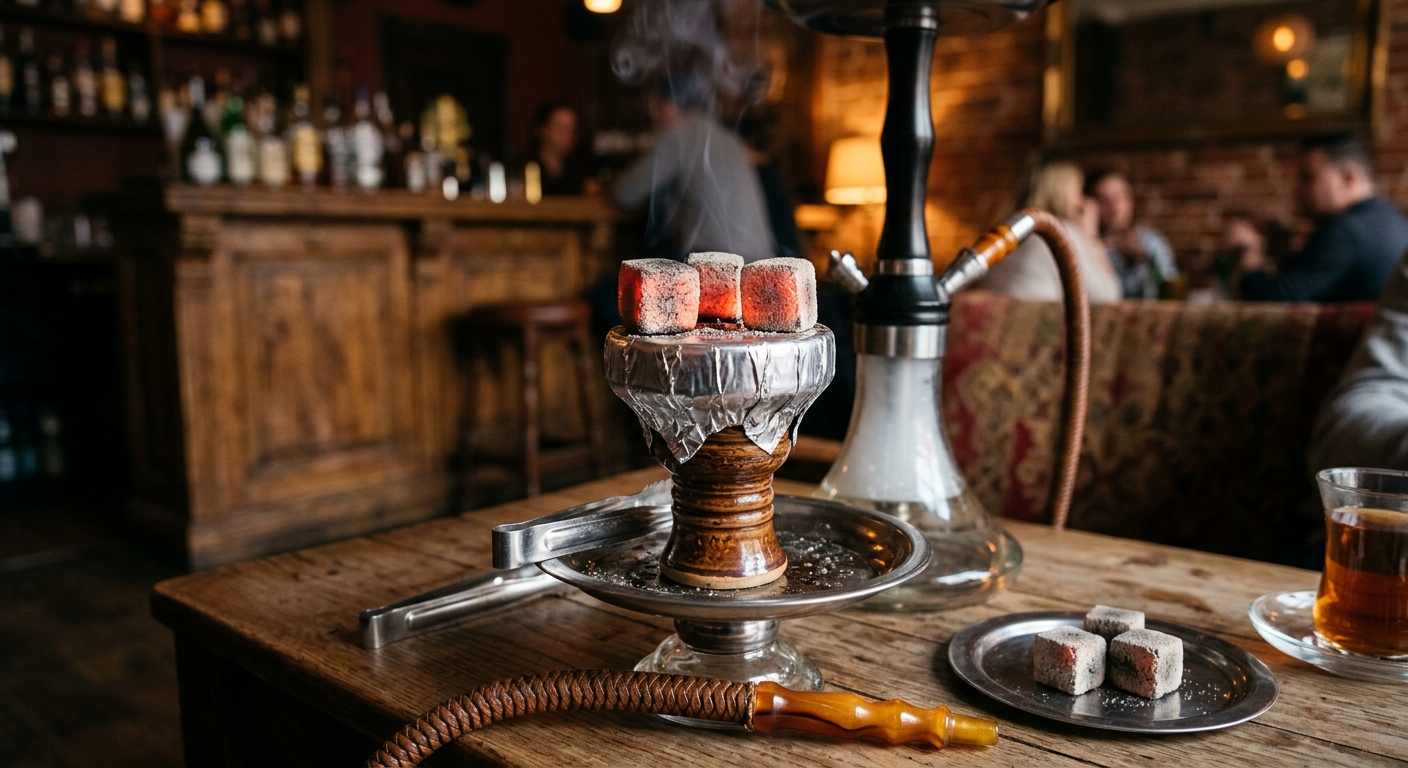
Once your coals are perfectly lit, it is time to transition to your hookah session. Carefully carry the glowing coals in a dedicated metal carrier. Place them evenly around the edges of your hookah bowl rather than directly in the center to prevent burning the shisha. However, having perfectly lit coals is only half the battle for a premium smoking experience. To truly maximize your session, you need to master your bowl preparation. For a deep dive into achieving the best possible smoke output, check out How to Pack a Hookah Bowl for Thick Clouds: The Ultimate Guide. Proper packing combined with well-lit coconut coals will result in smooth, dense, and flavorful vapor that lasts for hours.
Safety Precautions and Best Practices
Working with temperatures that exceed 600 degrees Fahrenheit requires strict adherence to safety protocols. Always use specialized, long-handled metal tongs to manipulate the coals. Never use household tweezers or plastic utensils. Furthermore, always ignite your coals in a space with adequate ventilation. The lighting process consumes oxygen and emits carbon monoxide, which can be dangerous in small, enclosed rooms. Ensure that your ash tray is completely free of any flammable debris, and never leave your heat source unattended while the coals are igniting. After your session, submerge the leftover coals in water to ensure they are completely extinguished before throwing them in the trash.
Sourcing High-Quality Coconut Charcoal
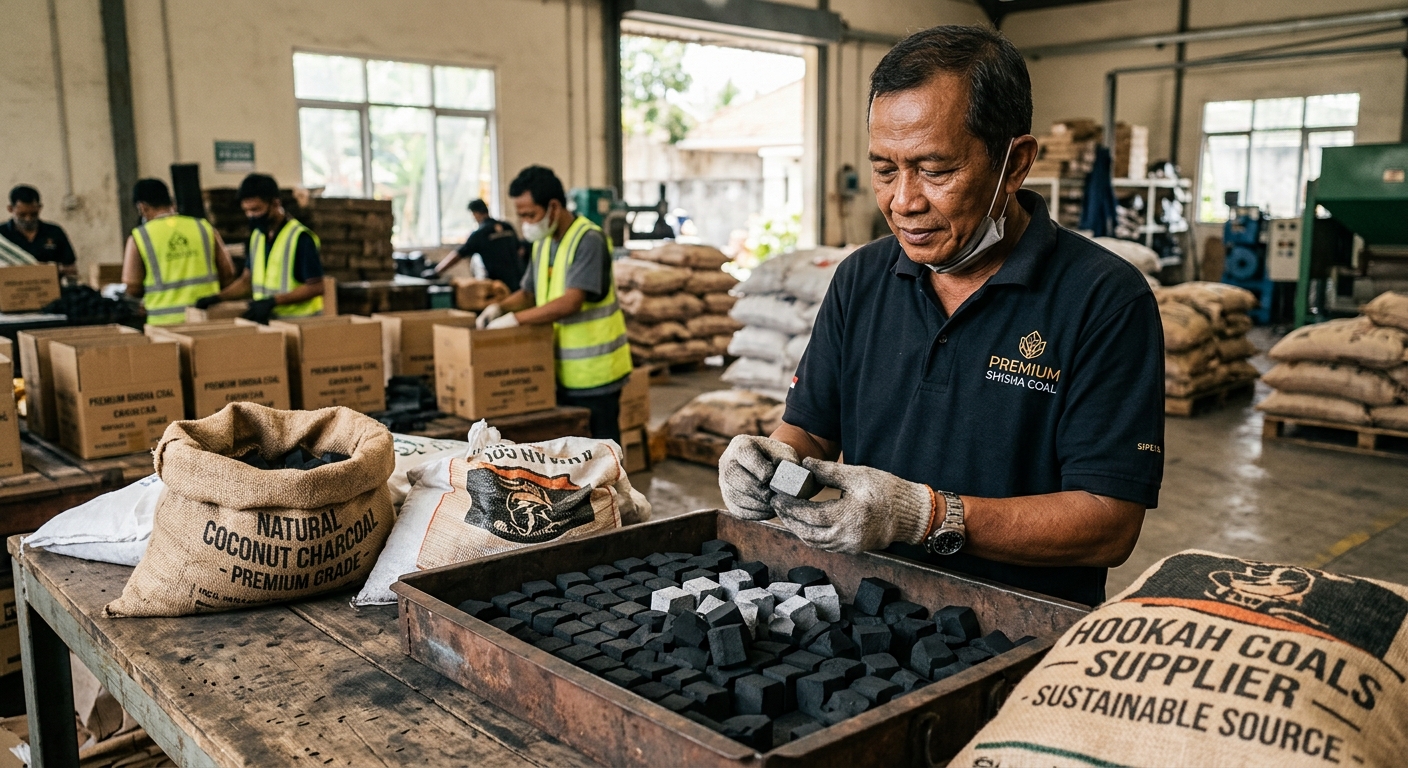
The quality of your lighting experience directly correlates to the quality of the briquettes you purchase. Premium coconut coals have a high density, minimal moisture content, and are bound together with natural tapioca starch. Lower-quality coals may contain fillers that produce excess ash and take longer to light. If you are a retailer, hookah lounge owner, or simply a dedicated enthusiast looking to purchase premium briquettes in bulk directly from the source, securing a reliable supplier is crucial. To find trusted suppliers and streamline your procurement process, review the Indonesian Charcoal Exporter Contact Details: A Complete Guide for Wholesalers. Buying high-quality authentic Indonesian coconut charcoal guarantees you are getting the finest product on the market.
Conclusion
Lighting coconut charcoal briquettes may require a bit more patience and specific equipment compared to chemical-laden quick-light coals, but the results are undeniably worth the effort. By using an electric coil burner, maintaining proper ventilation, and ensuring the coals are fully glowing red before use, you elevate your hookah or grilling experience to professional levels. Clean heat, zero chemical taste, and long-lasting performance make mastering this simple lighting technique a must for any serious enthusiast. Prioritize safety, invest in premium quality coals, and enjoy the pristine flavor of your sessions.
Frequently Asked Questions (FAQ)
Can I light coconut charcoal with a standard cigarette lighter?
No, a standard lighter does not produce a large enough flame or high enough sustained heat to penetrate the dense structure of a coconut charcoal briquette. You must use an electric coil burner, a gas stove, or a high-powered blowtorch.
How do I know if my coconut coals are fully lit?
Your coals are completely lit when they are covered in a thin layer of gray ash and glow bright orange-red on all sides, with no black or dark brown spots remaining. Gently blowing on them should make the entire briquette glow intensely.
Why are my coconut coals giving me a headache?
Headaches are typically caused by inhaling carbon monoxide, which occurs when the coals are not fully lit before being placed on your hookah bowl. Ensure the black core of the coal is completely ignited, and always light your coals in a well-ventilated room.
How long do coconut charcoal briquettes last once lit?
High-quality coconut charcoal briquettes typically last between 1 to 1.5 hours depending on the size and shape (cubes, flats, or hex), as well as the airflow dynamics of your specific hookah or grill setup.
Can I reuse partially burned coconut coals?
While it is technically possible to extinguish and relight a partially burned coal, it is not recommended. Reused coals lose their structural integrity, ash heavily, and burn out much faster. It is best to use fresh coals for every new session.

2 thoughts on “How to Light Coconut Charcoal Briquettes: A Comprehensive Guide”