Introduction to Organic Coconut Shell Charcoal for BBQ
When it comes to outdoor cooking, the fuel you choose is just as important as the ingredients you use. For barbecue enthusiasts and professional pitmasters alike, organic coconut shell charcoal for BBQ has emerged as a premium alternative to traditional wood lump charcoal and conventional briquettes. This sustainable, high-performance fuel offers a myriad of benefits, ranging from environmental sustainability to superior cooking performance. In this comprehensive guide, we will explore everything you need to know about organic coconut shell charcoal, why it should be your go-to choice for your next BBQ, and how it compares to other options on the market.
What is Organic Coconut Shell Charcoal?
Organic coconut shell charcoal is a natural, eco-friendly fuel made from the discarded shells of coconuts. After the coconut meat and water are harvested, the remaining shells, which would otherwise be treated as waste, are collected and carbonized. This process involves heating the shells in an oxygen-limited environment to remove moisture and volatile compounds, leaving behind pure carbon. The result is a highly dense, energy-rich charcoal that burns hotter, longer, and cleaner than many traditional alternatives.
The Manufacturing Process
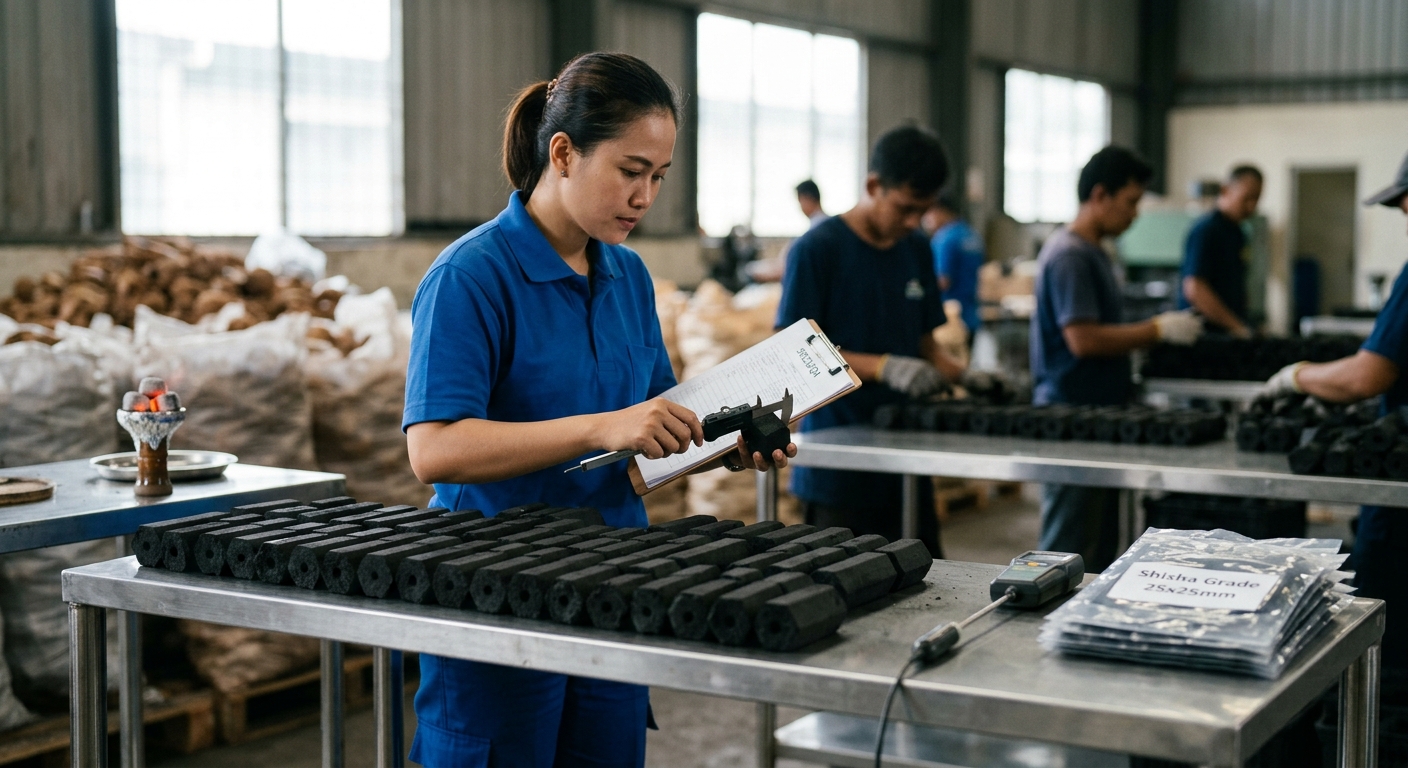
The production of coconut shell charcoal is a meticulous process that emphasizes sustainability and quality control. First, mature coconut shells are sourced from organic farms, ensuring no chemical fertilizers or pesticides are present. The shells are then cleaned, dried, and placed in kilns for carbonization. Once carbonized, the charcoal is crushed and mixed with a natural binder, such as tapioca starch, before being compressed into uniform briquettes or specific shapes. This natural binding process is crucial, as it ensures the charcoal contains no synthetic chemicals or toxic additives that could taint the flavor of your food.
Why Choose Coconut Shell Charcoal for BBQ?
There are several compelling reasons to switch to organic coconut shell charcoal for your grilling needs. From its impressive burn characteristics to its environmental credentials, this fuel stands out in a crowded market.
Longer Burn Time
One of the most significant advantages of coconut shell charcoal is its density. Because the shells are incredibly hard, the resulting charcoal is much denser than traditional wood charcoal. This density translates to a significantly longer burn time. A typical batch of coconut shell charcoal can burn up to three times longer than standard lump charcoal, making it ideal for low-and-slow cooking methods, such as smoking brisket or roasting whole poultry. You won’t need to constantly replenish the coals, allowing you to maintain consistent temperatures with less effort.
Higher Heat Output
In addition to burning longer, coconut shell charcoal also burns hotter. Its high carbon content ensures a robust and steady heat output, perfect for achieving that coveted sear on steaks and burgers. The consistent heat also prevents the annoying temperature fluctuations often experienced with lower-quality charcoals.
Clean Burning and Low Ash
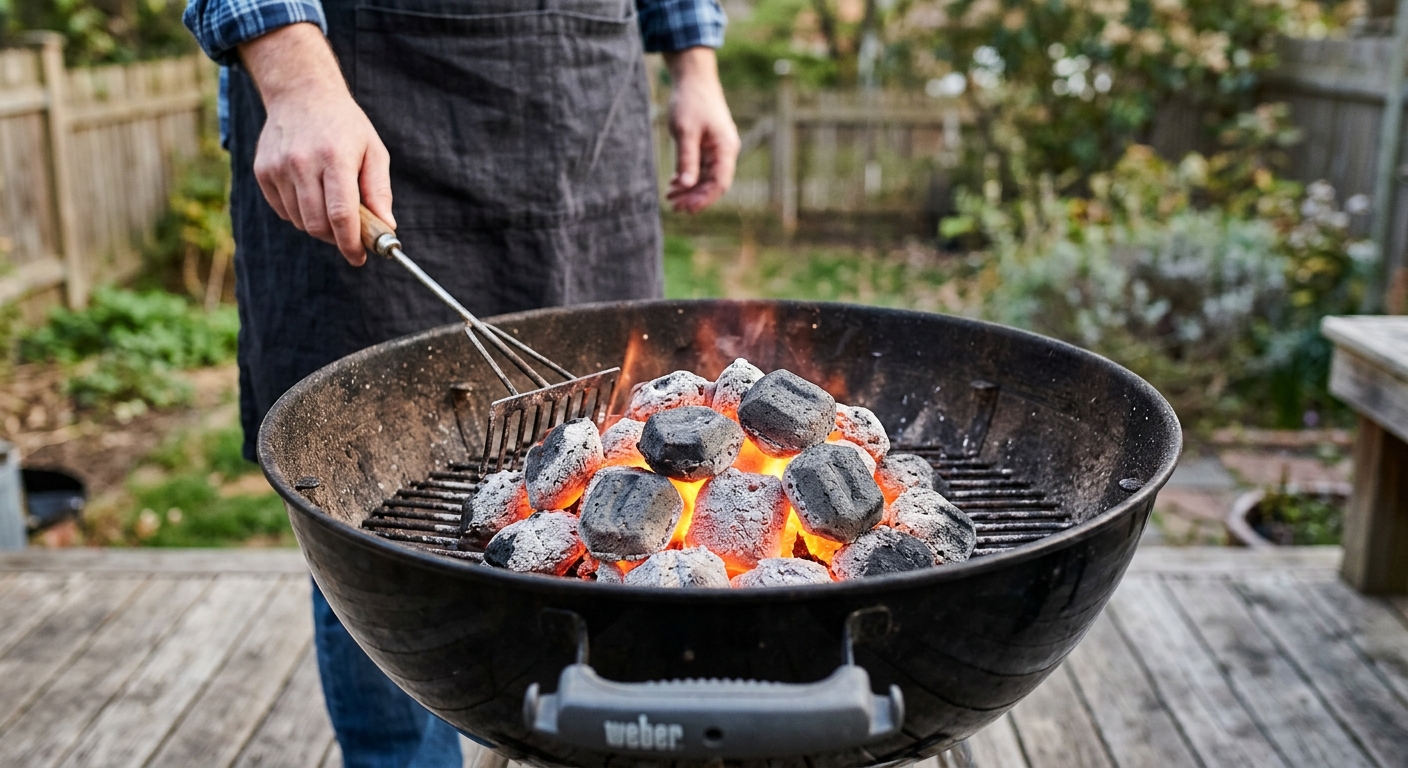
Nobody likes dealing with excessive ash and acrid smoke when grilling. Organic coconut shell charcoal is renowned for its clean-burning properties. It produces minimal smoke, which means your food retains its natural flavors without being overwhelmed by a heavy, artificial smokiness. Furthermore, it generates very little ash compared to traditional briquettes. This low ash production makes post-BBQ cleanup a breeze and prevents ash from blowing onto your food. If you are interested in similar low-ash products for other uses, you might find it helpful to read about Discovering the Best Low Ash Hookah Charcoal Brand for a Clean Smoke.
Eco-Friendly and Sustainable
Sustainability is a major selling point for coconut shell charcoal. Traditional charcoal production often involves cutting down trees, contributing to deforestation and habitat destruction. In contrast, coconut shell charcoal utilizes a byproduct of the coconut industry that would otherwise go to waste. By choosing this fuel, you are supporting a circular economy and reducing your carbon footprint. No trees are harmed to produce coconut shell charcoal, making it a truly renewable resource.
How Coconut Charcoal Compares to Other Fuels
To fully appreciate the benefits of organic coconut shell charcoal for BBQ, it’s helpful to compare it to the most common alternatives: wood lump charcoal and standard briquettes.
| Feature | Coconut Shell Charcoal | Wood Lump Charcoal | Standard Briquettes |
|---|---|---|---|
| Burn Time | Very Long (Up to 3x longer) | Medium | Medium to Long |
| Heat Output | High and Consistent | High but Variable | Moderate and Consistent |
| Ash Production | Low | Low to Medium | High |
| Smoke | Minimal | Variable (Depends on wood type) | High (Often contains additives) |
| Sustainability | High (Utilizes waste product) | Low (Requires tree cutting) | Low to Medium (Contains additives/sawdust) |
| Flavor Impact | Neutral, allows food flavor to shine | Adds specific wood smoke flavor | Can impart chemical flavors |
As the table demonstrates, coconut shell charcoal excels in almost every category, offering a superior and more sustainable grilling experience.
Sourcing Quality Coconut Shell Charcoal
As the popularity of coconut shell charcoal grows, so does the number of suppliers. However, not all products are created equal. It is essential to source your charcoal from reputable manufacturers who prioritize organic sourcing and natural binders. If you are a restaurant owner or a serious BBQ enthusiast looking to purchase in larger quantities, finding a reliable supplier is crucial. For detailed insights on sourcing, you can explore this resource: Natural Coconut Charcoal Bulk Supplier: The Complete Guide.
Versatility Beyond the BBQ
While organic coconut shell charcoal is exceptional for BBQ, its high quality makes it suitable for other applications as well. Because of its clean burn, neutral flavor profile, and low ash production, it is highly sought after by hookah enthusiasts. The requirements for high-quality hookah charcoal are very similar to those for premium BBQ charcoal. For more information on this application, check out The Ultimate Guide to the Best Coconut Charcoal Briquettes for Hookah.
Tips for Using Coconut Shell Charcoal
To get the most out of your organic coconut shell charcoal, follow these tips:
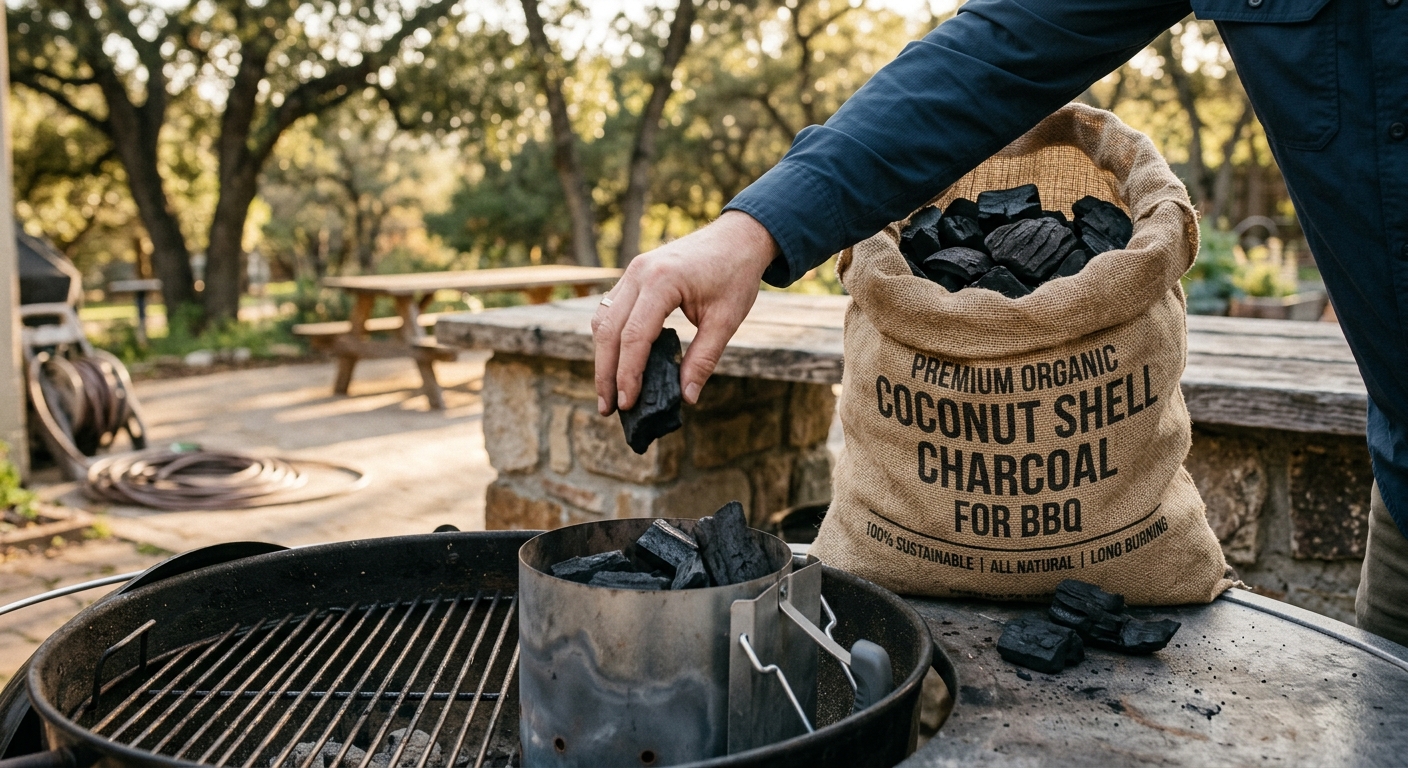
- Use a Chimney Starter: Avoid using chemical lighter fluids, as they can ruin the neutral flavor profile of the charcoal. Instead, use a chimney starter with natural firestarters or crumpled paper.
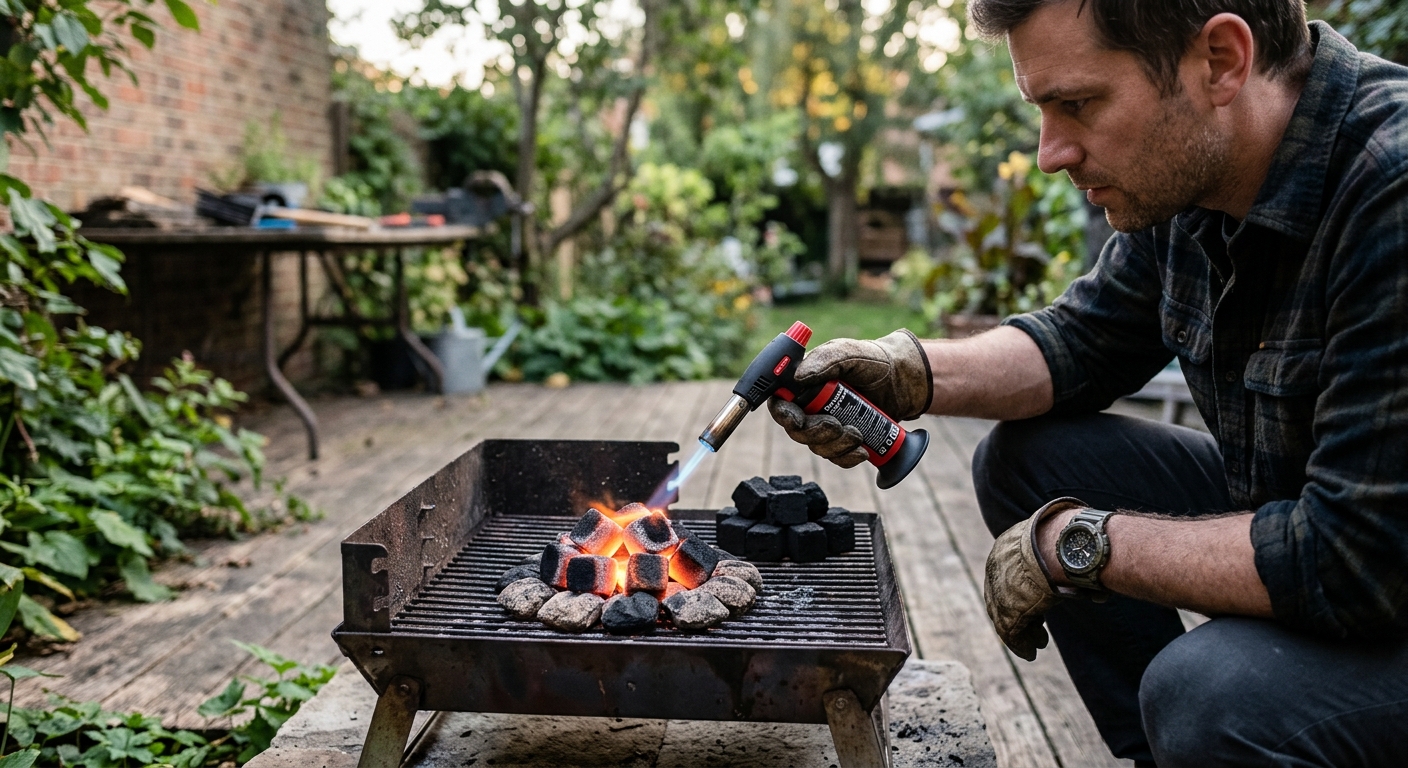
- Allow Proper Ignition Time: Because it is very dense, coconut shell charcoal may take slightly longer to light than standard briquettes. Give it 15-20 minutes in the chimney starter until the coals are covered in a light layer of gray ash.
- Control Airflow: Coconut charcoal burns very hot. Use the vents on your grill to carefully control the airflow and manage the temperature according to your cooking needs.
- Store in a Dry Place: Keep your charcoal in a cool, dry place. Moisture can affect its ability to ignite and burn efficiently.
Conclusion
Organic coconut shell charcoal for BBQ represents the pinnacle of modern grilling fuel. By combining exceptional performance characteristics—such as high heat output, long burn times, and minimal ash—with unparalleled environmental sustainability, it offers a superior alternative to traditional wood and chemical-laden briquettes. Whether you are searing a steak to perfection or embarking on a lengthy smoking session, coconut shell charcoal provides the clean, reliable heat necessary to elevate your culinary creations. Make the switch today and experience the difference that a premium, sustainable fuel can make in your outdoor cooking endeavors.
Frequently Asked Questions (FAQ)
Does coconut shell charcoal make food taste like coconut?
No, organic coconut shell charcoal does not impart a coconut flavor to your food. The carbonization process removes the volatile compounds responsible for the coconut smell and taste. It provides a clean, neutral heat that allows the natural flavors of your food, marinades, and rubs to shine through.
Is coconut shell charcoal harder to light than regular charcoal?
Due to its high density, coconut shell charcoal can take slightly longer to ignite than traditional briquettes or lump wood. However, using a chimney starter with natural firelighters makes the process straightforward and efficient, usually taking about 15 to 20 minutes.
Can I use coconut shell charcoal in a ceramic kamado-style grill?
Absolutely. Coconut shell charcoal is highly recommended for kamado-style grills (like the Big Green Egg or Kamado Joe) because of its long burn time and consistent heat output. It produces very little ash, which is crucial for maintaining proper airflow in ceramic cookers during long, slow cooks.