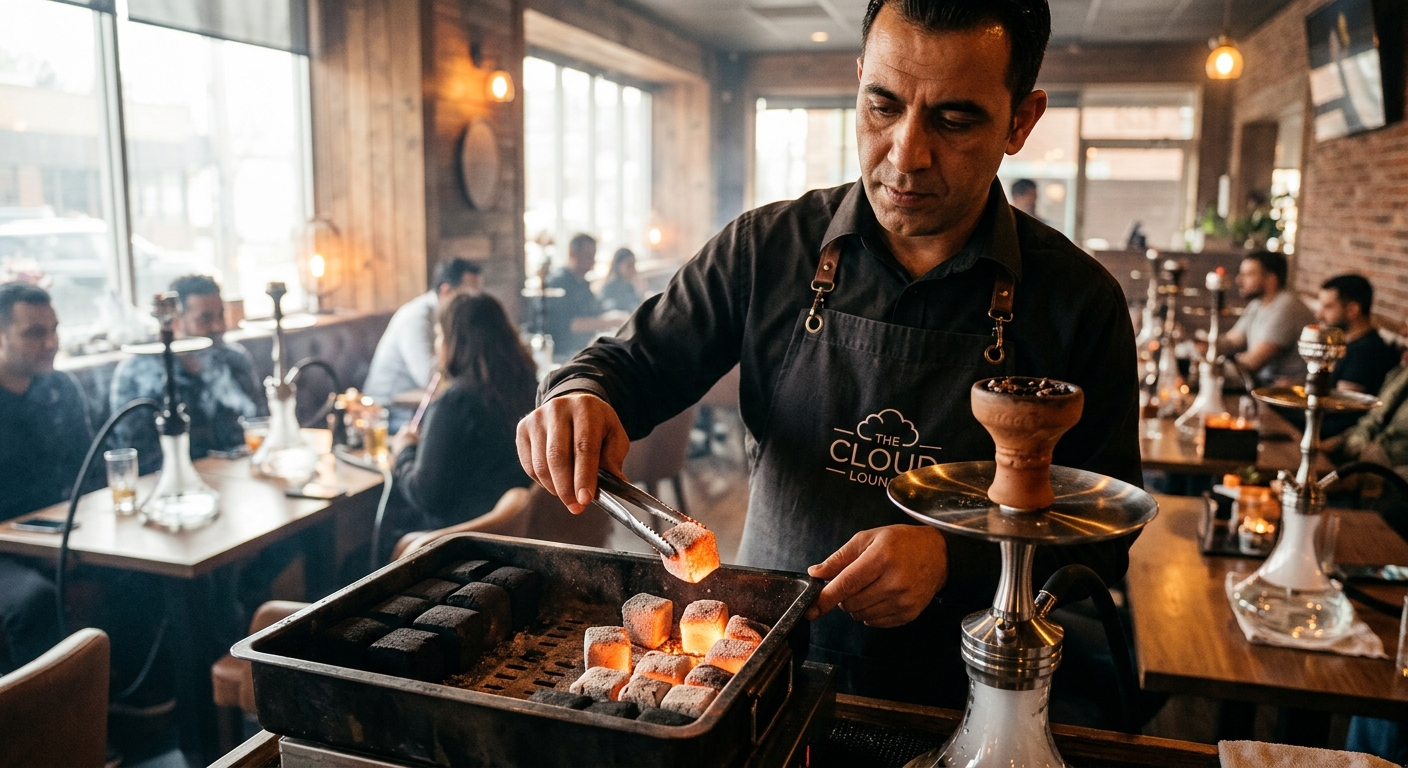
Introduction to Hookah Lounge Excellence
Operating a successful hookah lounge requires meticulous attention to detail, from the ambiance to the quality of the shisha offered. One of the most critical yet frequently overlooked elements of a premium hookah experience is the choice of charcoal. The best charcoal for a hookah lounge can dictate the longevity of a session, the purity of the flavor, and the overall satisfaction of your clientele. In this comprehensive guide, we delve deep into the various types of hookah charcoal, what to look for when stocking your lounge, and how to maintain the highest standards in the industry.
Why Charcoal Quality Matters
When patrons visit a hookah lounge, they expect an experience that surpasses what they can easily achieve at home. The heat source is fundamental to this expectation. Low-quality charcoal can produce unwanted ash, emit foul odors, and drastically alter the taste of premium shisha tobacco. On the other hand, high-quality charcoal provides a consistent, clean burn that enhances the flavors and ensures thick, satisfying clouds of smoke.
The Impact on Flavor and Smoke Production
Charcoal acts as the engine of the hookah. If the engine runs dirty, the entire experience is compromised. Premium coals are manufactured to produce minimal ash and no chemical taste. This is vital when teaching staff How to Pack a Hookah Bowl for Thick Clouds: The Ultimate Guide. Even the best packing techniques will fall flat if the charcoal does not deliver consistent, clean heat.
Types of Hookah Charcoal
There are primarily two categories of hookah charcoal used in commercial settings: quick-light charcoal and natural charcoal. Understanding the distinction between the two is essential for any lounge owner.
Quick-Light Charcoal
Quick-light coals are infused with a chemical accelerant, usually sulfur or saltpeter, allowing them to be lit easily with a standard lighter. While they offer convenience and speed, they come with significant drawbacks.
- Pros: Fast lighting time, requires minimal equipment.
- Cons: Burns hotter and faster, produces more ash, often imparts a chemical taste to the shisha, shorter session duration.
Because of the negative impact on flavor and session length, quick-light coals are generally not recommended for high-end hookah lounges aiming to provide the best possible experience.
Natural Charcoal
Natural charcoal is made from compressed organic materials, most commonly coconut shells or wood. These coals require a dedicated heat source, such as an electric coil burner, to light properly. However, the benefits far outweigh the extra preparation time.
- Pros: Burns longer and more evenly, produces significantly less ash, odorless and tasteless, environmentally friendly.
- Cons: Requires an electric burner to light, takes longer to ignite (typically 5-10 minutes).
Why Coconut Charcoal is the Industry Standard
Within the realm of natural charcoal, coconut shell charcoal reigns supreme. It is widely considered the best charcoal for a hookah lounge due to its exceptional density and burning characteristics. Coconut coals burn hotter, last longer, and leave behind very little ash compared to wood-based alternatives.
Sourcing the Best Coconut Charcoal
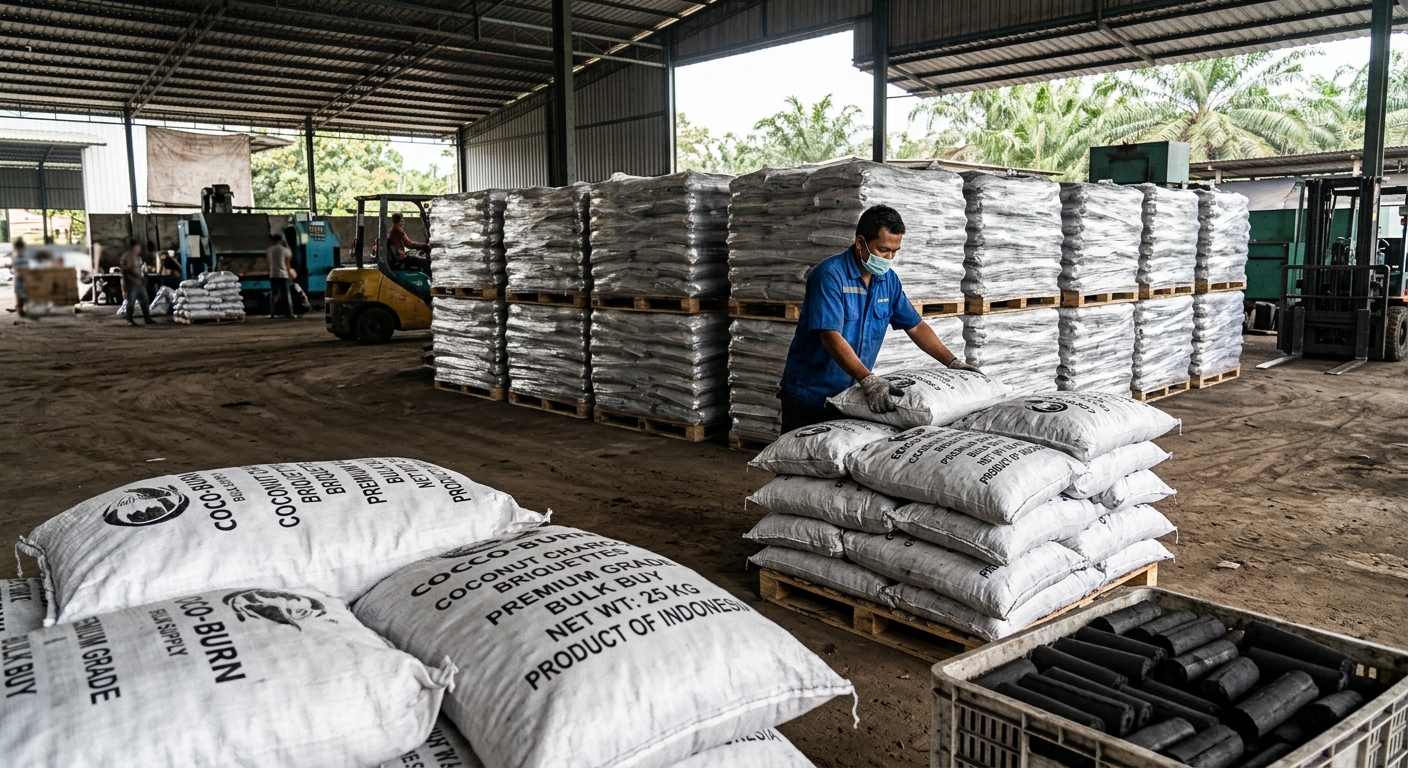
Finding a reliable supplier is crucial for maintaining consistency in your lounge. Many of the highest quality coconut coals originate from Southeast Asia. For lounge owners looking to purchase in bulk or establish a direct supply line, reading The Comprehensive Guide to Choosing a Coconut Shell Charcoal Manufacturer in Indonesia is a highly recommended step to ensure you are getting top-tier products without intermediary markups.
Choosing the Right Shape and Size
Natural coconut charcoal comes in various shapes and sizes, each offering different heat management profiles. Selecting the right size is important depending on the type of bowls and heat management devices (HMDs) your lounge utilizes.
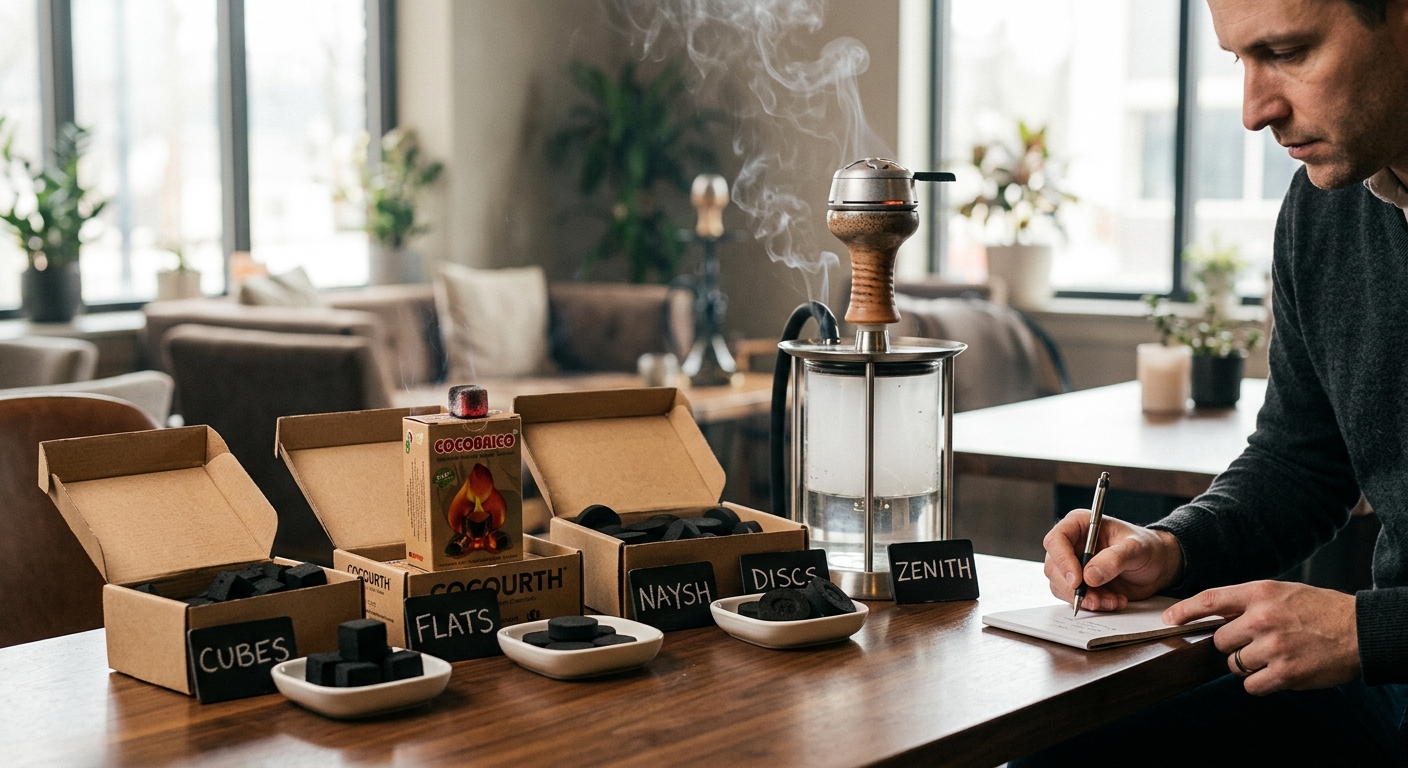
Flats vs. Cubes vs. Hexagonal
Flats: These are rectangular and provide a moderate amount of heat. They are excellent for precise heat management as they can be easily stood on edge or laid flat to adjust the temperature.
Cubes: Cubes are larger and provide a substantial, long-lasting heat source. They are ideal for longer sessions and larger bowls. However, they may produce too much heat for smaller setups.
Hexagonal/Fingers: These elongated coals are often used with specific traditional bowls or larger HMDs. They offer a unique heat distribution pattern.
To cater to specific setups or proprietary lounge equipment, some owners prefer tailored solutions. In such cases, consulting a Comprehensive Guide to Choosing a Custom Size Hookah Charcoal Manufacturer can help you source coals that perfectly fit your specific HMDs or bowl styles, ensuring a flawless session every time.
Heat Management in a Hookah Lounge
Providing the best charcoal is only half the battle; managing that heat throughout a customer’s session is what sets a premium lounge apart. Proper heat management prevents the shisha from burning harshly and prolongs the flavor.
Training Staff on Heat Management
Your staff must be adept at recognizing when a bowl needs more heat, when to ash the coals, and when to rotate them. It is equally important that they understand the fundamentals of bowl preparation. Providing your team with resources like How to Pack a Hookah Bowl: A Comprehensive Guide ensures that the foundation of the session is solid, allowing the premium charcoal to do its job effectively.
Cost-Benefit Analysis for Lounges
While premium natural coconut charcoal costs more upfront than cheap quick-lights, the long-term benefits are undeniable.
| Charcoal Type | Initial Cost | Session Length | Flavor Quality | Customer Retention |
|---|---|---|---|---|
| Quick-Light | Low | 30-45 mins | Poor (Chemical) | Low |
| Natural Wood | Medium | 45-60 mins | Good | Medium |
| Premium Coconut | High | 60-90+ mins | Excellent (Neutral) | High |
Investing in the best charcoal for a hookah lounge translates directly to higher customer satisfaction, positive reviews, and repeat business. Patrons will notice the difference in the smoothness of the smoke and the longevity of their sessions.
Conclusion
The success of a hookah lounge is heavily dependent on the quality of the core components used in the smoking process. By investing in premium, natural coconut charcoal, lounge owners ensure that their customers enjoy clean, flavorful, and long-lasting sessions. From selecting the right shape and size to sourcing from reputable manufacturers, every detail contributes to the overarching atmosphere of excellence. Prioritize high-quality coals, train your staff in advanced packing and heat management techniques, and watch your lounge’s reputation soar.
Frequently Asked Questions (FAQ)
What is the absolute best charcoal for a hookah lounge?
The industry consensus is that 100% natural coconut shell charcoal is the best option for hookah lounges. It burns the longest, produces the least amount of ash, and does not interfere with the flavor of the shisha.
How often should lounge staff change or ash the coals?
Staff should check on customers every 15 to 20 minutes to ash the coals and rotate them. Depending on the size of the coals (like flats vs. cubes), fresh coals may need to be added after 45 to 60 minutes to maintain optimal heat.
Are quick-light coals ever acceptable in a commercial lounge?
For high-end or reputable hookah lounges, quick-light coals are generally unacceptable due to their chemical additives and poor heat consistency. They should only be considered in absolute emergencies, though maintaining proper inventory of natural coals should prevent this need.
2 thoughts on “The Ultimate Guide to Finding the Best Charcoal for a Hookah Lounge”