Introduction to Shisha Heat Management
Heat management is arguably the most critical aspect of preparing and enjoying a perfect hookah session. Whether you are a casual smoker or a seasoned enthusiast, understanding how to regulate the temperature of your shisha tobacco can make the difference between a harsh, burnt bowl and a smooth, flavorful experience. This shisha heat management guide is designed to provide you with a deep understanding of the mechanics, tools, and techniques necessary to master the art of hookah heat control.
Proper heat management involves balancing the heat output from your charcoal with the moisture and packing method of your tobacco. It requires constant attention and micro-adjustments throughout the session. In this comprehensive guide, we will explore the fundamental principles of heat management, the types of charcoal available, and advanced techniques to elevate your hookah experience to a professional level.
Understanding Shisha Tobacco and Heat Tolerance
Before diving into the tools and techniques, it is essential to understand that not all shisha tobaccos are created equal. Different brands and lines use varying types of tobacco leaves, flavorings, and molasses/honey content, which directly affect their heat tolerance.
Blonde Leaf vs. Dark Leaf Tobacco
Generally, shisha tobacco can be categorized into two main types: blonde leaf and dark leaf.
- Blonde Leaf: Typically washed to lower the nicotine content, blonde leaf tobacco is more sensitive to high heat. It requires a gentler approach to heat management to prevent the sugars from scorching, which can ruin the flavor profile.
- Dark Leaf: Unwashed and robust, dark leaf tobacco can handle significantly more heat. The higher heat is often necessary to fully bake the tobacco and release the complex flavors and nicotine.
Understanding the specific heat tolerance of the tobacco you are smoking is the first step in effective heat management.
Choosing the Right Charcoal
The source of your heat is just as important as how you manage it. Hookah charcoal comes in various shapes, sizes, and compositions, primarily categorized into quick-light and natural charcoal.
Natural Coconut Charcoal
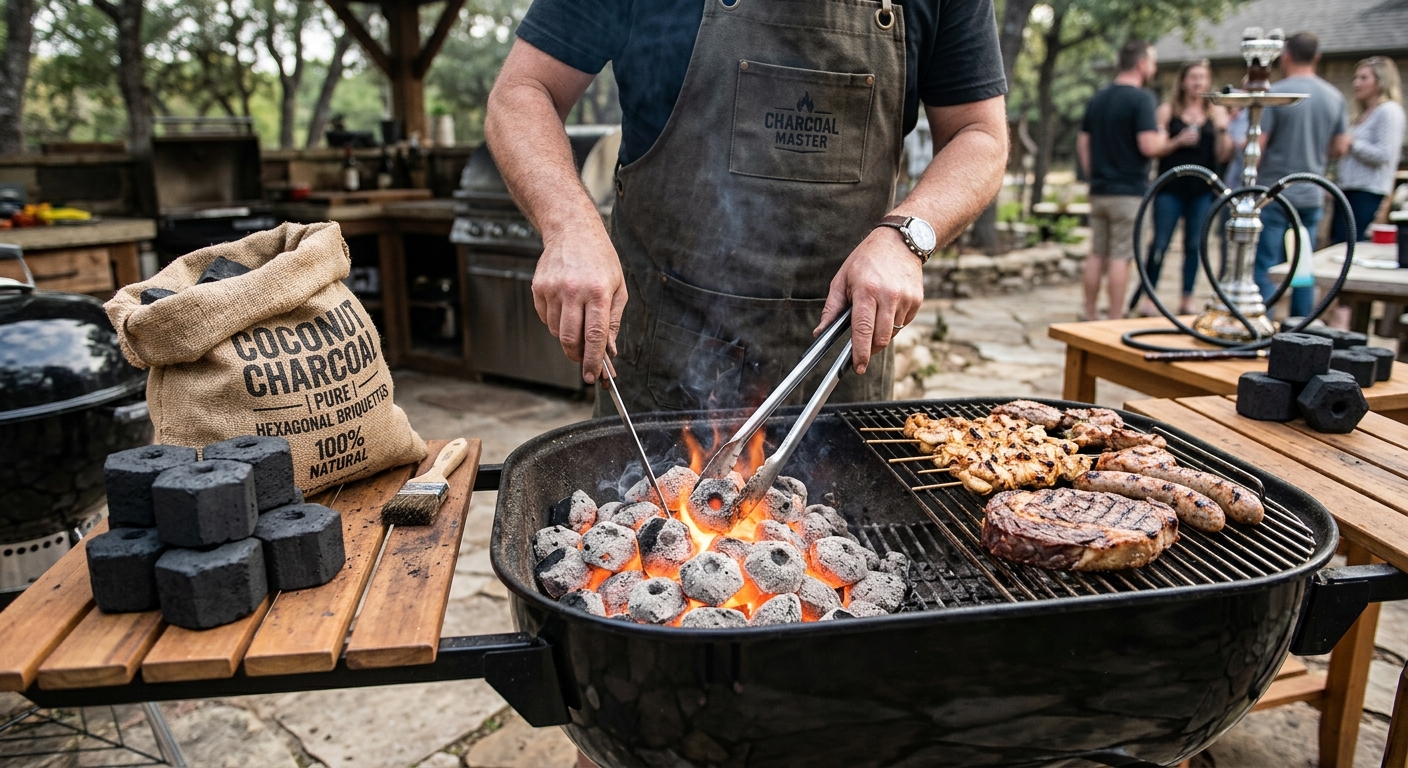
For optimal heat management, natural coconut charcoal is the industry standard. It burns cleaner, lasts longer, and has a lower ash output compared to other options. It does not contain the chemical accelerants found in quick-light coals, ensuring that your flavor remains pure.
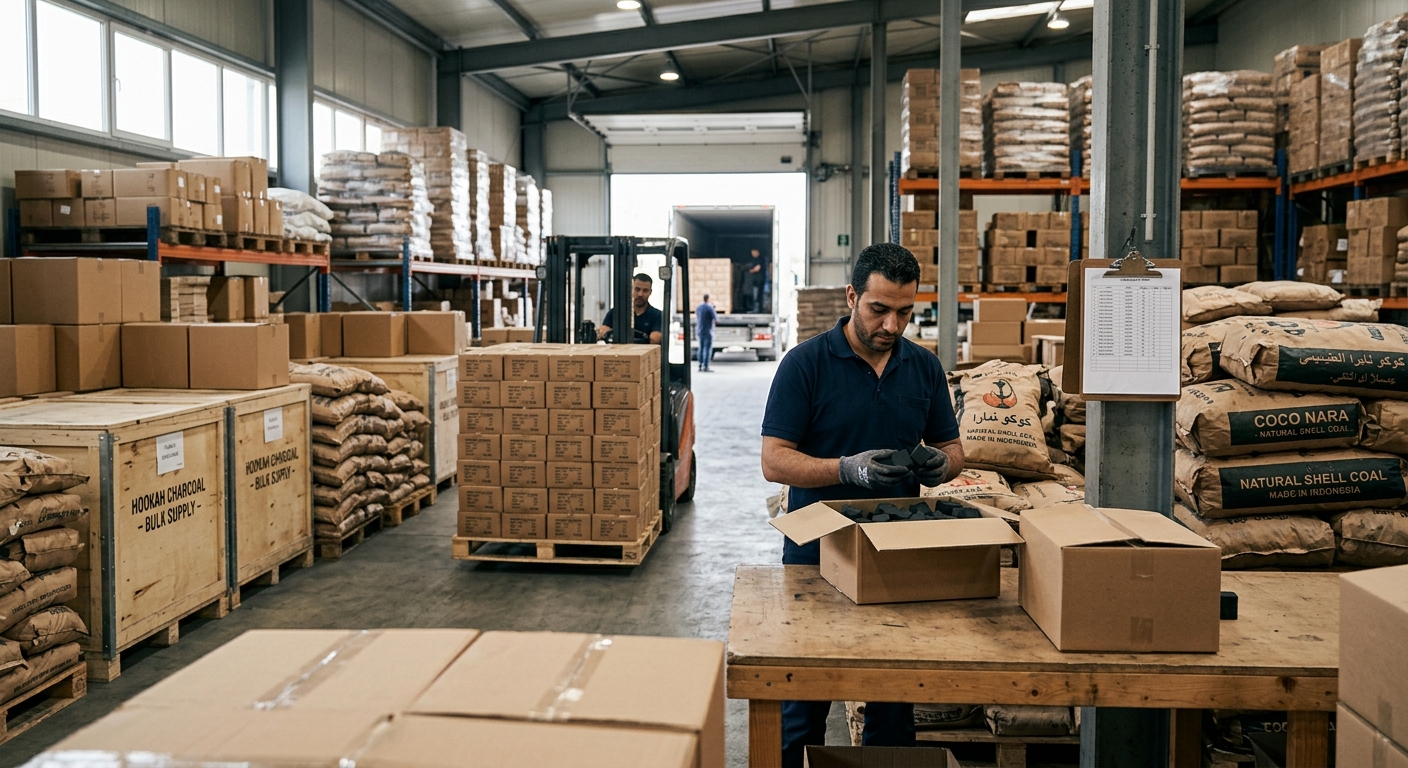
When selecting natural charcoal, it is crucial to consider the quality and manufacturing standards. For instance, understanding the Indonesian Charcoal Export Specifications for Shisha: A Comprehensive Guide can provide valuable insights into what makes a premium coconut charcoal, as Indonesia is the leading producer of high-quality shisha coals globally. Look for coals with low ash content, consistent sizing, and long burn times.
Tools for Heat Management
The traditional method of using aluminum foil has been supplemented, and in many cases replaced, by modern Heat Management Devices (HMDs). Let us examine the tools at your disposal.
Aluminum Foil
Using heavy-duty aluminum foil is the classic approach. It allows for highly customizable heat distribution depending on how you poke the holes. However, it requires more hands-on management, such as rotating and ashing the coals frequently.
Heat Management Devices (HMDs)
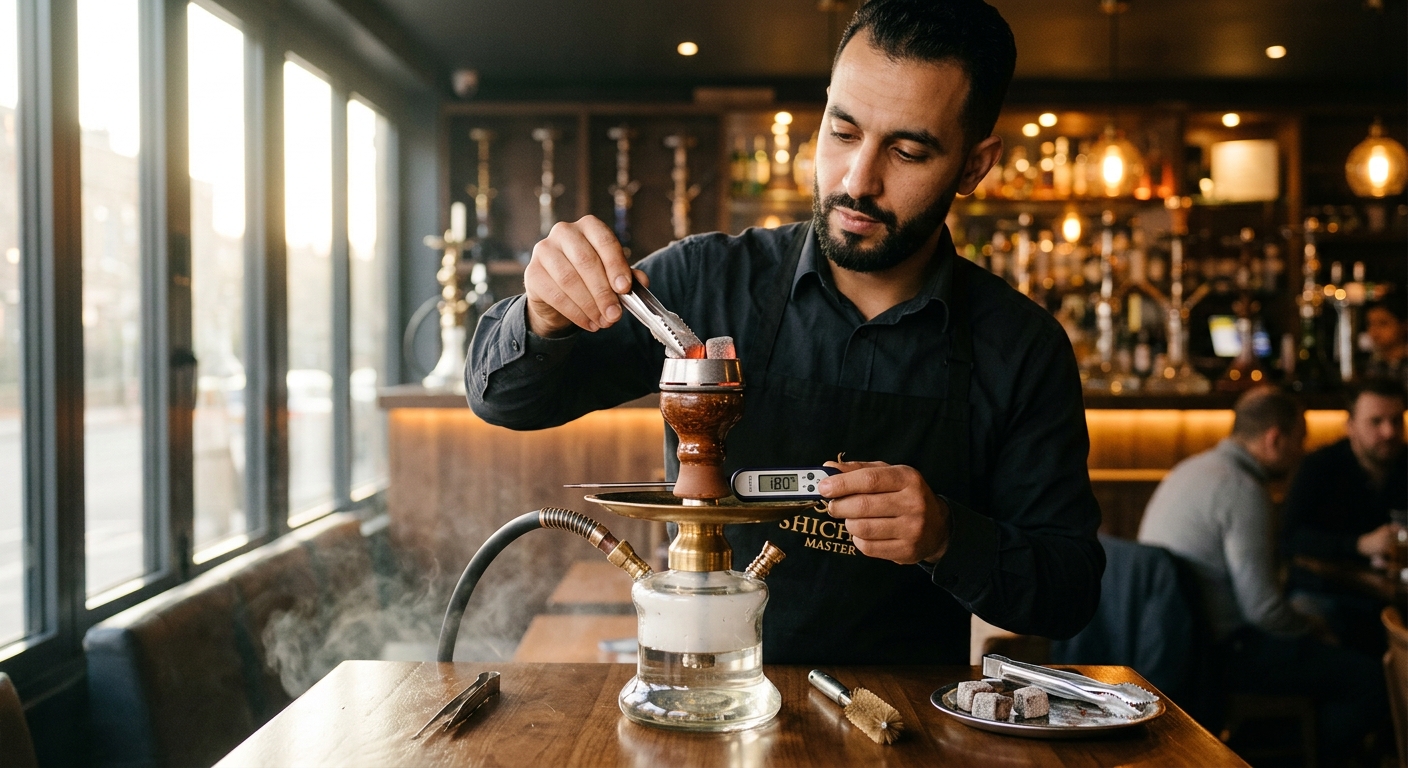
HMDs have revolutionized the hookah industry. These metal devices sit on top of the bowl, replacing the foil. They enclose the charcoal and transfer heat evenly to the tobacco below. Most HMDs feature adjustable vents that allow you to regulate the airflow and, consequently, the temperature inside the device.
- Pros of HMDs: Even heat distribution, longer sessions, less harshness, and reduced need for coal rotation.
- Cons of HMDs: Longer heat-up time, requires specific bowl sizes, and can be more difficult to clean.
Techniques for Optimal Heat Control
Now that we have covered the basics, let us delve into the actionable techniques for managing your heat effectively.
1. The Heat-Up Phase
Whether using foil or an HMD, patience during the heat-up phase is vital. Placing too many coals at the start to rush the process is a common mistake that often leads to scorching the top layer of tobacco.
Start with a moderate amount of heat (usually 2-3 coals depending on the bowl size and HMD). Allow the bowl to warm up gradually for 5 to 7 minutes before taking your first draw. This slow baking ensures the heat penetrates the entire depth of the bowl, providing a consistent flavor and cloud output.
2. Regulating Temperature During the Session
As the session progresses, the dynamics of heat change. Your coals will begin to shrink, reducing their heat output, while the tobacco will become more sensitive as it loses moisture.
If the smoke becomes thin, you need to increase the heat. You can do this by closing the vents on your HMD, moving the coals closer to the center of the bowl (if using foil), or adding a new coal. Conversely, if the smoke feels harsh or tickles your throat, the bowl is too hot. Open the HMD vents, move the coals to the edge of the bowl, or remove a coal entirely.
3. Extending the Session
Managing your heat properly is the key to a long-lasting session. Knowing when and how to add new coals is crucial. For an in-depth look at maximizing your session length, we recommend reading How to Extend Hookah Burn Time: A Comprehensive Guide. This resource covers advanced packing techniques and coal rotation strategies that work hand-in-hand with heat management.
Common Heat Management Mistakes
Even experienced smokers can fall into bad habits. Here are some common pitfalls to avoid:
| Mistake | Consequence | Solution |
|---|---|---|
| Overpacking the bowl | Tobacco touches the HMD/foil, burning instantly and ruining the session. | Pack just below the rim to ensure a small gap between the tobacco and the heat source. |
| Ignoring ash buildup | Ash acts as an insulator, suffocating the coals and reducing heat transfer. | Regularly ash your coals (tap them to remove loose ash) to maintain high heat output. |
| Starting with too much heat | Thermal shock to the tobacco, causing immediate harshness. | Start with fewer coals and allow the bowl to heat up gradually. |
Conclusion
Mastering shisha heat management is an ongoing process of trial, error, and refinement. By understanding the heat tolerance of your tobacco, selecting premium natural charcoal, utilizing the right tools, and applying the techniques outlined in this guide, you can consistently achieve the perfect hookah session. Remember that patience and attentiveness are your best tools. Pay attention to the volume and harshness of the smoke, and adjust your heat accordingly. With practice, excellent heat management will become second nature, elevating your hookah experience to professional standards.
Frequently Asked Questions
How often should I rotate my charcoal?
When using foil, you should generally rotate your charcoal every 15 to 20 minutes to ensure even baking of the tobacco and to prevent hot spots. With an HMD, rotation is less frequent, but you should still monitor the heat and adjust the vents or coal position if the smoke output changes.
Why does my shisha taste burnt after only 15 minutes?
A burnt taste early in the session is almost always a sign of too much heat. This can be caused by overpacking the bowl so the tobacco touches the heat source, or by starting with too many coals. Remove a coal immediately and purge the hookah (blow gently into the hose) to cool the bowl down.
Can I mix blonde and dark leaf tobaccos?
Yes, mixing blonde and dark leaf tobaccos is common, but it complicates heat management. Because they have different heat tolerances, you must pack them carefully. Usually, a layered pack works best, with the more heat-sensitive blonde leaf at the bottom and the robust dark leaf at the top to take the brunt of the heat.
Is it better to use 2 or 3 coals on an HMD?
This depends on the size of your HMD, the size of your coals, and the type of tobacco. A standard approach is to start with 3 coals with the lid off to warm up the bowl, then drop to 2 coals with the lid on to maintain the heat. Adjust based on the smoke output and flavor.