Introduction to Indonesian Coconut Charcoal
Indonesia is globally recognized as the leading producer of coconut shell charcoal. Partnering with a reliable Indonesian coconut charcoal supplier is crucial for businesses operating in the shisha, hookah, and barbecue industries. The high demand for this product stems from its superior quality, long burning time, and eco-friendly nature. This comprehensive guide will explore the nuances of sourcing coconut charcoal from Indonesia, the benefits of the product, and how to select the best supplier for your business needs.
Why Choose Indonesian Coconut Charcoal?
The tropical climate and vast coastlines of Indonesia provide the perfect environment for coconut cultivation. The coconut shells harvested here are incredibly dense, which translates directly to the quality of the charcoal produced. Let’s delve into the specific benefits that make Indonesian coconut charcoal the preferred choice for consumers worldwide.
High Carbon Content and Low Ash
One of the primary indicators of premium charcoal is its fixed carbon content. Indonesian suppliers utilize advanced carbonization techniques to achieve a carbon content often exceeding 80%. This results in a cleaner burn with significantly less ash production compared to traditional wood charcoal or lower-grade alternatives. Low ash content is particularly important for shisha enthusiasts, as it prevents the ash from falling into the tobacco and ruining the flavor profile.
Long Burning Time and Consistent Heat
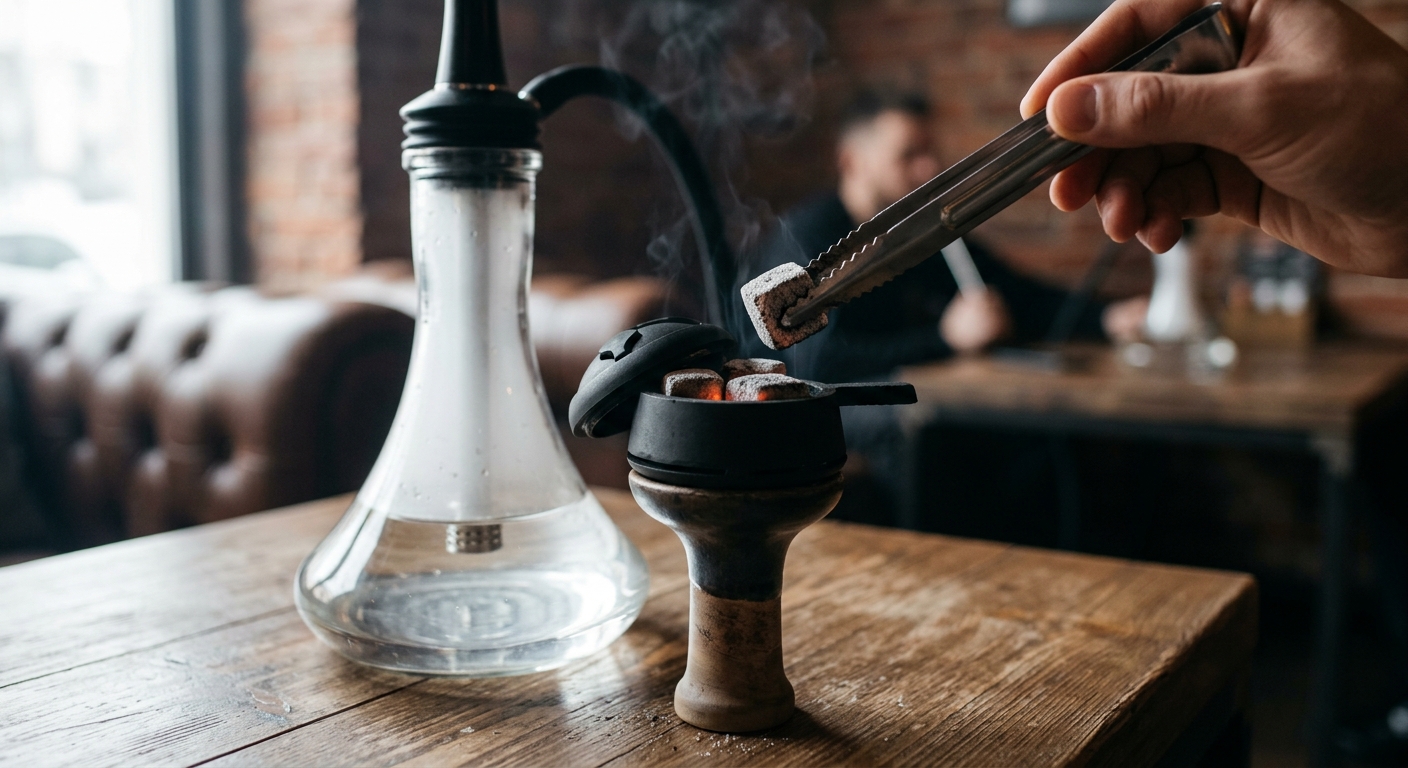
The high density of Indonesian coconut shells translates into briquettes that burn significantly longer. This extended burn time is highly economical for both commercial lounges and individual consumers. For those looking to maximize their sessions, understanding How to Extend Hookah Burn Time: A Comprehensive Guide is essential. By starting with premium Indonesian charcoal and employing proper heat management techniques, you can ensure a consistent, long-lasting experience.
Odorless and Smokeless Properties
When manufactured correctly, high-quality coconut charcoal briquettes are virtually odorless and smokeless. This is a critical factor for indoor use and for preserving the authentic taste of shisha tobacco or the natural flavors of barbecued food. Chemical additives or poor carbonization processes in substandard charcoal often result in unwanted odors and smoke, which is why sourcing from a reputable supplier is vital.
The Manufacturing Process of Coconut Charcoal
Understanding the manufacturing process helps buyers appreciate the value of the product and distinguish between different quality grades. The journey from raw coconut shell to premium briquette involves several meticulous steps.
1. Harvesting and Carbonization
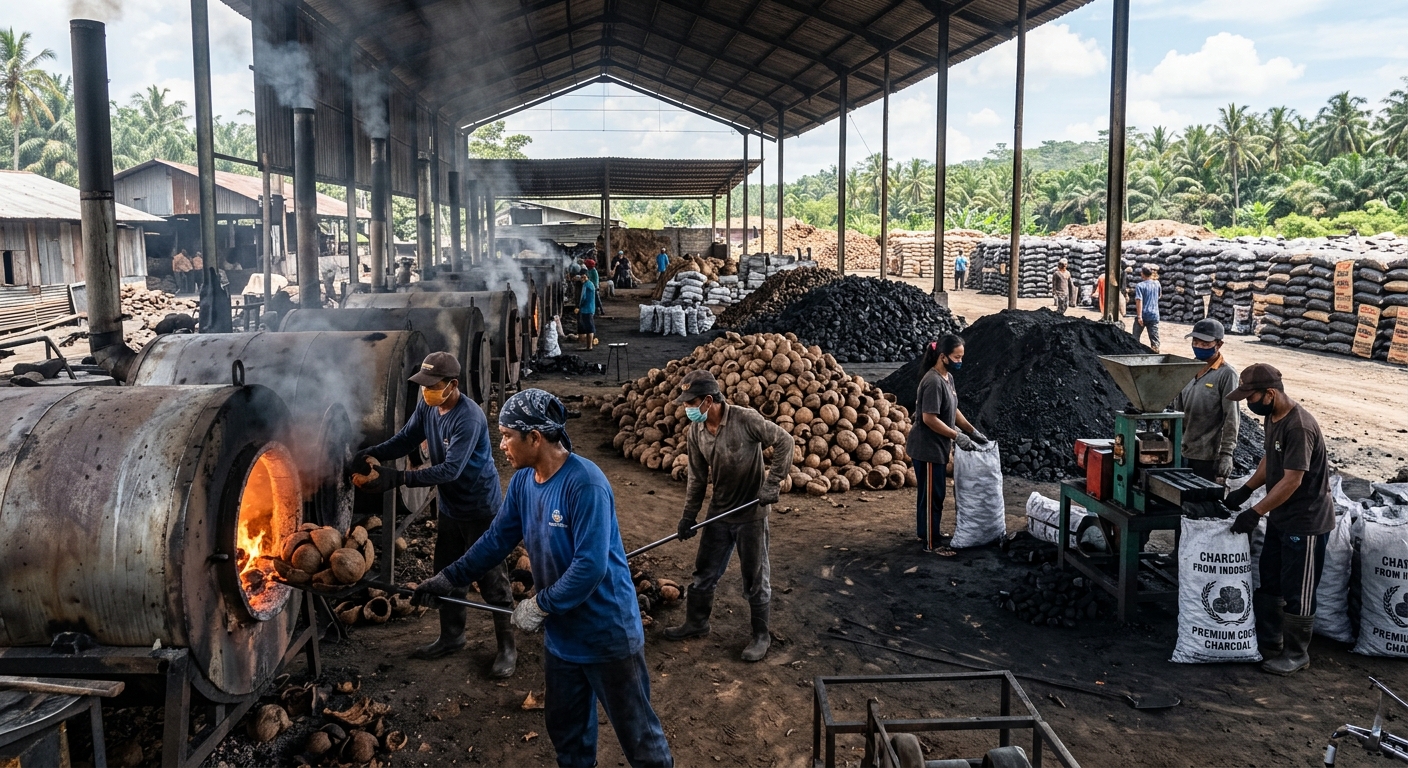
The process begins with collecting mature coconut shells. These shells undergo carbonization, a process of burning them in an oxygen-restricted environment. This step removes moisture and volatile compounds, leaving behind high-carbon charcoal. The quality of carbonization heavily dictates the final product’s performance.
2. Crushing and Mixing
The carbonized shells are then crushed into a fine powder. To bind the powder into briquettes, a natural, food-grade binder, typically tapioca starch, is added. The ratio of charcoal powder to binder is crucial; too much binder can affect the burn quality and introduce unwanted smells, while too little will result in fragile briquettes that crumble easily.
3. Molding and Drying
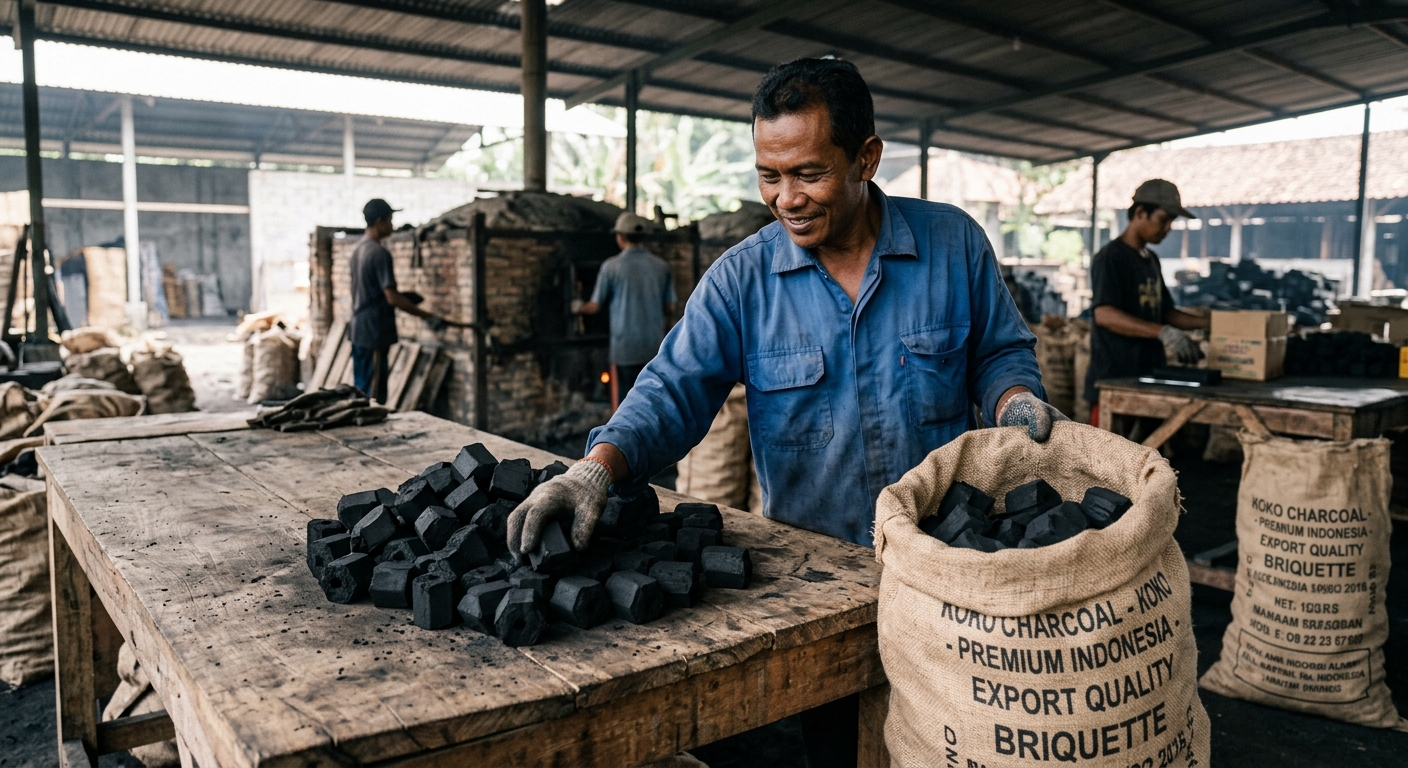
The mixture is then pressed into various shapes using industrial extruders. While there are many shapes available, cubes and hexagons are the most popular for hookah use. If you are unsure which shape suits your market best, you can explore the Cube vs Hexagonal Hookah Charcoal: The Ultimate Comparison to make an informed decision. After molding, the briquettes undergo a rigorous drying process in large ovens to reduce the moisture content to below 5%, ensuring they are easy to light and burn hot.
How to Choose the Right Indonesian Coconut Charcoal Supplier
With numerous suppliers operating in Indonesia, finding the right partner requires careful consideration. A reliable supplier not only guarantees consistent quality but also ensures smooth logistics and transparent communication.
Quality Assurance and Certifications
Always request samples before placing a bulk order. Test the samples for burn time, ash color (white or light grey is preferred), ash content, and structural integrity (briquettes should not crack or break easily). Additionally, check if the supplier holds relevant certifications, such as ISO, which indicate adherence to international quality management standards.
Production Capacity and Consistency
Ensure the supplier has the production capacity to meet your volume requirements, especially during peak seasons. Consistency is key in this industry. A good supplier should provide the exact same quality in the tenth container as they did in the first. Ask about their quality control procedures at each stage of production.
Transparency and Communication
A professional Indonesian coconut charcoal supplier will be transparent about their sourcing, manufacturing process, and pricing structure. Effective communication is crucial, especially when dealing with international shipping, customs documentation, and potential delays. Look for suppliers who are responsive, provide regular updates, and are willing to invite you to visit their factory.
Standard Specifications for Premium Coconut Charcoal
To help you evaluate potential suppliers, here is a general guideline for the specifications of premium grade coconut charcoal briquettes:
| Specification | Premium Standard |
|---|---|
| Fixed Carbon | 75% – 85% |
| Ash Content | 1.5% – 2.5% |
| Volatile Matter | 10% – 15% |
| Moisture Content | Max 5% |
| Burning Time | 90 – 120 minutes |
| Drop Test | Pass (Minimal breakage) |
Conclusion
Finding a reliable Indonesian coconut charcoal supplier is a strategic step for any business in the hookah or barbecue industry. The unparalleled quality of Indonesian coconut shells, combined with expert manufacturing processes, results in a product that meets the highest global standards. By focusing on quality specifications, production consistency, and supplier transparency, you can establish a long-term partnership that will elevate your brand and satisfy your customers’ demands for premium charcoal.
Frequently Asked Questions
Why is Indonesian coconut charcoal considered the best?
Indonesian coconut charcoal is highly regarded due to the density of the locally grown coconut shells. This natural density results in charcoal with higher carbon content, longer burn times, lower ash production, and virtually no smoke or odor compared to charcoal from other regions or materials.
How do I verify the quality of a new supplier?
The best way to verify quality is to request samples and conduct your own burn tests. Look for a long burn time, lack of odor, structural stability when lit, and a low amount of light-colored ash. Additionally, ask for recent lab test reports detailing the carbon, ash, and moisture content.
What are the common packaging options available?
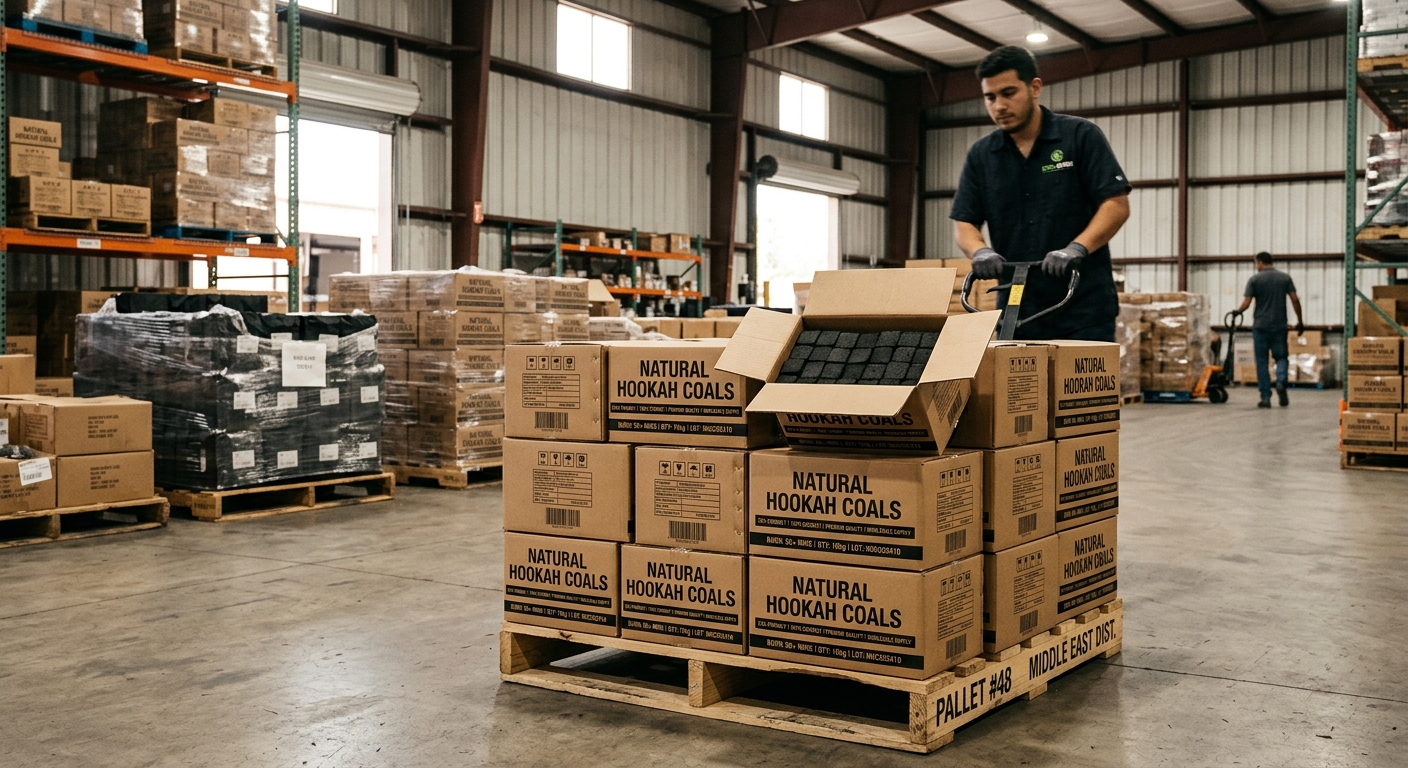
Suppliers typically offer bulk packaging (such as 10kg or 20kg master carton boxes) as well as retail packaging (like 1kg, 500g, or 250g inner boxes). Many suppliers also provide OEM or private label services, allowing you to customize the packaging with your own brand design.
Is coconut charcoal eco-friendly?
Yes, coconut charcoal is considered eco-friendly and sustainable. It is made from coconut shells, which are a byproduct of the coconut industry (copra and coconut oil production). Utilizing these shells prevents them from becoming waste and does not require the cutting down of trees, making it a sustainable alternative to traditional wood charcoal.