Introduction to Natural Coconut Shell Charcoal
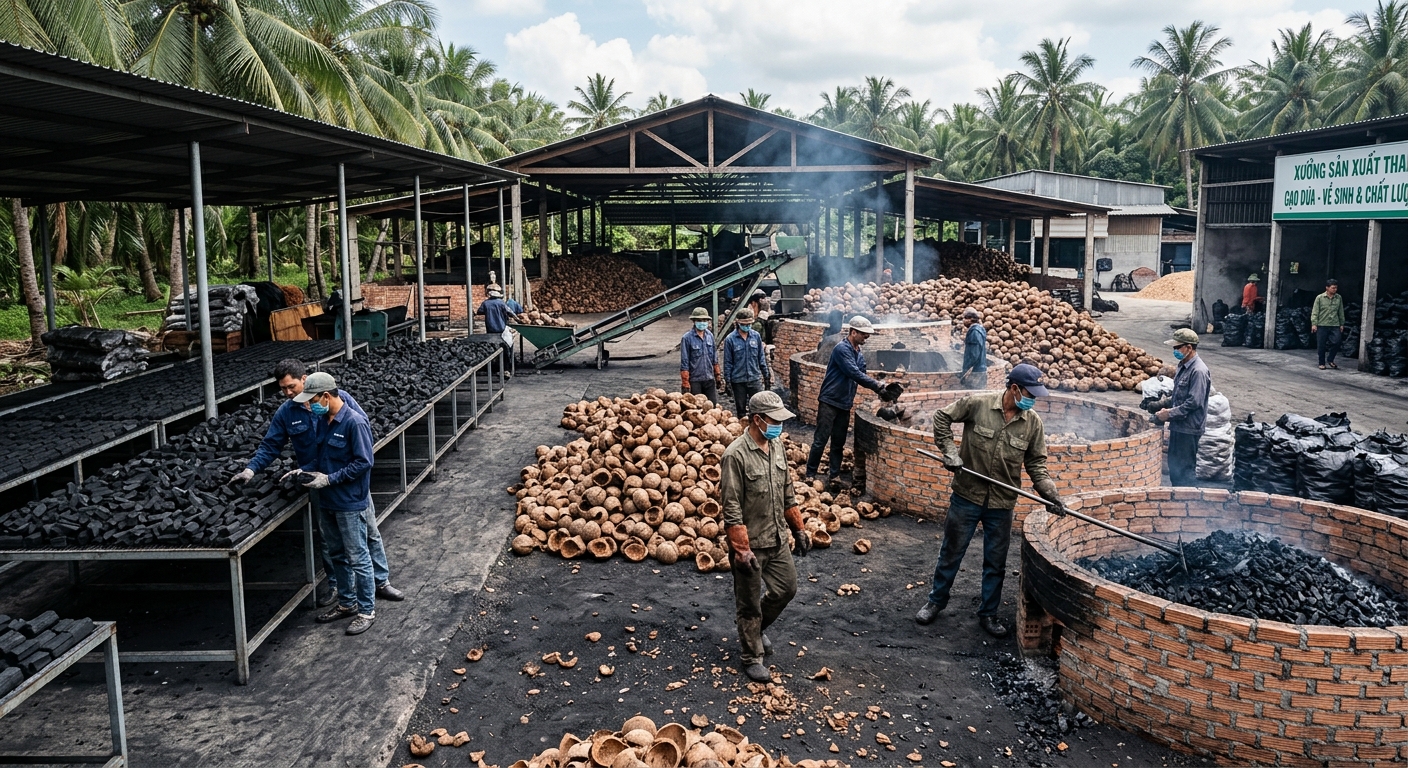
In recent years, the demand for eco-friendly and high-performance charcoal has skyrocketed. A natural coconut shell charcoal factory plays a pivotal role in this sustainable supply chain. By utilizing the discarded shells of coconuts, these factories transform agricultural waste into a premium energy source that is clean-burning, long-lasting, and highly efficient. This article delves into the fascinating operations of a natural coconut shell charcoal factory, exploring the production processes, environmental benefits, and the superior quality of the final product.
The Sustainable Sourcing of Coconut Shells
The journey of premium coconut charcoal begins with the raw material. Coconuts are harvested primarily for their water, meat, and oil. The shells, which were traditionally discarded or burned as waste, are now collected by coconut shell charcoal factories. This practice not only provides an additional income stream for local farmers but also significantly reduces agricultural waste. By repurposing these shells, the industry promotes a circular economy and reduces the reliance on timber-based charcoal, helping to combat deforestation.
The Carbonization Process
Once the shells arrive at the factory, they undergo a crucial process known as carbonization. The shells are cleaned and dried to remove any residual moisture and impurities. They are then placed into large kilns or retorts, where they are heated to extremely high temperatures in an oxygen-limited environment. This process burns off volatile compounds, leaving behind high-carbon charcoal. The efficiency of the carbonization process dictates the quality of the charcoal, ensuring it burns hotter and cleaner.
Manufacturing Premium Charcoal Briquettes
After carbonization, the charcoal is crushed into a fine powder. To create uniform briquettes suitable for grilling or hookah, the powder is mixed with a natural binder, typically tapioca starch. No synthetic chemicals or fillers are used, which is why natural coconut shell charcoal is celebrated for its purity. The mixture is then extruded or pressed into various shapes, such as cubes, flats, or hexagons. Finally, the briquettes are baked in massive industrial ovens to remove the remaining moisture, resulting in a dense, hard product.
For hookah enthusiasts, the purity of the charcoal is paramount. Synthetic or quick-lighting coals can impart harsh chemical tastes that ruin the smoking experience. To understand why natural options are superior, you can read Coconut Charcoal vs Quick Light: The Ultimate Shisha Coals Comparison, which highlights the differences in burn time, ash production, and flavor impact.
Quality Control in the Factory
A reputable natural coconut shell charcoal factory implements stringent quality control measures at every stage. Technicians test the raw shells for moisture content, monitor the kiln temperatures during carbonization, and assess the final briquettes for density, ash content, and drop-test durability. High-quality coconut charcoal should leave less than 3% ash and burn for up to two hours without sparking or producing off-putting odors. This rigorous testing ensures that consumers receive a consistent, top-tier product every time.
The following table compares standard wood charcoal with premium natural coconut shell charcoal across several key performance metrics.
| Charcoal Type | Burn Time | Ash Content | Heat Output (kcal/kg) | Sustainability |
|---|---|---|---|---|
| Wood Charcoal | 45 – 60 mins | 5% – 8% | 6,000 | Low (Deforestation) |
| Coconut Shell Charcoal | 90 – 120 mins | 2% – 3% | 7,500 | High (Upcycled Waste) |
The Environmental and Economic Impact
The establishment of a natural coconut shell charcoal factory brings significant environmental and economic benefits. Environmentally, it provides a renewable alternative to traditional wood charcoal, preserving forests and reducing greenhouse gas emissions associated with waste burning. Economically, these factories create jobs in rural and developing regions where coconuts are grown, from collection and transportation to factory operations and international export.
Why Hookah Users Prefer Coconut Charcoal
Hookah smokers are among the most discerning consumers of charcoal. Because the charcoal sits directly above the shisha tobacco, any chemical additives will alter the taste. Natural coconut shell charcoal is completely odorless and tasteless when fully lit. It provides a steady, high heat that bakes the shisha evenly, producing thick, flavorful clouds without harshness. For a deeper dive into maximizing your sessions, check out The Ultimate Guide to the Best Hookah Charcoal for Flavor.
Conclusion
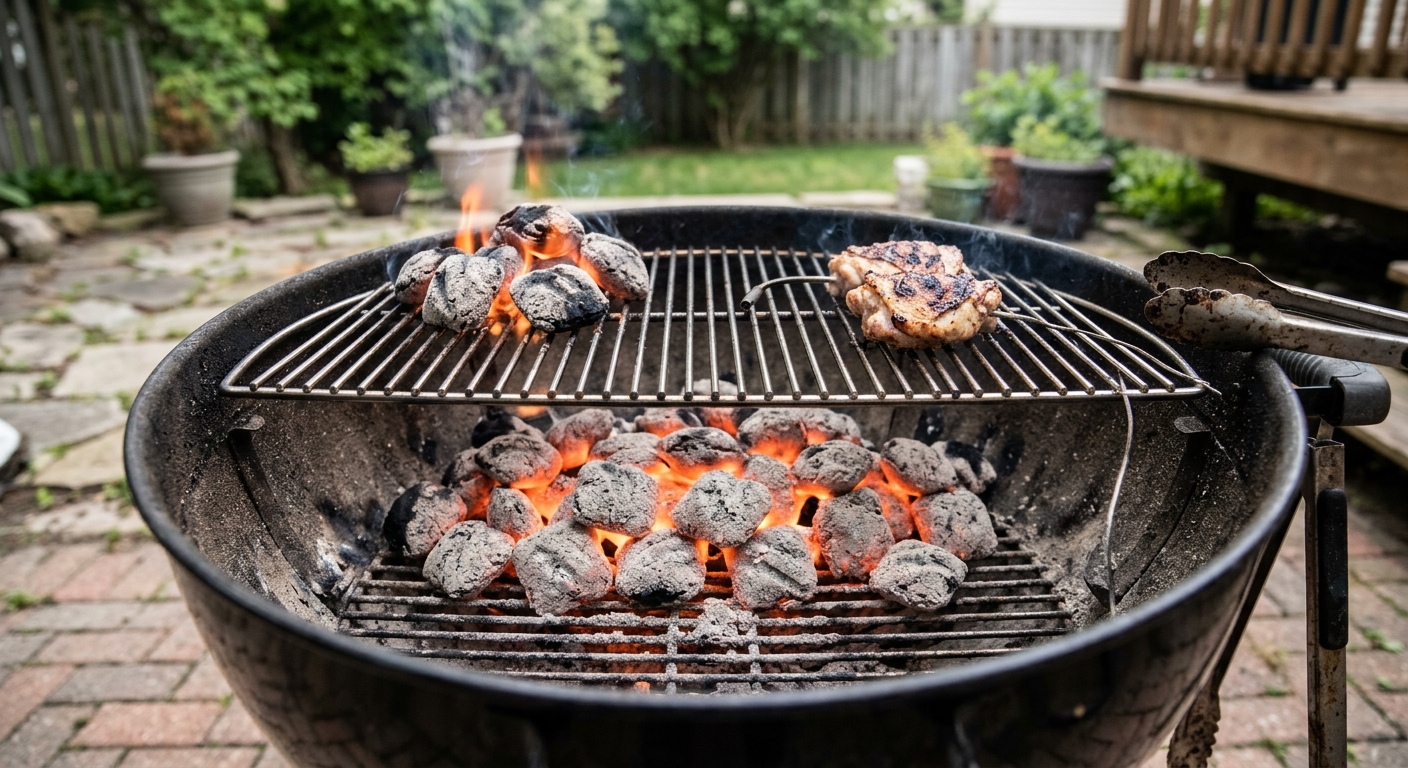
A natural coconut shell charcoal factory is more than just a manufacturing facility; it is a hub of sustainability and innovation. By transforming agricultural waste into a high-value, clean-burning product, these factories support local economies and protect the environment. Whether used for a backyard barbecue or a relaxing hookah session, natural coconut shell charcoal stands out as the superior choice for performance, purity, and eco-friendliness. As consumer awareness grows, the demand for these natural briquettes will undoubtedly continue to rise, solidifying the importance of this green industry.
Frequently Asked Questions (FAQ)
What is a natural coconut shell charcoal factory?
A natural coconut shell charcoal factory is an industrial facility that processes discarded coconut shells into high-quality charcoal briquettes through drying, carbonization, crushing, and molding, using only natural binders.
Why is coconut charcoal better than wood charcoal?
Coconut charcoal burns hotter, lasts longer, and produces significantly less ash than traditional wood charcoal. Furthermore, it is made from recycled agricultural waste, meaning no trees are cut down to produce it.
Does coconut charcoal smell or taste like coconuts?
No. During the high-temperature carbonization process, all the volatile compounds and natural oils are burned away. The resulting charcoal is completely odorless and tasteless, making it perfect for grilling and hookah.
How long does coconut shell charcoal burn?
Depending on the size and shape of the briquette, high-quality coconut shell charcoal can burn for anywhere between 90 minutes to over 2 hours, which is much longer than standard quick-light or wood coals.


One thought on “Natural Coconut Shell Charcoal Factory: Sustainable Production & Quality”