Introduction to Natural Non-Toxic Hookah Charcoal
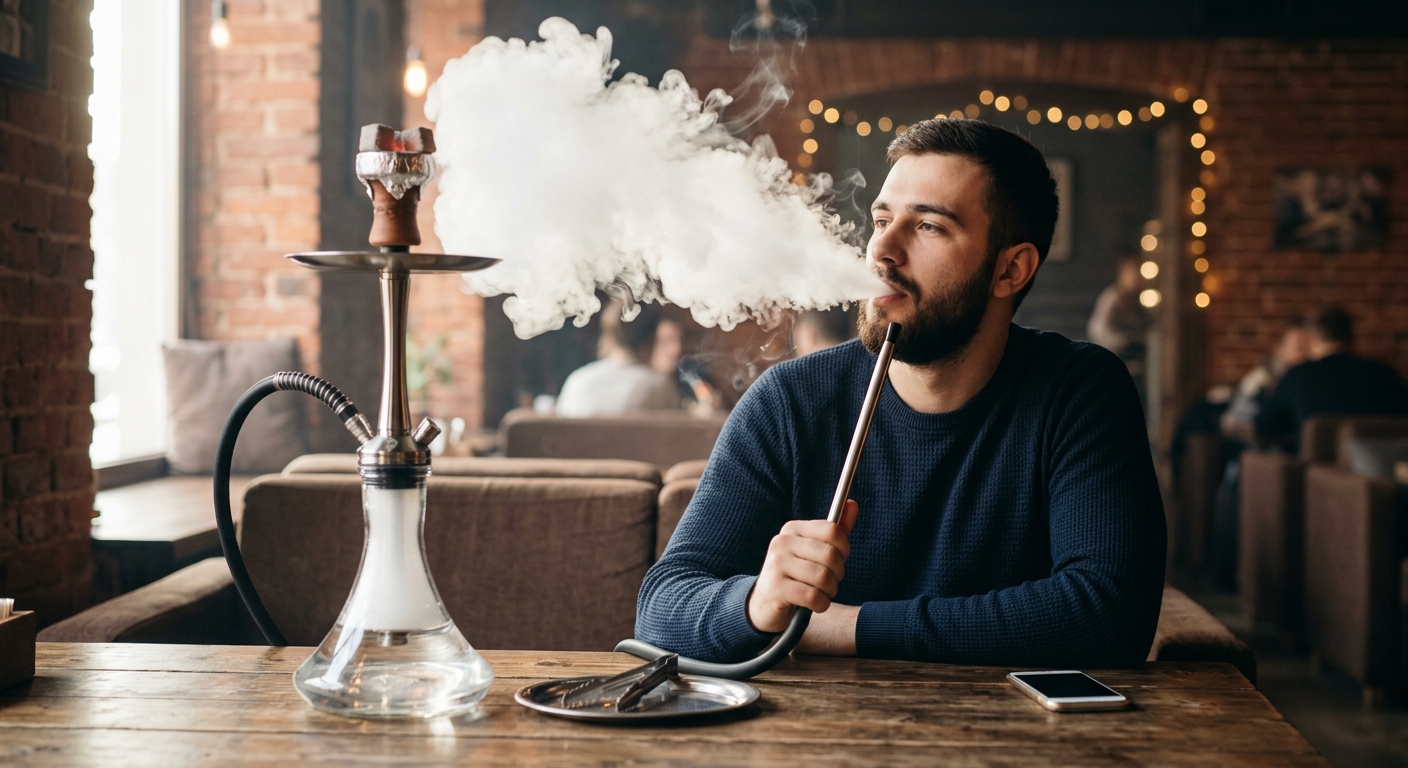
In the evolving world of hookah smoking, enthusiasts are increasingly prioritizing the quality of their sessions. One of the most significant shifts in recent years is the transition from quick-light charcoal to natural non-toxic hookah charcoal. Understanding the difference between these options is crucial for anyone looking to enjoy a cleaner, safer, and more flavorful experience.
Natural non-toxic hookah charcoal is typically made from organic materials, with coconut shells being the most prominent and preferred source. Unlike quick-light coals, which are laced with chemical accelerants such as sulfur and benzene to ignite rapidly, natural charcoal contains no harmful chemical additives. This lack of chemicals means you aren’t inhaling toxic fumes, nor are you altering the intended flavor of your shisha.
The Benefits of Choosing Natural Charcoal
Opting for natural non-toxic charcoal offers a multitude of benefits that elevate the hookah experience. Firstly, the purity of the material ensures a clean burn. When you use natural charcoal, you experience the true flavor profile of the shisha tobacco, entirely unadulterated by the chemical taste often associated with quick-light variants.
Secondly, natural charcoal burns significantly longer and hotter. A standard natural coconut coal can easily last upwards of an hour, providing a consistent heat output that is ideal for long sessions. This efficiency not only improves the experience but is also more cost-effective in the long run, as fewer coals are consumed per session.
Furthermore, natural coals produce substantially less ash. Less ash means less mess and a reduced risk of ash falling into the hookah bowl, which can introduce a harsh, burnt taste to the smoke. For those who want to optimize their sessions further, understanding different coal shapes is beneficial. You can read more about this in our Cube Charcoal vs Flat Charcoal: A Comprehensive Guide for Hookah Enthusiasts.
How Natural Hookah Charcoal is Made
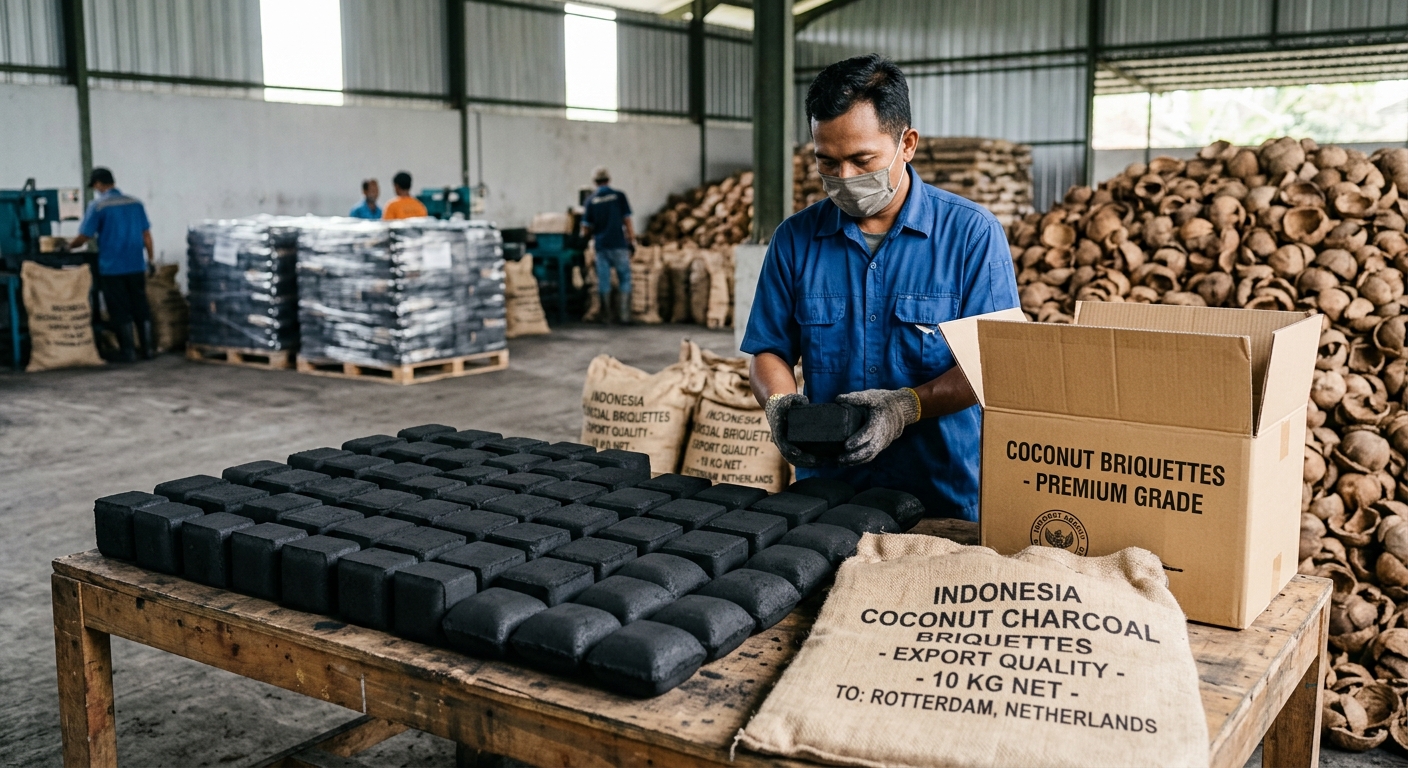
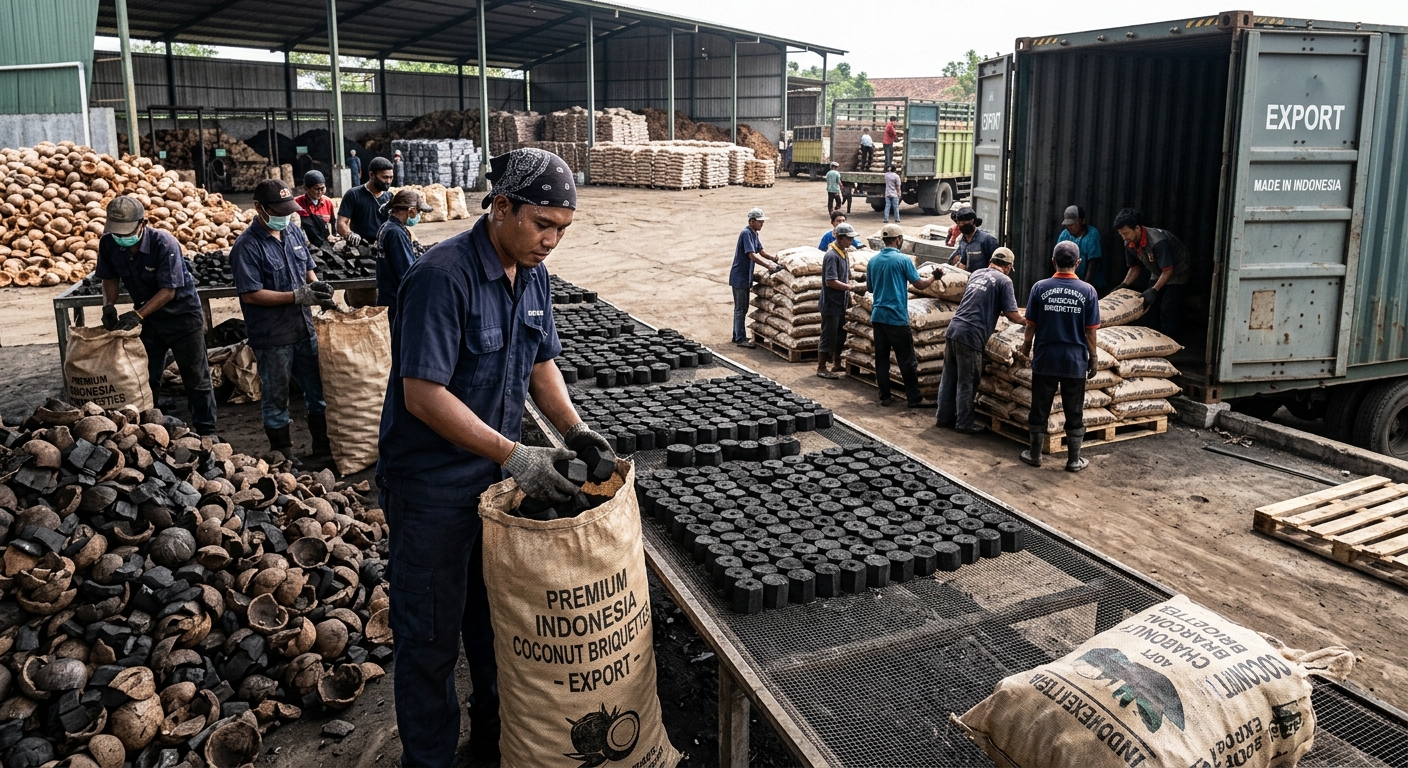
The manufacturing process of natural hookah charcoal is a testament to sustainable and non-toxic practices. The process begins with the sourcing of raw materials. Coconut shells, often a byproduct of the coconut industry, are collected and carbonized. Carbonization involves baking the shells in a low-oxygen environment at high temperatures, turning them into char.
Once carbonized, the char is crushed into a fine powder. This powder is then mixed with a natural binder, usually a simple mixture of water and tapioca starch. This natural binder holds the powder together without introducing any toxic chemicals. The mixture is then extruded or pressed into specific shapes—such as cubes, flats, or hexagons—and cut to size.
The final step is the drying process. The shaped coals are dried in large ovens to remove all moisture. This ensures that the coals will ignite properly and burn evenly when it is time to use them.
Types of Natural Hookah Charcoal
Below is a comparison of the most common types of natural non-toxic hookah charcoal available on the market.
| Charcoal Material | Burn Time (approx.) | Ash Production | Flavor Impact |
|---|---|---|---|
| Coconut Shell | 60-90 minutes | Very Low | Neutral |
| Lemon Wood | 45-60 minutes | Medium | Slight Woody Note |
| Bamboo | 45-60 minutes | Low | Neutral |
Lighting and Managing Natural Charcoal
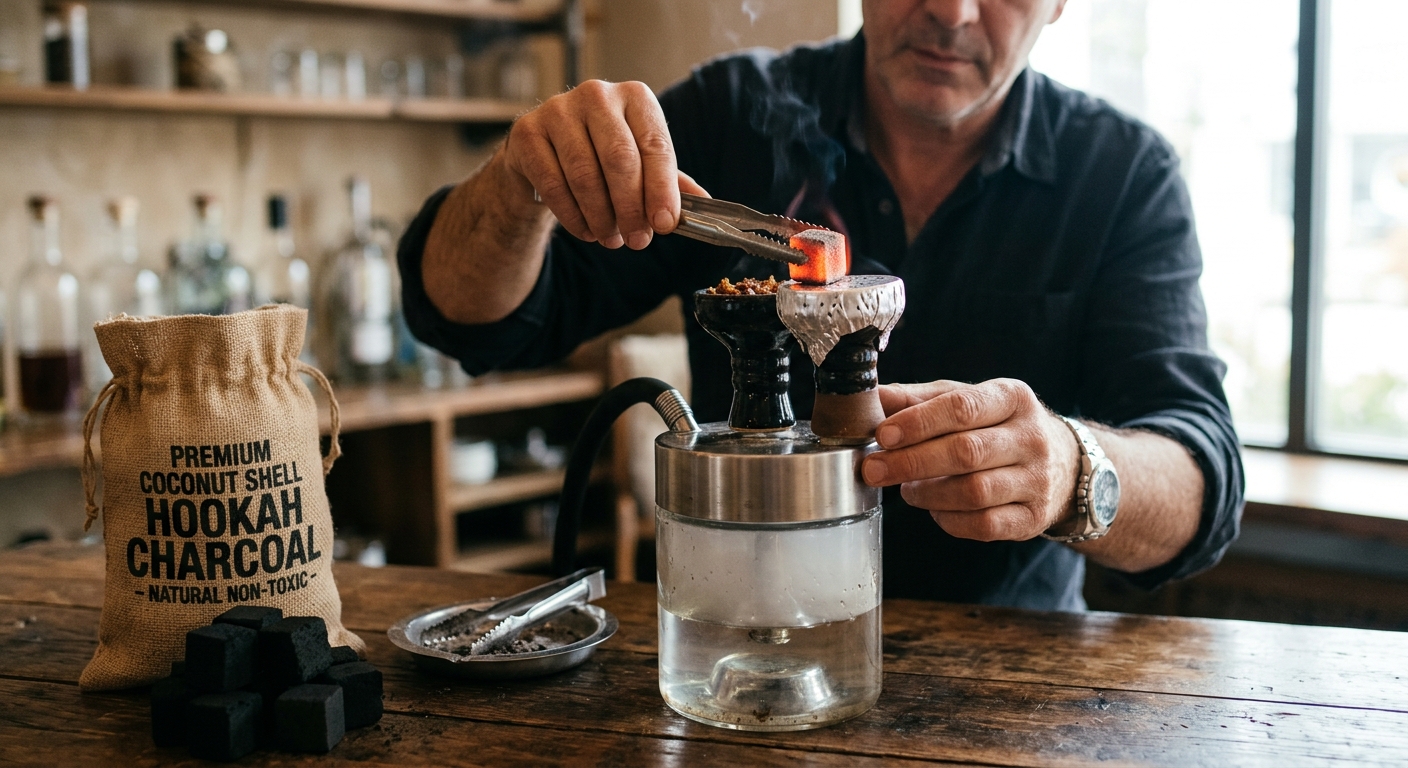
Because natural charcoal lacks chemical accelerants, it cannot be lit with a simple cigarette lighter. Igniting natural coals requires a sustained, intense heat source. A dedicated electric coil burner is the most effective and popular tool for this job. It typically takes about 8 to 12 minutes to fully light natural coals on a coil burner. They must be glowing red all the way through before they are placed on the hookah bowl; any black, unlit spots can cause carbon monoxide buildup and a poor smoking experience.
Managing the heat during the session is also crucial. As the coals burn down, they will need to be rotated and ashed (gently tapping off the outer layer of ash). Proper heat management prevents the shisha from burning and ensures a smooth, flavorful smoke. To maximize the efficiency of your coals and the overall quality of your session, proper packing is essential. Learn more by Mastering Hookah Bowl Packing Techniques for the Perfect Session.
Environmental and Health Considerations
Using natural non-toxic hookah charcoal is not just better for the smoker; it is also better for the environment. Coconut shell charcoal is an incredibly sustainable product. It utilizes the shells of coconuts that have already been harvested for their water and meat, meaning no trees are cut down to produce the charcoal. This upcycling process minimizes waste and reduces the carbon footprint of the product.
From a health perspective, while smoking hookah always carries inherent risks, eliminating the toxic chemical accelerants found in quick-light coals significantly reduces the inhalation of harmful byproducts. Natural coals emit lower levels of carbon monoxide compared to their chemically treated counterparts, making for a comparatively safer indoor environment, provided there is adequate ventilation.
Conclusion
The transition to natural non-toxic hookah charcoal is an essential step for any serious hookah smoker. The benefits—ranging from prolonged burn times and reduced ash to the preservation of flavor and the elimination of toxic chemicals—far outweigh the slight inconvenience of a longer lighting time. By choosing natural coconut, wood, or bamboo coals, enthusiasts can ensure a cleaner, safer, and infinitely more enjoyable smoking session, while also making a more environmentally conscious choice.
Frequently Asked Questions
Why does natural charcoal take so long to light?
Natural charcoal takes longer to light because it does not contain chemical accelerants like sulfur or benzene. It requires a dedicated, sustained heat source, such as an electric coil burner, to fully ignite.
Can I light natural charcoal with a regular lighter?
No, a standard lighter does not produce enough sustained heat to ignite natural charcoal. Attempting to do so will only scorch the outside and leave the inside unlit.
How do I know when my natural charcoal is fully lit?
Your natural charcoal is fully lit when it is glowing red-hot on all sides and covered in a thin layer of gray ash. There should be no black, unlit spots remaining.
Does natural charcoal produce carbon monoxide?
Yes, all burning organic matter produces some level of carbon monoxide. However, natural charcoal typically produces less carbon monoxide than quick-light coals, provided it is fully lit before use.