Introduction to Indonesia Coconut Charcoal Briquettes Export Quality
Indonesia is widely recognized as a global leader in the production and exportation of premium coconut charcoal briquettes. Derived from the abundant coconut shells across the archipelago, these briquettes have become a sought-after commodity in international markets. The appeal of Indonesia coconut charcoal briquettes export quality lies in their sustainable nature, high heat retention, minimal ash production, and lack of smoke or odor. This comprehensive article delves into the intricacies of this booming industry, exploring the manufacturing processes, quality standards, and the diverse applications that make Indonesian coconut charcoal the preferred choice for consumers worldwide.
The Manufacturing Process of Export Quality Briquettes
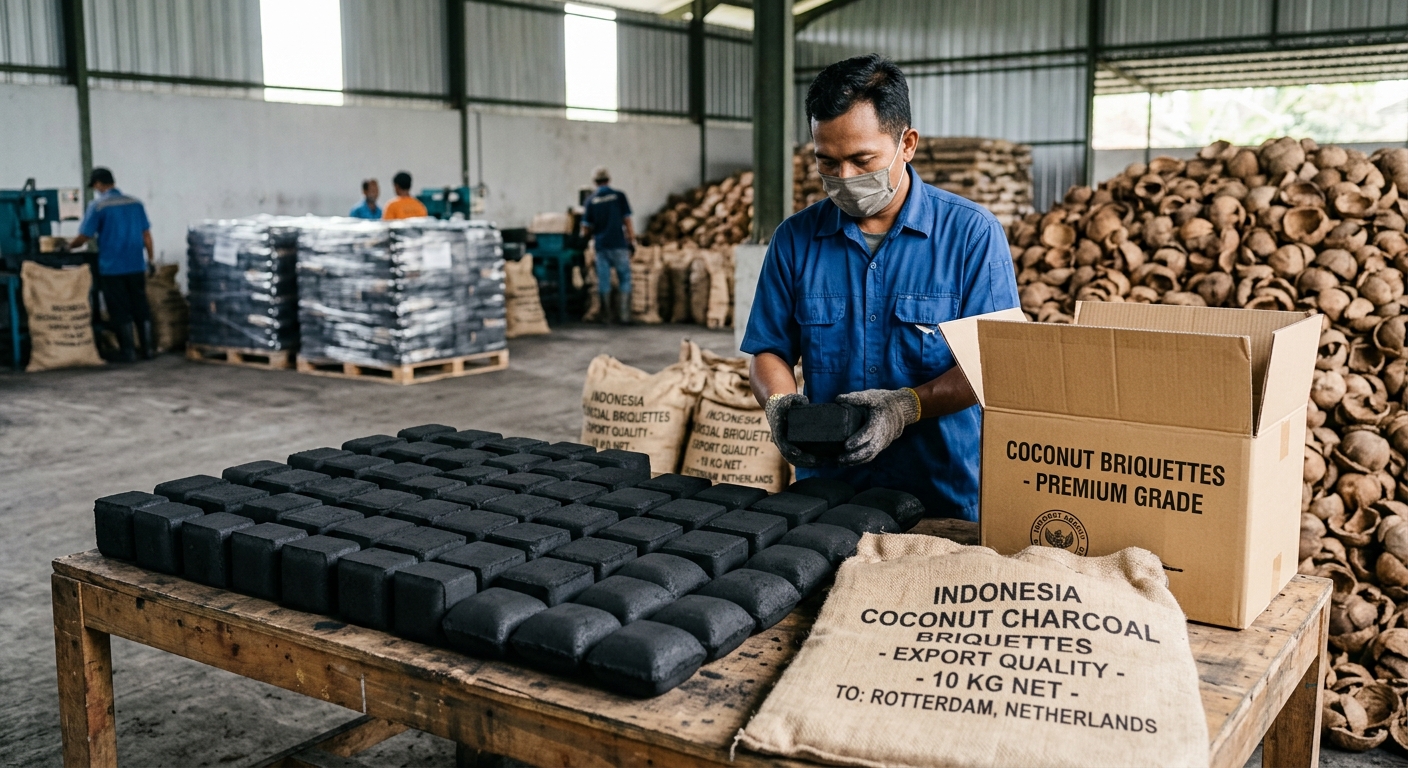
Creating high-quality coconut charcoal briquettes is a meticulous process that requires precision and expertise. The journey begins with the careful selection of mature coconut shells, which are essential for producing a dense and long-lasting charcoal. Once collected, the shells undergo a carbonization process, where they are burned in a low-oxygen environment. This step is crucial for removing moisture and volatile compounds, leaving behind pure carbon.
Crushing and Mixing
After carbonization, the charcoal is crushed into a fine powder. This powder is then mixed with a natural binder, typically tapioca starch, which holds the briquettes together without altering the burning characteristics or introducing unwanted chemicals. The precise ratio of charcoal to binder is a closely guarded secret among top manufacturers, ensuring the final product burns evenly and cleanly. For businesses looking to source these materials, consulting a Comprehensive Guide to Coconut Shell Charcoal Manufacturer Wholesale Prices can provide valuable insights into market dynamics and procurement strategies.
Molding and Drying
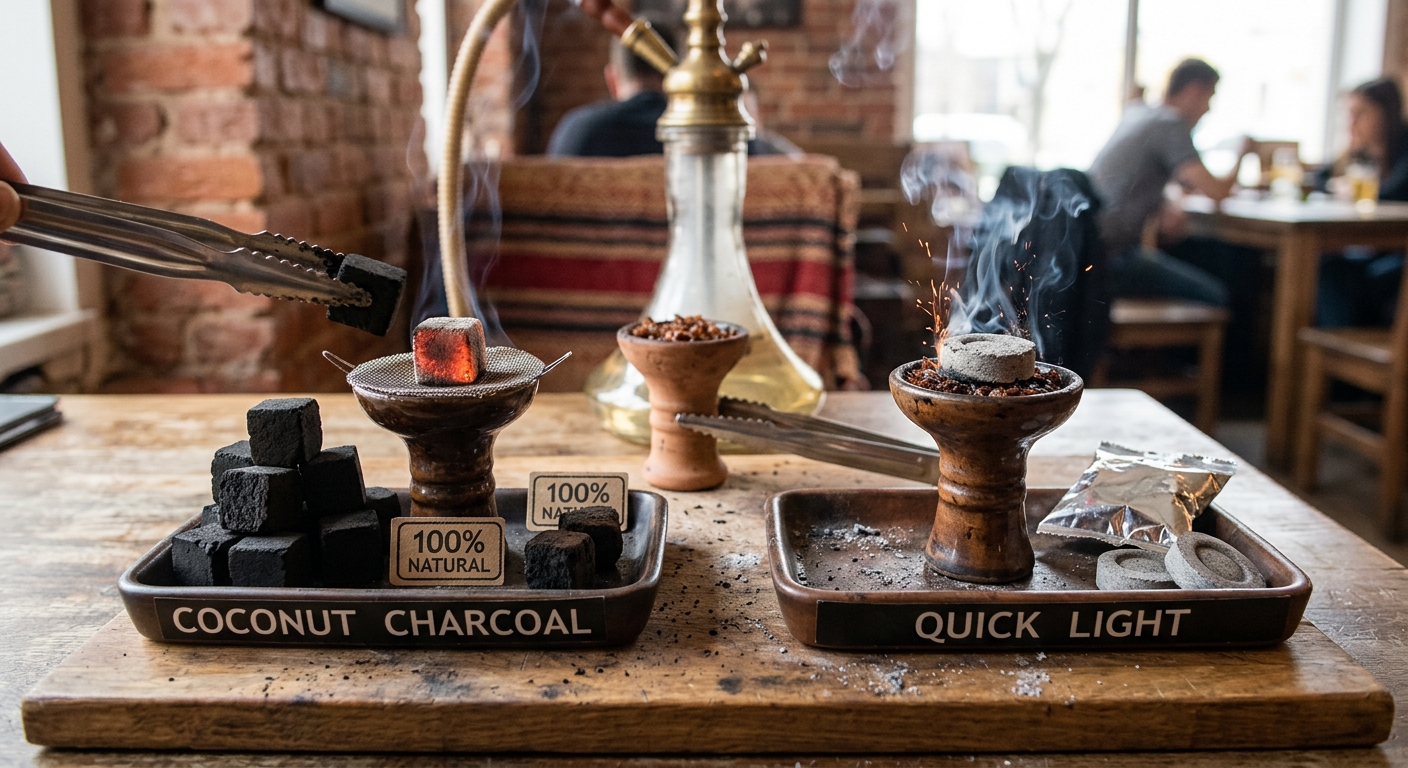
The mixture is then pressed into various shapes using specialized molds. The most common shapes for export include cubes, hexagons, and cylinders. Each shape serves a specific purpose; for instance, hookah enthusiasts often debate the merits of different forms, a topic thoroughly explored in Cube vs Hexagonal Hookah Charcoal: The Ultimate Comparison. Following the molding process, the briquettes undergo rigorous drying in industrial ovens to reduce their moisture content to an absolute minimum, ensuring optimal combustion and preventing cracking during use.
Key Characteristics of Export Quality Coconut Charcoal
What sets Indonesia coconut charcoal briquettes export quality apart from the competition? It boils down to several key performance indicators that international buyers demand.
- High Heat Value: They burn hotter and longer than traditional wood charcoal.
- Low Ash Content: Producing less than 2.5% ash, they ensure a cleaner burning experience.
- Odorless and Smokeless: Ideal for indoor use, particularly for shisha/hookah and premium barbecue applications.
- Eco-Friendly: Made from 100% natural coconut shells, preventing deforestation and utilizing agricultural waste.
Applications and Global Demand
The versatility of Indonesian coconut charcoal briquettes has led to a surge in global demand. They are predominantly used in two main sectors: the shisha/hookah industry and the culinary world.
The Shisha/Hookah Market
In regions such as the Middle East, Europe, and North America, the culture of smoking shisha requires charcoal that does not interfere with the flavor of the tobacco. Indonesian briquettes are prized for their neutral taste, consistent heat, and long burning time, making them the gold standard in shisha lounges worldwide.
Premium BBQ and Grilling
Culinary professionals and barbecue enthusiasts also favor coconut charcoal. Its high burning temperature sears meat perfectly, while the lack of smoke ensures the natural flavors of the food are preserved. Additionally, the long burn time is economical, requiring fewer briquettes per grilling session.
Quality Control and Export Standards
To maintain their reputation, Indonesian exporters adhere to strict quality control measures. Products are tested for moisture content, fixed carbon levels, volatile matter, and ash content. Reputable manufacturers often obtain certifications such as ISO and REACH to comply with international trade regulations and satisfy the stringent requirements of European and American markets.
| Parameter | Export Quality Standard |
|---|---|
| Moisture Content | Max 5% |
| Ash Content | Max 2.5% |
| Volatile Matter | Max 15% |
| Fixed Carbon | Min 75% |
| Burning Time | 90 – 120 minutes |
Conclusion
In conclusion, Indonesia coconut charcoal briquettes export quality represents a perfect synergy of sustainable resource utilization and advanced manufacturing techniques. Their superior performance characteristics, including high heat output, low ash, and smokeless combustion, make them indispensable in the global shisha and barbecue markets. As demand continues to rise, Indonesian manufacturers are well-positioned to maintain their dominance by consistently delivering products that meet and exceed international standards. Investing in these premium briquettes not only guarantees a better consumer experience but also supports eco-friendly practices in the charcoal industry.
Frequently Asked Questions
What makes Indonesian coconut charcoal briquettes better than wood charcoal?
Indonesian coconut charcoal briquettes are superior because they burn hotter, last longer, and produce significantly less ash and smoke compared to traditional wood charcoal. They are also an eco-friendly option as they are made from coconut shell waste rather than cutting down trees.
Are there different grades of coconut charcoal briquettes?
Yes, there are different grades based on the fixed carbon percentage, ash content, and burning time. Export quality briquettes generally have over 75% fixed carbon and less than 2.5% ash, which is the highest standard.
How should coconut charcoal briquettes be stored?
To maintain their quality, coconut charcoal briquettes should be stored in a cool, dry place away from direct sunlight and moisture. Keeping them in an airtight container or sealed plastic bag will prevent them from absorbing humidity from the air, which can affect their burning performance.