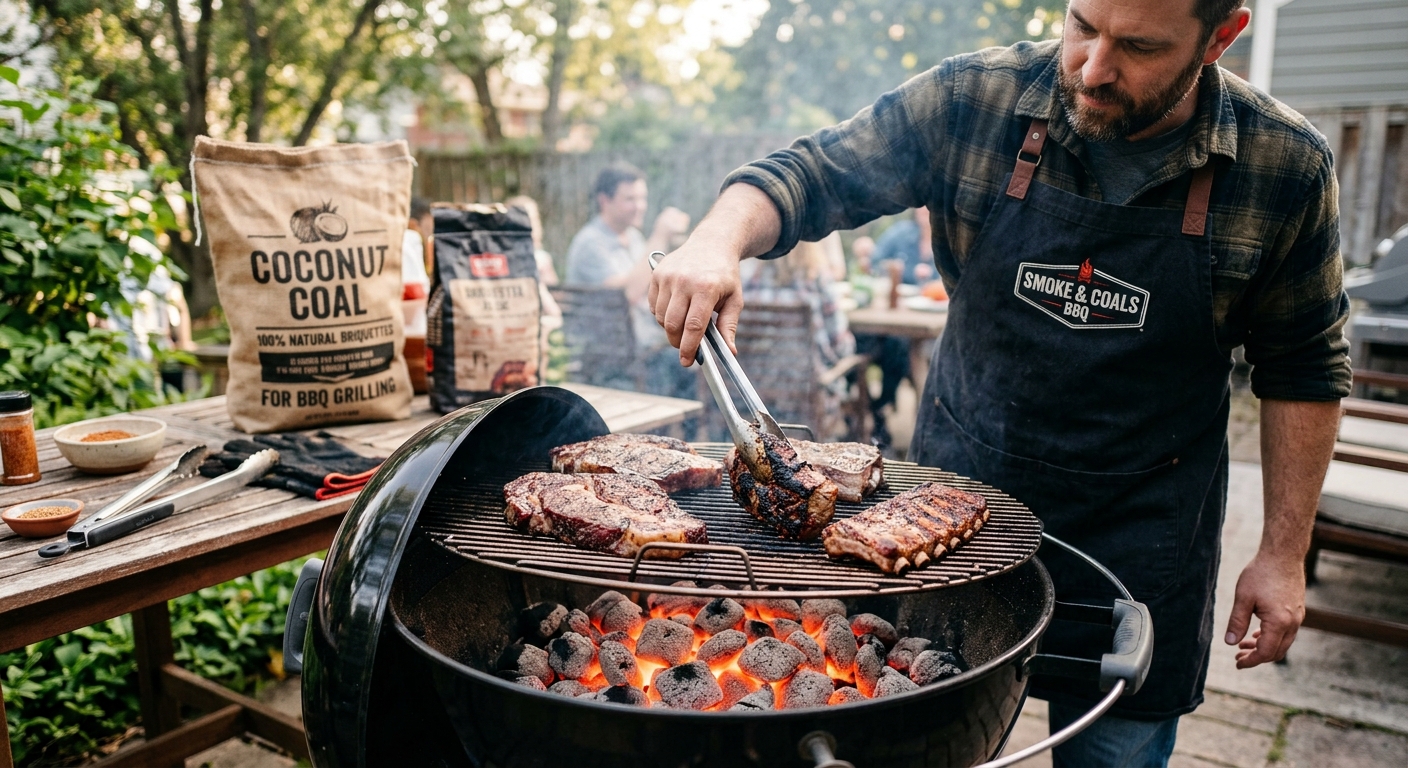
Introduction to Coconut Charcoal Briquettes
When it comes to outdoor cooking, the fuel you choose plays a critical role in the flavor, consistency, and overall experience of your BBQ. While traditional lump charcoal and wood briquettes have been the standard for decades, a superior alternative has been gaining significant traction among grilling enthusiasts and culinary professionals alike: coconut charcoal briquettes. Made from compressed coconut shells, these briquettes offer a range of unique benefits that elevate the BBQ grilling experience to new heights.
As the demand for sustainable, high-performance grilling fuels increases, coconut charcoal is standing out as the premium choice. Whether you are searing a steak to perfection, slow-smoking a brisket, or grilling delicate vegetables, understanding the advantages of coconut charcoal briquettes will transform how you approach your backyard BBQ.
What Are Coconut Charcoal Briquettes?
Coconut charcoal briquettes are an innovative and eco-friendly alternative to traditional charcoal. They are manufactured using the discarded shells of coconuts, a byproduct of the coconut meat and water industries. Instead of allowing these shells to go to waste, they are collected, cleaned, carbonized, and then compressed into dense, uniform briquettes using natural binders like tapioca starch.
This process creates a highly dense briquette that contains virtually no impurities, resulting in a clean-burning fuel that is free from the harsh chemicals and artificial fillers often found in standard commercial charcoal. Because they are uniform in shape and size, they provide a consistent heat output, making temperature control much easier for the griller.
The Superior Benefits of Coconut Charcoal for BBQ Grilling
Choosing coconut charcoal briquettes over traditional options offers numerous distinct advantages that cater to both the environment and the quality of your food.
1. Exceptional Burn Time and Heat Retention
One of the most significant benefits of coconut charcoal briquettes is their incredible density, which directly translates to a longer burn time. Compared to traditional wood charcoal, coconut briquettes can burn up to three times longer. This means fewer interruptions to add more fuel during long smoking sessions or extended backyard parties. Furthermore, they maintain a high, steady temperature, ensuring your grill stays hot enough to achieve the perfect sear on your meats.
2. Clean and Smokeless Burn
Traditional charcoal can often produce thick, acrid smoke that not only stings the eyes but can impart a bitter, overly smoky flavor to delicate foods. Coconut charcoal burns exceptionally clean. It produces very little smoke and has no harsh odors, allowing the true, natural flavors of your marinades, rubs, and the meat itself to shine through without being overpowered by heavy wood smoke.
3. Minimal Ash Production
Cleanup is arguably the least enjoyable part of BBQ grilling. Fortunately, coconut charcoal briquettes leave behind significantly less ash than traditional lump charcoal or standard briquettes—often less than 5% of their original volume. Less ash means better airflow during your cook (as the vents won’t get clogged) and a much quicker, easier cleanup process once the grill has cooled down.
4. Eco-Friendly and Sustainable
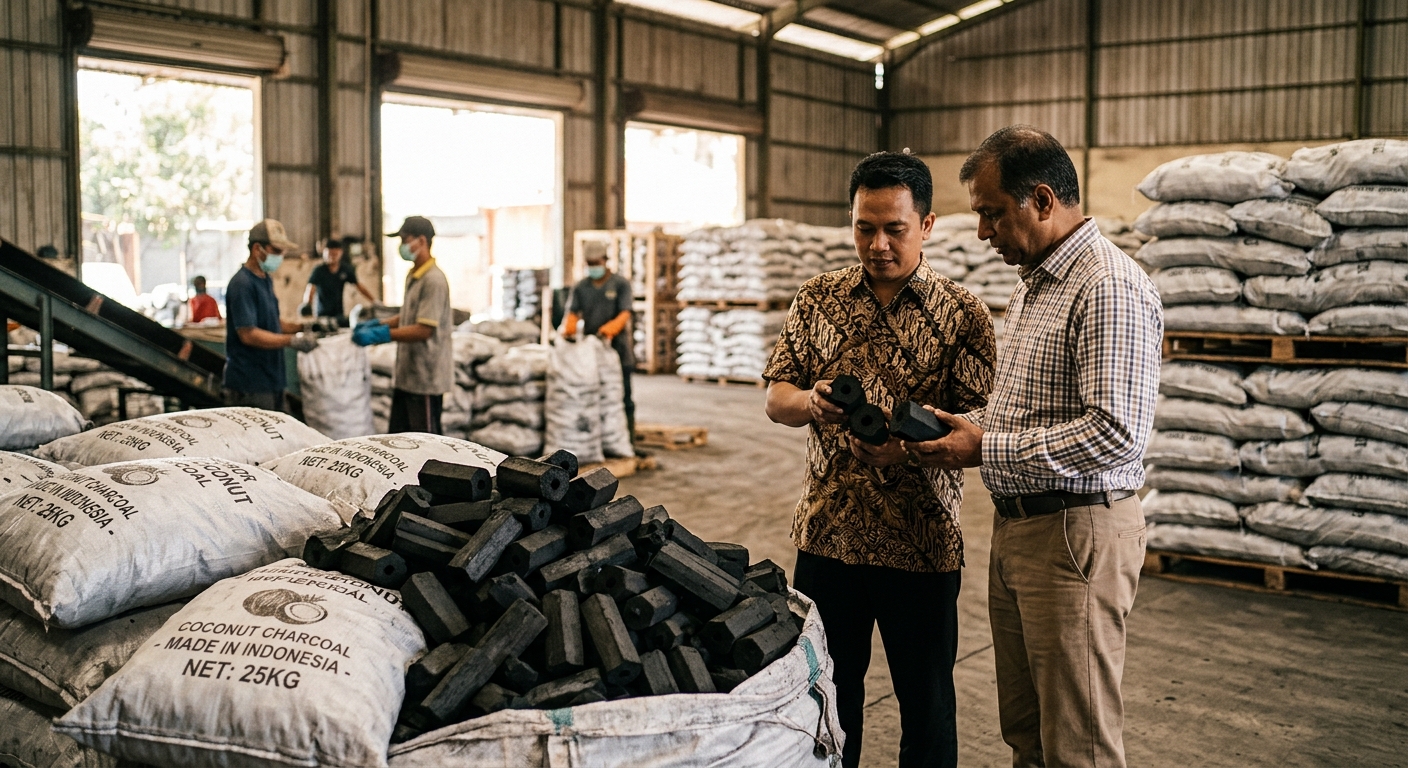
Sustainability is a major concern for many modern consumers. Traditional charcoal production often involves cutting down trees, contributing to deforestation. Coconut charcoal, on the other hand, is made entirely from a waste product—coconut shells. No trees are harmed in the making of this fuel, making it a 100% renewable and environmentally friendly option for conscientious grillers. If you are looking to source high-quality, sustainable fuel for your business or personal use, checking out The Ultimate Guide to Finding a Premium Indonesia Charcoal Supplier is highly recommended, as Indonesia is a global leader in producing top-tier coconut charcoal.
How to Use Coconut Charcoal Briquettes effectively
To get the most out of your coconut charcoal briquettes, it is important to know how to handle and light them properly, as their high density requires a slightly different approach than standard charcoal.
Lighting the Briquettes
Because they are so dense and free of chemical accelerants, coconut briquettes can take a bit longer to light. A charcoal chimney starter is the most highly recommended tool for this job. Simply place crumpled newspaper or natural fire starters under the chimney, fill the chimney with coconut briquettes, and light the paper. It usually takes about 15 to 25 minutes for the briquettes to become fully ashed over and ready to use.
If you find yourself in a situation where you don’t have access to your usual equipment, there are alternative methods. For instance, you might want to read How to Light Coconut Charcoal Without a Stove: A Comprehensive Guide for practical tips on getting your grill going in any environment.
Arranging the Coals
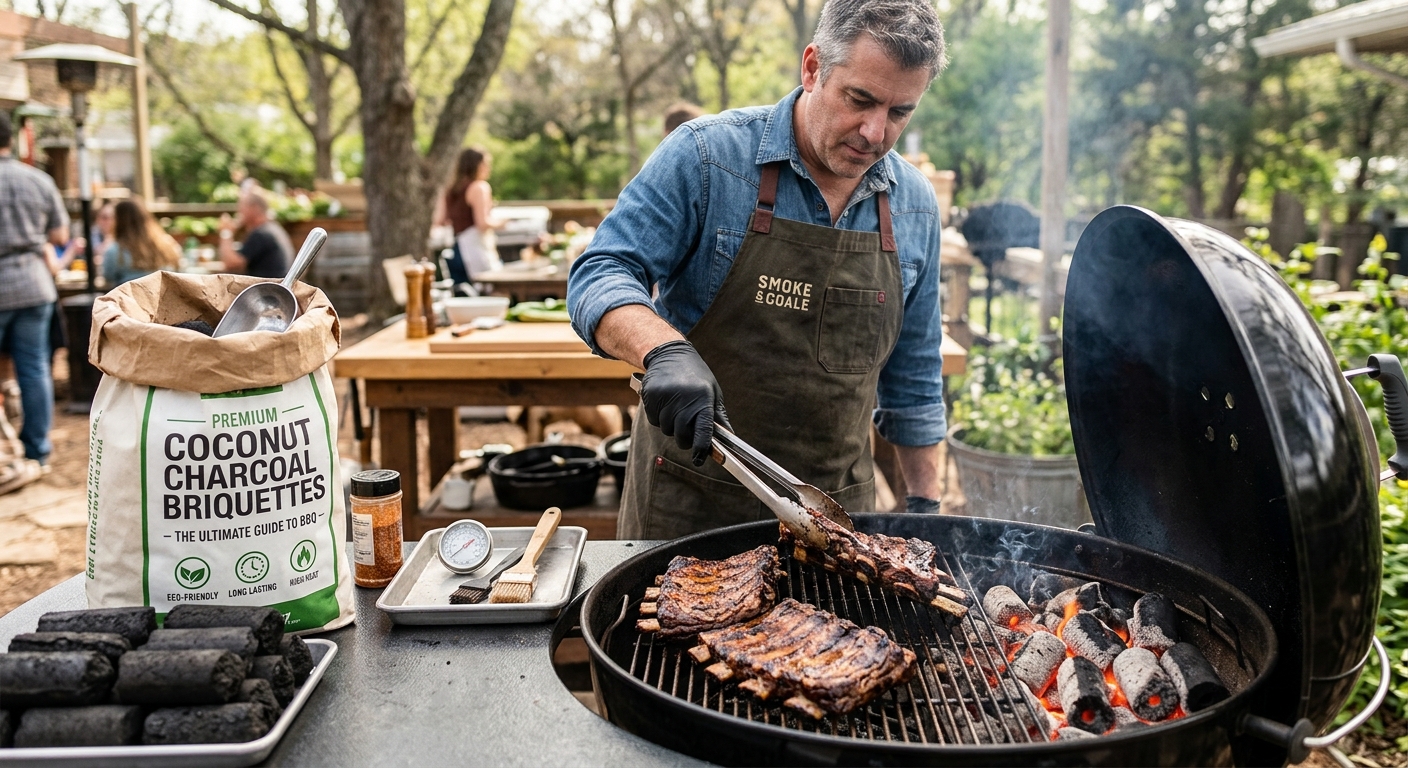
Once lit, how you arrange the coals will dictate your cooking style. For direct grilling (burgers, steaks, hot dogs), spread the briquettes evenly across the bottom grate. For indirect grilling or smoking (roasts, whole chickens, ribs), arrange the lit briquettes on one side of the grill, creating a two-zone fire. This allows you to sear over high heat and then move the food to the cooler side to finish cooking gently.
Comparison: Coconut Charcoal vs. Traditional Charcoal
To clearly illustrate why coconut charcoal is the superior choice, let’s look at a side-by-side comparison:
| Feature | Coconut Charcoal Briquettes | Traditional Wood Charcoal |
|---|---|---|
| Burn Time | Very High (up to 3x longer) | Moderate |
| Heat Consistency | Excellent, steady heat | Variable, can fluctuate |
| Smoke Production | Minimal to None | Moderate to High |
| Ash Leftover | Very Low (<5%) | High |
| Sustainability | 100% Renewable (waste byproduct) | Contributes to deforestation |
Choosing the Right Coconut Charcoal for BBQ
Not all coconut charcoal is created equal. When purchasing briquettes for your BBQ, look for products that specify they are made from 100% coconut shells without any chemical additives or cheap fillers like sawdust. The briquettes should feel heavy for their size, indicating high density, and they should not crumble easily in your hands. High-quality briquettes will provide the long, clean burn you are looking for to elevate your grilling.
Conclusion
Switching to coconut charcoal briquettes for BBQ grilling is a decision that benefits both the pitmaster and the planet. With their unparalleled burn time, consistent heat, low ash production, and eco-friendly origins, coconut briquettes are revolutionizing the outdoor cooking experience. Whether you are a weekend griller or a seasoned BBQ competitor, investing in premium coconut charcoal will undoubtedly enhance the flavor of your food and simplify your grilling process. Embrace the clean burn and sustainable nature of coconut shells, and take your next backyard barbecue to a professional level.
Frequently Asked Questions (FAQ)
Can I use coconut charcoal briquettes for smoking meats?
Yes, absolutely! Because they provide a consistent, long-lasting heat with minimal smoke, they are ideal for low-and-slow smoking. You can easily add wood chunks (like hickory, apple, or mesquite) to the lit coconut coals to achieve your desired smoke flavor profile without the bitter taste that comes from poor-quality charcoal smoke.
Do coconut charcoal briquettes make the food taste like coconut?
No, they do not. The carbonization process removes all the oils and flavors associated with the coconut fruit. The resulting charcoal is completely neutral in flavor, meaning it will not impart any coconut taste to your food. It simply provides a clean heat source.
Are coconut charcoal briquettes more expensive than regular charcoal?
While the upfront cost per bag might be slightly higher than cheap commercial briquettes, coconut charcoal is actually more cost-effective in the long run. Because they burn much longer and hotter, you will use significantly less fuel per cook. Additionally, you can often reuse unburned portions of coconut briquettes for your next BBQ, providing even more value.
One thought on “The Ultimate Guide to Coconut Charcoal Briquettes for BBQ Grilling”