Introduction to Premium Organic Coconut Charcoal
In recent years, the global demand for sustainable, high-quality charcoal has surged, bringing premium organic coconut charcoal to the forefront. As businesses and consumers alike become more environmentally conscious, the shift away from traditional wood charcoal toward eco-friendly alternatives is more prominent than ever. At the heart of this green revolution lies Indonesia, a country renowned for producing the finest coconut charcoal in the world. This article explores the thriving market of premium organic coconut charcoal wholesale in Indonesia, delving into its benefits, the meticulous manufacturing process, and why importing from this tropical archipelago is a smart business move.
Why Choose Coconut Charcoal?
Unlike traditional charcoal, which often contributes to deforestation and emits harmful chemicals when burned, organic coconut charcoal is a byproduct of the coconut industry. It is made from discarded coconut shells, ensuring that no trees are cut down in the process. This makes it an incredibly sustainable and renewable resource. Furthermore, premium organic coconut charcoal offers superior performance characteristics, particularly for shisha smoking and barbecue grilling.
Key Benefits of Organic Coconut Charcoal
- Longer Burn Time: Coconut charcoal briquettes are exceptionally dense, allowing them to burn up to three times longer than traditional lump charcoal.
- High Heat Output: They produce a consistent, intense heat, which is ideal for both culinary applications and shisha sessions.
- Low Ash Production: High-quality coconut charcoal leaves behind minimal ash (often less than 3%), making cleanup easier and keeping your grill or hookah clean.
- Odorless and Tasteless: Because it is made without synthetic binders or chemicals, coconut charcoal does not impart any unwanted flavors or smells, preserving the authentic taste of your food or shisha tobacco.
- Eco-Friendly: Utilizing agricultural waste prevents the depletion of forests, making coconut charcoal a truly green alternative.
Indonesia: The Global Hub for Coconut Charcoal
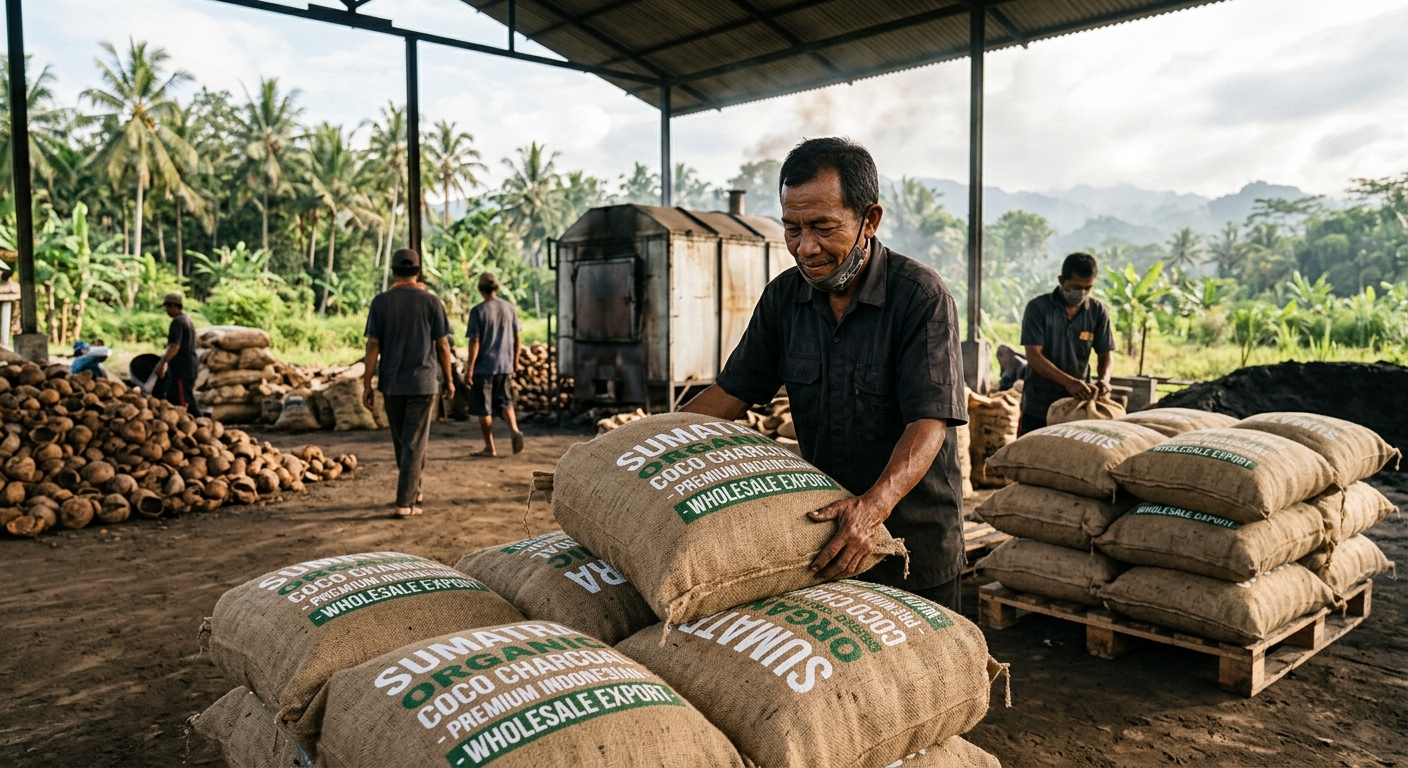
Indonesia is the world’s largest producer of coconuts, blessed with a tropical climate and fertile volcanic soil that yield coconuts with exceptionally thick, hard shells. These high-density shells are the secret ingredient behind the superior quality of Indonesian coconut charcoal. When looking for premium organic coconut charcoal wholesale in Indonesia, buyers have access to a vast network of experienced manufacturers who have perfected the art of briquette production over generations.
The Indonesian Advantage
The Indonesian advantage extends beyond just raw material availability. The country has established a robust infrastructure for exporting charcoal, complete with rigorous quality control measures and sustainable sourcing practices. Manufacturers in regions like Sulawesi, Sumatra, and Java adhere to international standards, ensuring that every batch of charcoal meets the high expectations of buyers in Europe, the Middle East, and North America. By partnering with Indonesian wholesalers, businesses can secure a steady supply of premium products at competitive prices, enhancing their profit margins while offering top-tier products to their customers.
The Manufacturing Process of Premium Coconut Charcoal
Creating premium organic coconut charcoal is a meticulous process that requires precision at every step. The quality of the final product depends heavily on how the raw materials are handled, carbonized, and shaped.
1. Sourcing and Selection
The process begins with the careful selection of mature coconut shells. Only fully dried, high-density shells are chosen to ensure the final briquettes have the optimal carbon content and burn characteristics.
2. Carbonization
The selected shells undergo carbonization, a process where they are heated to high temperatures (usually between 500°C and 700°C) in an oxygen-limited environment. This removes moisture and volatile compounds, leaving behind pure coconut shell charcoal. This step is critical; if the temperature is not tightly controlled, the charcoal may contain impurities that cause smoke and odors during use.
3. Crushing and Sieving
Once carbonized, the charcoal is cooled and then crushed into a fine powder. The powder is sieved to ensure uniform particle size, which is essential for creating dense, structurally sound briquettes.
4. Mixing with Natural Binders
To form briquettes, the charcoal powder is mixed with a natural, organic binder—typically tapioca starch and water. No synthetic chemicals, nitrates, or fillers are used in premium organic coconut charcoal. The use of natural binders ensures the charcoal remains odorless and safe for cooking and smoking.
5. Molding and Pressing
The charcoal paste is then fed into high-pressure molding machines, where it is shaped into various forms, such as cubes, hexagons, or flats, depending on the buyer’s requirements. High pressure is applied to maximize density, which contributes to the long burn time.
6. Drying and Quality Control
The newly formed briquettes are dried in industrial ovens to reduce their moisture content to below 5%. This step guarantees that the charcoal will ignite easily and burn evenly. Finally, the briquettes undergo strict quality control tests, checking for dimensions, density, ash content, and burn time, before being packaged for wholesale export.
Sourcing Wholesale Coconut Charcoal from Indonesia
For businesses looking to enter or expand in the charcoal market, sourcing premium organic coconut charcoal wholesale from Indonesia is a strategic decision. However, navigating the international supply chain requires careful consideration and due diligence.
Finding the Right Supplier
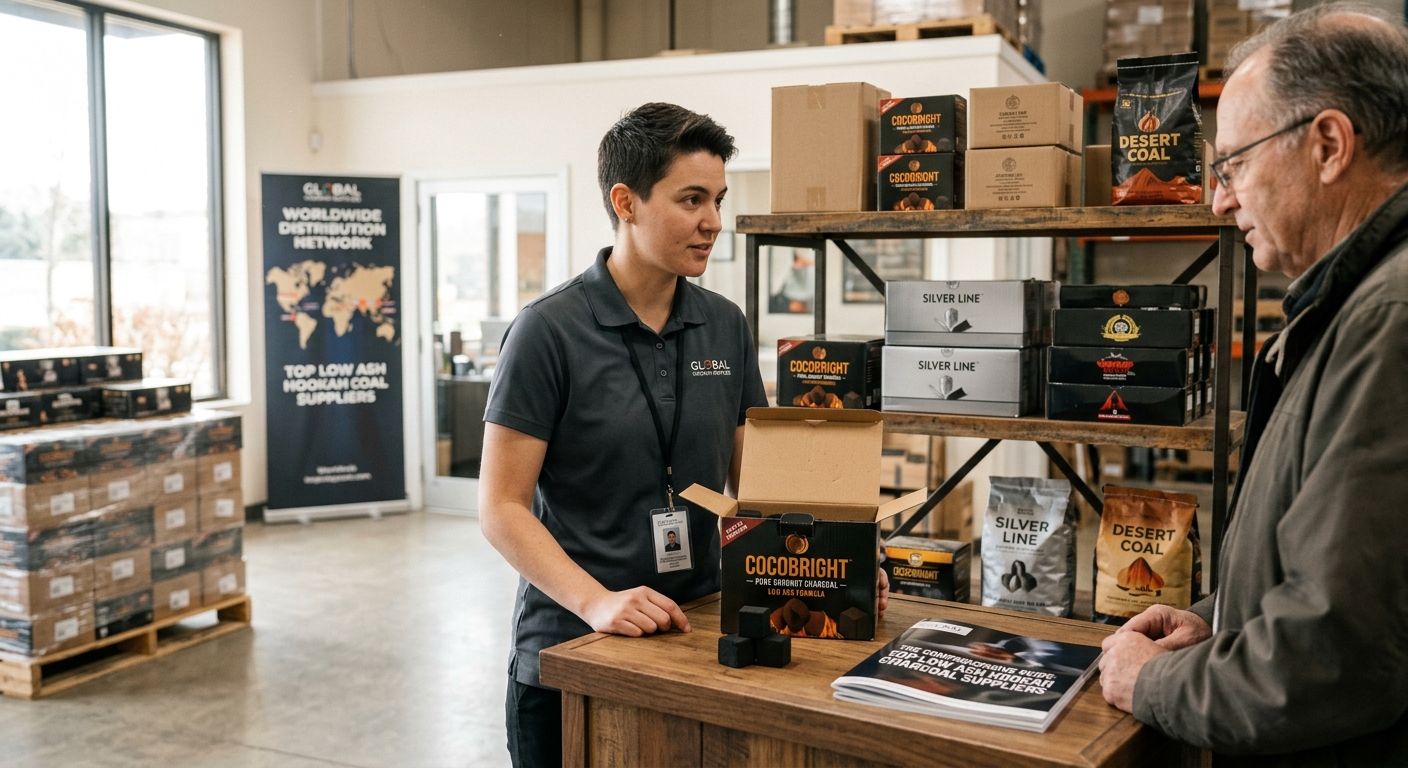
When searching for a supplier, it is crucial to partner with a reputable manufacturer rather than an intermediary to ensure competitive pricing and consistent quality. Look for suppliers who offer transparency regarding their sourcing and production processes. Requesting samples is a vital step before committing to large orders. Evaluate the samples for density, ease of lighting, burn duration, and ash residue. To understand the proper techniques for testing your samples, you can read How to Light Coconut Charcoal Briquettes: A Comprehensive Guide, which provides valuable insights into achieving the best performance from your briquettes.
Packaging and Logistics
Premium suppliers offer custom packaging options, allowing wholesalers and retailers to build their own brands. Whether you need 1kg retail boxes or 10kg bulk master cartons, Indonesian manufacturers can accommodate various OEM (Original Equipment Manufacturer) requirements. Additionally, working with a supplier experienced in international logistics is essential, as shipping charcoal requires specific documentation and compliance with maritime safety regulations.
Coconut Charcoal for Shisha vs. Barbecue
Premium organic coconut charcoal from Indonesia is highly versatile, catering to two main markets: shisha (hookah) enthusiasts and barbecue aficionados. While the raw material is the same, the specifications for the briquettes differ based on their intended use.
Shisha Charcoal
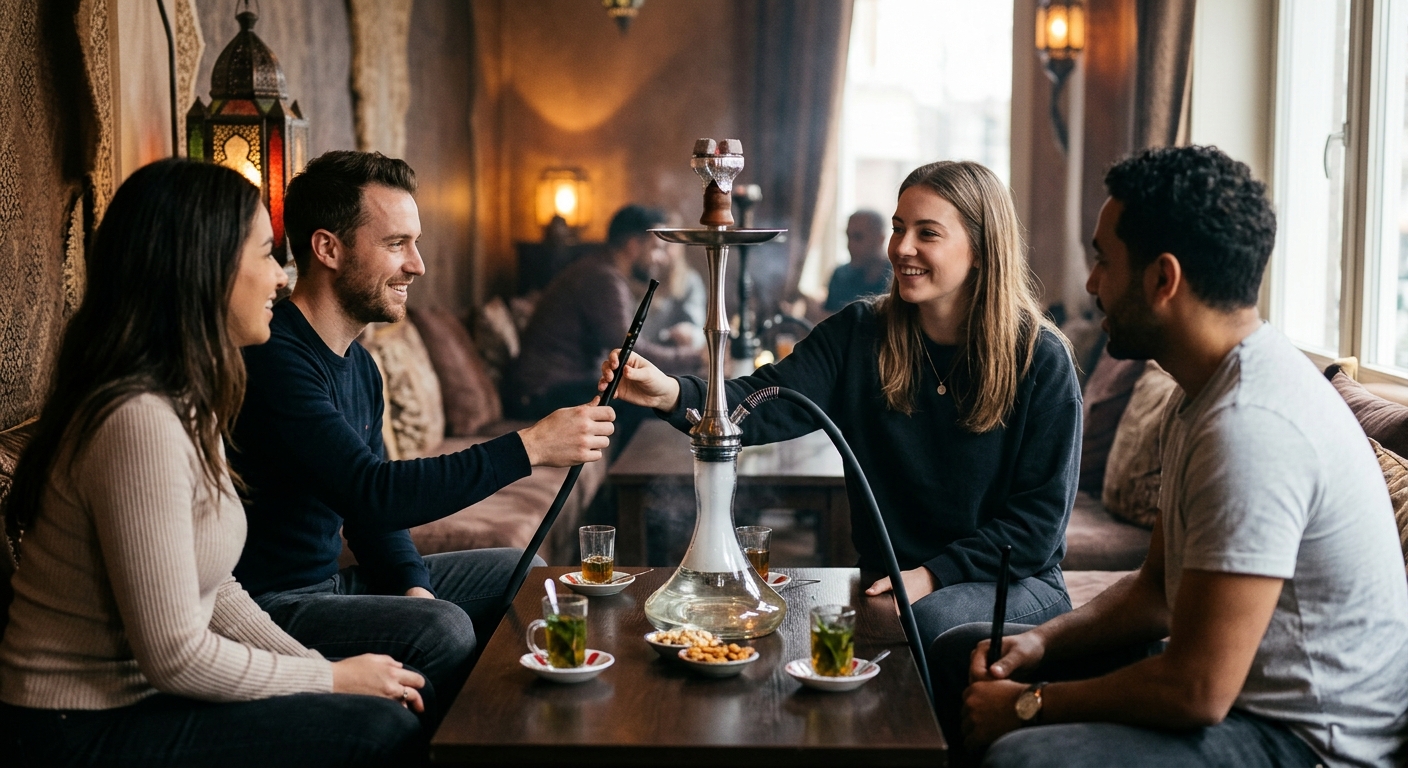
For shisha, purity is paramount. Smokers demand charcoal that produces zero smoke, zero odor, and minimal ash so as not to interfere with the flavor of the tobacco. Shisha briquettes are typically small cubes (e.g., 22mm, 25mm, or 26mm) that provide steady, manageable heat. Understanding the difference between charcoal types is essential for shisha lounge owners and retailers; you can learn more by reading Quick Light vs Coconut Charcoal for Shisha: A Comprehensive Guide to see why organic coconut charcoal is the superior choice.
Barbecue Charcoal
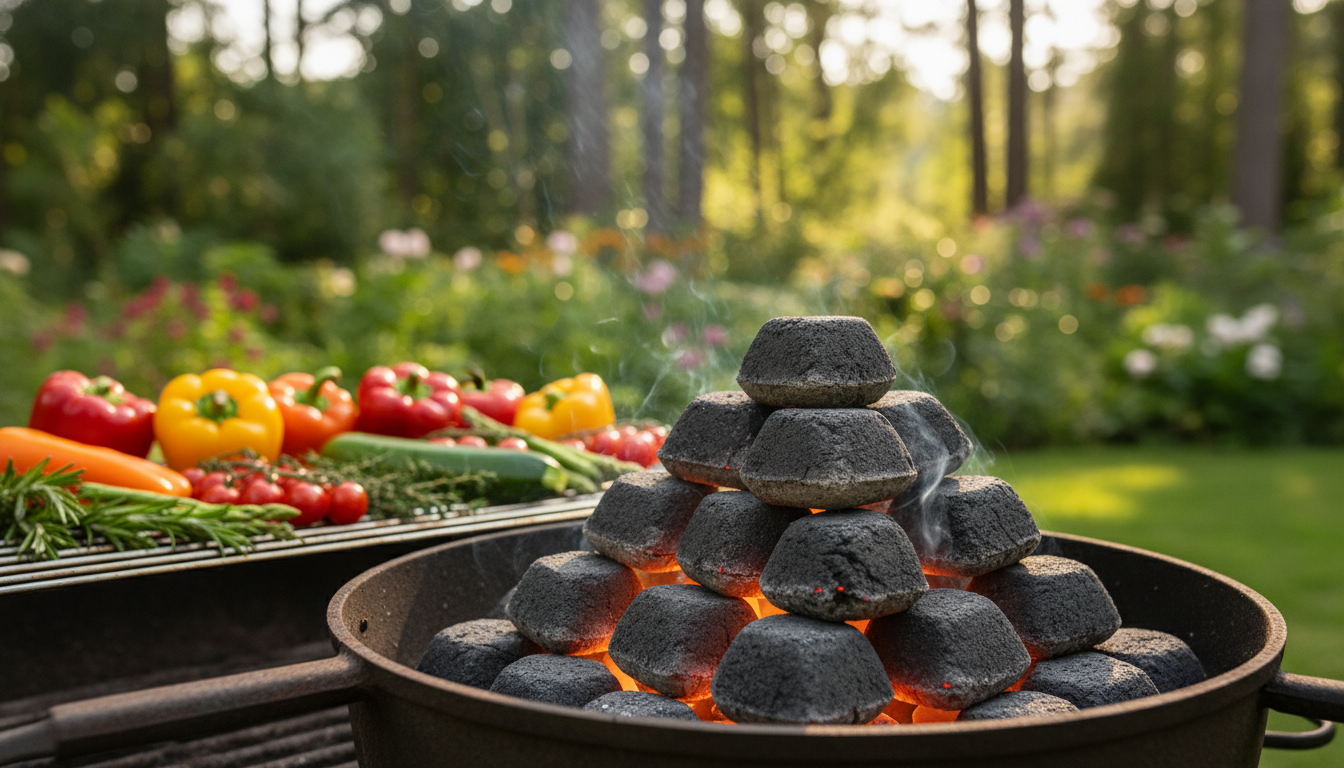
Barbecue charcoal, on the other hand, is usually molded into larger hexagonal or cylindrical shapes. These briquettes need to deliver high, sustained heat for long grilling sessions. The high density of Indonesian coconut charcoal makes it perfect for low-and-slow smoking as well as high-heat searing, all while being completely safe and chemical-free for food preparation.
Comparing Charcoal Specifications
When purchasing wholesale, you will encounter various specifications. Below is a typical comparison table of premium organic coconut charcoal specifications tailored for different uses.
| Specification | Shisha / Hookah Grade | Barbecue (BBQ) Grade |
|---|---|---|
| Shape | Cube, Flat | Hexagonal, Briquette |
| Ash Content | Max 2.5% | Max 5% |
| Moisture | Max 5% | Max 6% |
| Volatile Matter | Max 15% | Max 18% |
| Fixed Carbon | Min 80% | Min 75% |
| Burn Time | 1.5 to 2 Hours | 3 to 5 Hours |
Conclusion
Investing in premium organic coconut charcoal wholesale from Indonesia is a highly rewarding venture for businesses worldwide. The unparalleled quality, driven by abundant natural resources and refined manufacturing techniques, makes Indonesian coconut charcoal the gold standard in both the shisha and barbecue industries. By choosing organic coconut charcoal, you are not only providing a superior, clean-burning product to your customers but also supporting sustainable agricultural practices that protect our planet’s forests. As the market for eco-friendly products continues to expand, aligning with a reliable Indonesian supplier will position your brand for long-term success.
Frequently Asked Questions (FAQ)
What makes Indonesian coconut charcoal better than other types?
Indonesian coconut charcoal is made from high-density coconut shells found in the region, which results in briquettes that burn hotter, last longer, and produce significantly less ash compared to traditional wood charcoal or coconut charcoal from other regions.
Is organic coconut charcoal safe for cooking?
Yes, absolutely. Premium organic coconut charcoal is made using only carbonized coconut shells and natural binders like tapioca starch. It contains no synthetic chemicals or additives, making it 100% safe for grilling food.
How should I store bulk coconut charcoal?
Coconut charcoal should be stored in a cool, dry place away from direct moisture. Keeping the briquettes in airtight packaging or containers will prevent them from absorbing humidity from the air, ensuring they light easily and burn efficiently when needed.
Can I request custom packaging for wholesale orders?
Yes, most reputable Indonesian manufacturers offer OEM services, allowing you to customize the packaging with your brand’s logo and design for retail or wholesale distribution.