Introduction to Coconut Shell Charcoal Export Quality
The global demand for high-quality charcoal has seen a significant shift toward sustainable, eco-friendly alternatives. Among these, coconut shell charcoal stands out as a premier choice. Understanding coconut shell charcoal export quality is crucial for manufacturers, exporters, and buyers aiming to engage in international trade. This premium grade of charcoal is highly sought after for various applications, ranging from shisha and hookah smoking to industrial water purification and high-end culinary uses.
Export-quality coconut charcoal is distinct from domestic or lower-grade charcoal. It requires meticulous sourcing of raw materials, rigorous carbonization processes, and strict quality control measures to meet the stringent specifications demanded by international markets. In this comprehensive guide, we will delve deep into the characteristics, production processes, and standards that define export-quality coconut shell charcoal.
Characteristics of Export-Quality Coconut Charcoal
What sets export-quality coconut shell charcoal apart? Buyers in international markets, particularly in the Middle East, Europe, and North America, have very specific requirements. If you are exploring How to Start a Hookah Lounge: The Comprehensive Guide, you will quickly realize that the quality of your charcoal directly impacts customer satisfaction and operational success.
High Carbon Content
Fixed carbon content is the primary indicator of charcoal quality. Export-quality coconut charcoal typically boasts a fixed carbon content of 75% to 85% or higher. High carbon content ensures a longer burning time, consistent heat output, and minimal smoke production.
Low Ash Content and Color
Ash content is a critical factor, especially for briquettes used in shisha or hookah. Premium export-quality charcoal must have an ash content below 3%, ideally around 1.5% to 2.5%. Furthermore, the color of the ash matters; white or silver ash is preferred as it indicates complete combustion and lack of impurities. High ash content can ruin a smoking session, which is why lounge owners meticulously monitor every detail, much like they would consult a Hookah Water Level Guide: Achieving the Perfect Draw to ensure an optimal experience.
Moisture and Volatile Matter
Moisture content should be kept strictly below 5% to prevent the charcoal from cracking or emitting sparks during ignition. Volatile matter, which contributes to smoke and odors, must also be low, typically between 10% and 15%. Lower volatile matter guarantees a clean, odorless, and smokeless burn.
The Manufacturing Process
Achieving coconut shell charcoal export quality is not accidental; it requires a controlled and optimized manufacturing process. The journey from raw coconut shells to premium export charcoal involves several critical stages.
Sourcing and Selection
The process begins with selecting fully mature, dry coconut shells. Shells from younger coconuts contain too much moisture and yield lower carbon content. Top-tier manufacturers often source their shells from specific regions known for producing dense, thick-shelled coconuts, such as Indonesia, the Philippines, and parts of India.
Carbonization
Carbonization is the process of converting the raw shells into charcoal by heating them in the absence of oxygen. To achieve export quality, this process must be carefully monitored to maintain optimal temperatures (usually between 400°C and 600°C). Traditional pit methods are often replaced by modern kilns or retort systems to ensure uniformity, higher carbon yields, and reduced environmental impact.
Crushing, Sieving, and Briquetting
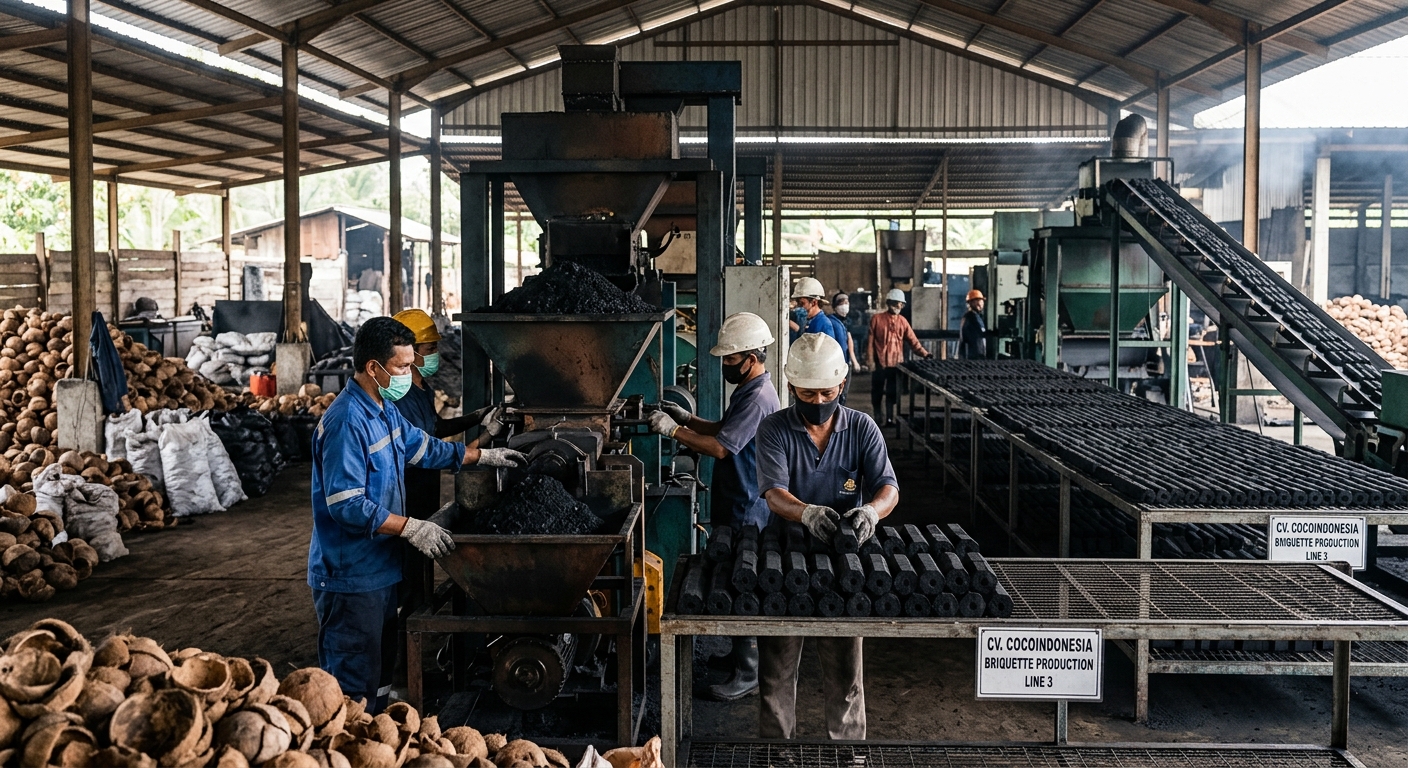
Once carbonized, the charcoal is crushed and sieved to remove impurities, dust, and un-carbonized materials. For briquette production, the crushed charcoal is mixed with a natural binder (like tapioca starch) and pressed into specific shapes—such as cubes, hexagons, or fingers. The density of the briquette is crucial; higher density means a longer burn time and less breakage during shipping.
Drying and Packaging
The formed briquettes contain moisture from the binder and must be dried in industrial ovens until the moisture drops below the export threshold of 5%. Finally, the charcoal is packed in moisture-proof inner liners and sturdy, branded corrugated boxes designed to withstand the rigors of international shipping.
Below is a comparison of standard charcoal specifications versus export-grade specifications for shisha applications.
| Specification | Standard Grade | Export Grade (Shisha) |
|---|---|---|
| Fixed Carbon | 65% – 70% | 75% – 85% |
| Ash Content | 5% – 8% | 1.5% – 2.5% |
| Moisture Content | 8% – 12% | Under 5% |
| Volatile Matter | 15% – 20% | 10% – 15% |
| Burn Time | 60 minutes | 90 – 120 minutes |
International Market Standards and Certifications
To successfully export coconut shell charcoal, suppliers must comply with international shipping regulations and quality standards. Because charcoal is a combustible material, it is subject to strict shipping guidelines.
Safety Data and Testing
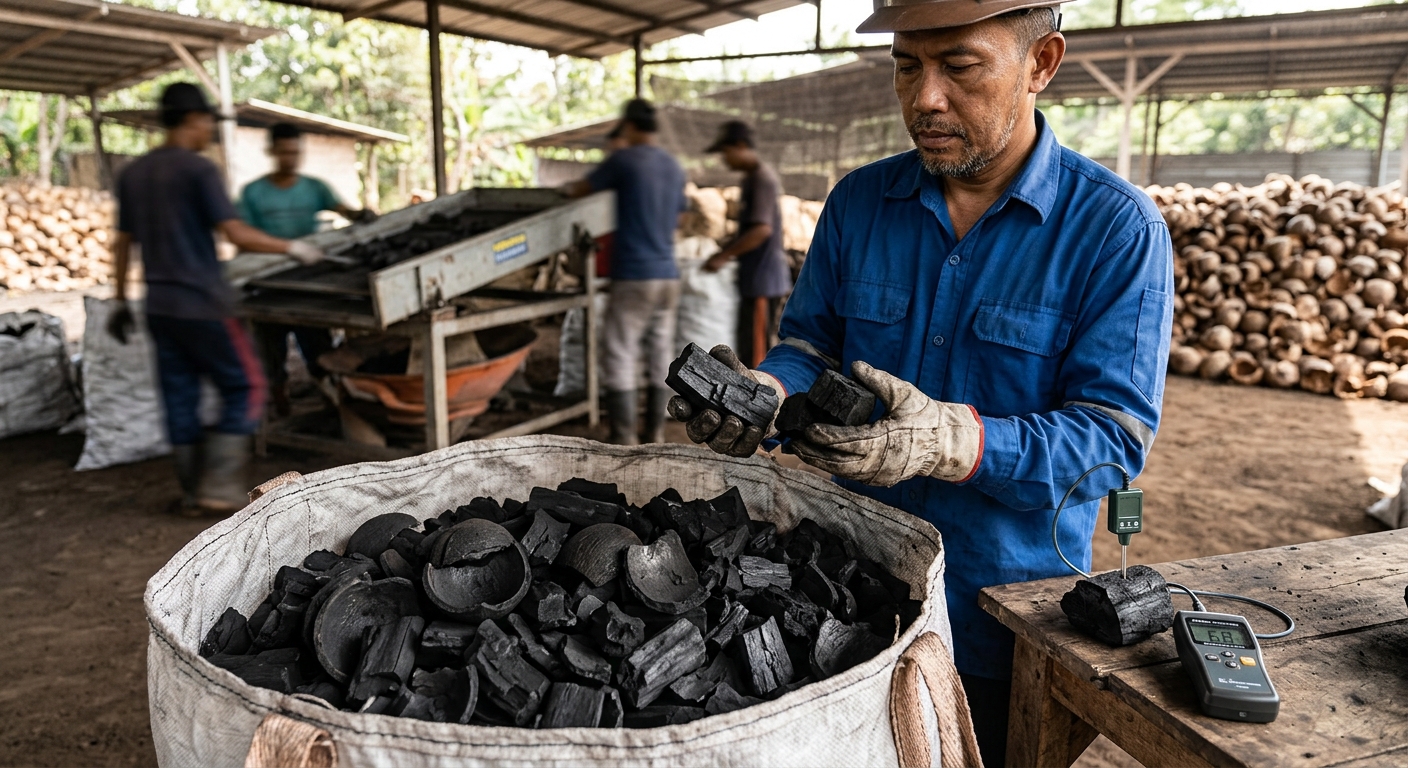
Exporters must provide a Material Safety Data Sheet (MSDS) and often require a Self-Heating Test (SHT) certificate to prove that the charcoal is not liable to spontaneously combust during transit. Organizations like SGS or Sucofindo frequently conduct independent laboratory tests to verify fixed carbon, ash, moisture, and volatile matter percentages against the buyer’s specifications.
Environmental and Social Governance (ESG)
Modern buyers are increasingly concerned with sustainability. Export-quality charcoal is favored because it utilizes an agricultural byproduct (the coconut shell), preventing deforestation associated with wood charcoal. Certifications highlighting sustainable sourcing and fair labor practices can significantly enhance a supplier’s standing in the international market.
Conclusion
Coconut shell charcoal export quality represents the pinnacle of charcoal production, characterized by high carbon, low ash, and a clean, smokeless burn. Achieving these standards requires meticulous raw material selection, advanced carbonization, and stringent quality control. Whether used for premium hookah lounges or industrial applications, export-grade coconut charcoal offers unmatched performance and sustainability. By adhering to international standards and prioritizing quality at every step, producers can successfully navigate the global market and meet the ever-growing demand for premium, eco-friendly charcoal.
Frequently Asked Questions
What makes coconut shell charcoal better than wood charcoal?
Coconut shell charcoal is a sustainable byproduct of the copra industry, meaning no trees are cut down to produce it. It also burns hotter, lasts longer, and leaves significantly less ash than traditional wood charcoal, making it ideal for both culinary and shisha uses.
How can I identify export-quality coconut charcoal?
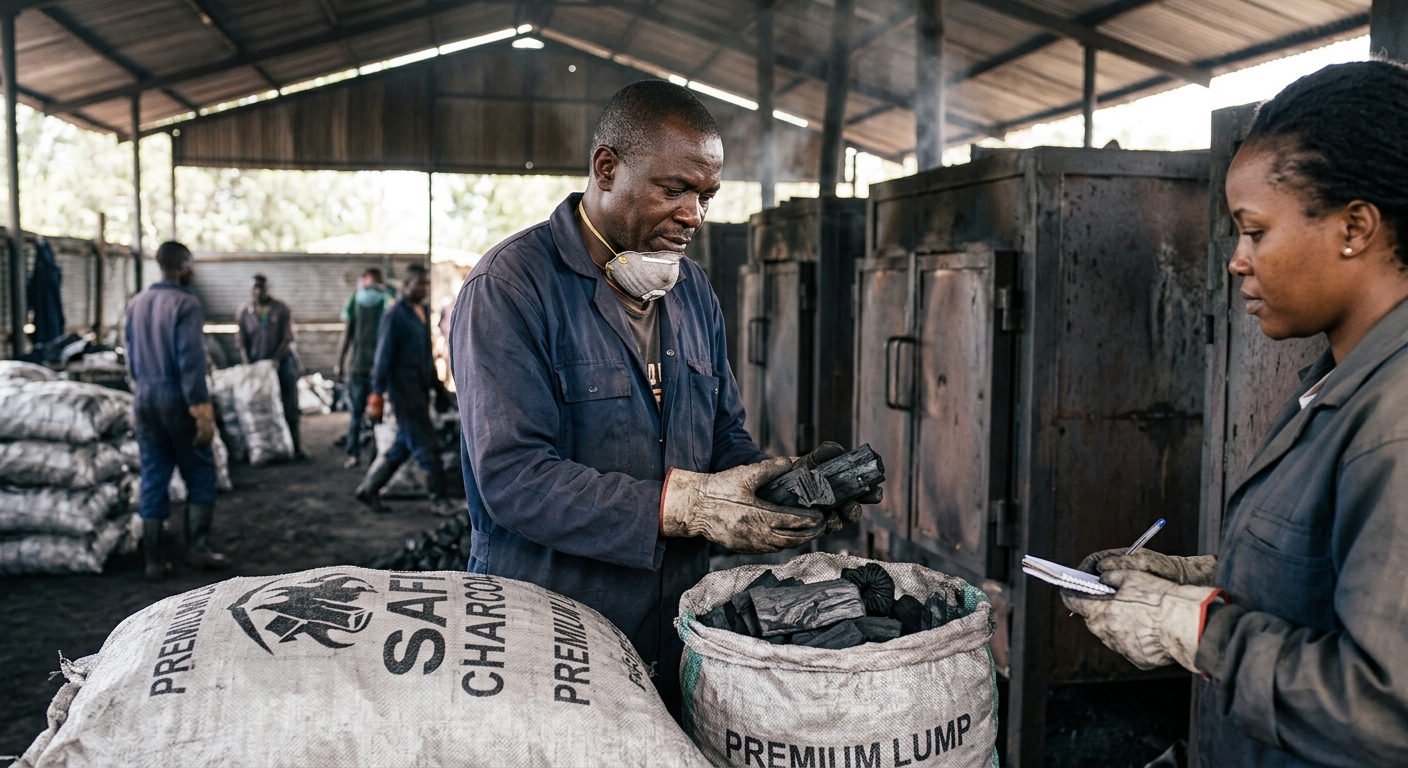
Export-quality coconut charcoal is typically very dense, hard, and emits a metallic ringing sound when two pieces are struck together. It should ignite without sparking, produce no foul odor or smoke, and leave a minimal amount of light-colored ash.
Why is ash color important in shisha charcoal?
Ash color indicates the purity of the raw materials and the completeness of the carbonization process. White or silver ash suggests high-quality, pure coconut shell without fillers or dirt, ensuring the flavor of the shisha is not compromised.
Is coconut shell charcoal safe to ship internationally?
Yes, but it must be properly tested and certified. Due to its combustible nature, exporters must pass a Self-Heating Test (SHT) and provide relevant documentation to shipping lines to prove it is safe for transport as non-hazardous cargo under specific conditions.