Introduction to Lighting Charcoal Briquettes
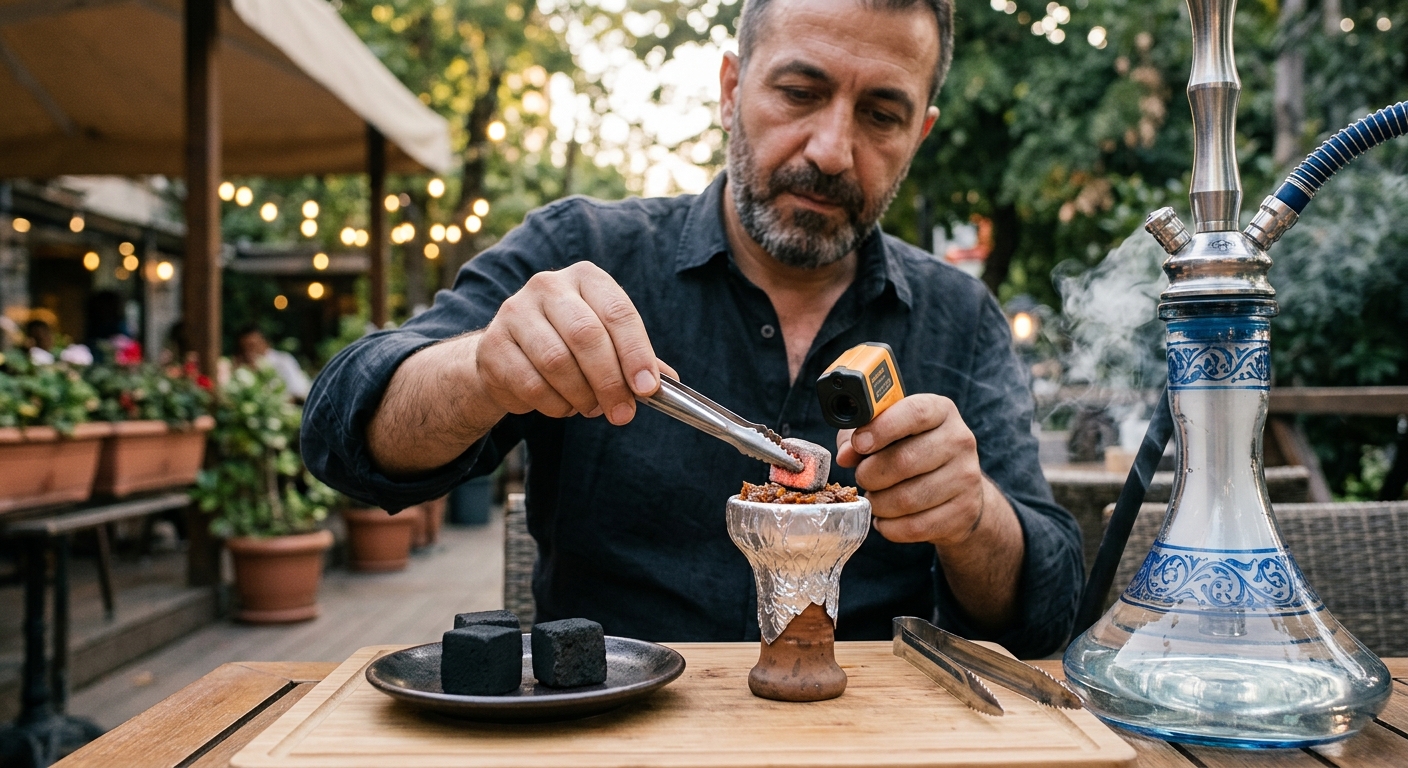
Lighting charcoal briquettes might seem straightforward, but mastering the process is essential for anyone who enjoys outdoor grilling, slow smoking, or even preparing a traditional hookah session. The quality of your fire directly dictates the quality of the heat produced, which in turn impacts the flavor and consistency of your cooking. Whether you are a weekend griller or a seasoned pitmaster, knowing how to light charcoal briquettes efficiently and safely will elevate your experience.
In this comprehensive guide, we will explore various methods to light charcoal briquettes, the tools required, and the best practices to ensure an even, consistent burn. We will also touch upon the importance of selecting high-quality charcoal, as this plays a pivotal role in how well your briquettes ignite and maintain heat.
Choosing the Right Charcoal
Before diving into the lighting techniques, it is crucial to understand that not all charcoal is created equal. The market offers a variety of briquettes, including standard wood charcoal, lump charcoal, and specialized coconut charcoal. For those who use charcoal for smoking or hookah, the purity and ash content are critical factors. For detailed insights into what makes a premium product, you can read about Coconut Charcoal Specifications for Hookah: A Comprehensive Guide. Understanding these specifications ensures you are starting with a product that lights well and burns cleanly.
Methods for Lighting Charcoal Briquettes
There are several effective ways to light charcoal briquettes. Below, we compare the three most popular methods: the Charcoal Chimney Starter, Lighter Fluid, and Electric Charcoal Starters.
The following table compares these three popular methods based on their heat-up time, safety level, and flavor impact on the food.
| Lighting Method | Average Heat-Up Time | Safety Level | Flavor Impact |
|---|---|---|---|
| Charcoal Chimney Starter | 15 – 20 minutes | High | Neutral (No chemical taste) |
| Lighter Fluid | 10 – 15 minutes | Moderate | Potential Chemical Residue |
| Electric Charcoal Starter | 8 – 12 minutes | High | Neutral (No chemical taste) |
1. The Charcoal Chimney Starter Method
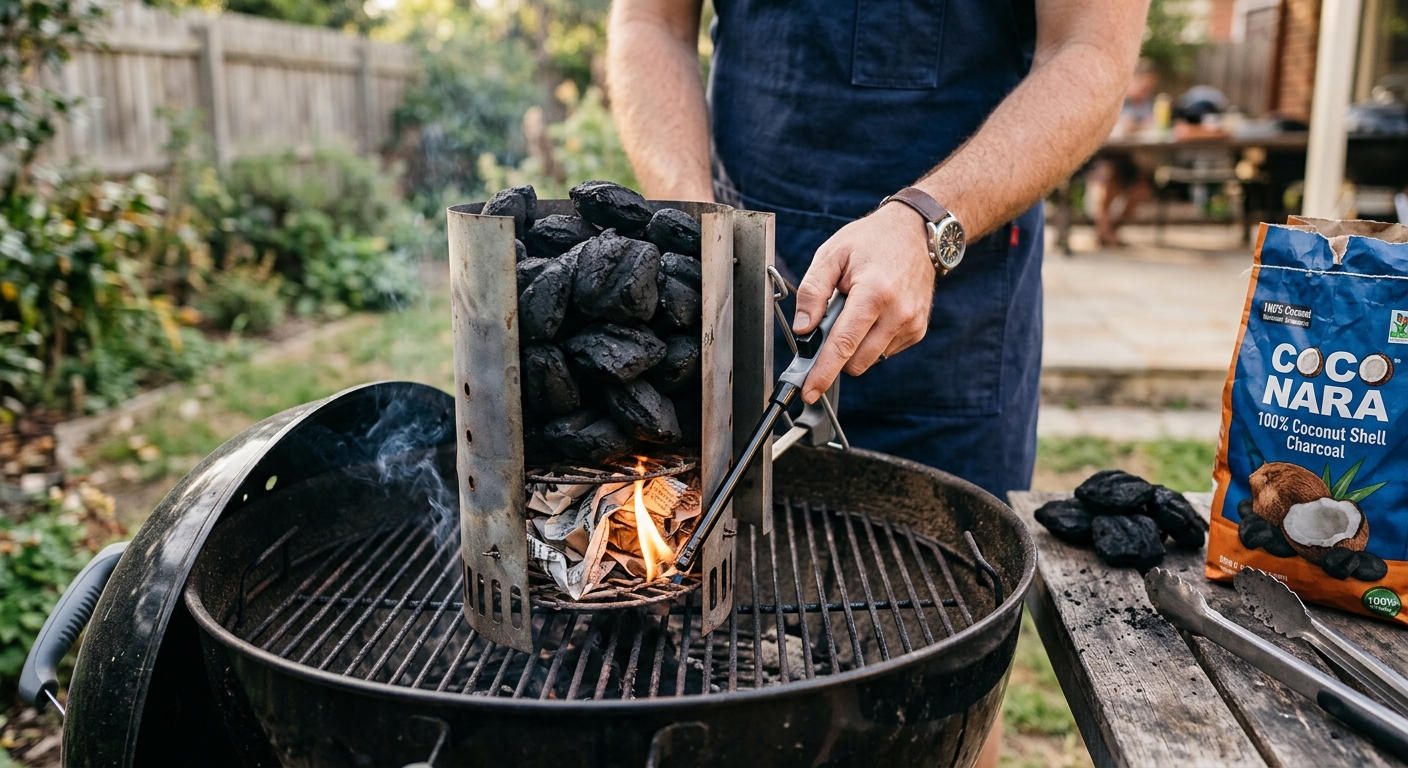
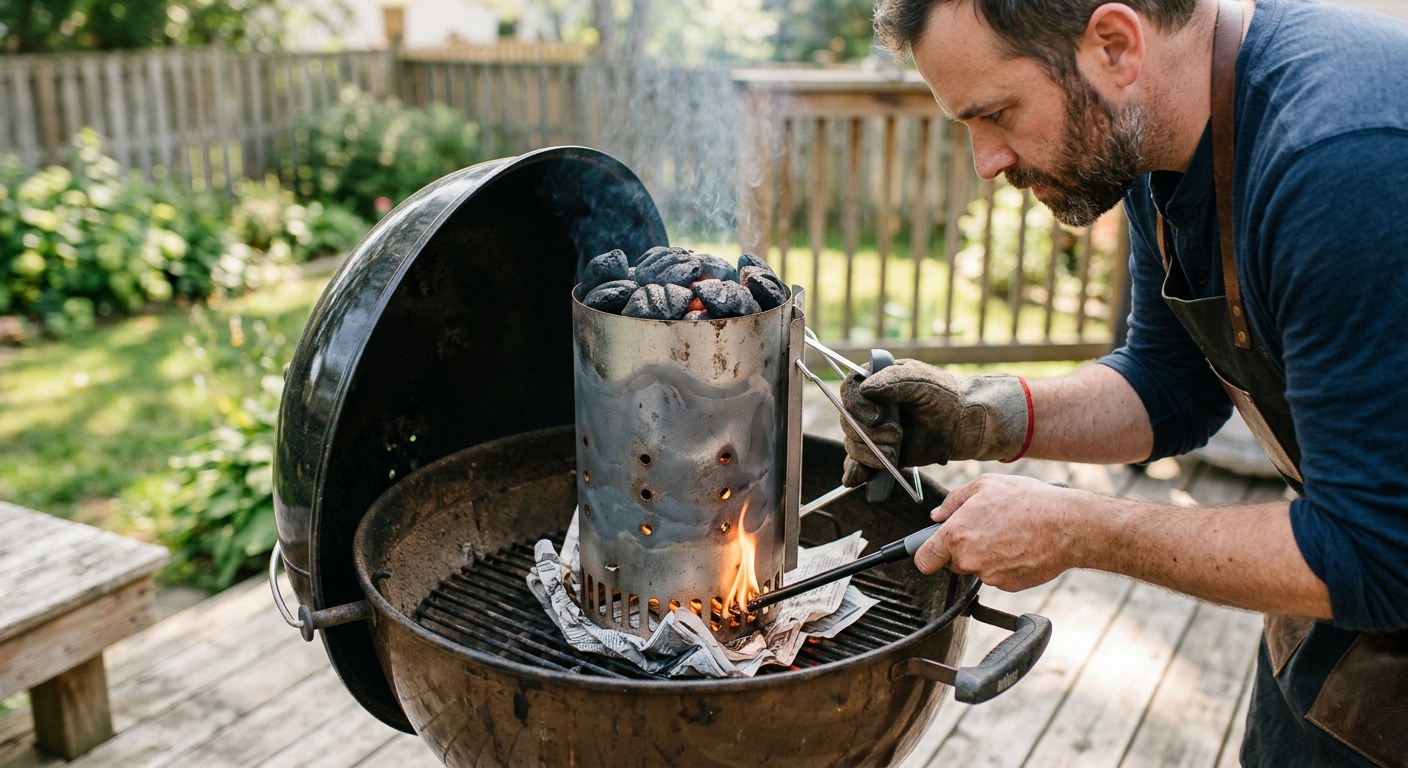
The charcoal chimney starter is widely considered the best and most reliable method by grilling enthusiasts. It requires no lighter fluid, which means no chemical taste will be transferred to your food. A chimney starter is a metal cylinder with a grate inside and a handle on the outside.
- Step 1: Crumple 2-3 pieces of newspaper and place them in the bottom chamber of the chimney.
- Step 2: Fill the top chamber with your desired amount of charcoal briquettes.
- Step 3: Place the chimney on the charcoal grate of your grill.
- Step 4: Light the newspaper through the holes at the bottom of the chimney.
- Step 5: Wait approximately 15 to 20 minutes. The briquettes are ready when they are covered in a light layer of gray ash.
- Step 6: Carefully pour the lit briquettes into your grill and arrange them according to your cooking method (direct or indirect heat).
2. Using Lighter Fluid
While purists often avoid lighter fluid due to the potential for chemical flavors, it remains a common and fast method for lighting briquettes. If you choose this route, it is vital to use the fluid correctly to minimize any negative impact on your food.
- Step 1: Arrange your charcoal briquettes into a neat pyramid shape in the center of your grill. This shape helps the fire spread evenly from the bottom to the top.
- Step 2: Carefully squirt a moderate amount of lighter fluid over the pyramid. Do not douse the coals; a light, even coat is sufficient.
- Step 3: Allow the fluid to soak into the briquettes for about a minute.
- Step 4: Stand back and carefully toss a lit match or use a long-handled lighter to ignite the pile at the base.
- Step 5: Let the coals burn until the flames die down and the briquettes are covered in gray ash (usually 10-15 minutes). Never add more lighter fluid to lit or hot coals.
3. Electric Charcoal Starters
An electric charcoal starter is a fantastic, environmentally friendly option that uses a high-temperature heating element to ignite the briquettes directly. This method is fast and completely eliminates the need for paper or chemical fluids.
- Step 1: Plug in the electric starter and place the heating loop directly on the charcoal grate.
- Step 2: Pile the charcoal briquettes over and around the heating element.
- Step 3: Leave the starter plugged in for about 8 to 12 minutes, or until the coals surrounding the element begin to glow red and ash over.
- Step 4: Unplug and carefully remove the electric starter, placing it on a heat-safe surface to cool.
- Step 5: Allow the lit coals to spread the fire to the rest of the pile before cooking.
Special Considerations for Premium Briquettes
If you are sourcing premium briquettes, such as those made from coconut shells, the lighting process is highly efficient due to their dense structure and low moisture content. These briquettes provide a longer, hotter burn, ideal for extended grilling sessions or hookah use. To learn more about where these high-quality products come from, check out this resource on finding a reputable Indonesian Coconut Charcoal Manufacturer: A Comprehensive Guide. High-quality manufacturing ensures consistent briquette size and density, making your lighting process predictable and reliable.
Safety Tips When Lighting Charcoal
Safety should always be your top priority when dealing with fire and high temperatures. Here are some essential safety tips to keep in mind:
- Location: Always light your grill outdoors in a well-ventilated area, away from overhangs, wooden fences, and dry vegetation.
- Attire: Wear heat-resistant gloves and avoid loose-fitting clothing that could easily catch fire.
- Extinguishing: Keep a fire extinguisher, a bucket of sand, or a hose nearby in case of emergencies.
- Lighter Fluid Safety: Never, under any circumstances, add lighter fluid to coals that are already hot or lit. This can cause a dangerous flare-up.
- Cooling Down: After cooking, close the grill vents to cut off oxygen and let the coals extinguish naturally. Wait at least 24 hours before disposing of the ashes in a metal container.
Conclusion
Lighting charcoal briquettes is a fundamental skill that sets the stage for a successful grilling or smoking session. By choosing the right method—whether it be the clean efficiency of a chimney starter, the traditional lighter fluid approach, or the modern convenience of an electric starter—you can ensure your coals are perfectly prepped for cooking. Remember that the quality of your charcoal matters just as much as your lighting technique. Prioritize safety, practice patience, and you will be rewarded with consistent heat and excellent culinary results every time you fire up the grill.
Frequently Asked Questions (FAQ)
How long does it take for charcoal briquettes to be ready for cooking?
Generally, it takes about 15 to 20 minutes for charcoal briquettes to be fully lit and ready for cooking. You will know they are ready when they stop smoking, glow red, and are covered in a light layer of white or gray ash.
Can I reuse unburned charcoal briquettes?
Yes, you can reuse unburned charcoal briquettes. Once you are finished cooking, close the vents on your grill to extinguish the fire. The next time you grill, shake off the loose ash from the leftover briquettes and mix them with fresh charcoal.
Why won’t my charcoal briquettes stay lit?
If your charcoal briquettes are struggling to stay lit, it is usually due to a lack of oxygen or moisture in the briquettes. Ensure your grill’s air vents are open to allow proper airflow. Additionally, make sure you are storing your charcoal in a dry, airtight container to prevent it from absorbing humidity from the air.
Is a chimney starter better than lighter fluid?
Most grilling experts agree that a chimney starter is vastly superior to lighter fluid. A chimney starter uses newspaper or natural fire starters, which prevents any chemical odors or flavors from transferring to your food. It also lights the coals more evenly and safely.