Introduction to Coconut Charcoal
Coconut charcoal has become the gold standard for hookah enthusiasts and professional grillers alike. Known for its clean burn, high heat output, and minimal ash production, it offers a vastly superior experience compared to traditional wood charcoal or chemically treated alternatives. However, because it lacks the chemical accelerants found in quick-light varieties, learning how to light coconut charcoal properly is essential to achieving that perfect session. In this comprehensive guide, we will walk you through the best methods, necessary equipment, and professional tips to ensure your coals are glowing red and ready for use.
Why Choose Coconut Charcoal?
Before diving into the lighting process, it is important to understand why so many enthusiasts prefer coconut charcoal. Made from compressed coconut shells, these briquettes are 100% natural and eco-friendly. They do not impart any unwanted flavors or odors, allowing you to fully enjoy the pure taste of your shisha or food. If you are debating between different types of coals, reading about Coconut Charcoal vs Quick Light Coals: The Ultimate Hookah Guide will provide you with a clear understanding of the benefits of switching to natural options.
The Best Methods for Lighting Coconut Charcoal
Method 1: The Electric Coil Burner (The Gold Standard)
The most efficient and popular way to light coconut charcoal is by using a single electric coil burner. This method provides consistent, direct heat that ignites the coals evenly without the need for open flames or dangerous chemicals.
- Step 1: Place the electric coil burner on a flat, heat-resistant surface away from flammable materials.
- Step 2: Arrange your coconut charcoal cubes directly on the coils. Make sure they are laid flat to maximize surface contact.
- Step 3: Turn the burner to its highest setting.
- Step 4: Wait approximately 5 to 7 minutes. You will notice the bottom half of the coals turning orange and developing a thin layer of gray ash.
- Step 5: Using metal tongs, carefully flip each coal over.
- Step 6: Wait another 3 to 5 minutes until the coals are fully glowing red and covered in a light layer of ash. Once fully lit, they are ready to be transferred.
Method 2: Gas Stove
If you do not have an electric burner, a gas stove can also work effectively. However, caution must be exercised to avoid damaging your stove grates or creating a fire hazard.
- Step 1: Place the coals carefully on the grates over the gas burner. Do not let them fall through.
- Step 2: Turn the flame to a medium-high setting.
- Step 3: Just like with the electric burner, wait for the bottom to ignite and turn red (about 6-8 minutes).
- Step 4: Flip the coals using metal tongs and wait until they are completely lit.
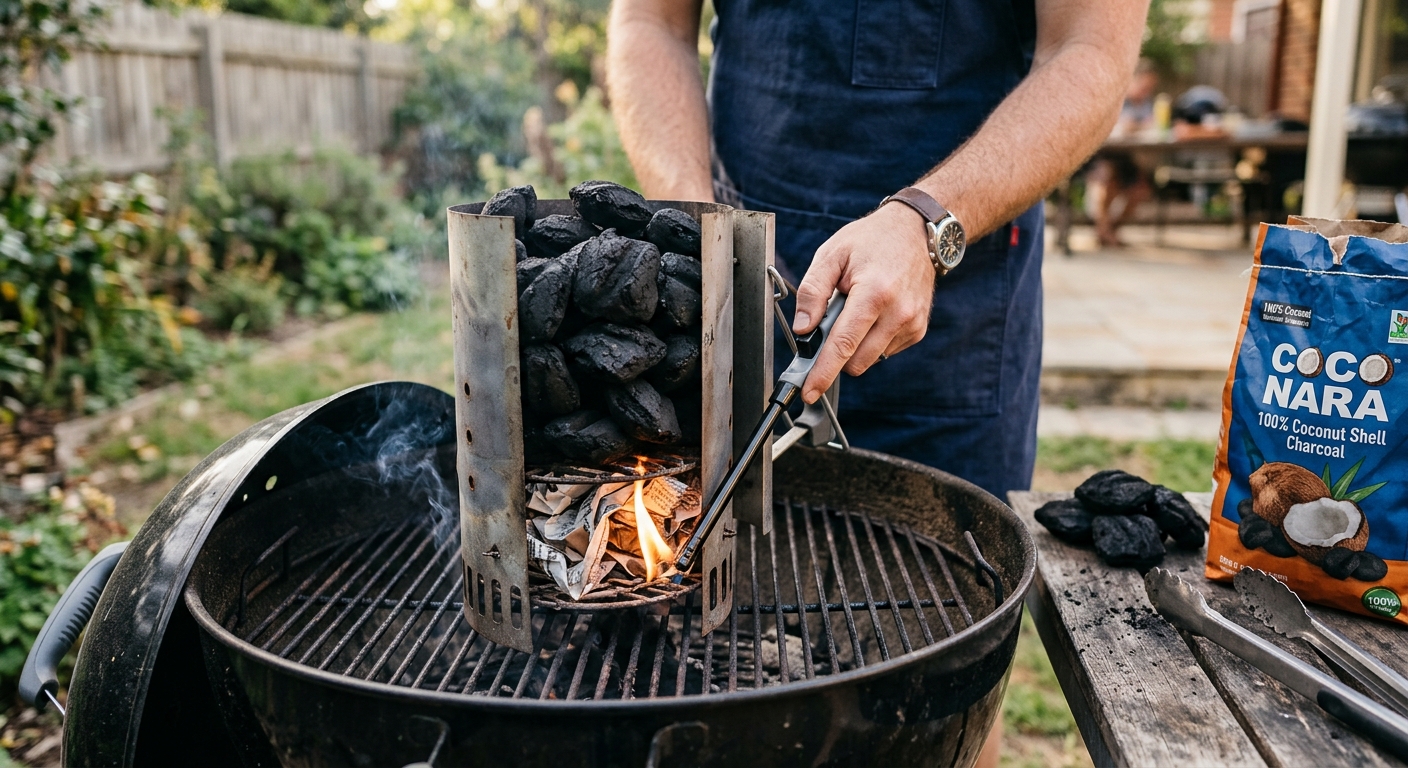
Method 3: Charcoal Chimney Starter (For Grilling)
If you are using coconut charcoal for BBQ or grilling, a chimney starter is highly recommended. It uses the principle of convection to light a large batch of coals quickly and evenly.
- Step 1: Stuff the bottom chamber of the chimney starter with crumpled newspaper or natural fire starters.
- Step 2: Fill the top chamber with your coconut charcoal briquettes.
- Step 3: Light the newspaper or fire starters through the holes at the bottom.
- Step 4: Wait 15-20 minutes. The flames will draw upward, igniting the coals. They are ready when the coals at the top are covered in gray ash.
Choosing the Right Coconut Charcoal
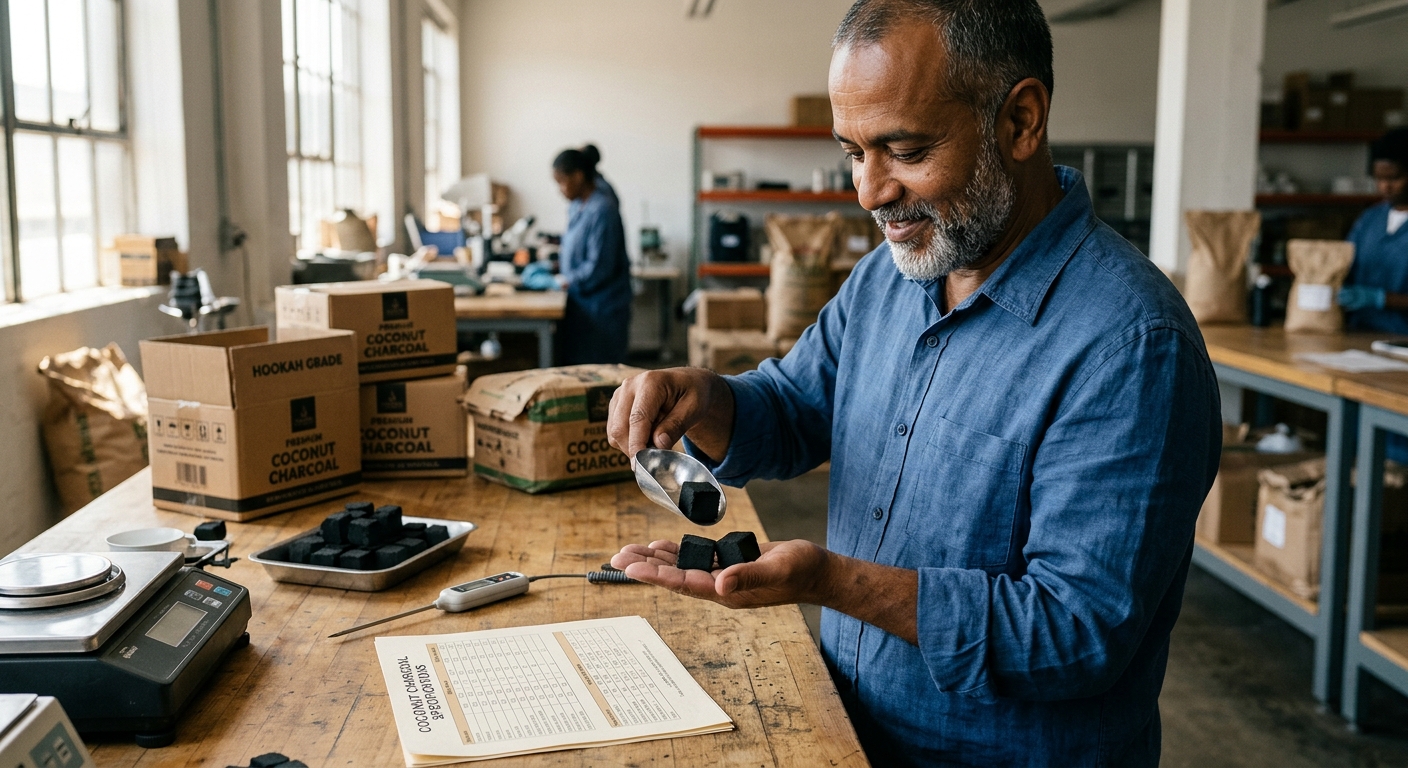
The quality of your session depends heavily on the quality of the charcoal you use. Premium coconut coals will light more consistently, burn longer, and produce less ash. To find the top brands on the market, check out The Ultimate Guide to the Best Coconut Charcoal for Hookah. Using high-quality products ensures that your effort in lighting them pays off with a smooth, long-lasting burn.
Common Mistakes to Avoid
Even seasoned users can sometimes make errors when lighting natural coals. Here are some common pitfalls to avoid:
- Removing coals too early: If the coal is still black in the center, it is not fully lit. Using partially lit coals can cause them to go out prematurely and may introduce carbon monoxide into your session, altering the flavor and causing headaches.
- Using a microwave or lighter: Never attempt to light natural coconut charcoal in a microwave or with a standard cigarette lighter. It is ineffective and highly dangerous.
- Ignoring safety precautions: Always use proper metal tongs. Never touch hot coals with your hands, and ensure your lighting area is well-ventilated.
Equipment Checklist
To ensure a smooth lighting process, gather the following essential equipment:
| Equipment | Purpose |
|---|---|
| Electric Coil Burner | Provides consistent heat for igniting natural coals efficiently. |
| Long Metal Tongs | Essential for safely handling and flipping hot coals. |
| Heat-Resistant Carrier | Used for safely transporting glowing coals from the burner to the hookah or grill. |
Advanced Tips for Hookah Enthusiasts
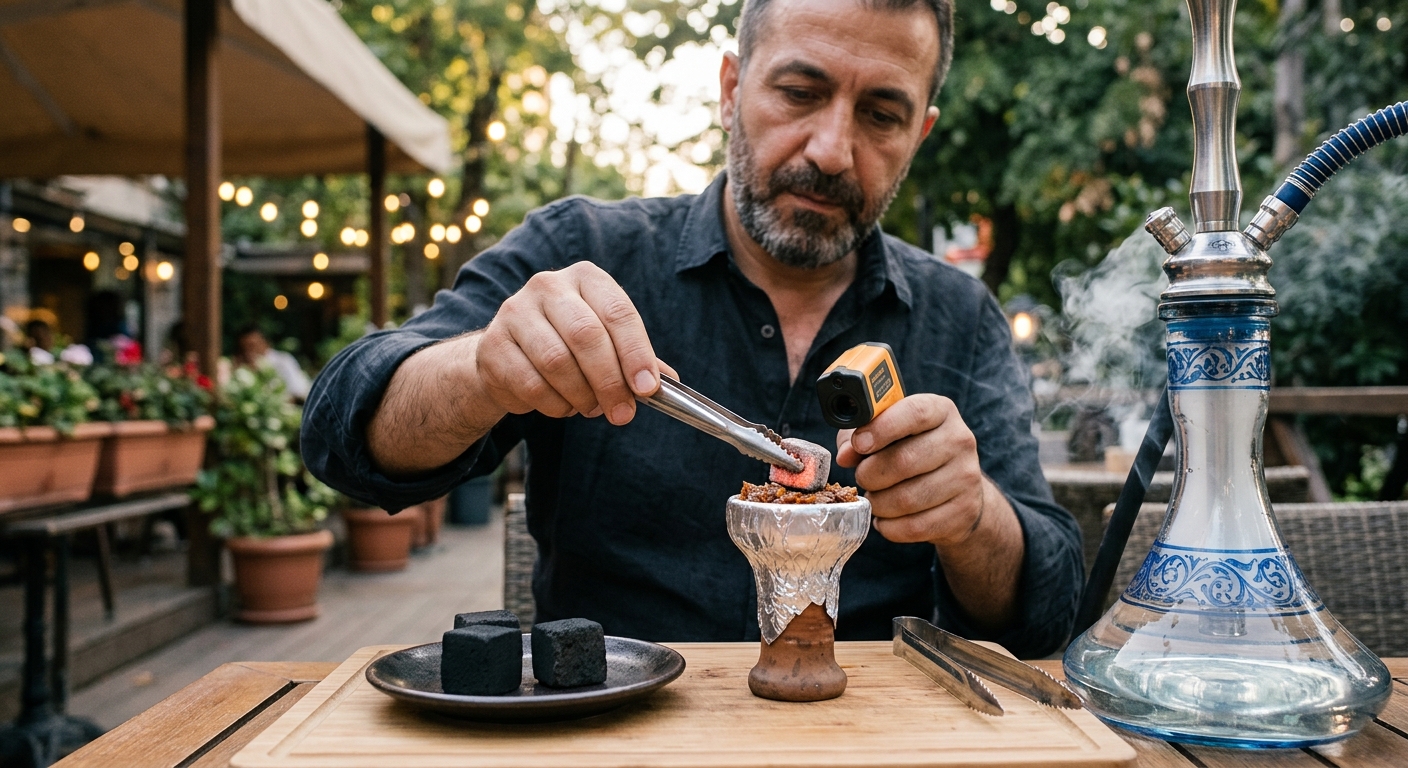
For those dedicated to the perfect hookah session, heat management is crucial. Once your coals are perfectly lit, placing them correctly on your bowl or heat management device (HMD) determines the quality of your smoke. Start with two or three cubes placed on the outer edges of the bowl, allowing the shisha to bake rather than burn. As the session progresses and the coals shrink, you can move them closer to the center. For more in-depth reviews on premium products, you can refer to The Ultimate Guide to the Best Coconut Charcoal for Hookah.
Safety and Maintenance
Safety should always be your top priority. Always light coals in a well-ventilated area to prevent the buildup of carbon monoxide. Keep flammable materials, children, and pets away from the lighting station. After your session, ensure the coals are completely extinguished before disposing of them. You can drown them in water to be safe. If you are looking for premium quality coals that adhere to high manufacturing standards, consider exploring options from this charcoal manufacturer.
Conclusion
Learning how to light coconut charcoal properly is a fundamental skill for anyone looking to enjoy a premium hookah session or a clean grilling experience. By using an electric coil burner, practicing patience, and ensuring the coals are glowing red throughout, you guarantee a clean, flavorless heat source that maximizes your enjoyment. Remember to prioritize safety, use the right equipment, and invest in high-quality coconut charcoal. With these professional techniques, you are well on your way to perfecting your setup.
Frequently Asked Questions
Can I light coconut charcoal with a regular lighter?
No, a standard lighter does not produce enough sustained heat to ignite dense natural coconut charcoal. You need a dedicated electric coil burner or a gas stove.
How long does it take to light coconut charcoal?
Using an electric coil burner, it typically takes about 8 to 12 minutes in total. You should flip the coals halfway through when the bottom half turns red.
How do I know when the coconut coals are ready to use?
The coals are ready when they are glowing red on all sides and covered in a thin layer of light gray ash. There should be no black spots remaining.
Is coconut charcoal better than quick-light charcoal?
Yes, coconut charcoal is completely natural and does not contain the chemical accelerants found in quick-light coals, resulting in a cleaner burn, better flavor, and longer lasting heat.
One thought on “How to Light Coconut Charcoal: The Complete Guide”